Mishaya Gorilla Group Profile Rushaga: History, Members, Location and Trekking Experience
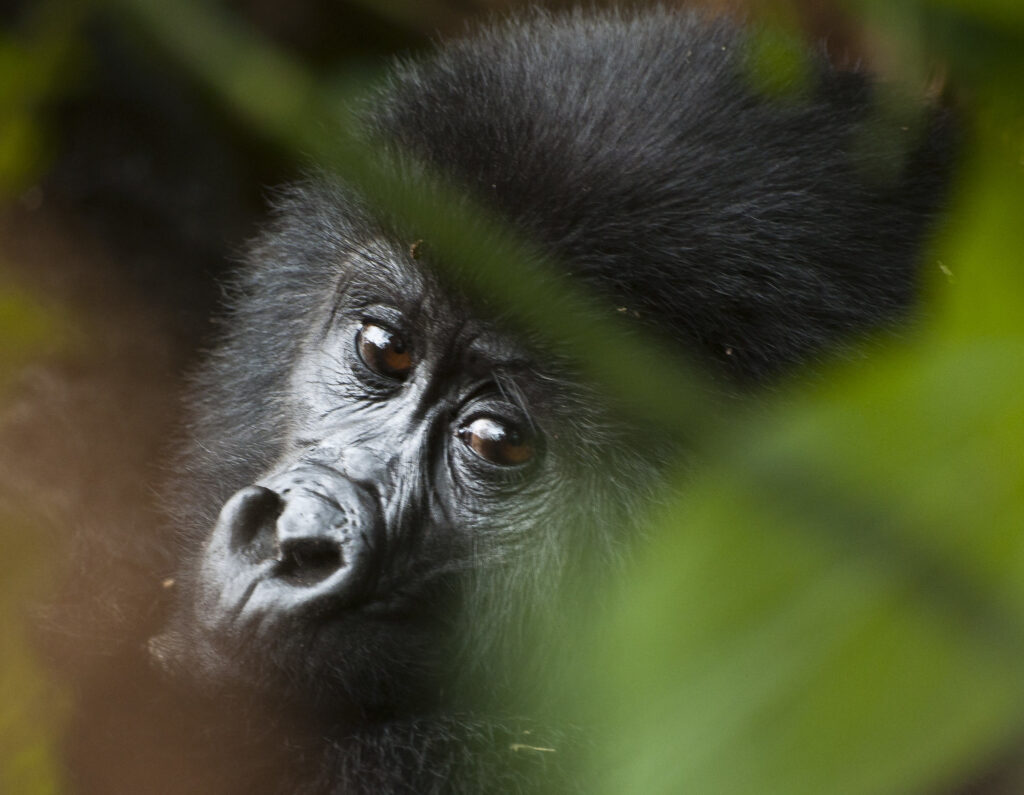
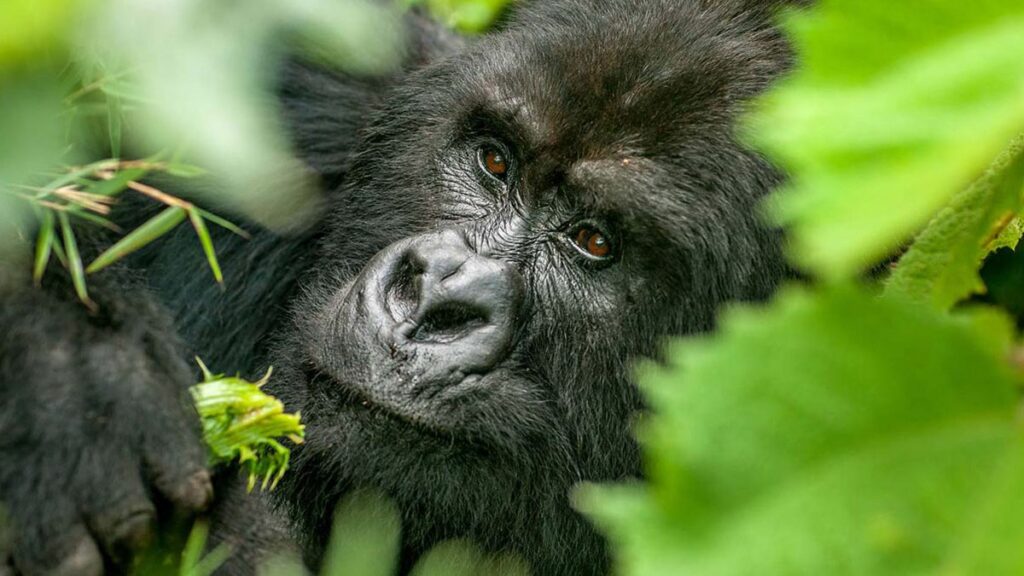
The Mishaya gorilla group Rushaga profile explores the history of one of the notable mountain gorilla families associated with the southern sector of Bwindi Impenetrable National Park in Uganda. Mishaya became particularly well known because of its independent formation and the story of its former dominant silverback, Mishaya.
The family was associated with the Rushaga sector, an important gorilla trekking destination in southwestern Uganda. Its history provides an interesting example of how mountain gorilla groups can change when mature males leave established families and form new social units.
Although the original Mishaya group is an important part of Bwindi’s gorilla conservation history, travelers should distinguish its historical story from current trekking availability. Gorilla families can change, merge, split, or disappear as social structures develop. Current information about the status of any family should therefore be confirmed with the Uganda Wildlife Authority or a reputable local tour operator before planning a trek.
Where Was the Mishaya Gorilla Group Located?
The Mishaya gorilla group was associated with the Rushaga sector of Bwindi Impenetrable National Park in southwestern Uganda.
Rushaga is located in the southern part of Bwindi and contains several habituated gorilla families.
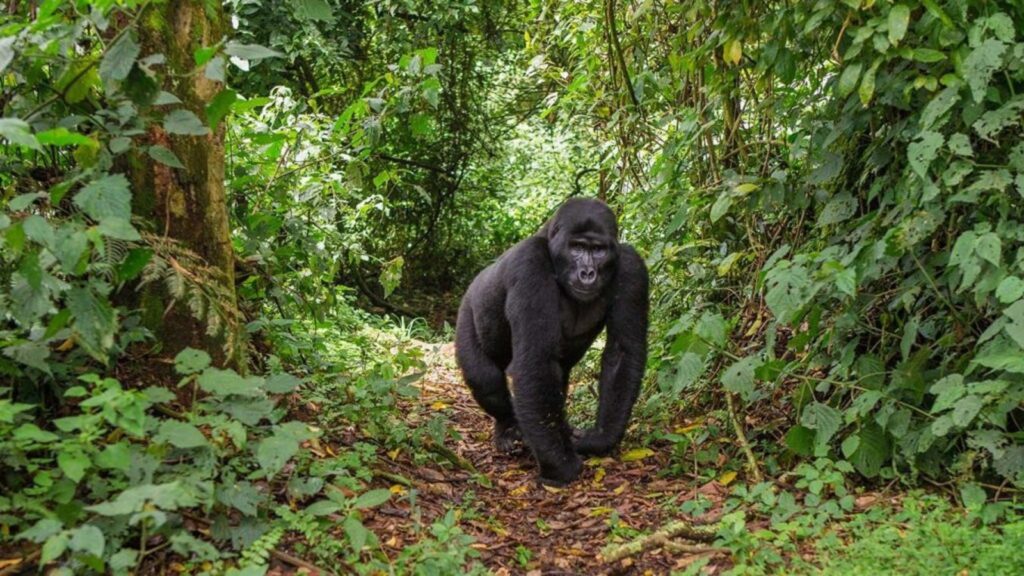
The sector features dense montane rainforest, steep hills, valleys, and extensive vegetation that provides habitat for mountain gorillas.
The Mishaya family moved naturally through the forest rather than remaining in a fixed location.
This meant that its position could change from day to day as the gorillas searched for food, rested, socialized, and responded to changes within their environment.
History of the Mishaya Gorilla Group
Mishaya has a particularly interesting history because the family was established by a silverback who separated from the Nshongi gorilla group.
The silverback, Mishaya, left the Nshongi family with several gorillas and established a new social unit.
This process demonstrated the natural ability of mountain gorillas to form new families.
The group became associated with the Rushaga area and attracted considerable interest from researchers, conservationists, and visitors.
Mishaya’s history later became closely connected with the challenges and changes that can occur within mountain gorilla societies.
Who Was Mishaya?
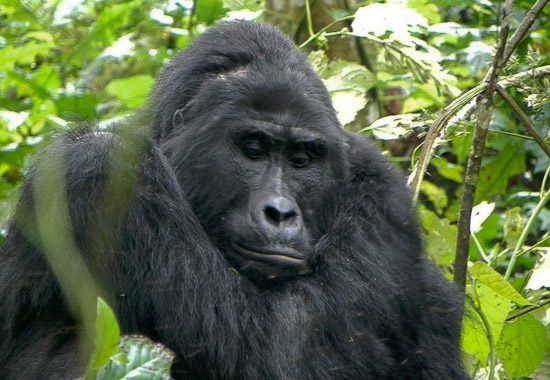
Mishaya was a well-known silverback who became the leader of the group that carried his name.
He was recognized for leaving the larger Nshongi family and establishing his own group.
His leadership made the Mishaya family an important example of gorilla social independence and group formation.
Mishaya eventually died in 2014.
His death represented a major change for the family and demonstrated the important role that a dominant silverback can play in maintaining the cohesion of a gorilla group.
How Did Mishaya Separate From Nshongi?
Mishaya’s group originated from the Nshongi family.
As a mature silverback, Mishaya eventually separated from Nshongi and moved away with several members.
He established a new group that became known as the Mishaya family.
This type of social development is possible because mountain gorilla groups are dynamic.
Males can leave established groups, form independent units, or compete for access to females.
These changes help shape the complex social structure of mountain gorilla populations.
What Made the Mishaya Group Special?
The Mishaya group became notable because of the independence of its founding silverback.
Unlike a family that simply continues under the same leadership for generations, Mishaya’s formation demonstrated how a mature male can establish a new social group.
The family therefore became an interesting subject for people studying gorilla behavior and social organization.
Its history also helped demonstrate the importance of long-term monitoring in understanding mountain gorilla populations.
Mishaya Gorilla Group Members
The original Mishaya group contained several gorillas that joined the silverback after his separation from Nshongi.
The group’s membership changed over time through births, deaths, transfers, and other social developments.
After the death of the founding silverback, the family’s social organization also changed.
For this reason, historical lists of Mishaya members should not be treated as a current family register.
Travelers researching the group should distinguish historical information from the current list of habituated families in Rushaga.
Mishaya, Silverbacks, and Blackbacks
Mishaya himself was the most famous silverback associated with the group.
A silverback is a mature male gorilla that develops distinctive silver-colored hair across its back and shoulders.
Blackbacks are younger males that have not yet developed this coloration.
In a typical gorilla family, these males can participate in play, competition, protection, and social interactions.
The development of young males eventually influences the future structure of the group as they mature.
Mishaya Adult Females
Adult females play important roles within mountain gorilla families.
They contribute to reproduction and provide care for infants and juveniles.
During the period when the Mishaya family was active as a distinct group, females formed an important part of its social structure.
Female mountain gorillas can move between groups during their lives.
This movement contributes to social interaction and genetic exchange within the wider mountain gorilla population.
Mishaya Infants and Juveniles
Infants and juveniles are important members of mountain gorilla families.
Young gorillas remain close to their mothers during their early development.
As they grow, they become increasingly active and interact with other juveniles.
Playing, climbing, chasing, and wrestling help young gorillas develop physical coordination and social skills.
These behaviors are among the most fascinating aspects of observing mountain gorillas in their natural habitat.
How Large Was the Mishaya Gorilla Group?
The size of the Mishaya group changed throughout its history.
It began with a small number of gorillas that separated from Nshongi before developing into an independent family.
The group later experienced natural changes in membership.
Births, deaths, transfers, and changes in leadership affected its composition.
Because the original Mishaya group is a historical family rather than a static social unit, historical group-size figures should be treated carefully.
Is the Mishaya Gorilla Group Still Open for Trekking?
The original Mishaya gorilla family should be treated primarily as a historical gorilla group rather than assumed to be a currently available tourist family.
Its history is important to understanding gorilla tourism in Rushaga, but gorilla family status can change over time.
Travelers should not book a permit specifically expecting to visit a historical Mishaya group without first confirming its current status.
The Uganda Wildlife Authority or a reputable local tour operator can provide the most appropriate current information about Rushaga’s available families.
Can You Request Mishaya?
Because the original Mishaya group has undergone significant changes since its founding, travelers should confirm whether a current habituated family operates under that name before making a request.
A tour operator can check the current trekking allocation and explain which Rushaga families are available.
Visitors should avoid assuming that historical gorilla groups remain unchanged.
Mishaya and Gorilla Trekking in Rushaga
Rushaga remains an important destination for mountain gorilla tourism.
Visitors trekking in the sector begin with registration and a pre-trekking briefing.
Guides explain safety procedures, conservation rules, and appropriate behavior around the gorillas.
Trackers then lead visitors into the forest to locate the assigned habituated family.
The experience depends on the location and behavior of the gorillas on the day of the trek.
How Difficult Is Gorilla Trekking in Rushaga?
Rushaga has mountainous terrain that can make gorilla trekking physically demanding.
Visitors may encounter steep slopes, muddy trails, dense vegetation, uneven ground, and slippery sections.
Rainfall can increase the difficulty of walking through the forest.
Travelers should prepare physically before their safari by walking regularly and practicing on uneven terrain.
Hiring a porter can provide additional assistance during difficult sections.
How Long Does a Rushaga Gorilla Trek Take?
There is no fixed duration for a gorilla trek in Rushaga.
The hiking time depends on the location of the assigned gorilla family.
Gorillas move naturally through their habitat, so trackers may need to walk for varying distances before locating them.
Once the gorillas are found, visitors spend a regulated period observing them.
The trekking team then returns through the forest to the starting point.
Best Time for Gorilla Trekking in Rushaga
Gorilla trekking operates throughout the year.
Many visitors prefer relatively drier periods because trails can be easier to navigate.
However, Bwindi is a tropical rainforest, and rainfall can occur at any time.
Wet conditions can make trails muddy but also create lush vegetation and beautiful forest scenery.
Your ideal travel period depends on your budget, weather preferences, accommodation availability, and wider Uganda itinerary.
Mishaya and Gorilla Conservation
The history of Mishaya contributes to the broader story of mountain gorilla conservation in Bwindi.
Long-term monitoring of individual silverbacks and gorilla families helps conservationists understand population changes, social behavior, reproduction, and group formation.
Gorilla tourism also provides financial support for protected-area management.
Tourism creates employment for guides, trackers, rangers, porters, drivers, lodge workers, and other local residents.
These activities help connect wildlife conservation with community livelihoods.
Mishaya and the Nshongi Gorilla Group
The relationship between Mishaya and Nshongi is an important part of the family’s history.
Mishaya originated from the Nshongi family before separating and forming his own group.
This connection illustrates how one established family can contribute to the development of another social unit.
It also demonstrates why mountain gorilla groups should be understood as changing societies rather than permanent collections of the same individuals.
Mishaya Compared With Other Rushaga Gorilla Groups
Rushaga has several habituated gorilla families, each with its own history.
Some groups have developed through natural family splits, while others have remained stable for longer periods.
Mishaya is particularly notable because of its historical connection with Nshongi and the independent role of its founding silverback.
Current Rushaga families may provide different trekking experiences depending on their size, location, and social behavior.
Gorilla Trekking Rules in Rushaga
Visitors must follow the rules explained during the trekking briefing.
Maintain the required distance from the gorillas.
Never touch or feed the animals.
Keep voices low and avoid sudden movements.
Do not use flash photography.
Visitors showing signs of potentially infectious illness should not enter the gorilla habitat.
These measures help protect both the gorillas and visitors.
Can You Photograph Gorillas in Rushaga?
Photography is permitted during authorized gorilla encounters.
Visitors should avoid flash photography because it can disturb the animals.
Do not move closer to obtain a better photograph.
A suitable zoom lens can help capture detailed images while maintaining an appropriate distance.
Always follow the guide’s instructions about photography and positioning.
Gorilla Habituation in Rushaga
Habituation is the gradual process through which wild gorillas become accustomed to controlled human presence.
The process allows researchers, trackers, and visitors to observe gorillas without treating them as domesticated animals.
Habituated gorillas remain wild.
Their behavior can change depending on social interactions, environmental conditions, and other factors.
Visitors should therefore respect the animals throughout the encounter.
Hiring a Porter for a Rushaga Trek
Hiring a porter is useful for many travelers.
A porter can carry water, backpacks, camera equipment, and other belongings.
They can also provide physical assistance on steep or slippery trails.
Porter services provide direct economic opportunities for communities around Bwindi.
Agree on the porter fee before starting the trek.
What Should You Pack for Rushaga Gorilla Trekking?
Prepare for wet and muddy rainforest conditions.
Wear sturdy hiking boots with good grip.
Long trousers and long sleeves can protect your skin from vegetation and insects.
Carry a waterproof jacket, drinking water, a small backpack, and camera equipment.
Protect electronic devices from rain.
Gardening gloves can also be useful when moving through thick vegetation.
When Should You Arrive at Rushaga Headquarters?
Arrive at the designated Rushaga trekking headquarters early enough for registration and briefing.
Your tour operator should provide the exact reporting time.
Arriving early allows you to organize your equipment, meet the trekking team, and prepare for the hike.
It also helps prevent delays before entering the forest.
Gorilla Trekking Cost in Rushaga
The cost of gorilla trekking in Rushaga depends on the current permit price and the other components of your safari.
Travelers should budget for accommodation, transportation, meals, porter services, and additional activities.
The gorilla permit is the principal mandatory cost.
Because permit prices and tourism charges can change, confirm current rates before booking.
A complete safari quotation provides a more realistic estimate of your total trip cost.
How to Book Gorilla Trekking in Rushaga
Begin by selecting your preferred travel dates.
Ask a reputable tour operator to check current permit availability in Rushaga.
If you are interested in a particular gorilla family, communicate your preference before the permit is secured.
Remember that family allocation is managed by wildlife authorities and cannot always be guaranteed.
After securing your permit, arrange accommodation, transportation, and other activities around the trekking date.
Frequently Asked Questions
Where was the Mishaya gorilla group located?
The Mishaya gorilla group was associated with the Rushaga sector of Bwindi Impenetrable National Park in southwestern Uganda.
Who was Mishaya?
Mishaya was a famous silverback who left the Nshongi gorilla family and established an independent group that became known by his name.
How did the Mishaya group form?
The group formed when Mishaya separated from Nshongi with several other gorillas and established a new social unit.
When did Mishaya die?
The famous silverback Mishaya died in 2014.
Is Mishaya still a current gorilla trekking group?
The original Mishaya group should be treated primarily as a historical family unless current wildlife authorities confirm an active habituated group operating under that name.
Can I request the Mishaya group?
Confirm current family availability before requesting it. Historical group names and current trekking groups are not necessarily the same.
Is Rushaga still open for gorilla trekking?
Rushaga remains an important gorilla trekking sector in southern Bwindi, subject to current wildlife management arrangements.
How difficult is gorilla trekking in Rushaga?
The terrain can be challenging because of steep slopes, uneven ground, dense vegetation, and muddy trails.
Should I hire a porter?
A porter can provide useful physical assistance while supporting local livelihoods around Bwindi.
Can I photograph the gorillas?
Yes. Photography is allowed during authorized encounters, but flash photography should be avoided.
Can I touch the gorillas?
No. Visitors should never intentionally touch the gorillas.
Can I trek if I am sick?
Visitors showing signs of potentially infectious illness should not enter the gorilla habitat. Inform your tour operator and follow current health procedures.
Conclusion
The Mishaya gorilla group Rushaga profile tells the story of one of the most interesting historical gorilla families associated with southern Bwindi.
The group became famous because of its founding silverback, Mishaya, who separated from the Nshongi family and established an independent social unit. His story demonstrates the complex and changing nature of mountain gorilla societies.
Although the original Mishaya family should not automatically be assumed to remain a current tourist group, its history remains important to understanding gorilla conservation and tourism in the Rushaga sector.
Travelers visiting Rushaga should confirm the current list of habituated families, book permits through reliable channels, prepare for challenging rainforest terrain, and consider hiring a local porter.
Above all, visitors should respect mountain gorillas as wild animals. Maintain the required distance, follow the guide’s instructions, avoid disturbing their natural behavior, and support responsible tourism.
The story of Mishaya also demonstrates why long-term conservation monitoring matters. Individual gorillas and families may change, but protecting the forest habitat ensures that future generations can continue to experience Uganda’s remarkable mountain gorilla population.