Lake Mburo National Park Uganda: Complete Guide to Uganda’s Closest Savannah Safari
Lake Mburo National Park, Uganda, is one of the country’s most accessible and rewarding safari destinations. Located in western Uganda between Kampala and Bwindi Impenetrable National Park, the park covers approximately 370 square kilometers, making it the smallest of Uganda’s savannah national parks. Despite its modest size, Lake Mburo National Park boasts remarkable biodiversity, scenic landscapes, and unique safari activities that cannot be experienced elsewhere in Uganda.
The park is famous for its rolling hills, acacia woodlands, open grasslands, rocky outcrops, seasonal wetlands, and a network of thirteen lakes connected by swamps. These varied habitats support an impressive variety of wildlife, including zebras, impalas, giraffes, buffaloes, hippos, crocodiles, and more than 350 bird species. It is also the only national park in Uganda where visitors can enjoy walking safaris, horseback safaris, cycling safaris, boat cruises, and traditional game drives within the same destination.
Whether you are beginning your Uganda safari, traveling to Bwindi for gorilla trekking, or looking for a short wildlife escape from Kampala, Lake Mburo National Park offers an unforgettable experience.
History of Lake Mburo National Park
Lake Mburo has a rich conservation history.
The area was first protected as a controlled hunting reserve before being upgraded to a game reserve in 1963. In 1983, it officially became Lake Mburo National Park to safeguard its unique ecosystems, wildlife populations, and freshwater resources. Over the years, conservation efforts by the Uganda Wildlife Authority have helped restore wildlife numbers and improve tourism infrastructure.
Today, the park is recognized as one of Uganda’s finest destinations for both wildlife viewing and nature-based adventure.
Location and How to Get There
Lake Mburo National Park is located in Kiruhura District in western Uganda.
The park lies approximately 240 kilometers from Kampala, making it one of the easiest national parks to reach by road. The drive usually takes between three and four hours along the Kampala–Masaka–Mbarara highway.
Its strategic location makes the park an ideal stopover for travelers heading to Bwindi Impenetrable National Park, Queen Elizabeth National Park, or other western Ugandan safari destinations.
Landscape and Scenery
The landscapes of Lake Mburo National Park, Uganda, are both beautiful and diverse.
Rolling grassy hills, acacia forests, papyrus swamps, rocky ridges, seasonal valleys, and tranquil lakes create a peaceful environment that differs significantly from Uganda’s larger savannah parks. The thirteen interconnected lakes attract wildlife throughout the year while adding spectacular scenery to every safari activity.
The park’s varied terrain makes it particularly attractive for photography and nature walks.
Wildlife in Lake Mburo National Park
Lake Mburo supports more than 68 mammal species.
Visitors regularly encounter plains zebras, Rothschild’s giraffes, African buffaloes, impalas, elands, topis, waterbucks, bushbucks, warthogs, oribis, Defassa waterbucks, and bush duikers. Hippos and Nile crocodiles inhabit the lakes, while hyenas, jackals, genets, and several mongoose species roam the park after dark.
Although lions and elephants are absent, the abundance of herbivores creates excellent wildlife viewing opportunities.
Zebras and Impalas
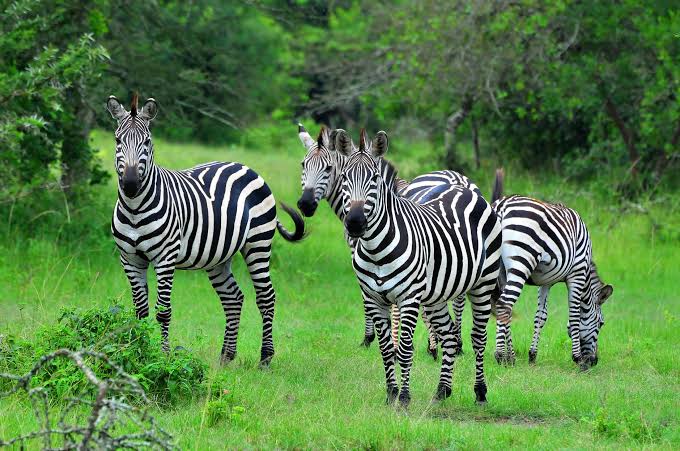
Lake Mburo is Uganda’s premier destination for zebras and impalas.
Large herds of Burchell’s zebras graze across the open plains, often alongside impalas, which are found almost exclusively in this part of Uganda. Their presence gives the park a distinctly East African safari atmosphere that differs from other Ugandan national parks.
These graceful animals are among the park’s most photographed residents.
Giraffes
Rothschild’s giraffes were successfully reintroduced to Lake Mburo National Park.
Today, the growing population has become one of the park’s major attractions. Visitors frequently observe giraffes feeding on acacia trees while moving gracefully across the savannah.
Their successful reintroduction represents an important conservation achievement.
Boat Safari on Lake Mburo
A boat cruise on Lake Mburo is one of the park’s most popular activities.
The cruise offers close views of hippos, Nile crocodiles, buffaloes, waterbirds, and numerous other species along the shoreline. African fish eagles, kingfishers, herons, pelicans, cormorants, and African finfoots are regularly observed during the excursion.
The peaceful atmosphere makes the boat safari especially enjoyable for photographers and birdwatchers.
Walking Safaris
Lake Mburo is one of the few national parks in Uganda where guided walking safaris are available.
Accompanied by armed Uganda Wildlife Authority rangers, visitors explore the savannah on foot while learning about animal behavior, tracks, plants, and smaller wildlife often overlooked during vehicle safaris.
Walking alongside zebras and giraffes creates a truly memorable safari experience.
Horseback Safaris
Horseback safaris provide a unique way to experience the park.
Because horses do not disturb wildlife as much as vehicles, visitors often enjoy exceptionally close encounters with zebras, giraffes, antelopes, and other herbivores. Riders explore scenic trails through grasslands and woodlands while enjoying uninterrupted views of the surrounding landscape.
This activity is exclusive to Lake Mburo National Park within Uganda.
Cycling Safaris
Guided cycling safaris offer another adventurous way to explore the park.
Visitors ride through designated areas accompanied by experienced guides while observing wildlife and enjoying the park’s peaceful scenery. Cycling provides a more intimate connection with nature and is particularly popular among active travelers.
The gentle terrain makes the activity accessible to many visitors.
Birdwatching
Lake Mburo National Park, Uganda, is an outstanding birdwatching destination.
More than 350 bird species have been recorded, including the rare African Finfoot, Papyrus Gonolek, Shoebill (occasionally), African Fish Eagle, Grey Crowned Crane, Saddle-billed Stork, Brown-chested Lapwing, Black-bellied Bustard, kingfishers, bee-eaters, and numerous migratory birds.
The park’s wetlands attract exceptional bird diversity throughout the year.
Best Time to Visit
Lake Mburo National Park is a year-round destination.
The relatively dry seasons from June to August and December to February generally provide better wildlife viewing because vegetation becomes shorter and animals gather around permanent water sources. During the rainy seasons, lush landscapes create beautiful scenery and excellent photographic conditions.
Morning and evening activities usually provide the highest levels of wildlife activity.
Accommodation
Accommodation ranges from luxury safari lodges overlooking the lakes to comfortable mid-range lodges, tented camps, guesthouses, and budget campsites.
Many properties offer panoramic views, excellent wildlife sightings, and convenient access to the park’s main attractions.
Visitors should reserve accommodation early during peak safari seasons.
What to Pack
Lightweight neutral-colored clothing, comfortable walking shoes, binoculars, sunscreen, insect repellent, a reusable water bottle, a hat, and a camera with a telephoto lens are highly recommended.
Visitors participating in walking or horseback safaris should also wear sturdy footwear and comfortable outdoor clothing.
Combining Lake Mburo with Other Destinations
Lake Mburo combines perfectly with many western Uganda attractions.
Popular itineraries continue to Bwindi Impenetrable National Park for gorilla trekking, Queen Elizabeth National Park for tree-climbing lions and the Kazinga Channel, Kibale National Park for chimpanzee tracking, and Murchison Falls National Park for Big Four safaris.
Its location makes the park an ideal introduction or conclusion to a Uganda safari.
Conservation and Responsible Tourism
The Uganda Wildlife Authority manages Lake Mburo National Park through conservation initiatives that protect wildlife, wetlands, forests, and surrounding communities.
Tourism revenue supports habitat restoration, anti-poaching operations, scientific research, environmental education, ranger training, and community development programs.
Responsible tourism helps preserve the park’s remarkable biodiversity for future generations.
Conclusion
Lake Mburo National Park in Uganda offers one of the country’s most enjoyable safari experiences. From walking among zebras and giraffes to peaceful boat cruises, horseback safaris, birdwatching, and scenic landscapes, the park provides an exceptional combination of wildlife and adventure within easy reach of Kampala.
Whether visited as a standalone destination or combined with gorilla trekking and Uganda’s other national parks, Lake Mburo National Park remains one of the country’s most charming and rewarding safari destinations.