
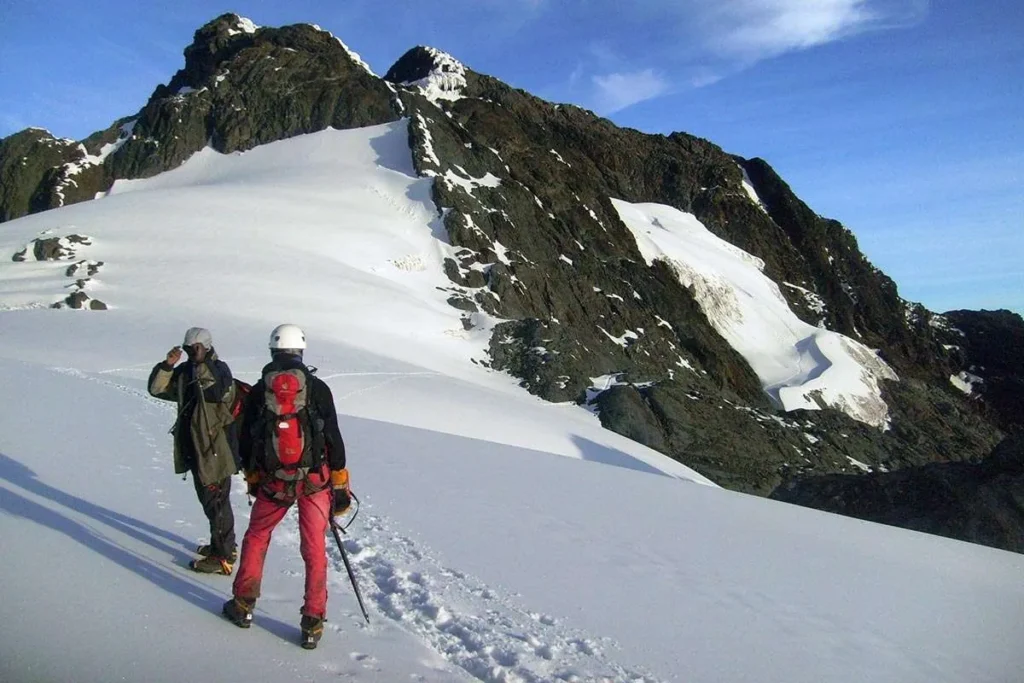
Rwenzori Mountains Climbing Uganda: Complete Guide to Africa’s Mountains of the Moon
Climbing the Rwenzori Mountains in Uganda is one of Africa’s greatest trekking adventures, offering breathtaking alpine scenery, permanent glaciers, dramatic peaks, unique vegetation, and an unforgettable mountaineering experience. Located in western Uganda along the border with the Democratic Republic of Congo, the Rwenzori Mountains National Park protects Africa’s third-highest mountain range after Mount Kilimanjaro and Mount Kenya. The range is famous for its rugged terrain, snow-capped summits, glacial valleys, waterfalls, giant lobelias, and extraordinary biodiversity.
Often called the “Mountains of the Moon,” the Rwenzori Mountains were first described by the ancient Greek geographer Ptolemy, who believed they were the source of the River Nile. Today, the mountains attract hikers and climbers from around the world seeking a challenging alternative to Africa’s more famous peaks. Unlike volcanic mountains such as Kilimanjaro, the Rwenzoris consist of ancient uplifted rock formations that create spectacular landscapes filled with rivers, bogs, cliffs, and glaciers.
Whether you are an experienced mountaineer or an adventurous trekker, climbing the Rwenzori Mountains is one of Uganda’s most rewarding outdoor experiences.
History of Rwenzori Mountains National Park
The Rwenzori Mountains have fascinated explorers for centuries.
Local communities have long regarded the mountains as sacred, while European explorers searched for them during expeditions to discover the source of the Nile. In 1906, the Italian Duke of Abruzzi led one of the earliest successful mountaineering expeditions, helping introduce the range to the international climbing community.
Rwenzori Mountains National Park was established in 1991 and later designated a UNESCO World Heritage Site because of its exceptional natural beauty and biodiversity.
Location and How to Get There
The Rwenzori Mountains are located in western Uganda near the town of Kasese.
The drive from Kampala covers approximately 370 kilometers and usually takes six to seven hours via Fort Portal or Mbarara. Scheduled domestic flights from Entebbe International Airport to Kasese Airstrip provide a quicker travel option.
Kasese serves as the main gateway for most climbing expeditions.
Why Climb the Rwenzori Mountains?
The Rwenzori Mountains climbing Uganda experience differs from any other African mountain adventure.
Instead of volcanic landscapes, climbers pass through tropical rainforest, bamboo forests, giant heather zones, alpine bogs, glacial valleys, and snow-covered peaks. The changing vegetation zones create incredible scenery while supporting rare plants found nowhere else in Africa.
The combination of technical trekking, stunning landscapes, and remarkable biodiversity makes the Rwenzoris one of the world’s most unique mountain destinations.
Margherita Peak
Margherita Peak is the highest summit in the Rwenzori Mountains.
Located on Mount Stanley, the peak rises to 5,109 meters above sea level, making it the third-highest mountain in Africa. Reaching the summit requires mountaineering equipment, glacier travel, and careful navigation across steep rock and ice sections.
Successful climbers are rewarded with spectacular panoramic views across Uganda and the Democratic Republic of Congo.
Other Peaks
The Rwenzori range contains several impressive mountains.
Besides Mount Stanley, visitors can explore Mount Speke, Mount Baker, Mount Luigi di Savoia, Mount Emin, Mount Gessi, and Mount Portal. Some of these peaks require technical climbing, while others are accessible through less demanding trekking routes.
The diversity of summits provides options for climbers with varying experience levels.
Climbing Routes
Several established routes allow visitors to explore the mountains.
The Central Circuit Trail is the traditional route to Margherita Peak and usually requires seven to nine days. The Kilembe Trail offers an alternative approach with spectacular scenery, waterfalls, valleys, and quieter trekking conditions.
Both routes are professionally guided and include mountain huts or camps for overnight accommodation.
Difficulty Level
Rwenzori climbing is physically demanding.
Although the elevations are lower than Mount Kilimanjaro, the rugged terrain, muddy trails, river crossings, steep ascents, and unpredictable weather make the expedition considerably more challenging. Good physical fitness, determination, and adequate preparation are essential for reaching the higher peaks.
Technical equipment is required for climbers attempting Margherita Peak.
Unique Vegetation
The mountain’s vegetation is unlike anywhere else in Africa.
Dense tropical rainforest gradually gives way to bamboo forests, giant heather, moss-covered trees, alpine bogs, giant groundsels, and towering lobelias. These unusual plants create an almost prehistoric landscape that has become one of the defining features of the Rwenzori Mountains.
Every elevation zone presents entirely different scenery.
Wildlife
The Rwenzori Mountains National Park supports diverse wildlife.
Visitors may encounter black-and-white colobus monkeys, blue monkeys, L’Hoest’s monkeys, forest elephants, bushbucks, duikers, giant forest hogs, hyraxes, and numerous smaller mammals. Leopards also inhabit the mountains but are rarely seen.
Although wildlife is not the primary focus of the climb, it adds to the park’s rich biodiversity.
Birdwatching
The park is also an outstanding birdwatching destination.
More than 217 bird species have been recorded, including numerous Albertine Rift endemics. Birdwatchers search for the Rwenzori turaco, handsome francolin, Archer’s robin-chat, Lagden’s bush shrike, blue-headed sunbird, golden-winged sunbird, and several unique forest species.
The varied habitats provide excellent birding opportunities throughout the trek.
Best Time for Climbing
The mountains can be climbed throughout the year.
The relatively drier periods from December to February and June to August generally provide the most favorable climbing conditions, although rainfall remains possible at any time. Weather in the Rwenzoris changes rapidly, particularly at higher elevations, making proper preparation essential.
Climbers should expect cold temperatures near the summit.
What to Pack
Proper equipment is essential for a successful expedition.
Waterproof hiking boots, layered clothing, insulated jackets, rain gear, gloves, warm hats, trekking poles, gaiters, sleeping bags, sunglasses, sunscreen, and waterproof backpacks are highly recommended. Technical climbing gear for glacier travel is normally provided by professional guiding companies where required.
Packing correctly greatly improves comfort and safety.
Accommodation
Accommodation is available both before and during the climb.
Hotels and lodges around Kasese provide comfortable accommodation before the expedition begins. During the climb, trekkers stay in mountain huts or designated camps depending on the chosen route.
Advance booking is essential, particularly during peak climbing seasons.
Combining the Rwenzori with Other Safaris
Many visitors combine Rwenzori Mountains climbing in Uganda with other western Uganda attractions.
Popular itineraries include Queen Elizabeth National Park, Kibale National Park for chimpanzee tracking, Semuliki National Park, Bwindi Impenetrable National Park for gorilla trekking, and Lake Mburo National Park.
These combinations showcase Uganda’s exceptional ecological diversity.
Conservation and Responsible Tourism
Rwenzori Mountains National Park is managed by the Uganda Wildlife Authority.
Conservation efforts focus on protecting fragile alpine ecosystems, glaciers, forests, wildlife, and local communities. Tourism revenue supports anti-poaching operations, scientific research, habitat conservation, ranger training, and sustainable community development.
Responsible climbing helps preserve this unique World Heritage Site for future generations.
Conclusion
Rwenzori Mountains climbing in Uganda offers one of Africa’s most extraordinary trekking adventures. Towering snow-capped peaks, ancient glaciers, unique alpine vegetation, remarkable biodiversity, and challenging mountain trails combine to create an unforgettable expedition unlike any other on the continent.
Whether you aim to summit Margherita Peak or simply explore the lower mountain trails, the Rwenzori Mountains provide an exceptional adventure that perfectly complements Uganda’s famous gorilla trekking and wildlife safaris.



