Kahungye Gorilla Group Rushaga Profile: History, Members, Location and Trekking
The Kahungye gorilla group Rushaga profile introduces one of the notable mountain gorilla families associated with the southern sector of Bwindi Impenetrable National Park in Uganda. Kahungye is based in the Rushaga sector, an important gorilla trekking destination in southwestern Uganda.
The family has an interesting history of growth, leadership changes, and group formation. Kahungye was once considerably larger than it is today, but changes in its social structure eventually led to the formation of another well-known gorilla family.
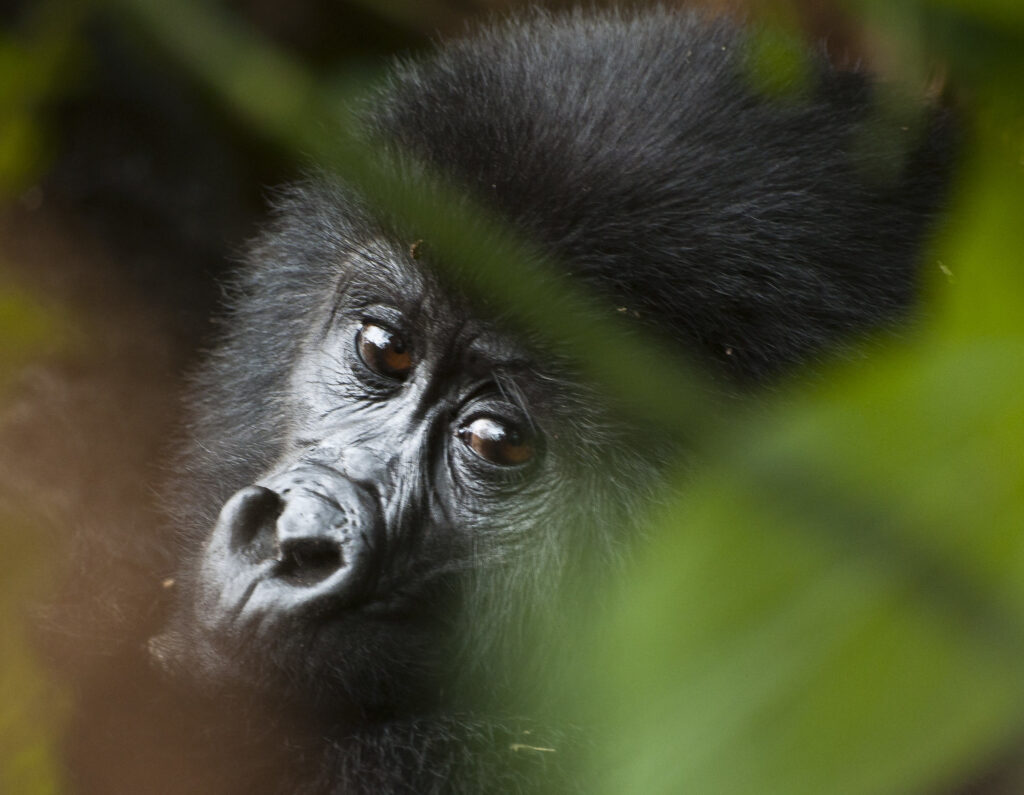
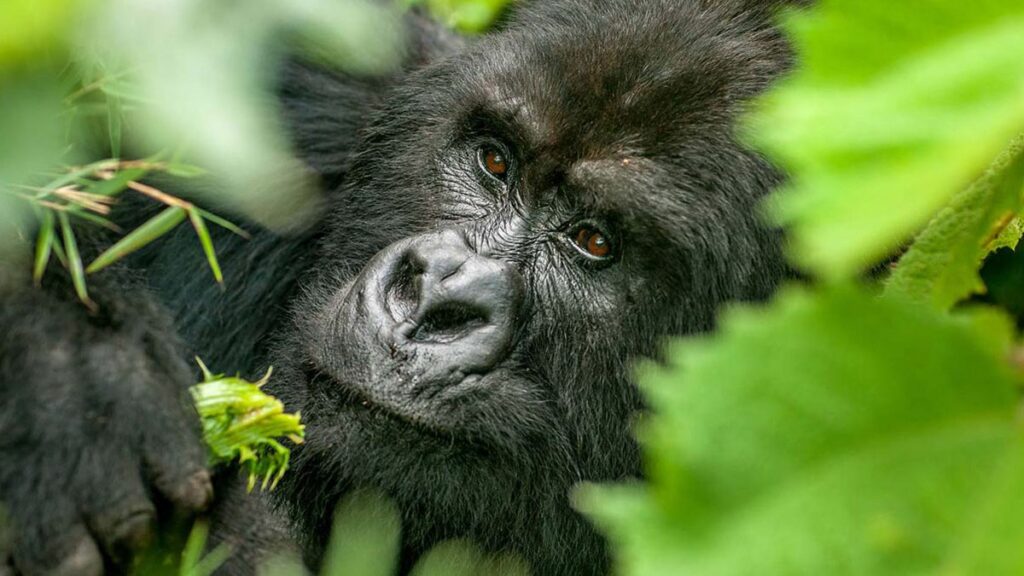
For visitors, a Kahungye trek offers an opportunity to observe mountain gorillas in their natural rainforest habitat. Depending on the day, travelers may see silverbacks, adult females, juveniles, and infants feeding, resting, grooming, playing, and communicating.
Because gorilla families are dynamic, their membership and status can change. Travelers should confirm current information with the Uganda Wildlife Authority or a reputable local tour operator before booking.
Where Is the Kahungye Gorilla Group Located?
The Kahungye gorilla group is associated with the Rushaga sector of Bwindi Impenetrable National Park.
Rushaga is located in the southern part of Bwindi and is one of Uganda’s established gorilla trekking areas.
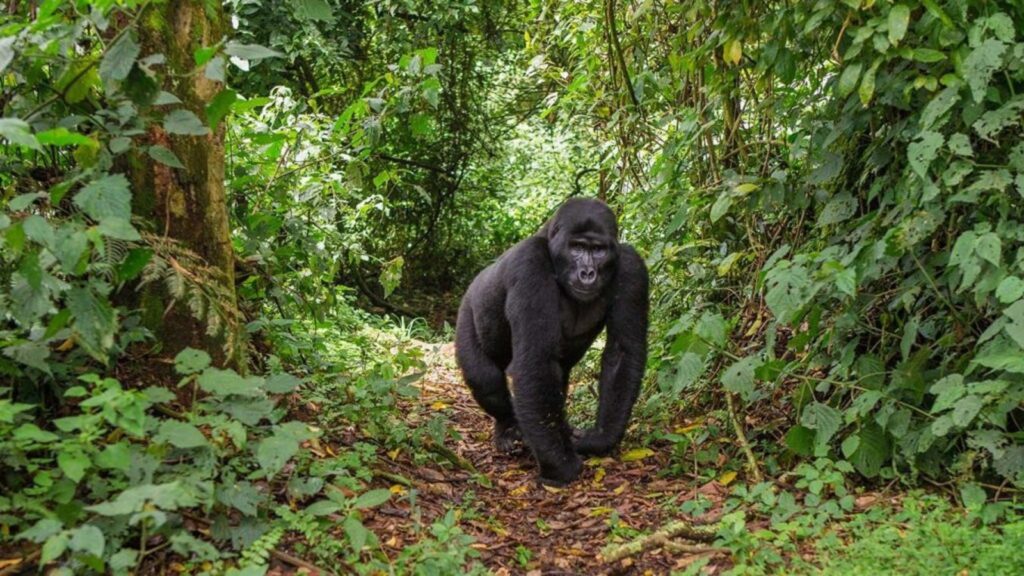
The sector contains dense montane rainforest, steep hills, valleys, and rich vegetation that provides habitat for mountain gorillas.
Visitors trekking in Rushaga normally report to the designated trekking headquarters for registration and briefing before entering the forest.
The gorillas do not remain in one fixed location. Their movements depend on feeding, resting, social activities, and other natural behaviors.
History of the Kahungye Gorilla Group
Kahungye has an important history within southern Bwindi’s gorilla tourism program.
The family was habituated to tourism and became one of the recognizable groups in the Rushaga area.
At one point, Kahungye contained a large number of gorillas and several silverbacks.
Its size and social structure eventually changed significantly when one of the silverbacks and a number of other members separated from the original family.
This separation resulted in the formation of the Busingye gorilla group, which became another habituated family in the Rushaga sector.
The history of Kahungye therefore provides an excellent example of how mountain gorilla groups naturally divide and develop into new social units.
The Kahungye and Busingye Connection
The relationship between Kahungye and Busingye is one of the most interesting parts of the family’s history.
Busingye emerged after a split from the larger Kahungye family.
The separation demonstrates that gorilla groups are not permanent social structures.
Changes in leadership, competition among males, reproductive relationships, and other social factors can contribute to the formation of new groups.
Today, Kahungye and Busingye are recognized as separate gorilla families, even though they share part of their historical background.
This history makes Rushaga particularly interesting for visitors who want to learn about gorilla social organization.
What Does the Name Kahungye Mean?
Kahungye is the name used to identify the gorilla family associated with the Rushaga area.
Gorilla families in Bwindi receive distinctive names that help guides, researchers, conservationists, and visitors identify different groups.
The names may relate to geographical locations, vegetation, individuals, physical features, or other circumstances associated with a family’s history.
Kahungye Gorilla Group Leadership
Leadership is an important part of Kahungye’s social organization.
Mountain gorilla families usually contain one or more mature males, including silverbacks.
The dominant silverback often plays an important role in protecting the family and maintaining social order.
He may also influence group movements, respond to threats, and intervene during conflicts.
Leadership can change naturally as males age, die, become less dominant, or as younger males become mature.
Kahungye’s history of leadership changes has contributed to the family’s evolving social structure.
The Famous Silverbacks of Kahungye
Kahungye has been associated with several silverbacks throughout its history.
One of the most notable was Rwiigi, who became an important silverback within the family.
The group historically contained several mature males, creating a complex social structure in which different silverbacks could play different roles.
Changes among these males contributed to the development of new social arrangements.
For visitors, observing the interactions between silverbacks and other members can provide insight into the complex hierarchy of mountain gorilla families.
Kahungye Gorilla Group Members
The composition of Kahungye changes naturally over time.
The family may include silverbacks, blackbacks, adult females, juveniles, and infants.
Births increase the number of young members, while deaths and transfers can reduce or redistribute the family.
Young males may eventually leave their natal group as they mature.
Females may also transfer between families.
For this reason, historical lists of Kahungye members may differ from the current family composition.
Travelers should confirm the latest information before their trek.
Kahungye Silverbacks and Blackbacks
Silverbacks are mature male gorillas recognized by the silver-colored hair across their backs and shoulders.
Blackbacks are younger males that have not yet developed this distinctive adult coloration.
During a Kahungye trek, visitors may observe males at different stages of development.
Young males often engage in play, wrestling, chasing, and other physical activities.
These interactions help them develop strength and social skills.
As they mature, some males may eventually leave the group and establish new social units.
Kahungye Adult Females
Adult females are an important part of the Kahungye family.
They contribute to reproduction and provide care for infants and younger gorillas.
Visitors may observe females feeding, resting, grooming, carrying infants, or interacting with other members.
Female gorillas can transfer between groups during their lives.
Such movement contributes to genetic exchange between different mountain gorilla families.
Kahungye Infants and Juveniles
Young gorillas can make a Kahungye encounter particularly memorable.
Infants remain close to their mothers during their early development.
As they grow, juveniles become increasingly active and independent.
They may climb vegetation, chase one another, wrestle, and imitate adult behaviors.
Play helps young gorillas develop physical coordination and social skills.
Visitors should observe them quietly and avoid attempting to attract their attention.
How Large Is the Kahungye Gorilla Group?
Kahungye was historically known as a relatively large gorilla family.
The group reportedly once contained more than two dozen individuals before the formation of Busingye significantly reduced its size.
Its current membership can change through births, deaths, transfers, and other social developments.
Therefore, an old figure should not be presented as the group’s permanent size.
Travelers seeking the current number of Kahungye gorillas should confirm updated information before their visit.
Is Kahungye Open for Gorilla Trekking?
Kahungye has historically been one of the habituated families associated with the Rushaga sector.
Its tourism status and allocation arrangements are managed by the relevant wildlife authorities.
Visitors should confirm current availability before booking because gorilla tourism operations can change according to conservation and management requirements.
Can You Request the Kahungye Gorilla Group?
Travelers can express a preference for Kahungye through their tour operator.
However, requesting a particular gorilla family does not guarantee assignment.
Wildlife authorities manage gorilla family allocation according to availability, conservation considerations, visitor distribution, and operational requirements.
If Kahungye is your preferred family, communicate your request before your permit is finalized.
Kahungye Gorilla Trekking Experience
A Kahungye trek normally begins at the Rushaga trekking headquarters.
Visitors register and attend a briefing before entering the forest.
The briefing explains gorilla trekking rules, safety procedures, conservation practices, and appropriate behavior around the animals.
Guides and trackers then lead visitors into the rainforest.
The distance to the family depends on where the gorillas are located on the day of the trek.
Because the animals move naturally, every Kahungye trekking experience can be different.
How Difficult Is a Kahungye Gorilla Trek?
The difficulty varies according to the location of the gorillas and the weather.
Rushaga contains mountainous terrain, steep slopes, dense vegetation, uneven ground, and muddy trails.
Rain can make the forest floor slippery.
Travelers should prepare physically before the trek by walking regularly and, where possible, hiking on uneven terrain.
Hiring a porter can also provide valuable support during difficult sections.
How Long Does a Kahungye Trek Take?
There is no fixed duration for a Kahungye trek.
The hiking time depends on how far the gorillas have moved from the trekking headquarters.
Some encounters may require a relatively short hike, while others can involve several hours of walking.
Once the family is located, visitors spend a regulated period observing the gorillas.
The group then returns through the forest.
Best Time to Trek Kahungye
Gorilla trekking takes place throughout the year.
Many visitors prefer the relatively drier seasons because trails can be easier to navigate.
However, Bwindi is a rainforest, so rainfall can occur during any month.
Wet periods can produce muddy trails but also create lush vegetation and beautiful forest scenery.
The best time depends on your budget, weather preferences, accommodation availability, and wider Uganda safari plans.
What Makes Kahungye Special?
Kahungye is particularly interesting because of its history of social change.
The family’s former large size and subsequent split that contributed to the formation of Busingye provide an excellent example of gorilla group dynamics.
The family also offers visitors the chance to observe several age and social categories within a natural mountain gorilla family.
For travelers interested in animal behavior, Kahungye provides more than a wildlife encounter. It also offers an opportunity to understand how complex gorilla societies develop and change.
Kahungye and Gorilla Conservation
Gorilla tourism contributes to the conservation of mountain gorillas and their habitat.
Permit revenue supports protected-area management and conservation activities.
Tourism also creates employment for guides, trackers, rangers, porters, drivers, lodge workers, and other local residents.
These economic opportunities strengthen the connection between local communities and gorilla conservation.
Responsible tourism therefore contributes to protecting Kahungye and the wider Bwindi ecosystem.
Kahungye and Local Communities
Communities around Rushaga benefit from gorilla tourism through employment and tourism-related businesses.
Visitors spend money on accommodation, food, transportation, guiding, crafts, cultural experiences, and porter services.
Hiring a local porter provides direct economic support while making the trek easier.
Travelers can also support reputable local businesses and community tourism activities.
These choices help spread the benefits of tourism beyond the protected area.
Kahungye Trekking Rules
Visitors must follow the instructions provided during the pre-trekking briefing.
Maintain the required distance from the gorillas.
Never touch or feed the animals.
Keep voices low and avoid sudden movements.
Do not use flash photography.
Visitors showing signs of potentially infectious illness should not enter the gorilla habitat.
These rules protect both gorillas and visitors.
Can You Photograph Kahungye Gorillas?
Photography is permitted during authorized encounters.
Visitors should avoid flash photography.
Do not move closer to the gorillas simply to obtain a better photograph.
A camera with a suitable zoom lens can help capture detailed images while maintaining an appropriate distance.
Always follow the guide’s instructions during photography.
Kahungye and Gorilla Habituation
Habituation is the gradual process through which wild gorillas become accustomed to controlled human presence.
Kahungye underwent habituation before becoming available for tourism.
The process requires careful monitoring and can take considerable time.
Habituated gorillas remain wild animals.
They are not domesticated and can respond differently to environmental conditions and social situations.
Visitors should therefore respect their space throughout the encounter.
Kahungye Compared With Busingye Gorilla Group
Kahungye and Busingye share an important historical connection.
Busingye developed after a split from the larger Kahungye family.
Today, the two are separate gorilla families associated with the Rushaga sector.
Kahungye’s history makes it particularly useful for understanding how mountain gorilla groups can divide and establish new social units.
Both families can provide rewarding trekking experiences, but their current membership and behavior may differ.
Kahungye Compared With Other Rushaga Gorilla Groups
Rushaga is home to several habituated gorilla families.
Each group has its own history, leadership structure, membership, and social dynamics.
Kahungye is particularly notable because of its large historical size and connection with the formation of Busingye.
Other Rushaga families may offer different types of encounters.
No group can guarantee a particular experience because gorilla behavior changes naturally from day to day.
Can Children Trek Kahungye?
Gorilla trekking is subject to a minimum age requirement established by wildlife authorities.
Travelers should confirm the current requirement before booking.
Children who meet the official age requirement should also be physically prepared for the demanding forest terrain.
Parents should discuss the trek’s physical requirements with their tour operator before confirming the safari.
Hiring a Porter for a Kahungye Trek
Hiring a porter can make the trek easier.
Porters can carry backpacks, water, cameras, and other belongings.
They can also provide assistance on steep and slippery trails.
Porter services provide direct economic opportunities for people living around Bwindi.
Agree on the porter fee before beginning the trek.
What Should You Pack for Kahungye Trekking?
Prepare for wet, muddy, and mountainous rainforest conditions.
Wear sturdy hiking boots with good grip.
Long trousers and long-sleeved clothing can protect your skin from vegetation and insects.
Carry a waterproof jacket, drinking water, a small backpack, and camera equipment.
Protect cameras and electronic devices from rain.
Gardening gloves can also be useful when moving through dense vegetation.
When Should You Arrive at the Rushaga Headquarters?
Arrive at the designated Rushaga trekking headquarters early enough for registration and briefing.
Your tour operator should provide the exact reporting time.
Arriving early gives you time to organize your equipment and meet your guide and trekking team.
It also helps prevent delays before entering the forest.
Kahungye Gorilla Trekking Cost
The cost of a Kahungye trek depends on the current gorilla permit price and the other components of your safari.
Travelers should budget for accommodation, transportation, meals, porter services, and additional activities.
The gorilla permit is the main mandatory cost for the trekking experience.
Because permit prices and tourism charges can change, confirm current rates before booking.
A complete safari quotation provides a clearer estimate of your total travel expenses.
How to Book a Kahungye Gorilla Trek
Begin by selecting your preferred travel dates.
Ask a reputable tour operator to check permit availability in the Rushaga sector.
If you prefer Kahungye, communicate your request before the permit is secured.
Remember that requesting a particular family does not guarantee assignment.
Once your permit is confirmed, arrange accommodation, transportation, and other activities around the trekking date.
Frequently Asked Questions
Where is the Kahungye gorilla group?
Kahungye is associated with the Rushaga sector in the southern part of Bwindi Impenetrable National Park in southwestern Uganda.
What is Kahungye known for?
Kahungye is particularly known for its large historical size and its connection with the formation of the Busingye gorilla group.
How did Busingye separate from Kahungye?
Busingye developed after a number of gorillas separated from the larger Kahungye family, forming a new social group.
How many gorillas were historically in Kahungye?
Kahungye was once a large family containing more than two dozen individuals. Its membership later changed significantly following the formation of Busingye.
Can I choose Kahungye for my trek?
You can request Kahungye, but final gorilla family allocation is controlled by the relevant wildlife authorities and cannot be guaranteed.
Is Kahungye habituated?
Yes. The family underwent habituation for controlled human observation and tourism.
How difficult is a Kahungye trek?
The difficulty varies according to the location of the gorillas and weather conditions. Rushaga has steep and sometimes muddy terrain.
How long does Kahungye trekking take?
There is no fixed duration. Hiking time depends on where the gorillas are located on the trekking day.
Can I photograph Kahungye gorillas?
Yes. Photography is permitted during authorized encounters, but visitors should avoid flash photography.
Can I touch a Kahungye gorilla?
No. Visitors should never intentionally touch the gorillas.
Should I hire a porter?
A porter can make the trek easier while providing direct economic support to communities around Bwindi.
Can I trek Kahungye if I am sick?
Visitors showing signs of potentially infectious illness should not enter the gorilla habitat. Inform your tour operator and follow current health procedures.
Conclusion
The Kahungye gorilla group Rushaga profile highlights a mountain gorilla family with an especially interesting history in Uganda’s southern Bwindi tourism sector.
Kahungye is notable for its historically large membership and its connection with the formation of the Busingye gorilla group. This social split demonstrates how mountain gorilla families naturally change as individuals mature, leadership develops, and social relationships evolve.
Today, a Kahungye trek offers travelers an opportunity to observe mountain gorillas in the rainforest while contributing to conservation and local livelihoods.
Travelers planning a visit should book their permits early, communicate their preferred family to their tour operator, prepare for the challenging terrain, and consider hiring a local porter.
Most importantly, visitors should respect the gorillas as wild animals. Maintain the required distance, follow your guide’s instructions, avoid disturbing the animals, and protect the forest environment.
Responsible gorilla tourism can help ensure that Kahungye, Busingye, and the wider mountain gorilla population of Bwindi remain protected for future generations.