Gorilla Families for Beginners.
Gorillas are among the most social and family-oriented animals in the world. Unlike many wildlife species that live alone or in loose groups, gorillas spend their lives in closely bonded family units led by a dominant male known as a silverback. These families provide protection, companionship, learning opportunities, and stability for every member of the group.
For anyone planning a gorilla trekking safari or simply interested in wildlife, understanding gorilla family structure helps explain many of the behaviors observed in the wild. From caring mothers and playful infants to protective silverbacks and curious juveniles, every member plays an important role in the group’s survival.
Whether you encounter mountain gorillas in Uganda and Rwanda or eastern lowland gorillas in the Democratic Republic of Congo, the basic family structure remains remarkably similar.
What Is a Gorilla Family?
A gorilla family, often called a troop or group, consists of several gorillas living together under the leadership of a dominant silverback.
The group usually includes adult females, their offspring, juveniles, and sometimes younger adult males. Members spend most of their lives together, moving through forests, feeding, resting, and raising young as a cohesive social unit.
Unlike solitary animals, gorillas depend heavily on their family group for protection and social interaction. Strong relationships within the group help maintain harmony and improve survival chances.
The Silverback: Leader of the Family
Who Is the Silverback?
The silverback is the dominant adult male gorilla within the family. He earns his name from the distinctive patch of silver hair that develops across his back as he reaches maturity, usually around 12 years of age.
A fully grown silverback can weigh more than 180 kilograms and possesses immense strength. Despite his intimidating appearance, he spends much of his time calmly supervising the group.
Responsibilities of the Silverback
The silverback serves as protector, decision-maker, and leader.
He determines where the family travels, where it feeds, and when it rests. If danger approaches, he places himself between the threat and the rest of the group.
The silverback also resolves conflicts within the family and helps maintain social stability. His leadership creates the safe environment needed for infants and juveniles to develop successfully.
Adult Females: The Heart of the Family
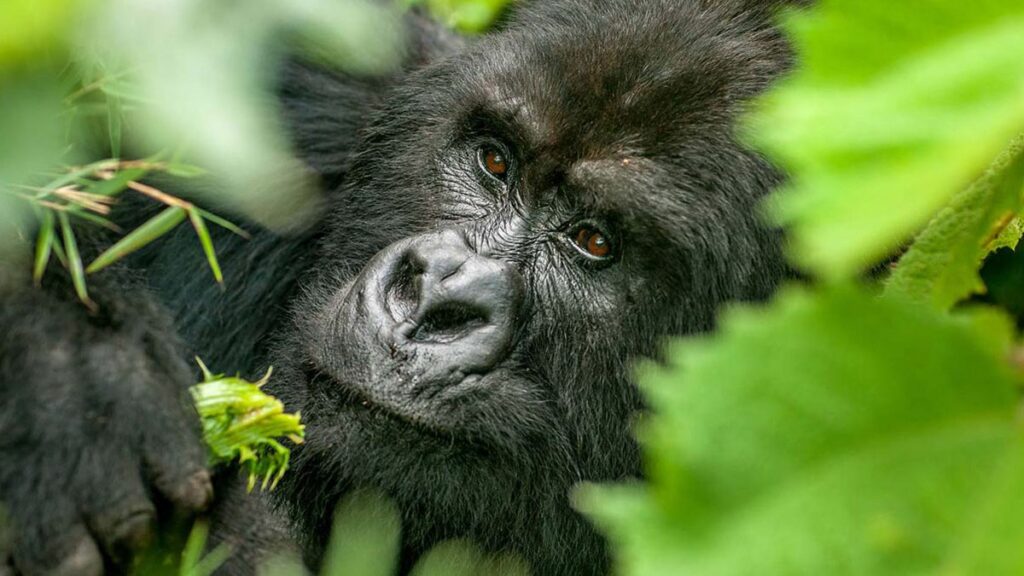
Adult females play a central role in gorilla society.
They spend most of their time caring for infants, feeding, and maintaining social bonds with other group members. Female gorillas form strong relationships with their offspring and often remain deeply involved in their development for many years.
While the silverback provides protection, mothers handle the daily care and teaching of young gorillas.
Adult females also contribute to group harmony through grooming and social interactions that strengthen relationships within the family.
Infant Gorillas: The Youngest Family Members
Birth and Early Life
Infant gorillas enter the world completely dependent on their mothers.
At birth, they weigh only a small fraction of an adult gorilla’s size and rely on constant care for survival. During the first months of life, they spend nearly all their time clinging to their mother’s chest.
The mother provides warmth, nourishment, and protection while teaching the infant essential survival skills.
Learning Through Observation
Young gorillas learn by watching older family members.
They observe feeding habits, communication methods, social interactions, and movement through the forest. This learning process continues throughout childhood and adolescence.
The close-knit family environment provides the ideal setting for development.
Juvenile Gorillas: The Playful Learners
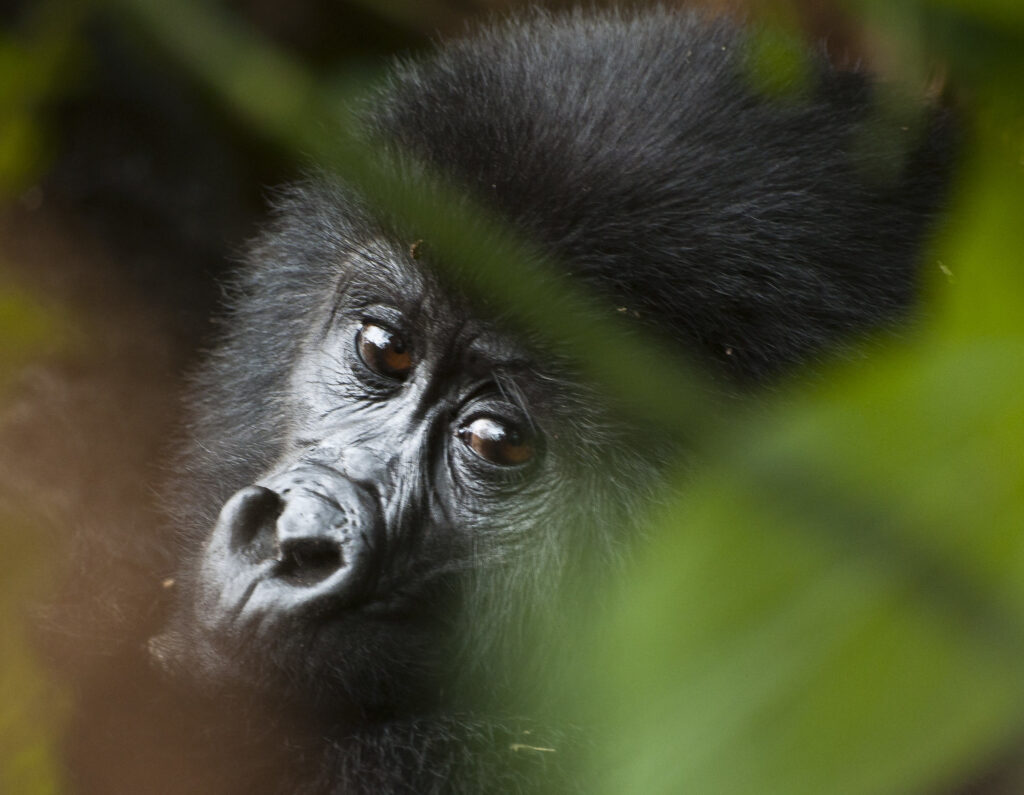
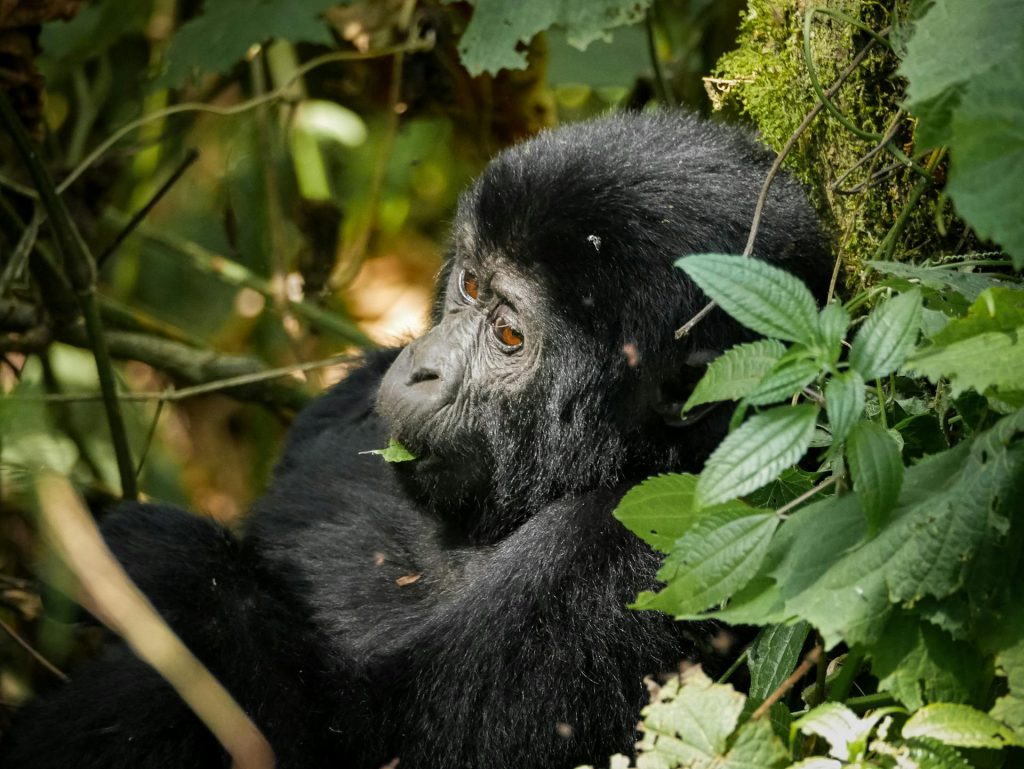
Juveniles represent the most playful members of the family.
They spend hours climbing trees, wrestling, chasing one another, and exploring their surroundings. While these activities appear playful, they serve important developmental purposes.
Through play, juveniles strengthen muscles, improve coordination, and learn social skills needed later in life.
Play also helps build friendships and establish relationships within the group.
Visitors on gorilla treks often find juvenile gorillas among the most entertaining animals to observe.
How Gorilla Families Stay Together
Communication
Gorillas communicate constantly through vocalizations, body language, facial expressions, and physical contact.
Soft grunts help maintain contact during feeding and movement. Loud calls may signal alarm or attract attention.
Body posture and gestures communicate emotions, intentions, and social status.
These communication methods allow group members to coordinate activities and maintain strong social bonds.
Grooming
Grooming plays an important role in family life.
Although gorillas groom less frequently than chimpanzees, they still use grooming to strengthen relationships and reduce social tension.
Mothers groom infants, juveniles groom one another, and adult females often groom close companions.
These interactions help maintain trust and cohesion within the family.
Daily Life of a Gorilla Family
A typical day begins shortly after sunrise.
The family starts feeding and gradually moves through the forest in search of vegetation, fruit, shoots, and other food sources. Feeding occupies a large portion of the day.
During midday, the group often rests. Adults relax while juveniles continue playing nearby.
In the evening, each gorilla builds a nest from leaves and branches. These nests serve as sleeping areas for the night.
The cycle repeats daily, creating a predictable and stable routine.
How Gorilla Families Protect Their Young
Infants and juveniles benefit from multiple layers of protection.
The mother remains the primary caregiver, constantly monitoring her offspring and responding to their needs.
The silverback provides broader protection by defending the entire group against threats. If danger approaches, he positions himself between the threat and vulnerable family members.
Other gorillas also contribute by maintaining a cooperative social environment where young individuals can develop safely.
What Happens When Young Gorillas Grow Up?
Female Gorillas
As females mature, they may remain with their birth group for a period before eventually joining another family.
This movement helps maintain genetic diversity within gorilla populations.
Male Gorillas
Young males eventually leave their birth group as they approach adulthood.
Some spend years living alone, while others form bachelor groups with other males. Over time, a mature male may establish his own family group and become a silverback.
This process ensures the continuation of gorilla populations across generations.
Differences Between Gorilla Families and Human Families
Gorilla families share many similarities with human families.
Both involve parental care, long childhood development, emotional bonds, social learning, and cooperation among family members.
However, gorilla families center around a single dominant silverback, whereas human family structures vary significantly.
Despite these differences, many visitors notice surprisingly familiar behaviors when observing gorilla families in the wild.
Why Gorilla Families Fascinate Visitors
Gorilla trekking often leaves visitors deeply moved because gorilla family interactions feel relatable.
Watching a mother comfort her infant, siblings play together, or a silverback quietly monitor the group reveals emotional depth and social intelligence.
These moments help people understand how closely related gorillas are to humans and why their conservation matters.
The strong family bonds observed in gorilla groups remain one of the most memorable aspects of any gorilla encounter.
Conclusion
Gorilla families form the foundation of gorilla society. Led by a protective silverback and supported by caring mothers, these groups provide the security and social structure needed for survival.
From newborn infants to growing juveniles and mature adults, every family member contributes to the group’s success. Through communication, grooming, play, and cooperation, gorillas maintain some of the strongest social bonds found in the animal kingdom.
Understanding gorilla families allows visitors and wildlife enthusiasts to appreciate the intelligence, emotional complexity, and remarkable social organization that make gorillas one of the world’s most fascinating species.