GPS Collar Gorilla Tracking Research: Understanding Wildlife Tracking Technologies in Gorilla Conservation
Wildlife researchers use many technologies to better understand animal behavior, habitat use, and ecosystem health. GPS collars have become an important research tool for studying numerous wildlife species, including elephants, lions, wolves, and other large mammals. However, when discussing GPS collar gorilla tracking research, it is important to understand that mountain gorilla conservation relies primarily on direct field monitoring, ranger observations, nest surveys, camera traps, genetic studies, and GPS mapping of habitats rather than routinely fitting mountain gorillas with GPS collars.
The health and welfare of mountain gorillas remain the highest priorities for conservation organizations. Researchers carefully evaluate every scientific method to ensure that it supports conservation without causing unnecessary stress to these endangered great apes. Understanding how GPS technology contributes to gorilla research helps visitors appreciate both the scientific innovation and ethical standards behind modern conservation.
What Is GPS Collar Tracking?
A GPS collar is a tracking device placed around an animal’s neck to record its location at regular intervals. The collar communicates with satellites to determine precise geographic coordinates, allowing researchers to study movement patterns over time.
GPS collars have transformed wildlife research by helping scientists understand migration routes, home ranges, habitat preferences, and seasonal movements. For many animal species, this information supports conservation planning and habitat management.
When discussing GPS collar gorilla tracking research, however, the conversation often focuses on why researchers generally use alternative methods for mountain gorillas.
Why Mountain Gorillas Are Usually Not Fitted with GPS Collars
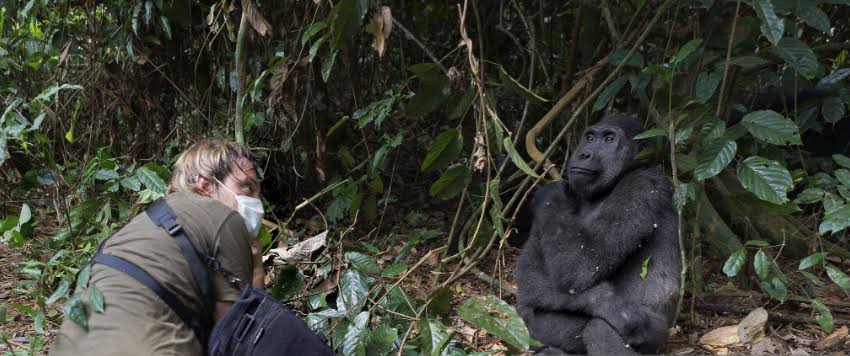
Mountain gorillas differ from many other wildlife species because conservation programs already monitor habituated gorilla families closely through trained ranger guides and researchers.
Daily monitoring provides detailed information about gorilla movements, health, family composition, and behavior without requiring GPS collars. Researchers also consider the physical welfare of individual animals before introducing any research equipment.
For these reasons, GPS collar gorilla tracking research generally refers to evaluating tracking technologies and understanding why non-invasive monitoring techniques remain the preferred approach for mountain gorillas.
Protecting animal welfare guides every conservation decision.
Alternative Tracking Methods Used in Gorilla Research
Instead of relying on collars, conservation teams use several well-established monitoring techniques that provide reliable scientific information.
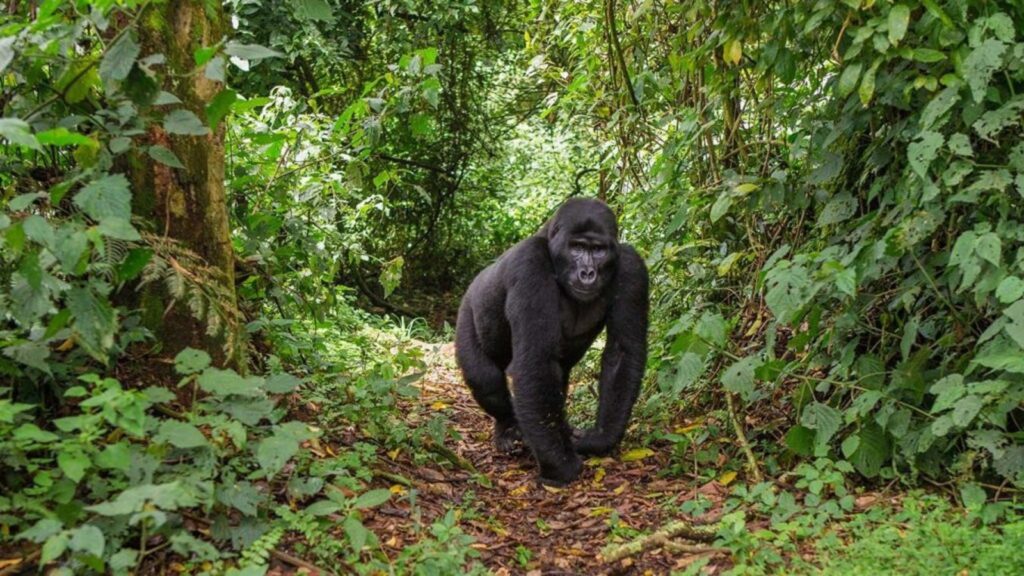
Experienced trackers follow gorilla groups through forest trails, researchers record GPS coordinates of gorilla locations, veterinarians conduct regular health observations, and conservation teams maintain detailed field records. Camera traps, satellite imagery, and habitat mapping further strengthen scientific research.
These combined methods allow conservation organizations to monitor gorilla populations effectively while minimizing direct interference.
This integrated approach forms the foundation of modern GPS collar gorilla tracking research discussions.
GPS Mapping Without Collars
GPS technology still plays an important role in gorilla conservation even when collars are not used.
Researchers carry handheld GPS devices to record gorilla nesting sites, feeding locations, movement routes, patrol paths, and habitat boundaries. These data help create detailed maps that support ecological research and conservation planning.
Using GPS mapping instead of animal-mounted collars allows scientists to gather valuable spatial information while maintaining a non-invasive approach.
This method has become one of the most effective applications related to GPS collar gorilla tracking research.
Supporting Habitat Conservation
Understanding where gorillas live remains essential for protecting their long-term survival.
GPS mapping helps researchers identify critical habitats, monitor forest changes, assess habitat connectivity, and evaluate environmental pressures. Conservation managers use these data to prioritize habitat protection and guide long-term planning.
Accurate geographic information supports evidence-based conservation while strengthening management decisions across protected areas.
Technology contributes to habitat protection without disturbing wildlife.
Combining GPS with Other Conservation Technologies
Modern gorilla conservation increasingly combines multiple technologies to improve scientific understanding.
Researchers integrate GPS mapping with camera traps, satellite imagery, geographic information systems (GIS), artificial intelligence, acoustic monitoring, and field observations. Together, these tools create a comprehensive picture of gorilla habitats and ecosystem health.
The combination of these technologies provides far more information than any single method could produce on its own.
This multidisciplinary approach continues to advance GPS collar gorilla tracking research.
Ethical Considerations in Wildlife Research
Every wildlife research project must balance scientific objectives with animal welfare.
Conservation organizations carefully evaluate whether any research technique could affect natural behavior, social relationships, or physical health. Because mountain gorillas are critically important from a conservation perspective, researchers generally favor methods that minimize direct interaction whenever possible.
Ethical decision-making remains central to every aspect of GPS collar gorilla tracking research, ensuring that conservation benefits always outweigh potential risks.
Responsible science protects both wildlife and research integrity.
How GPS Data Helps Conservation Managers
Location data collected during field monitoring allows conservation managers to make informed decisions about protecting gorilla habitats.
Researchers analyze movement records, nesting locations, vegetation changes, and patrol coverage to identify conservation priorities. These findings support ranger deployment, ecological research, tourism management, and habitat restoration initiatives.
Reliable geographic information strengthens long-term planning while improving conservation effectiveness.
Accurate data leads to better conservation outcomes.
The Future of Tracking Technology
Wildlife monitoring technologies continue to evolve rapidly.
Future innovations may include improved satellite mapping, lightweight environmental sensors, artificial intelligence-assisted data analysis, advanced camera systems, and enhanced remote monitoring techniques. These developments could further improve conservation research while maintaining high standards of animal welfare.
Rather than increasing the use of collars, future GPS collar gorilla tracking research may focus on expanding non-invasive technologies that collect accurate information without directly affecting gorillas.
Innovation continues to support conservation.
Responsible Tourism and Scientific Research
Visitors play an important role in supporting gorilla conservation through responsible tourism.
Permit fees contribute to research, habitat protection, ranger patrols, veterinary programs, and community development initiatives. Travelers who follow park regulations also help researchers maintain natural gorilla behavior by minimizing unnecessary disturbance.
Every responsible gorilla trekking experience contributes indirectly to ongoing scientific research and long-term conservation success.
Conclusion
GPS collar gorilla tracking research highlights the importance of modern technology in wildlife conservation while demonstrating why mountain gorilla researchers generally rely on alternative monitoring methods. Rather than routinely fitting gorillas with GPS collars, conservation organizations combine GPS habitat mapping, field observations, camera traps, satellite imagery, artificial intelligence, and scientific research to monitor gorilla populations effectively and ethically.
As conservation technology continues to advance, researchers will gain even better tools for protecting mountain gorillas while maintaining the highest standards of animal welfare. This balanced approach ensures that scientific progress supports both conservation goals and the long-term survival of one of the world’s most extraordinary wildlife species.