Camera Trap Gorilla Research Uganda: How Camera Traps Support Mountain Gorilla Conservation
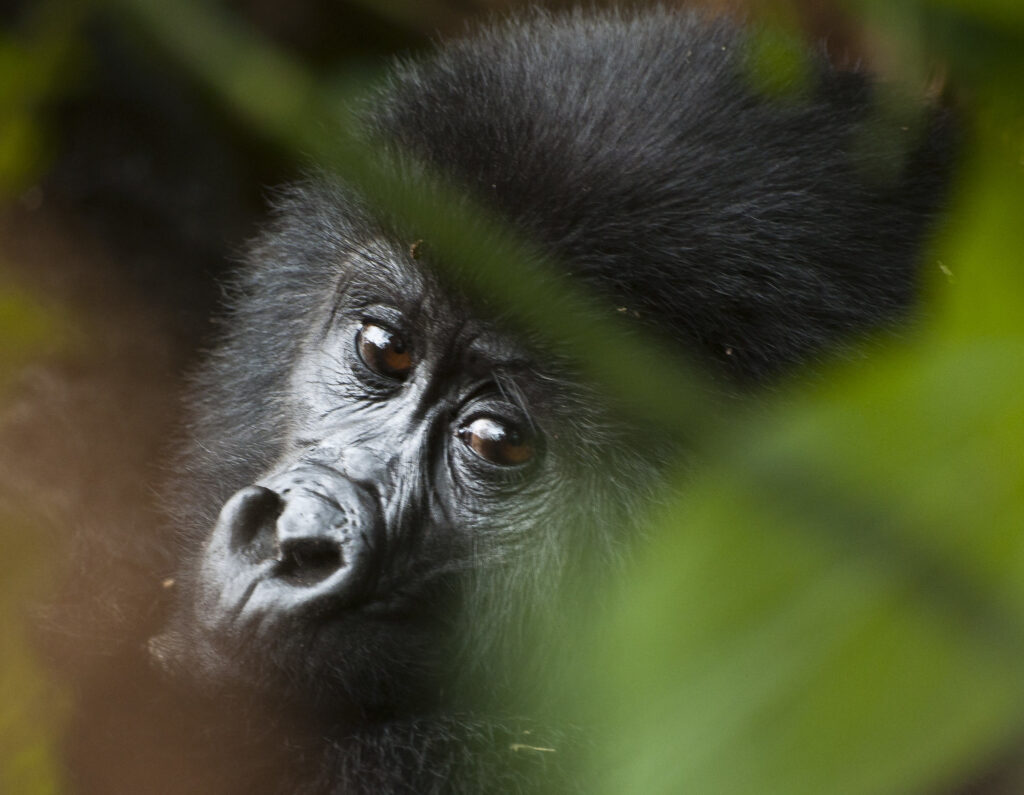
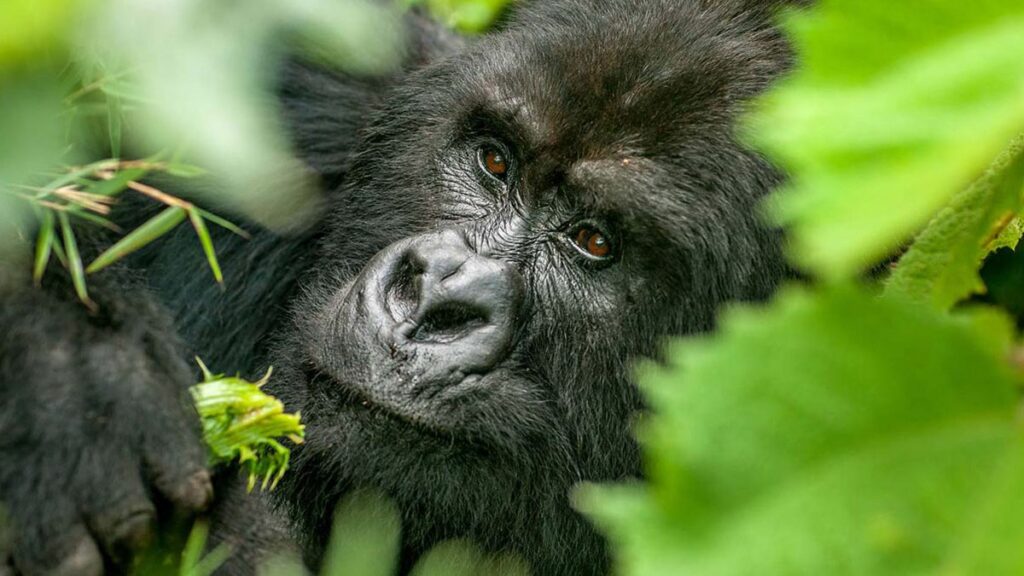
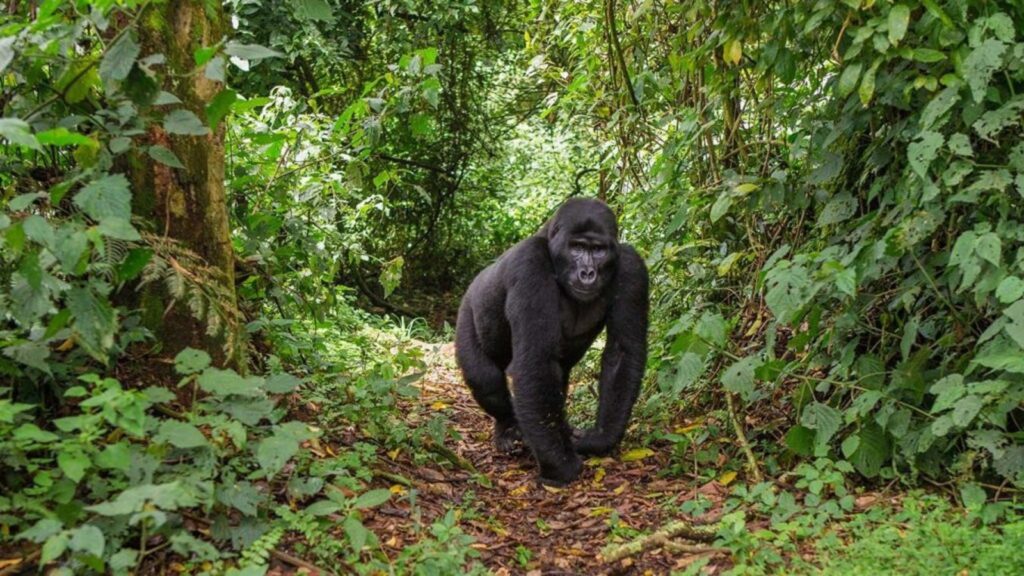
Uganda is home to more than half of the world’s remaining mountain gorillas, making the country one of the most important destinations for gorilla conservation and scientific research. Bwindi Impenetrable National Park and Mgahinga Gorilla National Park not only attract thousands of tourists each year but also serve as living laboratories where researchers study wildlife behavior, biodiversity, and ecosystem health. Among the many technologies supporting these efforts, camera traps have become one of the most valuable research tools. Today, camera trap gorilla research Uganda plays an important role in monitoring wildlife while minimizing human disturbance.
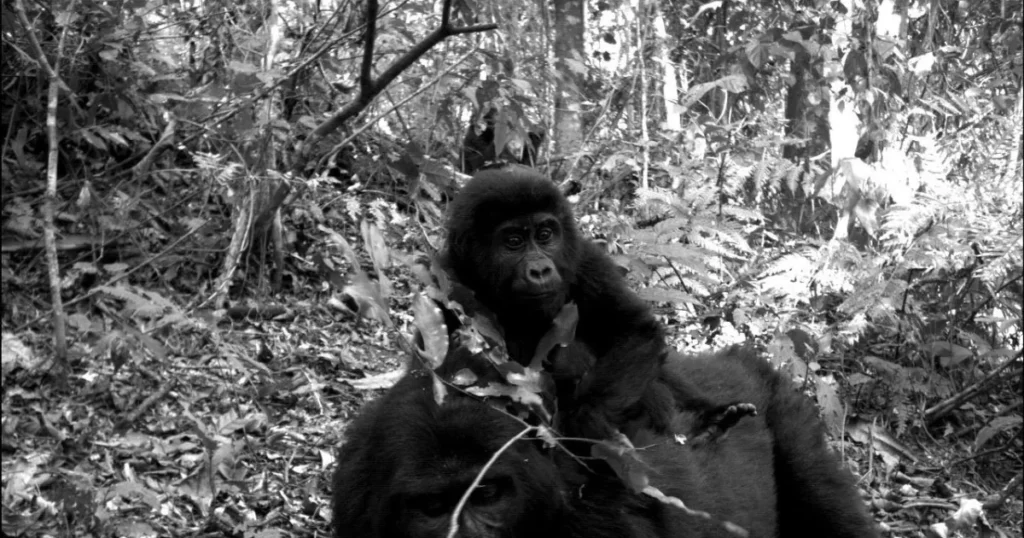
Camera traps allow researchers to collect information continuously without remaining physically present in the forest. These devices capture photographs and videos of wildlife whenever movement triggers their sensors, providing valuable insights into species that often remain difficult to observe directly. Combined with field surveys and ranger patrols, camera trap research strengthens Uganda’s long-term conservation programs.
Understaresearch in inw camera traps contributes to gorilla conservation and helps visitors appreciate the scientific work that protects these remarkable animals.
What Are Camera Traps?
Camera traps are weather-resistant cameras equipped with motion and heat sensors that automatically record photographs or videos when animals pass nearby.
Researchers place these cameras along wildlife trails, forest clearings, feeding areas, or natural movement corridors where animals frequently travel. Because camera traps operate day and night, they collect information without requiring researchers to remain on site continuously.
The growing importance of camera trap gorilla research in Uganda comes from the ability to observe wildlife naturally while reducing direct human interaction with sensitive habitats.
This non-invasive approach supports ethical wildlife research.
Why Camera Traps Are Valuable for Gorilla Research
Mountain gorillas live in dense tropical forests where visibility is often limited. Although habituated gorilla families receive regular monitoring from ranger guides and researchers, camera traps provide additional information about wildlife activity throughout protected areas.
Using camera trap gorilla research in Uganda, scientists can monitor broader ecosystems, observe wildlife movement, and gather information from remote locations that receive fewer human visits. These observations help researchers understand habitat use and ecological relationships within Uganda’s mountain forests.
Camera traps complement traditional field research rather than replace it.
Monitoring Wildlife Beyond Gorillas
While mountain gorillas remain a primary conservation focus, Uganda’s forests support hundreds of other mammal, bird, reptile, and amphibian species.
Camera traps frequently capture images of forest elephants, chimpanzees, golden cats, giant forest hogs, bushbucks, duikers, monkeys, and numerous smaller mammals. These observations provide researchers with valuable information about biodiversity and ecosystem health.
The broader scope of camera trap gorilla research in Uganda allows scientists to better understand how gorillas share their habitat with other wildlife species.
Healthy ecosystems support healthy gorilla populations.
Studying Animal Behavior
Camera traps provide opportunities to observe wildlife behaving naturally without the presence of researchers.
Images and videos may reveal feeding patterns, movement through the forest, seasonal activity, interactions between species, and habitat preferences. These observations contribute to scientific knowledge while minimizing disturbance to wildlife.
Because the cameras operate continuously, camera trap gorilla research in Uganda often records behavior that researchers might otherwise miss during limited field visits.
Long-term observation strengthens ecological understanding.
Supporting Population Monitoring
Reliable population monitoring forms an essential part of wildlife conservation.
Although gorilla population estimates rely on multiple scientific methods, camera trap data contributes valuable supporting information about wildlife distribution and activity across protected areas. Researchers combine these observations with ranger reports, field surveys, nest counts, and genetic studies to improve conservation planning.
Using camera trap gorilla research in Uganda alongside traditional monitoring methods creates a more complete picture of forest ecosystems.
Multiple research techniques produce stronger conservation outcomes.
Monitoring Remote Forest Areas
Some sections of Uganda’s mountain forests remain difficult to access because of steep terrain and dense vegetation.
Camera traps continue recording wildlife activity even when researchers are not present, allowing conservation teams to gather information from remote habitats over extended periods. These continuous observations reduce the need for repeated field visits while expanding scientific coverage.
The ability to monitor isolated areas makes camera trap gorilla research in Uganda especially valuable for long-term ecological studies.
Technology extends the reach of conservation research.
Supporting Conservation Management
Camera trap information helps conservation managers make informed decisions about protecting wildlife habitats.
Researchers analyze photographs to identify areas with high wildlife activity, evaluate habitat quality, and determine where additional conservation efforts may be beneficial. These findings contribute to patrol planning, habitat management, biodiversity assessments, and scientific research programs.
The information collected through camera trap gorilla research in Uganda strengthens evidence-based conservation management throughout protected areas.
Reliable data supports better decisions.
Combining Camera Traps with Modern Technology
Camera trap research continues to evolve alongside advances in digital technology.
Researchers increasingly combine camera trap imagery with GPS mapping, geographic information systems (GIS), satellite imagery, artificial intelligence image analysis, and environmental monitoring programs. Together, these technologies improve the efficiency of wildlife research while expanding scientific knowledge.
The integration of modern tools enhances the value of camera trap gorilla research in Uganda without replacing traditional field expertise.
Technology and science work together.
Challenges of Camera Trap Research
Despite their many advantages, camera traps present several practical challenges.
Heavy rainfall, humidity, battery life, vegetation growth, curious wildlife, and equipment maintenance can affect camera performance. Researchers must also carefully position cameras to maximize wildlife detection while protecting sensitive habitats.
After collecting the images, scientists often spend considerable time reviewing thousands of photographs before identifying useful observations.
Successful camera trap gorilla research in Uganda depends on careful planning, technical expertise, and ongoing maintenance.
Ethical Wildlife Research
Ethical research remains central to mountain gorilla conservation.
Researchers position camera traps to minimize disturbance while respecting wildlife behavior and habitat integrity. Conservation organizations also follow strict research protocols that prioritize animal welfare and environmental protection throughout every project.
Responsible research practices ensure that camera trap gorilla research in Uganda contributes positively to conservation without placing unnecessary pressure on wildlife.
Protecting animals always remains the highest priority.
The Future of Camera Trap Research
Camera trap technology continues to improve through higher image quality, longer battery life, larger storage capacity, and faster data processing.
Artificial intelligence now assists researchers by sorting thousands of photographs and identifying wildlife species more efficiently, allowing scientists to focus on interpreting results rather than manually reviewing every image.
Future developments will likely strengthen camera trap gorilla research in Uganda even further by improving the speed, accuracy, and scope of wildlife monitoring while supporting long-term conservation goals.
Innovation continues to enhance scientific research.
Conclusion
Camera trap gorilla research in Uganda has become an essential component of modern mountain gorilla conservation. By capturing wildlife activity without disturbing natural behavior, camera traps provide valuable information about gorillas, biodiversity, habitat use, and ecosystem health. Combined with ranger patrols, field surveys, satellite monitoring, and scientific research, these technologies help conservation organizations protect one of the world’s most endangered great apes.
As technology continues to advance, camera traps will remain an important tool for supporting evidence-based conservation while ensuring that Uganda’s remarkable mountain gorillas continue to thrive for future generations.