Gorilla Trekking Popular Nationality Visitors: Who Visits Africa’s Mountain Gorillas the Most?
Gorilla trekking attracts visitors from every corner of the world. The opportunity to encounter endangered mountain gorillas in their natural habitat ranks among the most extraordinary wildlife experiences available today. Every year, thousands of travelers journey to Uganda and Rwanda to explore mist-covered forests and spend a precious hour observing these remarkable primates. As the popularity of gorilla tourism continues to grow, many travelers and tourism stakeholders are interested in understanding the trends behind gorilla trekking popular nationality visitors and which countries contribute the largest numbers of visitors.
The appeal of gorilla trekking extends far beyond traditional safari enthusiasts. Wildlife photographers, conservation supporters, adventure travelers, families, researchers, and luxury tourists all travel to East Africa for this unique experience. While mountain gorillas occupy a relatively small geographic area, their global appeal attracts visitors from North America, Europe, Asia, Australia, and increasingly from within Africa itself.
Understanding visitor nationality trends provides valuable insight into the growth of gorilla tourism, changing travel preferences, and the international importance of mountain gorilla conservation. These visitors not only contribute to local economies but also play a significant role in funding conservation efforts that protect one of the world’s most endangered great ape species.
Why Gorilla Trekking Attracts an International Audience
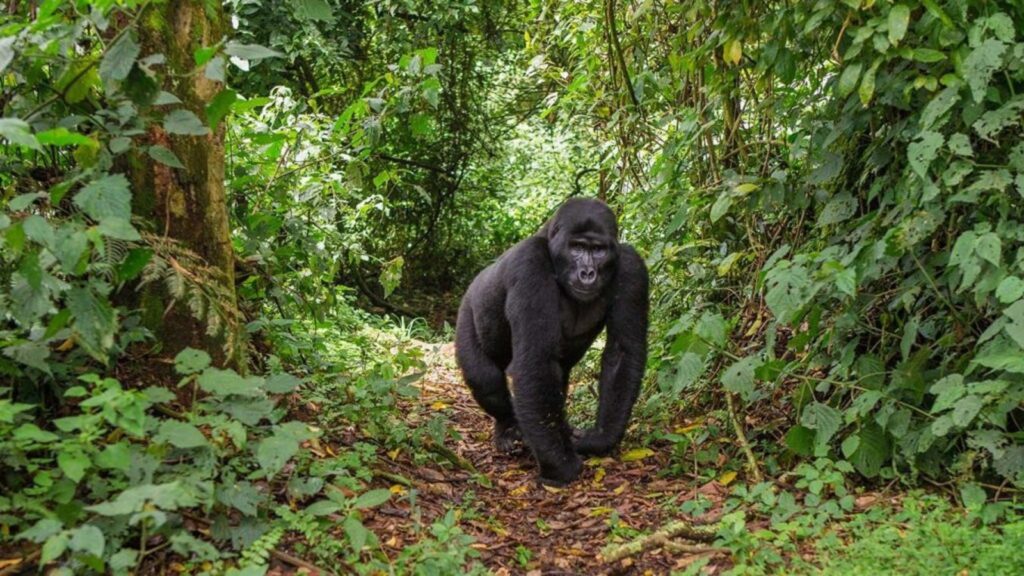
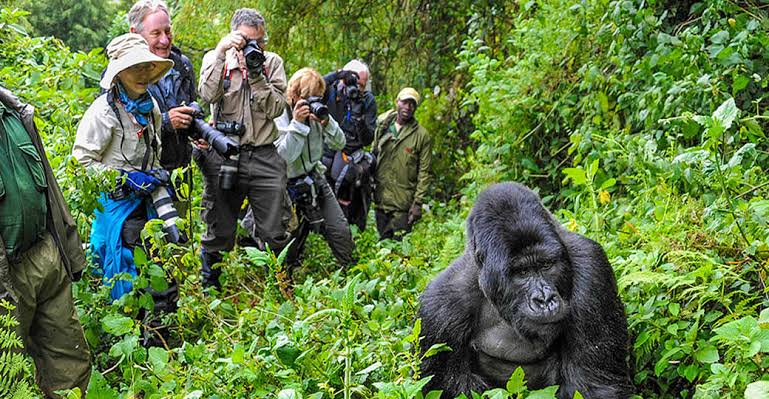
Few wildlife experiences generate the same level of global interest as gorilla trekking. Unlike traditional safaris where animals may be observed from vehicles, gorilla trekking involves walking through dense rainforest in search of a habituated gorilla family. The physical effort required and the emotional reward of the encounter create a memorable experience that resonates with travelers from diverse backgrounds.
Many visitors are drawn by the rarity of mountain gorillas. These primates exist only in a small region spanning Uganda, Rwanda, and the Democratic Republic of Congo. Their limited range and endangered status make the opportunity to see them particularly special. Travelers often view gorilla trekking as a bucket-list adventure that combines wildlife, conservation, and cultural exploration.
The growth of international air connections, improved tourism infrastructure, and widespread media coverage have further increased global awareness of gorilla trekking. Travel documentaries, wildlife photography, social media content, and conservation campaigns continue to inspire new audiences each year. As a result, gorilla trekking has evolved into a truly international tourism product that attracts visitors from a wide variety of nationalities.
United States Visitors and Gorilla Trekking
The United States consistently ranks among the largest source markets for gorilla trekking tourism. American travelers have long demonstrated strong interest in wildlife experiences, adventure travel, and conservation-focused tourism. Many visitors from the United States include gorilla trekking as part of broader African safari itineraries that may also feature destinations such as Kenya, Tanzania, South Africa, or Botswana.
American travelers often choose Uganda because of its relatively lower permit costs compared to Rwanda and the opportunity to combine gorilla trekking with chimpanzee tracking and traditional wildlife safaris. Others prefer Rwanda due to its accessibility and luxury tourism offerings.
The growth of social media and wildlife photography communities in the United States has further increased interest in gorilla trekking. Many travelers share their experiences online, inspiring friends and family members to consider similar adventures. As a result, American visitors continue to represent a significant portion of the international gorilla tourism market.
European Travelers and Their Strong Presence
European countries contribute some of the highest numbers of international gorilla trekking visitors. Travelers from the United Kingdom, Germany, France, the Netherlands, Belgium, and Scandinavia frequently visit Uganda and Rwanda for gorilla safaris.
The United Kingdom has traditionally maintained strong tourism links with East Africa, making British travelers a major segment of the gorilla trekking market. Many visitors combine gorilla trekking with wildlife safaris and cultural experiences throughout the region. German and Dutch travelers also demonstrate significant interest in nature-based tourism and conservation-focused travel, contributing steadily to visitor numbers.
European visitors often appreciate the conservation aspect of gorilla trekking. Many travelers seek meaningful experiences that directly support wildlife protection and community development. Since gorilla permit revenues contribute to conservation efforts, the experience aligns closely with the values of many European tourists.
The availability of international flights from major European cities to East Africa has also made gorilla trekking increasingly accessible, encouraging continued growth in visitor numbers from across the continent.
Growing Interest from Asian Markets
Asian tourism markets have become increasingly important for gorilla trekking destinations. Travelers from countries such as China, Japan, India, Singapore, and South Korea are showing growing interest in African wildlife experiences. As international travel expands and disposable incomes increase, more Asian visitors are including gorilla trekking in their travel plans.
Chinese tourism, in particular, has experienced notable growth across Africa in recent years. Wildlife experiences and luxury travel opportunities have become increasingly attractive to Chinese travelers seeking unique international adventures. Rwanda and Uganda have responded by strengthening tourism promotion efforts within Asian markets.
Japanese visitors have long demonstrated interest in conservation, wildlife photography, and cultural exploration. Many Japanese travelers choose smaller group tours that emphasize educational and environmental experiences. Similarly, visitors from Singapore and South Korea often seek high-quality safari experiences that combine wildlife viewing with comfortable accommodations and professional guiding services.
Although Asian visitor numbers remain lower than those from North America and Europe, the market continues to expand and represents a significant opportunity for future growth in gorilla tourism.
African and Regional Gorilla Trekking Visitors
While international visitors dominate gorilla tourism statistics, interest among African travelers continues to increase. East Africans, in particular, are becoming more active participants in gorilla trekking experiences as tourism awareness grows and regional travel becomes more accessible.
Uganda and Rwanda have introduced special permit pricing structures for East African citizens and residents, making gorilla trekking more affordable for local and regional travelers. These initiatives encourage domestic tourism while helping residents connect with the natural heritage of the region.
Corporate groups, educational institutions, and conservation organizations across Africa increasingly organize gorilla trekking excursions as part of environmental education and team-building activities. This trend supports the long-term sustainability of gorilla tourism by reducing dependence on international markets alone.
As regional economies continue to grow, African travelers are expected to become a larger segment of the gorilla tourism market in the coming years.
Preferred Destinations Among International Visitors
Different nationalities often display varying preferences when selecting gorilla trekking destinations. Uganda remains the most popular choice for many international visitors because it offers a larger number of permits and a wider range of accommodation options. Visitors can trek gorillas in Bwindi Impenetrable National Park or Mgahinga Gorilla National Park while combining the experience with wildlife safaris in other Ugandan national parks.
Rwanda attracts a substantial number of luxury travelers and short-stay visitors due to the accessibility of Volcanoes National Park. The park can be reached from Kigali within a few hours, making it particularly appealing to travelers with limited time.
Both destinations continue to attract diverse international audiences, and many visitors choose their destination based on budget, itinerary preferences, and travel logistics rather than nationality alone.
How International Visitors Support Conservation
The significance of gorilla trekking popular nationality visitors extends beyond tourism statistics. Every visitor contributes to conservation through gorilla permit fees, accommodation spending, transportation services, and community tourism activities. Revenue generated from international tourism supports ranger salaries, habitat protection, veterinary programmes, and community development projects.
Many visitors become long-term supporters of conservation initiatives after experiencing gorilla trekking firsthand. They contribute to fundraising campaigns, support conservation organizations, and promote awareness of mountain gorilla protection efforts within their home countries.
The international nature of gorilla tourism demonstrates the global importance of mountain gorilla conservation. Travelers from around the world share responsibility for protecting these endangered primates and ensuring their survival for future generations.
Conclusion
The story of gorilla trekking popular nationality visitors reflects the global appeal of one of Africa’s most extraordinary wildlife experiences. Travelers from the United States, Europe, Asia, and Africa continue to visit Uganda and Rwanda in growing numbers, united by a shared desire to encounter mountain gorillas in their natural habitat.
Whether trekking in Bwindi Impenetrable National Park, Mgahinga Gorilla National Park, or Volcanoes National Park, visitors contribute directly to conservation and community development. Their support helps ensure that mountain gorillas remain protected while creating sustainable economic opportunities throughout the region.
As global awareness of gorilla tourism continues to grow, international visitors will remain at the heart of conservation success and the future of gorilla trekking in East Africa.