Gorilla Trekking Satisfaction Survey: Measuring Visitor Experiences in Uganda
Gorilla trekking is widely regarded as one of the most memorable wildlife experiences in Africa. Every year, thousands of travelers visit Uganda to track endangered mountain gorillas in their natural habitat, creating lasting memories while contributing directly to conservation efforts. As the popularity of gorilla tourism continues to grow, tourism stakeholders increasingly rely on the gorilla trekking satisfaction survey to understand visitor experiences, evaluate service quality, and identify opportunities for improvement.
A visitor satisfaction survey provides valuable feedback about every aspect of the gorilla trekking experience. From the booking process and permit acquisition to guiding services and accommodation standards, traveler opinions help shape the future of gorilla tourism. Uganda’s tourism authorities, safari operators, lodges, and conservation organizations all benefit from understanding what visitors appreciate most and where improvements can enhance the overall experience.
The success of gorilla tourism depends not only on the presence of mountain gorillas but also on the quality of the visitor journey. Measuring satisfaction allows stakeholders to maintain high service standards while ensuring that travelers leave Uganda with positive memories and a strong appreciation for conservation. As a result, satisfaction surveys have become an important tool for supporting both tourism development and wildlife protection.
What Is a Gorilla Trekking Satisfaction Survey?
A gorilla trekking satisfaction survey is a structured feedback tool used to gather information about a visitor’s experience before, during, and after a gorilla trek. The survey typically includes questions about customer service, trip planning, transportation, accommodation, guiding quality, conservation awareness, and the overall trekking experience.
The goal of the survey is to understand how visitors perceive different aspects of their safari. Tourism operators use the information to identify strengths, address weaknesses, and improve customer satisfaction. Visitors may be asked to rate specific services, provide comments about their experiences, and suggest areas for improvement.
Surveys can be conducted through printed questionnaires, email follow-ups, online review platforms, or digital feedback forms. Many safari companies encourage guests to complete surveys immediately after their trek while memories remain fresh and details are easily recalled.
The information collected helps tourism stakeholders make informed decisions regarding service delivery, staff training, and product development. By listening to visitors, operators can adapt their offerings to meet evolving traveler expectations and maintain Uganda’s reputation as one of Africa’s premier gorilla trekking destinations.
Why Visitor Satisfaction Matters in Gorilla Tourism
Visitor satisfaction plays a central role in the success of gorilla tourism. Travelers often invest substantial amounts of time and money to participate in gorilla trekking, making their expectations particularly high. A positive experience can lead to repeat visits, referrals, and positive online reviews, while dissatisfaction can negatively affect future bookings.
Satisfied visitors frequently become ambassadors for Uganda’s tourism industry. They share photographs, travel stories, and recommendations with friends, family, and online audiences. These personal endorsements often influence potential travelers more effectively than traditional advertising campaigns.
High satisfaction levels also support conservation efforts. Visitors who enjoy their experience often develop a deeper appreciation for mountain gorillas and the importance of protecting their habitats. Many become long-term supporters of conservation initiatives, helping generate awareness and funding for wildlife protection programs.
For safari operators and tourism authorities, understanding visitor satisfaction provides valuable insights into changing market trends. By identifying what travelers value most, stakeholders can strengthen successful elements of the experience while addressing areas that require improvement.
Key Areas Evaluated in Gorilla Trekking Satisfaction Surveys
Most satisfaction surveys focus on several key components of the visitor experience. One of the most important areas is the permit booking and reservation process. Travelers expect clear communication, accurate information, and efficient handling of permit arrangements. Delays or misunderstandings at this stage can influence overall perceptions of the safari.
Transportation and logistics also receive significant attention. Visitors evaluate airport transfers, road travel, vehicle comfort, punctuality, and overall organization. Since gorilla trekking destinations are often located in remote regions, efficient transportation contributes greatly to traveler satisfaction.
Guiding services represent another critical area of evaluation. Professional guides provide information about gorilla behavior, forest ecology, local culture, and conservation efforts. Their knowledge, communication skills, and ability to manage the trekking experience often determine how visitors perceive the safari.
Accommodation quality also influences survey results. Comfortable rooms, excellent hospitality, quality meals, and attractive surroundings contribute positively to the overall experience. Visitors appreciate accommodations that complement the adventure while providing opportunities to relax before and after trekking.
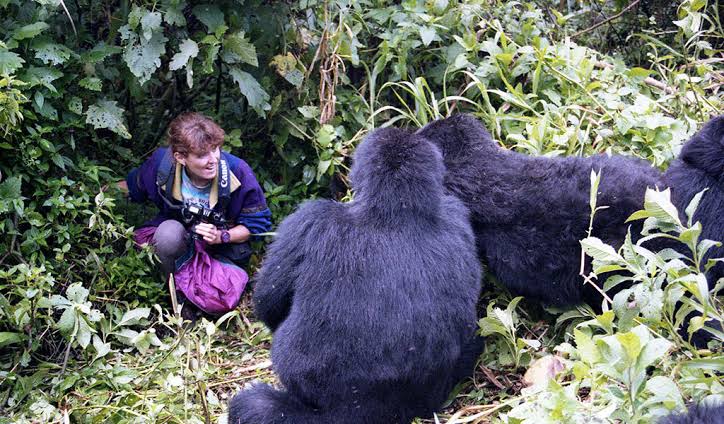
Finally, surveys focus on the gorilla encounter itself. Although wildlife sightings cannot be guaranteed in the same way as other tourism activities, visitors often evaluate the quality of the trek, the organization of ranger teams, and the overall experience of spending time with mountain gorillas.
Visitor Satisfaction in Uganda’s Gorilla Trekking Destinations
Uganda’s reputation for high visitor satisfaction stems from the quality and diversity of its gorilla trekking destinations. Bwindi Impenetrable National Park attracts the majority of gorilla trekkers due to its large number of habituated gorilla families and multiple trekking sectors. Visitors frequently praise the park’s spectacular scenery, rich biodiversity, and exceptional gorilla encounters.
Many travelers also appreciate the professionalism of Uganda Wildlife Authority rangers and guides. Their expertise helps create safe, informative, and memorable trekking experiences while promoting responsible wildlife viewing practices.
Mgahinga Gorilla National Park offers a different but equally rewarding experience. Visitors often highlight the park’s beautiful volcanic landscapes, smaller visitor numbers, and opportunities to combine gorilla trekking with golden monkey tracking and cultural activities.
Satisfaction surveys consistently demonstrate that Uganda’s combination of wildlife experiences, hospitality, and conservation success contributes significantly to positive visitor perceptions.
How Survey Results Improve the Gorilla Trekking Experience
The information collected through visitor surveys provides practical benefits for tourism stakeholders. Operators use feedback to improve customer service procedures, strengthen staff training programs, and refine safari itineraries. Positive comments help identify successful practices that should be maintained, while constructive criticism highlights areas requiring attention.
Survey results also support product development. If visitors express interest in additional cultural experiences, wildlife activities, or educational programs, operators can adapt their offerings accordingly. Understanding traveler preferences allows businesses to remain competitive while meeting customer expectations.
Tourism authorities can use satisfaction data to guide broader destination management decisions. Improvements to infrastructure, visitor information services, and conservation education initiatives often result from feedback gathered through satisfaction surveys.
By responding effectively to visitor feedback, stakeholders can continuously improve the overall quality of Uganda’s gorilla tourism industry.
The Relationship Between Satisfaction and Conservation
One of the most important outcomes of a successful gorilla trekking satisfaction survey is the connection between visitor satisfaction and conservation support. Travelers who enjoy their gorilla trekking experience often develop stronger emotional connections to mountain gorillas and their habitats.
This connection encourages long-term support for conservation initiatives. Visitors may contribute to conservation organizations, participate in fundraising campaigns, or promote awareness of gorilla protection efforts within their communities. Positive experiences also increase the likelihood of repeat visits, creating sustainable revenue streams that support wildlife management and local development.
As mountain gorilla populations continue to recover, tourism remains a vital conservation tool. Measuring visitor satisfaction helps ensure that tourism benefits both travelers and wildlife while maintaining the delicate balance required for long-term sustainability.
Conclusion
A gorilla trekking satisfaction survey plays a vital role in maintaining the quality and sustainability of Uganda’s gorilla tourism industry. By gathering feedback from visitors, tourism stakeholders gain valuable insights that support service improvements, strengthen customer satisfaction, and enhance conservation outcomes.
Whether trekking in Bwindi Impenetrable National Park or Mgahinga Gorilla National Park, travelers contribute to a tourism model that values both exceptional experiences and wildlife protection. Their feedback helps shape the future of gorilla trekking while ensuring that Uganda remains one of the world’s leading destinations for mountain gorilla encounters.
As gorilla tourism continues to grow, visitor satisfaction surveys will remain an essential tool for understanding traveler expectations, improving services, and supporting the conservation efforts that protect mountain gorillas for future generations.