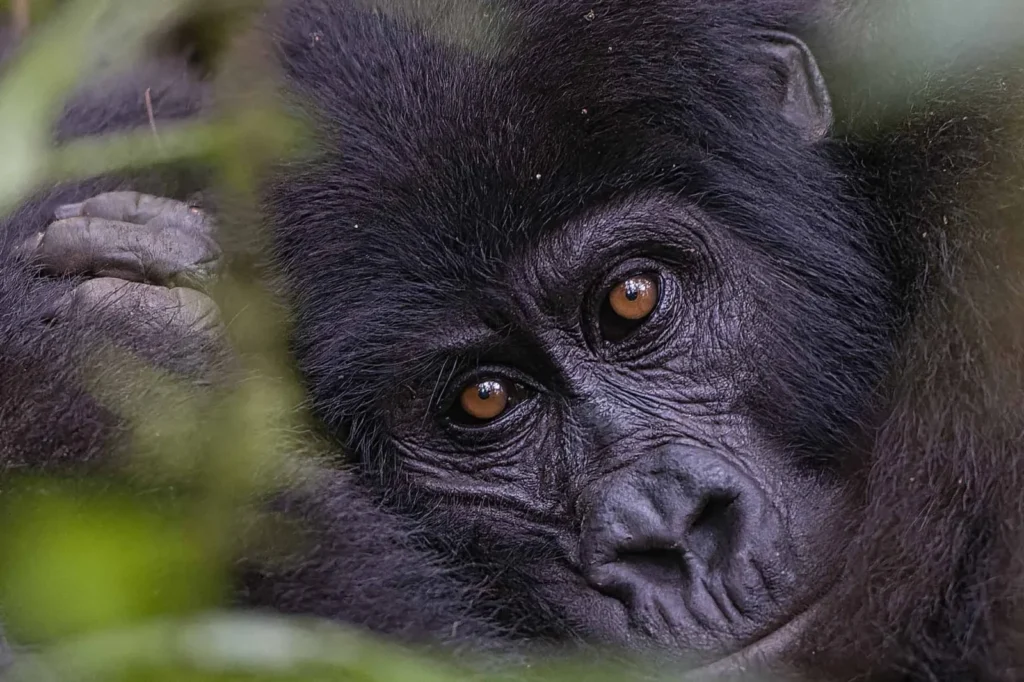
Gorilla Trekking Instagram Best Hashtags: Complete Guide
Instagram has become one of the most popular platforms for sharing wildlife adventures, safari experiences, travel, and unforgettable encounters with nature. Gorilla trekking is particularly well suited to Instagram because the experience combines dramatic forest landscapes, mountain gorillas, hiking adventures, conservation stories, and unique travel moments. Choosing the right gorilla trekking Instagram hashtags can help travelers, photographers, safari companies, and wildlife enthusiasts make their content easier to discover.
However, successful hashtag use involves more than adding dozens of popular words to every post. Instagram uses hashtags as one of several signals that help categorize content, while search and discovery also depend on keywords, engagement, and the relevance of the content. Current Instagram hashtag guidance recommends using relevant and specific hashtags rather than relying entirely on extremely broad tags.
For gorilla trekking content, a strong strategy combines specific gorilla-related hashtags with location, wildlife, safari, photography, and conservation terms. This approach allows your posts to reach people who are genuinely interested in gorilla trekking rather than simply attracting unrelated views.
Why Gorilla Trekking Instagram Hashtags Matter
Hashtags help categorize Instagram content and can make it easier for users to discover posts related to particular interests. A person searching for gorilla trekking, Uganda safaris, or wildlife photography may encounter relevant posts through Instagram search and recommendations.
This makes hashtags particularly useful for tourism businesses promoting gorilla safaris. A post showing a mountain gorilla in Bwindi, for example, can use specific terms connected with gorilla trekking, Uganda, wildlife photography, and African safaris. These signals help establish what the post represents.
At the same time, hashtags should not be viewed as a guaranteed way to make a post viral. Instagram discovery depends on multiple factors, including the relevance and quality of the content. Hashtags work best as part of a broader Instagram SEO strategy that includes descriptive captions, relevant keywords, location information, and accessible alt text.
The goal should therefore be to attract the right audience, not simply the largest possible number of impressions.
Best General Gorilla Trekking Hashtags
The most obvious starting point is a group of hashtags directly related to gorilla trekking. These hashtags clearly describe the subject of your post and can help connect your content with people interested in mountain gorillas and gorilla tourism.
Useful examples include #GorillaTrekking, #GorillaTrek, #GorillaSafari, #MountainGorillas, #GorillaSafari, #GorillaExperience, #GorillaEncounter, #GorillaAdventure, and #GorillaConservation.
You do not need to use every one of these hashtags on every post. Instead, select the tags that accurately describe the particular photograph or video.
For example, a photograph showing a traveler walking through Bwindi could use #GorillaTrekking and #GorillaAdventure. A close-up gorilla photograph could emphasize #MountainGorillas and #GorillaPhotography. A conservation-focused post could emphasize #GorillaConservation and #WildlifeConservation.
This relevance-based approach creates a more focused hashtag strategy than copying the same long list underneath every post.
Best Uganda Gorilla Trekking Hashtags
If your content specifically features gorilla trekking in Uganda, location-specific hashtags can make your posts more relevant to travelers researching Uganda.
Useful options include #Uganda, #VisitUganda, #UgandaSafari, #UgandaTravel, #UgandaWildlife, #UgandaTourism, #UgandaAdventure, #UgandaSafariTours, #Bwindi, #BwindiImpenetrableForest, #BwindiNationalPark, and #GorillaTrekkingUganda.
Location-based hashtags can be particularly valuable for safari businesses because travelers often search for destinations before booking their trips. Someone researching a Uganda safari may be more interested in a post tagged with Uganda and Bwindi than a post using only broad travel hashtags.
You can also combine a destination hashtag with a specific trekking topic. For example, a post about gorilla photography in Bwindi could use #Bwindi, #GorillaTrekkingUganda, #MountainGorillas, and #WildlifePhotography.
Using location terms alongside the main subject helps communicate both what the content shows and where the experience takes place.
Bwindi Gorilla Trekking Hashtags
Bwindi Impenetrable National Park is one of the world’s best-known mountain gorilla trekking destinations. Content from Bwindi can benefit from hashtags that identify the park and its surrounding tourism environment.
Consider hashtags such as #Bwindi, #BwindiImpenetrableNationalPark, #BwindiImpenetrableForest, #BwindiGorillas, #BwindiGorillaTrekking, #GorillasOfBwindi, and #GorillaTrekkingUganda.
These hashtags are especially appropriate when your photograph or video actually comes from Bwindi or discusses the destination.
You can make the post even more discoverable by including Bwindi naturally in the caption. For example, rather than relying entirely on hashtags, write a caption that explains what happened during the trek in Bwindi. Instagram search can also use keywords beyond hashtags, so descriptive language can strengthen the overall discoverability of the post.
Rwanda Gorilla Trekking Hashtags
Travelers sharing content from Rwanda can create a separate hashtag group focused on Volcanoes National Park and Rwanda tourism.
Useful options include #Rwanda, #VisitRwanda, #RwandaTourism, #RwandaTravel, #RwandaSafari, #VolcanoesNationalPark, #RwandaGorillas, #GorillaTrekkingRwanda, and #MountainGorillas.
These tags work particularly well for photographs taken around Volcanoes National Park or posts discussing gorilla trekking experiences in Rwanda.
A tourism business can also use different hashtag combinations depending on the audience it wants to reach. A luxury safari post might combine Rwanda-related tags with #LuxurySafari and #LuxuryTravel, while a wildlife photograph could focus more heavily on #GorillaPhotography, #WildlifePhotography, and #MountainGorillas.
The important principle is to keep every hashtag relevant to the actual post.
Gorilla Photography Hashtags
Gorilla trekking produces some of the most powerful wildlife photographs in Africa. If your Instagram account focuses on photography, you can combine gorilla-specific hashtags with broader photography terms.
Examples include #GorillaPhotography, #WildlifePhotography, #WildlifePhotographer, #NaturePhotography, #AnimalPhotography, #WildlifeLovers, #WildlifePhotos, #NatureLovers, #AfricanWildlife, and #SafariPhotography.
Photography hashtags can introduce gorilla content to an audience that may not specifically search for gorilla trekking.
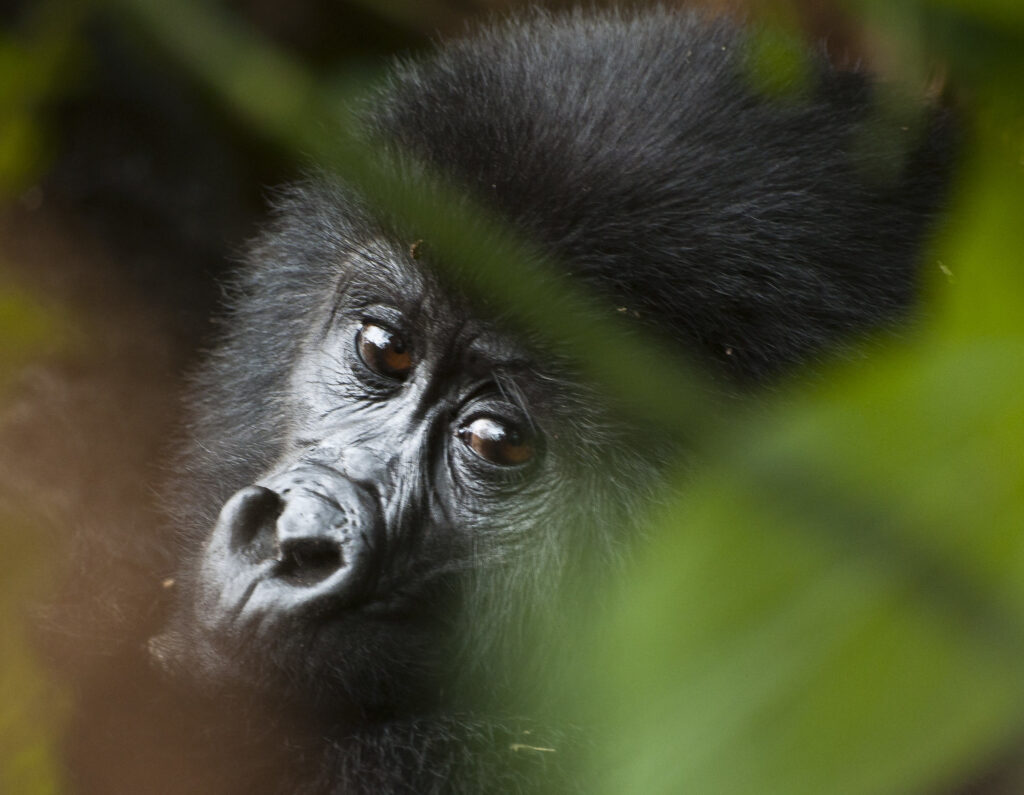
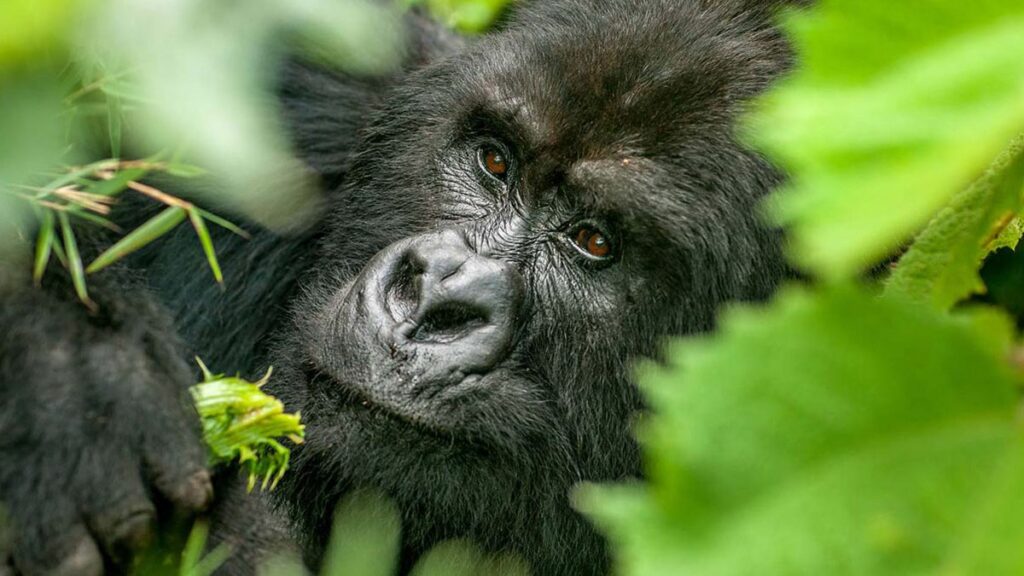
For example, a close-up portrait of a silverback could be accompanied by #GorillaPhotography, #WildlifePhotography, and #AfricanWildlife, while a photograph showing a gorilla in its forest environment could also use #NaturePhotography and #WildlifePhotos.
Large photography hashtags can have significant competition, so combining them with specific gorilla and location hashtags creates a more focused strategy. General photography hashtags remain useful, but niche hashtags help distinguish your content from millions of unrelated photographs.
Safari and African Travel Hashtags
Gorilla trekking is also part of the wider African safari and adventure travel market. Therefore, tourism businesses can expand their hashtag strategy beyond gorillas.
Useful examples include #AfricanSafari, #AfricaTravel, #Safari, #SafariLife, #SafariAdventure, #AfricanWildlife, #WildlifeSafari, #SafariPhotography, #AdventureTravel, and #TravelAfrica.
These hashtags can help connect gorilla trekking content with travelers interested in African wildlife generally.
However, avoid using broad travel hashtags simply because they are popular. A hashtag should relate naturally to the content. Instagram hashtag guidance recommends combining broader hashtags with more specific niche tags rather than relying exclusively on highly competitive generic hashtags.
For a gorilla trekking company, this means a post can combine a few broad safari terms with highly specific gorilla and Uganda terms.
Gorilla Conservation Hashtags
Gorilla trekking content does not always have to focus on tourism. Conservation stories can attract an audience interested in wildlife protection and responsible travel.
Useful conservation hashtags include #GorillaConservation, #WildlifeConservation, #MountainGorillaConservation, #, #SaveTheGorillas, #ProtectWildlife, #EndangeredSpecies, and #ConservationTravel.
These hashtags are particularly appropriate when discussing mountain gorilla conservation, community tourism, anti-poaching work, habitat protection, or the role of tourism revenue in supporting conservation.
Conservation-focused posts can also strengthen the identity of a safari brand. Instead of presenting gorillas simply as tourist attractions, the content can explain why protecting their habitat matters and how responsible tourism contributes to their long-term survival.
Hashtags for Gorilla Trekking Reels
Instagram Reels can be particularly effective for showing the excitement of a gorilla trek. Short videos can show the forest trail, preparation at the park headquarters, the first sighting of gorillas, wildlife encounters, and dramatic mountain scenery.
For Reels, relevant hashtags can include #GorillaTrekking, #GorillaReels, #GorillaSafari, #UgandaSafari, #MountainGorillas, #WildlifeReels, #SafariReels, #AfricaTravel, and #WildlifePhotography.
The video itself should remain the main focus. Hashtags should support the content rather than replace a strong video concept.
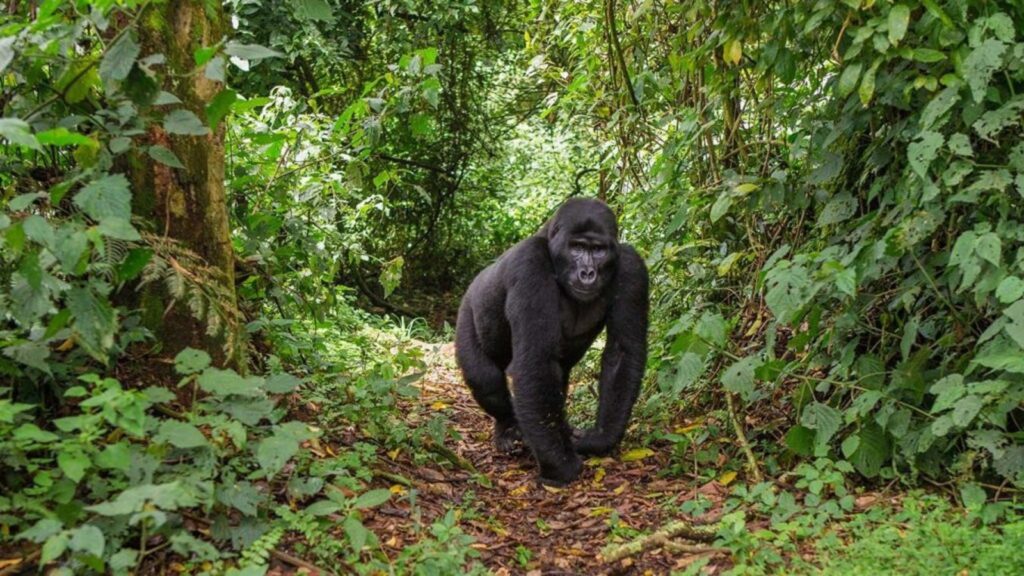
A short reel showing a silverback walking through the vegetation, for example, can use a combination of “gorilla,” “wildlife,” and “location” terms. The caption should also clearly describe the experience so that Instagram users and search systems understand the subject of the video.
Hashtags for Gorilla Trekking Businesses
Safari companies can create branded hashtag strategies alongside destination hashtags.
For example, a company could create a unique brand hashtag such as #YourCompanyGorillaSafaris and use it consistently across its Instagram content. Customers can then use the same hashtag when sharing photographs from their trips.
Branded hashtags can help create a collection of user-generated content. Over time, this can make it easier for potential travelers to see photographs and experiences associated with the company.
However, branded hashtags should complement rather than replace destination and subject hashtags. A customer searching for Uganda gorilla trekking is unlikely to discover a completely unfamiliar brand hashtag unless the company already has visibility.
Combining the brand hashtag with terms such as #GorillaTrekkingUganda, #UgandaSafari, and #MountainGorillas creates a stronger connection between the business and the destination.
How Many Gorilla Trekking Hashtags Should You Use?
More hashtags do not automatically produce better results. Current Instagram guidance from Hootsuite recommends testing a smaller set of highly relevant hashtags, with three to five often serving as a useful starting point.
For a gorilla trekking post, you could therefore choose a small combination such as one primary gorilla hashtag, one destination hashtag, one wildlife hashtag, and one photography or safari hashtag.
For example, a Uganda gorilla photograph could use:
#GorillaTrekking #GorillaTrekkingUganda #Bwindi #MountainGorillas #WildlifePhotography
Another post about conservation could use:
#GorillaConservation #MountainGorillas #WildlifeConservation #UgandaWildlife #SaveTheGorillas
The ideal combination will depend on the specific audience and content. Test different relevant combinations and monitor which posts generate meaningful engagement and profile visits.
Avoid Using Only Huge Generic Hashtags
A common mistake is choosing hashtags solely because they have enormous audiences.
Tags such as #Travel, #Nature, #Photography, and #Adventure can expose content to broad audiences, but they also contain enormous amounts of competing material. Your post can quickly disappear among thousands of other photographs.
This does not mean broad hashtags are useless. They can be useful when combined with niche terms.
For example, #Travel becomes more meaningful when paired with #GorillaTrekkingUganda and #Bwindi. Likewise, #Photography can accompany #GorillaPhotography and #MountainGorillas.
The goal is to create a balanced group of hashtags that describes the post at several levels, from broad subject to specific destination.
Change Your Hashtags According to the Post
Using exactly the same hashtags on every Instagram post can make your strategy less precise.
Instead, create several hashtag groups based on your content. A gorilla photograph can use wildlife and photography terms. A Uganda safari itinerary can emphasize travel and Uganda hashtags. A conservation story can focus on conservation-related terms. A reel showing the trekking experience can use adventure and reel-related terms.
This approach also allows you to test which topics attract the most relevant audience.
Instagram hashtag guidance recommends selecting hashtags that closely match the content rather than simply adding popular tags.
Combine Hashtags With Instagram SEO
Hashtags are only one part of Instagram discoverability. Your captions should naturally contain important keywords related to the photograph or video.
For example, instead of writing only:
“Unforgettable day! 🦍”
You could write:
“An unforgettable gorilla trekking experience in Bwindi Impenetrable National Park, Uganda, surrounded by the forest habitat of the endangered mountain gorillas.”
The second caption gives Instagram more information about the subject, destination, and experience.
Adding descriptive alt text can also support accessibility and Instagram search. Current Instagram SEO guidance recommends paying attention to keywords, hashtags, and alt text rather than relying on hashtags alone.
Best Gorilla Trekking Instagram Hashtag Sets
Rather than using one enormous hashtag list, create different sets for different types of content.
Uganda Gorilla Trekking Set
#GorillaTrekking #GorillaTrekkingUganda #UgandaSafari #Bwindi #MountainGorillas
Rwanda Gorilla Trekking Set
#GorillaTrekking #GorillaTrekkingRwanda #VisitRwanda #VolcanoesNationalPark #MountainGorillas
Gorilla Photography Set
#GorillaPhotography #WildlifePhotography #MountainGorillas #AfricanWildlife #NaturePhotography
Gorilla Conservation Set
#GorillaConservation #WildlifeConservation #MountainGorillas #SaveTheGorillas #UgandaWildlife
Safari Travel Set
#GorillaSafari #AfricanSafari #AfricaTravel #UgandaSafari #WildlifeSafari
These sets should be treated as starting points rather than permanent formulas. Instagram trends and audience behavior change, so testing different relevant combinations remains important. Tools that track trending hashtags can also help identify changing opportunities, although relevance should always come before popularity.
Conclusion
The best gorilla trekking Instagram hashtags are not necessarily the hashtags with the largest number of posts. The strongest strategy focuses on relevance and combines specific gorilla terms with destination, wildlife, photography, safari, and conservation hashtags.
For Uganda content, hashtags such as #GorillaTrekkingUganda, #UgandaSafari, and #Bwindi can help establish the destination. For Rwanda content, #GorillaTrekkingRwanda, #VisitRwanda, and #VolcanoesNationalPark can provide location context. Wildlife photographers can combine gorilla-specific terms with #GorillaPhotography and #WildlifePhotography, while conservation organizations can emphasize #GorillaConservation and #WildlifeConservation.
Most importantly, hashtags should support good content rather than replace it. Use descriptive captions, relevant keywords, appropriate alt text, and high-quality photographs or videos alongside a focused hashtag strategy. Instagram’s current guidance favors relevant, specific hashtags rather than simply adding large numbers of generic tags.
When used consistently, this approach can help gorilla trekking content reach travelers, photographers, wildlife enthusiasts, and conservation audiences who are genuinely interested in the experience.