Gorilla Trekking Customer Journey Map: Understanding Every Step of the Gorilla Safari Experience
Planning a gorilla trekking safari involves far more than purchasing a permit and arriving at the park. Travelers typically move through several stages before, during, and after their adventure. Understanding this process helps safari operators improve their services while helping travelers prepare for a seamless experience. A well-designed gorilla trekking customer journey map illustrates every interaction a traveler has with a destination, tour operator, accommodation provider, and conservation authority throughout the safari lifecycle.
The customer journey begins the moment a traveler starts researching gorilla trekking destinations online. It continues through permit selection, safari planning, booking confirmation, travel preparation, the trekking experience itself, and post-trip engagement. Each stage shapes the visitor’s perception of the destination and influences overall satisfaction. For destinations such as Uganda and Rwanda, where gorilla trekking represents a premium wildlife experience, delivering a positive customer journey is essential for encouraging referrals, repeat visits, and long-term conservation support.
By understanding the complete customer journey, travelers can anticipate what lies ahead, while safari companies can identify opportunities to improve customer service and create memorable experiences that extend beyond the trek itself.
The Awareness Stage: Discovering Gorilla Trekking
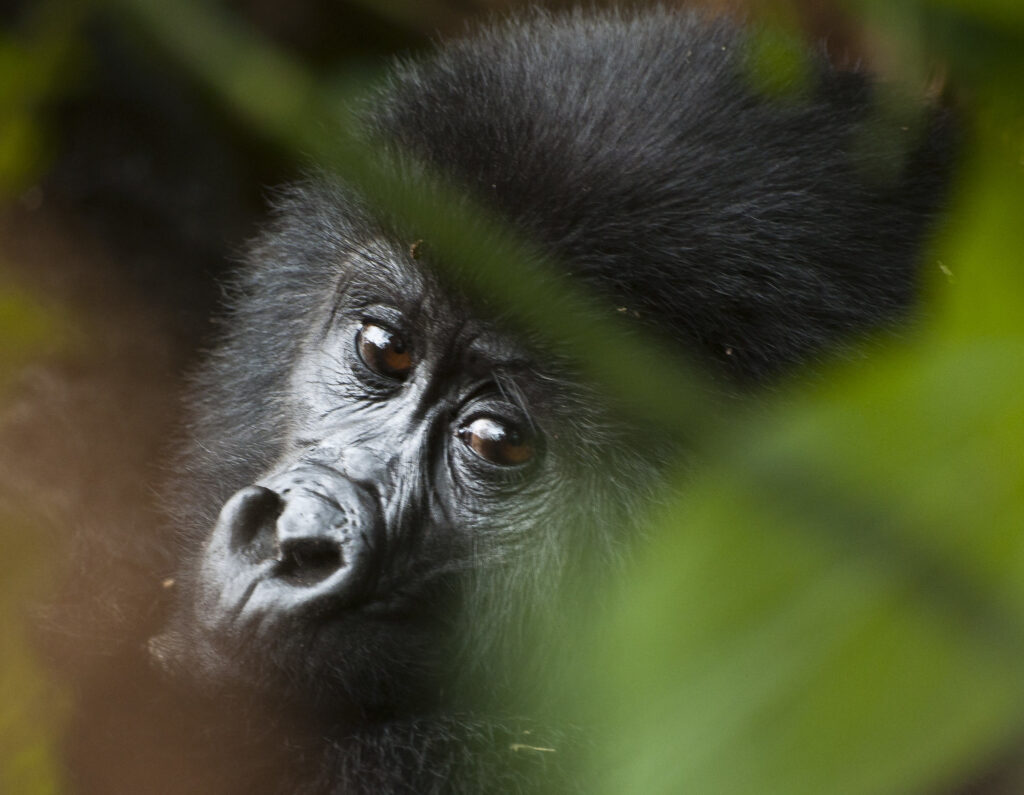
The first stage of a gorilla trekking customer journey map begins when a potential traveler becomes aware of gorilla trekking as a travel opportunity. This discovery often occurs through online searches, travel blogs, social media platforms, wildlife documentaries, travel exhibitions, or recommendations from friends and family members. For many travelers, seeing photographs of mountain gorillas in their natural habitat sparks curiosity and inspires further research.
During this phase, travelers seek answers to basic questions. They want to know where gorilla trekking takes place, how much permits cost, what the experience involves, and which destination offers the best opportunity to see mountain gorillas. Uganda and Rwanda typically emerge as the leading options because they host the majority of the world’s mountain gorilla population.
A traveler at this stage is gathering information rather than making immediate purchasing decisions. High-quality content, destination guides, conservation stories, and traveler testimonials play an important role in building trust and generating interest. Safari operators that provide clear, informative, and engaging content often succeed in moving potential customers to the next stage of the journey.
The awareness stage is critical because it establishes first impressions and influences how travelers perceive the value of gorilla trekking compared to other wildlife experiences available in Africa.
The Consideration Stage: Comparing Destinations and Safari Options
Once travelers decide that gorilla trekking interests them, they enter the consideration stage. During this phase, they compare destinations, permit costs, accommodation options, transportation methods, and safari itineraries. They may evaluate the differences between trekking in Bwindi Impenetrable National Park and Volcanoes National Park while assessing which destination aligns best with their budget and travel goals.
Travelers often spend considerable time researching permit availability, seasonal weather conditions, fitness requirements, and recommended safari operators. Reviews from previous guests become particularly influential at this stage because they provide real-world insights into service quality and overall experiences.
Questions regarding safety, accommodation standards, visa requirements, and travel logistics frequently arise during consideration. Responsive communication from safari operators can significantly influence purchasing decisions. Travelers appreciate clear answers, transparent pricing, and professional guidance that helps them navigate the complexities of planning a gorilla safari.
Many potential visitors also explore opportunities to combine gorilla trekking with other activities such as wildlife safaris, chimpanzee tracking, cultural tours, or golden monkey trekking. The ability to customize an itinerary often becomes a decisive factor when selecting a safari package.
The Booking Stage: Securing Permits and Confirming Travel Plans
The booking stage marks the transition from planning to commitment. Once travelers select a destination and safari package, they proceed with permit reservations, accommodation bookings, and transportation arrangements. This stage often represents the most significant financial commitment within the customer journey because gorilla permits and safari services require advance payment.
Permit availability plays a central role in the booking process. Since only a limited number of permits are available each day, travelers are encouraged to reserve their preferred dates several months in advance. Safari operators assist by securing permits and coordinating all logistical components of the itinerary.
Communication remains essential throughout this stage. Customers expect timely confirmations, detailed travel documentation, and clear explanations regarding payment schedules, cancellation policies, and preparation requirements. Efficient booking systems create confidence and reduce uncertainty.
The booking stage also presents an opportunity for operators to enhance the customer experience through personalized recommendations. Suggestions regarding packing lists, travel insurance, accommodation upgrades, and additional activities help travelers feel prepared and excited about their upcoming adventure.
A smooth booking process lays the foundation for a positive overall experience and strengthens trust between travelers and safari providers.
The Experience Stage: The Gorilla Trekking Adventure
The experience stage represents the culmination of the customer journey and the moment travelers have anticipated for months. Upon arrival in Uganda or Rwanda, visitors begin the immersive process of exploring gorilla habitats, meeting local communities, and experiencing the natural beauty of East Africa.
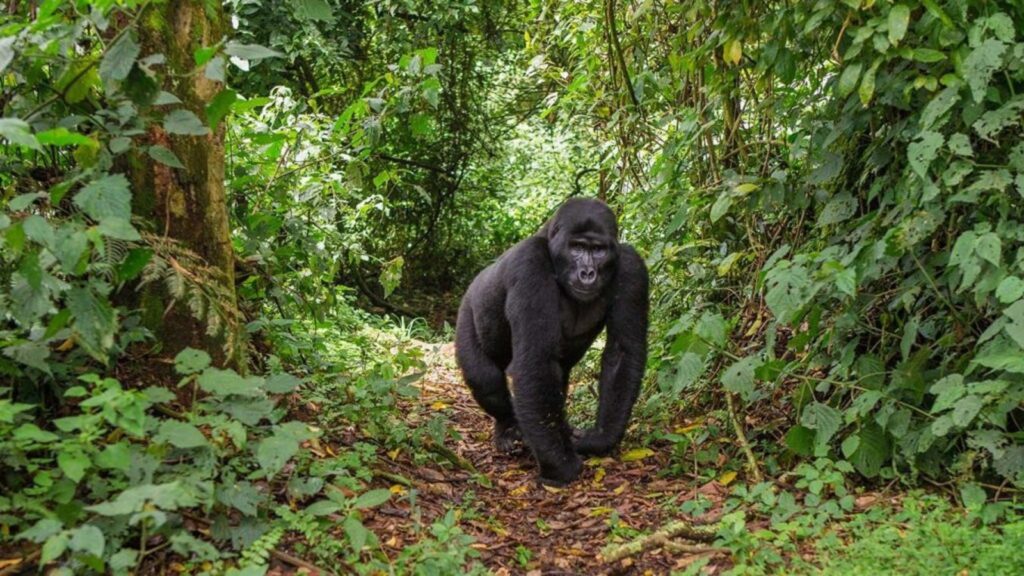
The trekking day itself becomes the centerpiece of the journey. After an early morning briefing, visitors enter the forest accompanied by guides, trackers, and rangers. The trek may last several hours depending on the location of the gorilla family. Along the way, travelers encounter diverse vegetation, birdlife, and breathtaking landscapes that contribute to the sense of adventure.
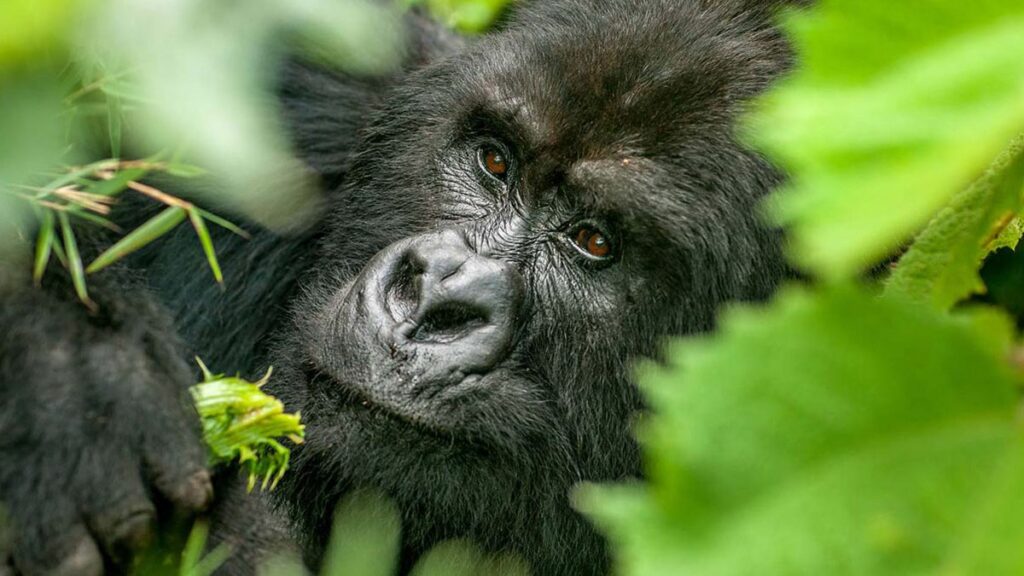
The highlight occurs when the gorilla family is finally located. Spending one hour observing mountain gorillas in their natural habitat creates a powerful emotional experience that often exceeds expectations. Visitors frequently describe the encounter as life-changing due to the intelligence, social behavior, and human-like characteristics displayed by the gorillas.
The quality of guiding services, accommodation, transportation, and customer support throughout this stage significantly influences satisfaction levels. Positive experiences generate memorable stories, strong emotional connections, and a greater appreciation for conservation efforts.
The Post-Trip Stage: Advocacy, Reviews, and Repeat Visits
The customer journey does not end when travelers return home. In many ways, the post-trip stage is one of the most valuable phases because satisfied visitors become ambassadors for gorilla tourism and conservation.
Many travelers share photographs, videos, and personal stories through social media platforms, travel forums, and review websites. These recommendations influence future travelers and contribute to destination marketing efforts. Positive reviews help build credibility and encourage new bookings.
Some visitors maintain ongoing engagement with conservation initiatives by following updates about mountain gorilla populations and supporting wildlife protection programs. Others begin planning return visits to experience different gorilla families or explore additional safari destinations.
Safari operators can strengthen relationships during this stage through follow-up communication, newsletters, conservation updates, and loyalty programs. Maintaining contact helps transform one-time customers into repeat visitors and long-term advocates for sustainable tourism.
A successful post-trip experience often leads to referrals, repeat bookings, and stronger conservation awareness, creating benefits for both the tourism industry and mountain gorilla protection efforts.
Why Customer Journey Mapping Matters for Gorilla Tourism
A well-structured gorilla trekking customer journey map helps tourism stakeholders understand traveler expectations at every stage of the safari experience. By identifying key touchpoints, operators can improve communication, streamline booking processes, and deliver more personalized services.
Journey mapping also helps identify potential challenges before they affect customer satisfaction. Whether addressing permit availability concerns, improving travel information, or enhancing post-trip engagement, understanding the customer perspective leads to better outcomes for both travelers and operators.
For gorilla tourism destinations, customer satisfaction directly influences conservation success. Positive experiences encourage repeat visits, generate referrals, and create long-term support for protected areas and local communities. As competition within the global tourism market increases, delivering exceptional customer journeys becomes increasingly important.
Conclusion
The gorilla trekking customer journey map provides a valuable framework for understanding the complete safari experience, from initial inspiration to long-term advocacy. Every stage of the journey contributes to traveler satisfaction and shapes perceptions of gorilla tourism destinations.
Whether trekking in Bwindi Impenetrable National Park, Mgahinga Gorilla National Park, or Volcanoes National Park, travelers encounter a series of experiences that influence their connection with mountain gorillas and conservation efforts. By understanding and optimizing these interactions, safari operators can create memorable adventures that inspire visitors, support conservation, and contribute to the continued success of gorilla tourism across East Africa.