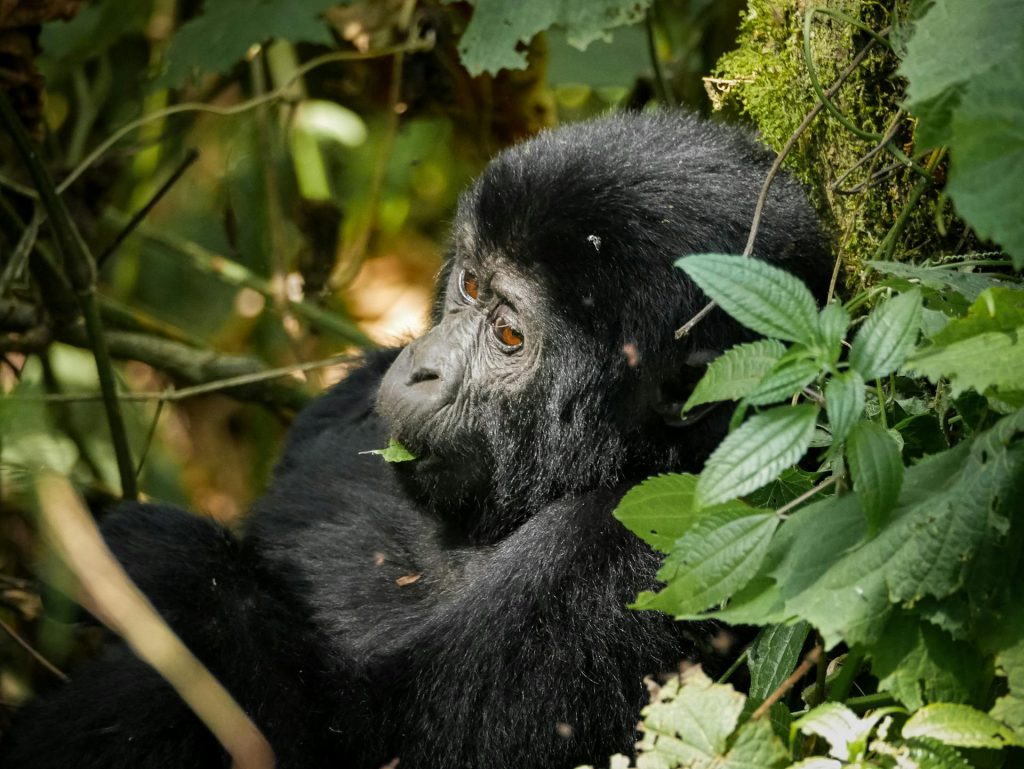
Gorilla Trekking Repeat Visitor Rate: Why Travelers Return for More Gorilla Encounters
Gorilla trekking remains one of Africa’s most extraordinary wildlife experiences. Every year, thousands of travelers journey to the mountain forests of Uganda and Rwanda to spend a precious hour with endangered mountain gorillas in their natural habitat. For many visitors, the encounter fulfills a lifelong dream and becomes the highlight of an African safari. Yet an interesting trend continues to emerge within the gorilla tourism industry. A growing number of travelers are returning for additional treks, creating increasing interest in the gorilla trekking repeat visitor rate and what motivates people to experience gorilla trekking more than once.
Unlike many tourist attractions that lose their appeal after a single visit, gorilla trekking offers a unique experience every time. Gorilla families move through different areas of the forest, group dynamics evolve, and environmental conditions constantly change. Visitors often discover that no two treks are ever identical. This variety, combined with a strong emotional connection to mountain gorillas, has contributed to a healthy repeat visitation pattern in gorilla tourism destinations.
Understanding the factors behind repeat visitation helps travelers appreciate the long-term appeal of gorilla trekking while highlighting the importance of sustainable tourism and conservation efforts that continue to protect these remarkable primates.
Understanding the Gorilla Trekking Repeat Visitor Rate
The gorilla trekking repeat visitor rate refers to the percentage of travelers who return to participate in gorilla trekking after completing a previous trek. While official industry-wide statistics vary between destinations and operators, tourism stakeholders consistently report that repeat visitors form an important segment of the gorilla tourism market.
Repeat visitors include wildlife photographers seeking better images, conservation enthusiasts interested in observing gorilla behavior over time, and travelers who simply wish to relive one of the most meaningful wildlife experiences of their lives. Some visitors return after only a year, while others revisit gorilla destinations several times over a decade.
Tour operators in Uganda and Rwanda frequently note that previous guests account for a significant portion of future bookings. In many cases, travelers who return for another gorilla trek also extend their itineraries to include additional wildlife experiences, cultural tours, and adventure activities. This pattern benefits not only the tourism industry but also conservation initiatives that rely on tourism revenue.
The continued growth of repeat visitation demonstrates that gorilla trekking is not merely a one-time attraction. Instead, it has become a destination experience that inspires lasting connections with wildlife, local communities, and conservation efforts.
Why Many Travelers Return for Another Gorilla Trek
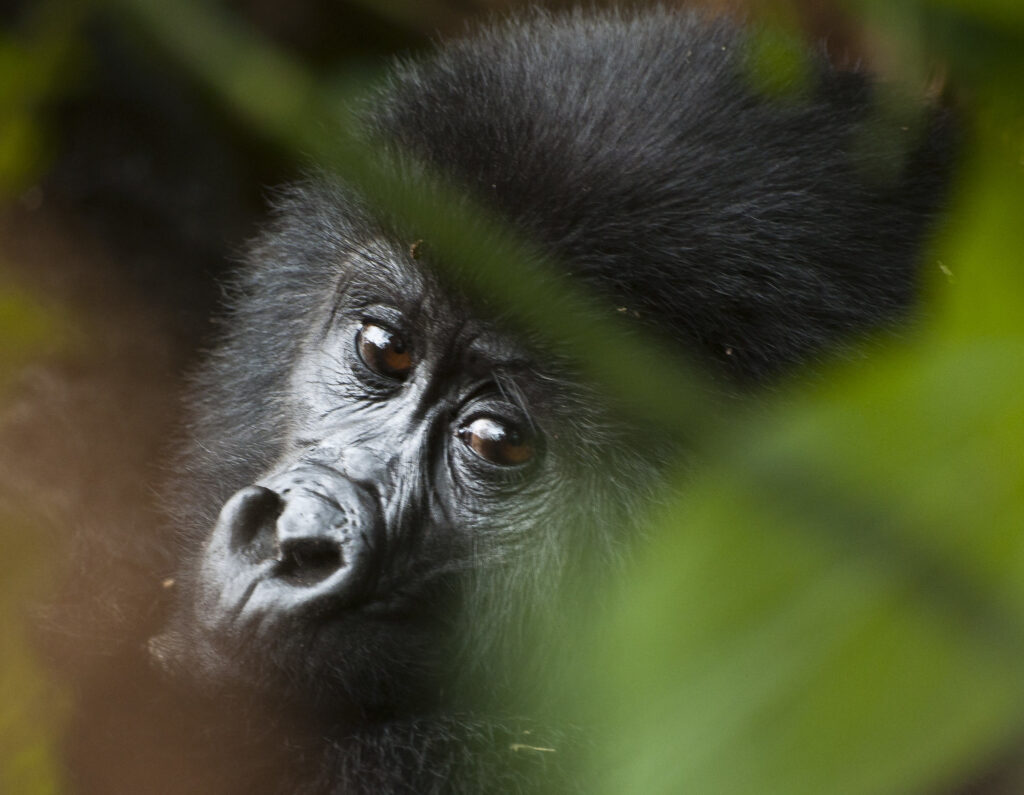
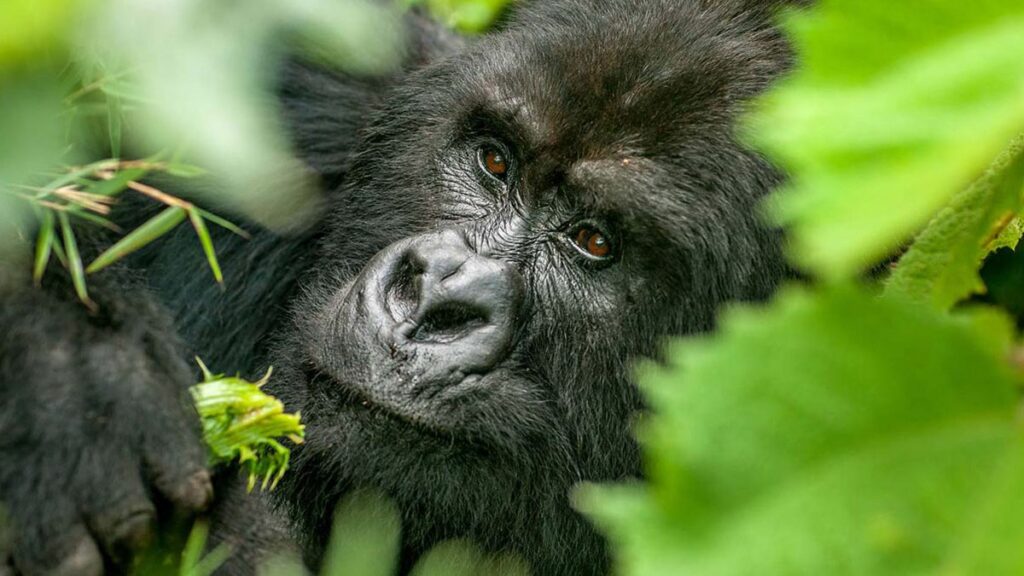
One of the primary reasons travelers return is the uniqueness of every gorilla encounter. Mountain gorillas live in complex family groups led by dominant silverbacks, and their behavior changes from day to day. A visitor may observe playful juveniles during one trek and witness a newborn gorilla interacting with its mother during another. These differences create a sense of discovery that encourages repeat visits.
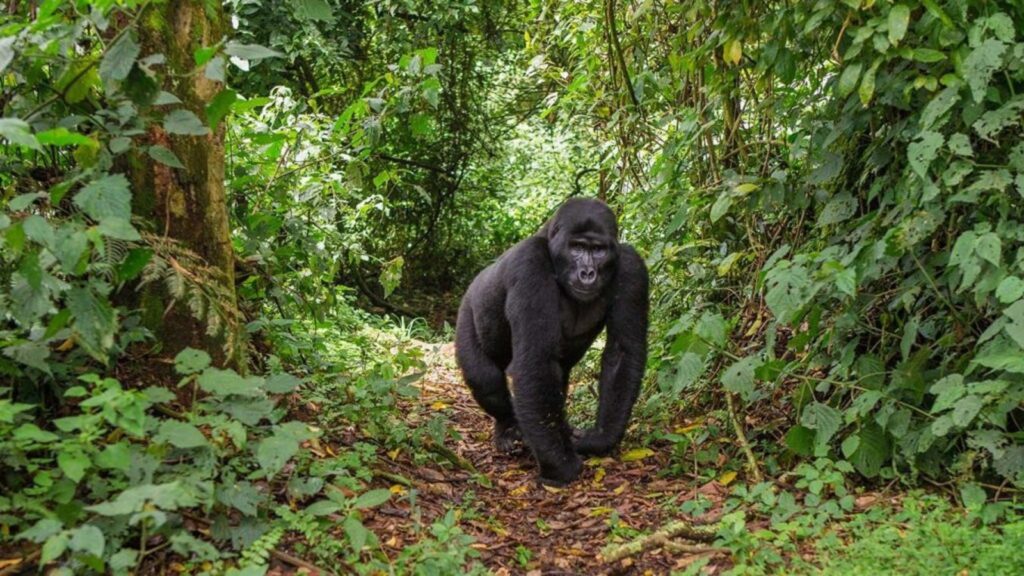
The trekking experience itself also varies considerably. Gorilla families move freely through the forest, meaning each trek follows a different route and presents new challenges. Some hikes involve gentle walks through forest trails, while others require navigating steep slopes and dense vegetation. The changing nature of the experience keeps it fresh even for visitors who have trekked before.
Many travelers also develop a strong emotional connection to mountain gorillas. Watching a silverback protect his family or observing young gorillas play among the vegetation creates powerful memories that remain vivid for years. Returning allows visitors to deepen that connection and gain a greater appreciation for gorilla behavior and conservation.
Photography represents another important motivation. Wildlife photographers often revisit gorilla destinations to improve their images under different lighting conditions, weather patterns, and forest settings. Since every encounter presents unique photographic opportunities, multiple visits can produce dramatically different results.
The Role of Conservation in Repeat Visitation
Conservation success plays a significant role in encouraging repeat travel. Mountain gorillas remain one of the world’s most celebrated conservation achievements, and many visitors feel inspired to support ongoing protection efforts through repeated visits. Every gorilla permit purchased contributes directly to conservation programmes, habitat protection, veterinary care, and community development initiatives.
Visitors who return often report a sense of personal investment in the future of mountain gorillas. They follow conservation updates, learn about new gorilla births, and remain engaged with the destinations long after their initial trek. This connection transforms many travelers from tourists into conservation advocates.
National parks also benefit from repeat visitors because returning guests often possess a deeper understanding of conservation challenges and opportunities. Their continued support provides valuable revenue that helps sustain long-term protection efforts. In this way, repeat visitation strengthens the relationship between tourism and conservation while contributing to the survival of endangered mountain gorillas.
Destinations That Encourage Repeat Gorilla Treks
Uganda offers some of the strongest opportunities for repeat visitation because of the variety of gorilla families and trekking sectors available. Bwindi Impenetrable National Park contains multiple trekking regions, including Buhoma, Ruhija, Rushaga, and Nkuringo. Each sector offers distinct landscapes, gorilla families, and trekking experiences, allowing visitors to enjoy something different on every trip.
Mgahinga Gorilla National Park provides another compelling option for returning travelers. The park combines gorilla trekking with opportunities for golden monkey tracking, volcanic hiking, and cultural experiences. Visitors often include these activities during subsequent visits to diversify their safari experience.
In Rwanda, Volcanoes National Park attracts repeat visitors through its accessibility, luxury accommodation options, and well-developed tourism infrastructure. Many travelers who initially visit Rwanda for a short gorilla safari later return for longer wildlife and cultural itineraries.
The diversity of experiences available across these destinations makes repeat visitation both practical and rewarding.
How Repeat Visitors Benefit Local Communities
Repeat visitors contribute more than tourism revenue. Their continued support helps create stable employment opportunities and encourages investment in local businesses. Guides, porters, lodge staff, drivers, artisans, and community tourism projects all benefit from a thriving tourism sector supported by returning guests.
Many repeat travelers also develop personal relationships with guides, lodge owners, and community members. These connections often lead to deeper cultural experiences and a greater understanding of the challenges and opportunities facing local communities.
The economic impact extends beyond the tourism industry itself. Revenue generated through repeat visitation supports schools, healthcare facilities, infrastructure projects, and conservation programmes that improve quality of life in areas surrounding gorilla habitats. As a result, repeat visitors play an important role in promoting sustainable development alongside wildlife conservation.
The Future of Gorilla Trekking Repeat Visitor Rates
Several factors suggest that repeat visitation will continue to grow in the coming years. Improved conservation outcomes, expanding tourism infrastructure, and increasing global awareness of gorilla trekking are attracting new audiences while encouraging previous visitors to return.
Advances in digital marketing and customer engagement also make it easier for safari operators to maintain relationships with past clients. Many companies now provide conservation updates, personalized travel recommendations, and special offers that encourage repeat bookings.
As travelers increasingly seek meaningful and sustainable experiences, gorilla trekking remains well positioned to attract returning visitors. The combination of extraordinary wildlife encounters, conservation impact, and cultural engagement creates a compelling reason to revisit East Africa’s gorilla destinations.
Conclusion
The gorilla trekking repeat visitor rate reflects the lasting appeal of one of Africa’s most remarkable wildlife experiences. Unlike many tourism activities that lose their novelty after a single visit, gorilla trekking continues to inspire travelers to return again and again. Every trek offers new encounters, fresh perspectives, and deeper insights into the lives of mountain gorillas.
Whether exploring the forests of Bwindi Impenetrable National Park, trekking in Mgahinga Gorilla National Park, or visiting Volcanoes National Park, returning visitors contribute significantly to conservation and sustainable tourism. Their continued support helps protect mountain gorillas while creating lasting benefits for local communities.
As interest in wildlife conservation and authentic travel experiences continues to grow, repeat visitation will remain an important part of the future of gorilla tourism in East Africa.