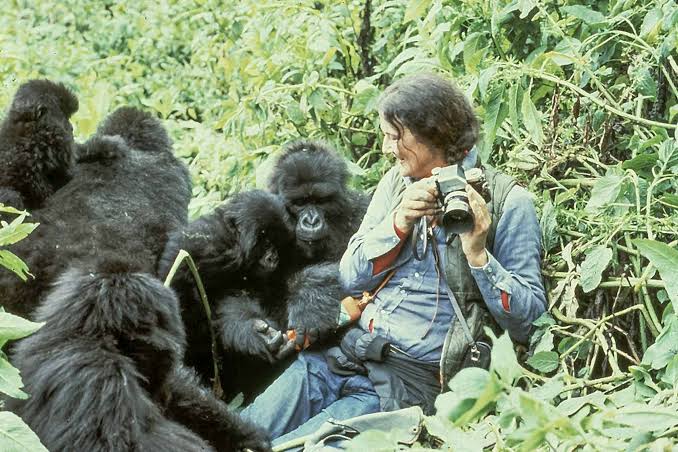
Gorilla Trekking Corporate CSR.
Corporate Social Responsibility (CSR) has become an essential part of modern business strategy, with organizations increasingly seeking opportunities to create positive social, environmental, and economic impacts. As companies look for meaningful ways to engage employees, support sustainability goals, and contribute to conservation efforts, gorilla tourism has emerged as an attractive platform for responsible corporate involvement. This growing interest has made gorilla trekking a corporate CSR an important topic within both the tourism and conservation sectors.
Gorilla trekking offers businesses a unique opportunity to combine corporate responsibility with one of Africa’s most extraordinary wildlife experiences. Companies can support mountain gorilla conservation, community development initiatives, environmental sustainability programs, and educational projects while providing employees, clients, or stakeholders with a memorable and meaningful experience.
The connection between corporate responsibility and gorilla tourism extends far beyond travel. Through strategic partnerships, sponsorships, conservation investments, and community support programs, businesses can contribute directly to the protection of endangered mountain gorillas and the well-being of communities living near protected areas. As sustainability becomes increasingly important in corporate decision-making, gorilla trekking and corporate CSR initiatives continue to gain popularity across various industries.
What Is Gorilla Trekking Corporate CSR?
The term “gorilla trekking corporate CSR” refers to corporate social responsibility activities linked to gorilla tourism, conservation programs, and community development initiatives in regions where mountain gorillas live. These activities allow businesses to align their sustainability objectives with conservation and social impact goals.
Corporate involvement may take many forms. Some companies sponsor conservation projects, support ranger programs, fund educational initiatives, contribute to community development, or participate in environmental restoration efforts. Others organize corporate safari experiences that incorporate volunteering, fundraising, conservation awareness, or sustainability activities.
The objective is not simply to sponsor tourism activities but to create long-term positive outcomes for wildlife, local communities, and the environment. Effective CSR programs generate measurable benefits while strengthening a company’s commitment to responsible business practices.
For many organizations, gorilla trekking provides a compelling platform for demonstrating environmental and social responsibility.
Why Businesses Are Interested in Gorilla Conservation
The growing popularity of gorilla trekking and corporate CSR initiatives reflects increasing recognition that environmental sustainability and business success are interconnected. Companies understand that consumers, investors, employees, and stakeholders increasingly value organizations that demonstrate genuine commitments to social and environmental causes.
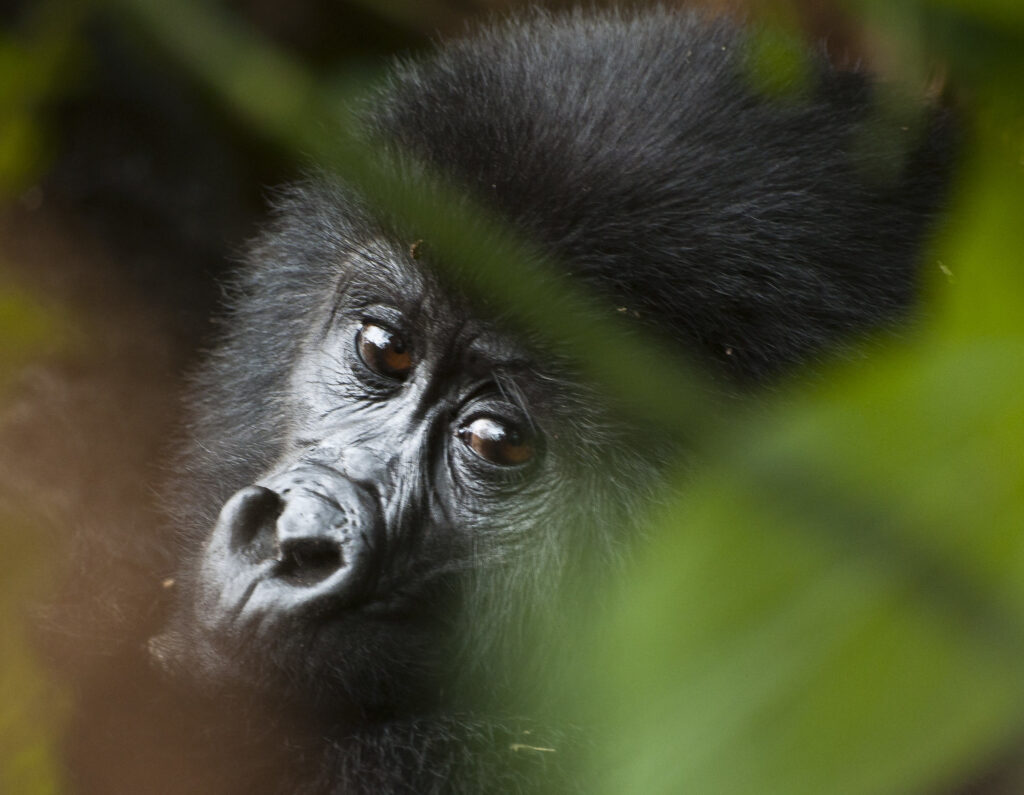
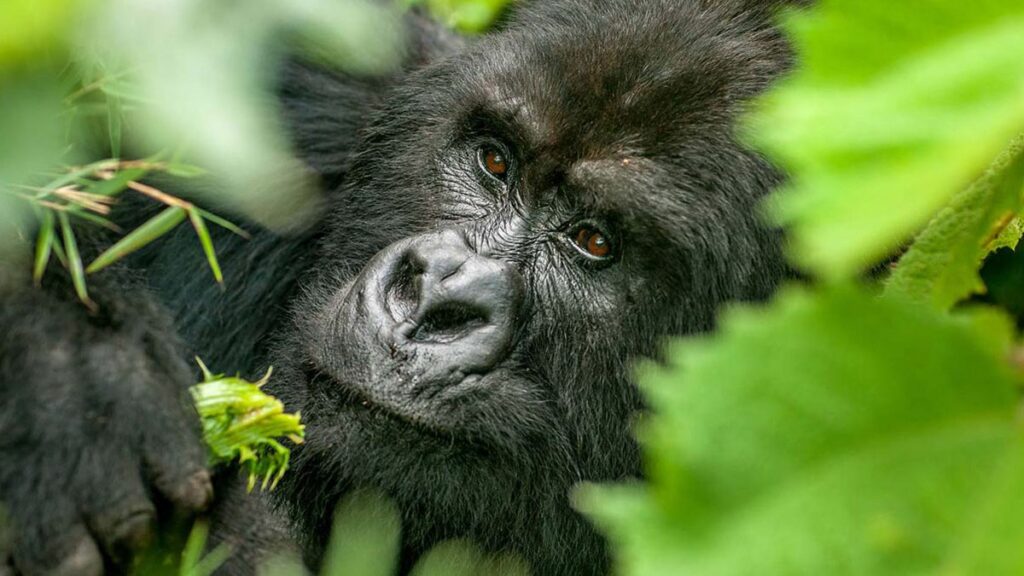
Mountain gorillas represent one of the world’s most recognizable conservation success stories. Supporting their protection allows businesses to associate themselves with meaningful environmental initiatives while contributing to globally recognized conservation efforts.
Gorilla conservation also provides a clear and measurable impact. Companies can see how their contributions support habitat protection, anti-poaching activities, scientific research, community development, and sustainable tourism initiatives.
The visibility and credibility of gorilla conservation projects make them attractive components of broader CSR strategies.
Supporting Mountain Gorilla Conservation
One of the most important aspects of gorilla trekking corporate CSR is direct support for mountain gorilla conservation. Businesses can contribute funding toward projects that protect gorillas and their habitats while strengthening conservation capacity in protected areas.
Corporate contributions may support ranger patrols, wildlife monitoring, habitat management, veterinary interventions, conservation research, and anti-poaching operations. These activities help maintain healthy gorilla populations and preserve critical ecosystems.
Many conservation organizations actively seek partnerships with businesses that share sustainability objectives. Such collaborations often provide long-term financial stability for conservation projects while enabling companies to demonstrate measurable environmental impact.
Supporting conservation allows businesses to participate directly in protecting one of Africa’s most iconic species.
Community Development Through CSR Initiatives
Successful gorilla trekking corporate CSR programs often extend beyond wildlife conservation to include community-development projects. Conservation organizations recognize that protecting gorillas requires strong partnerships with local communities living near protected areas.
Corporate funding may support schools, healthcare facilities, clean water projects, vocational training programs, women’s empowerment initiatives, youth development activities, and sustainable livelihood programs. These investments help improve living conditions while strengthening support for conservation efforts.
Community-focused CSR initiatives create shared benefits for both people and wildlife. When local residents see positive outcomes from conservation-related investments, they are often more motivated to participate in environmental protection efforts.
This integrated approach contributes to long-term sustainability and conservation success.
Employee Engagement and Team Building
Many companies incorporate gorilla trekking corporate CSR activities into employee engagement and team-building programs. Gorilla trekking provides a unique environment where employees can connect with nature, learn about conservation, and participate in meaningful social impact initiatives.
Corporate groups often combine trekking experiences with community visits, conservation presentations, tree-planting projects, fundraising activities, or volunteer programs. These experiences encourage teamwork, leadership development, and environmental awareness.
Employees frequently report stronger connections to company values when they participate in authentic CSR initiatives. Experiencing conservation efforts firsthand can create lasting impressions that extend beyond the duration of the trip.
The combination of adventure and social impact makes gorilla tourism particularly effective for employee engagement.
Environmental Sustainability and Climate Action
Environmental sustainability is a major component of many gorilla trekking corporations CSR strategies. Companies increasingly seek opportunities to support initiatives that address climate change, biodiversity loss, and ecosystem degradation.
Corporate conservation programs may fund reforestation projects, habitat restoration initiatives, renewable energy solutions, carbon offset programs, and environmental education campaigns. These efforts contribute to broader sustainability objectives while supporting gorilla conservation.
Many organizations use these projects to strengthen their environmental reporting and sustainability commitments. Conservation partnerships can also support corporate environmental, social, and governance (ESG) goals.
The connection between biodiversity conservation and climate action makes gorilla-related CSR initiatives particularly relevant in today’s business environment.
Corporate Sponsorship and Conservation Partnerships
Partnerships are a cornerstone of successful gorilla trekking corporate CSR programs. Businesses often collaborate with conservation organizations, wildlife authorities, tourism operators, and community groups to maximize the impact of their contributions.
These partnerships may involve long-term sponsorship agreements, conservation grants, fundraising campaigns, employee volunteering initiatives, or joint awareness programs. Collaboration allows companies to leverage local expertise while ensuring that resources are directed toward priority conservation needs.
Strong partnerships also improve transparency and accountability by providing clear reporting on project outcomes and conservation achievements.
Long-term cooperation often generates more sustainable and impactful results than short-term contributions alone.
Measuring CSR Impact
An important aspect of gorilla trekking corporate CSR is the ability to measure outcomes and demonstrate impact. Businesses increasingly seek data that shows how their investments contribute to conservation and community development goals.
Organizations may track indicators such as the number of trees planted, ranger patrols supported, students educated, healthcare services improved, community members employed, or conservation projects funded. Environmental metrics may also include habitat restored, carbon emissions offset, or wildlife populations protected.
These measurable results help companies communicate their achievements to stakeholders while improving future CSR planning.
Transparency and accountability strengthen the credibility of corporate conservation programs.
Gorilla Trekking Destinations Supporting Corporate CSR
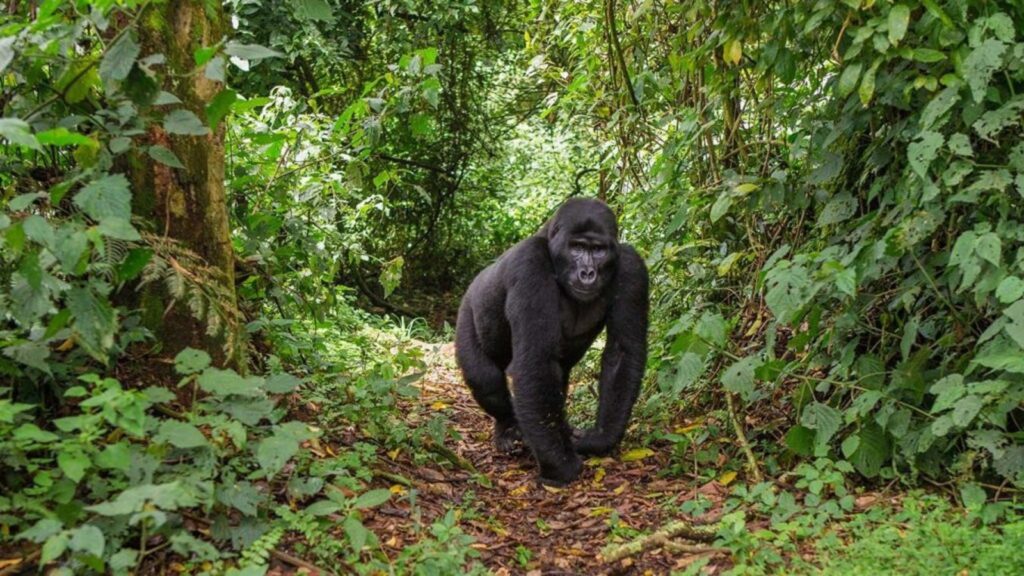
Many gorilla trekking corporate CSR initiatives operate within East Africa’s leading mountain gorilla destinations. Conservation and community projects around Bwindi Impenetrable National Park frequently benefit from corporate support focused on wildlife protection and sustainable development.
Businesses also contribute to programs associated with Mgahinga Gorilla National Park, where conservation efforts support both mountain gorillas and local communities.
In Rwanda, many CSR initiatives are linked to Volcanoes National Park, where conservation tourism has become an important driver of environmental and social development.
These destinations provide ideal platforms for companies seeking meaningful conservation partnerships.
Conclusion
Gorilla trekking corporate CSR represents a powerful opportunity for businesses to align corporate responsibility with wildlife conservation, community development, and environmental sustainability. Through strategic partnerships and targeted investments, companies can contribute directly to the protection of mountain gorillas while creating positive social and environmental outcomes.
From supporting ranger operations and conservation research to funding schools, healthcare projects, and reforestation initiatives, corporate involvement generates benefits that extend far beyond tourism. Employees, communities, conservation organizations, and wildlife all benefit from well-designed CSR programs.
As businesses continue to prioritize sustainability and social impact, gorilla trekking corporate CSR initiatives are likely to play an increasingly important role in supporting conservation success and responsible tourism across East Africa.