Gorilla Trekking Offset Flight Emissions: A Guide to Sustainable Gorilla Safaris in Africa
Gorilla trekking is one of the most extraordinary wildlife experiences on Earth. Every year, travelers journey from Europe, North America, Asia, Australia, and other parts of the world to visit mountain gorillas in the forests of Uganda, Rwanda, and the Democratic Republic of Congo. While these adventures create unforgettable memories and support wildlife conservation, they also involve long-distance flights that generate carbon emissions. This growing awareness has led many environmentally conscious travelers to explore ways to offset gorilla trekking flight emissions and reduce the environmental impact of their safari.
Air travel remains one of the largest contributors to a traveler’s carbon footprint. A round-trip international flight to East Africa can produce significant greenhouse gas emissions, contributing to global climate change. Since mountain gorillas depend on healthy forest ecosystems, climate change poses long-term challenges for the habitats that support these endangered primates. As a result, many visitors are seeking ways to balance their travel emissions while continuing to support conservation tourism.
Offsetting flight emissions has become an increasingly popular option for travelers who want their gorilla trekking adventure to align with sustainability goals. Through carbon offset programs, visitors can support projects that reduce emissions, restore forests, and strengthen environmental conservation efforts throughout Africa and beyond.
What Does Gorilla Trekking Offset Flight Emissions Mean?
The phrase “gorilla trekking offset flights” refers to the process of compensating for the carbon emissions produced by flights taken to reach gorilla trekking destinations. Travelers achieve this by purchasing carbon offsets that fund projects designed to remove carbon dioxide from the atmosphere or prevent additional greenhouse gas emissions.
Carbon offset programs support activities such as reforestation, forest conservation, renewable energy development, clean cooking technologies, and community-based environmental projects. These initiatives generate measurable environmental benefits that help balance the emissions associated with air travel.
When travelers purchase offsets, the funds are directed toward verified projects that meet recognized environmental standards. Although carbon offsets do not eliminate the emissions created by flying, they provide a practical mechanism for supporting environmental improvements elsewhere.
Many gorilla trekkers choose offsets because they allow them to contribute positively to conservation while enjoying one of Africa’s most iconic wildlife experiences.
Why Flight Emissions Matter for Gorilla Conservation
The relationship between gorilla trekking, offset flight emissions, and conservation may not seem obvious at first, but climate change can directly and indirectly affect mountain gorilla habitats. Changes in rainfall patterns, temperature fluctuations, extreme weather events, and ecosystem disruptions can influence the forests where gorillas live.
Mountain gorillas inhabit limited geographic areas, making them particularly vulnerable to environmental changes. Conservation organizations increasingly recognize that protecting gorillas requires attention not only to poaching and habitat loss but also to broader environmental challenges.
Travelers who offset their emissions help support projects that contribute to climate action. Many offset programs focus on forest protection, which benefits biodiversity while storing large amounts of carbon. These projects often complement conservation goals by preserving ecosystems that support wildlife.
By choosing to offset emissions, visitors can strengthen the connection between tourism and environmental responsibility.
How Carbon Offsets Work
Understanding the process behind gorilla trekking offset flight emissions helps travelers make informed decisions. Carbon offsets are typically calculated based on the distance traveled, aircraft type, passenger load, and other operational factors that influence emissions.
After estimating emissions, travelers purchase an equivalent amount of carbon credits. Each carbon credit generally represents one metric ton of carbon dioxide reduced, avoided, or removed through a certified environmental project.
The funds generated through offset purchases support projects that produce measurable environmental outcomes. Independent verification organizations often monitor these projects to ensure they deliver the promised carbon benefits.
This system allows travelers to support environmental improvements while acknowledging the impact of their flights.
Forest Conservation and Reforestation Projects
Many gorilla trekking offset flight emissions programs focus on forest conservation because forests play a critical role in absorbing and storing carbon dioxide. Protecting existing forests prevents carbon from being released into the atmosphere, while reforestation projects increase future carbon storage capacity.
Tree-planting initiatives often restore degraded landscapes and improve biodiversity. In East Africa, reforestation efforts may also enhance wildlife habitats, improve watershed protection, and support local livelihoods.
Conservation organizations frequently work with communities to establish tree nurseries, plant indigenous species, and maintain restored forests. These efforts generate environmental benefits that continue for decades after the initial planting activities.
The long-term nature of forest conservation makes it one of the most popular forms of carbon offsetting for wildlife travelers.
Community Benefits of Carbon Offset Projects
One reason many travelers support gorilla trekking offset flight emissions initiatives is that carbon projects often provide benefits beyond climate action. Community participation is central to the success of many environmental programs.
Carbon-funded initiatives may create employment opportunities through tree planting, forest management, renewable energy projects, and environmental monitoring activities. Local communities may also benefit from improved energy access, sustainable agriculture programs, education initiatives, and conservation training.
When communities receive tangible benefits from environmental projects, they are often more motivated to support conservation goals. This creates a positive relationship between climate action, economic development, and wildlife protection.
The social impact of carbon projects can be as significant as their environmental benefits.
Sustainable Tourism and Responsible Travel
The concept of gorilla trekking offsetting flight emissions fits within the broader framework of sustainable tourism. Responsible travelers increasingly seek ways to minimize their environmental footprint while maximizing positive contributions to conservation and local communities.
Offsetting emissions is often combined with other sustainable practices such as choosing eco-friendly accommodations, reducing waste, supporting local businesses, conserving water, and respecting wildlife guidelines during gorilla trekking experiences.
These actions collectively help reduce tourism’s environmental impact while increasing its conservation value. Travelers who adopt responsible practices often leave a more positive legacy in the destinations they visit.
Sustainable tourism strengthens the long-term viability of wildlife conservation and community development programs.
Choosing a Reliable Carbon Offset Programme
Not all carbon offset projects are identical, so travelers interested in gorilla trekking offset flight emissions should evaluate programs carefully. Reputable projects typically provide transparent information regarding their environmental objectives, carbon calculations, community benefits, and verification processes.
Independent certification standards help ensure that projects generate genuine environmental benefits. Travelers should look for programs that demonstrate accountability, measurable outcomes, and long-term sustainability.
Projects linked to forest conservation, habitat restoration, and community development often provide additional benefits beyond carbon reduction alone. These broader impacts can make offset contributions more meaningful and effective.
Choosing high-quality projects increases confidence that carbon offset purchases are making a real difference.
Gorilla Destinations and Climate-Conscious Travel
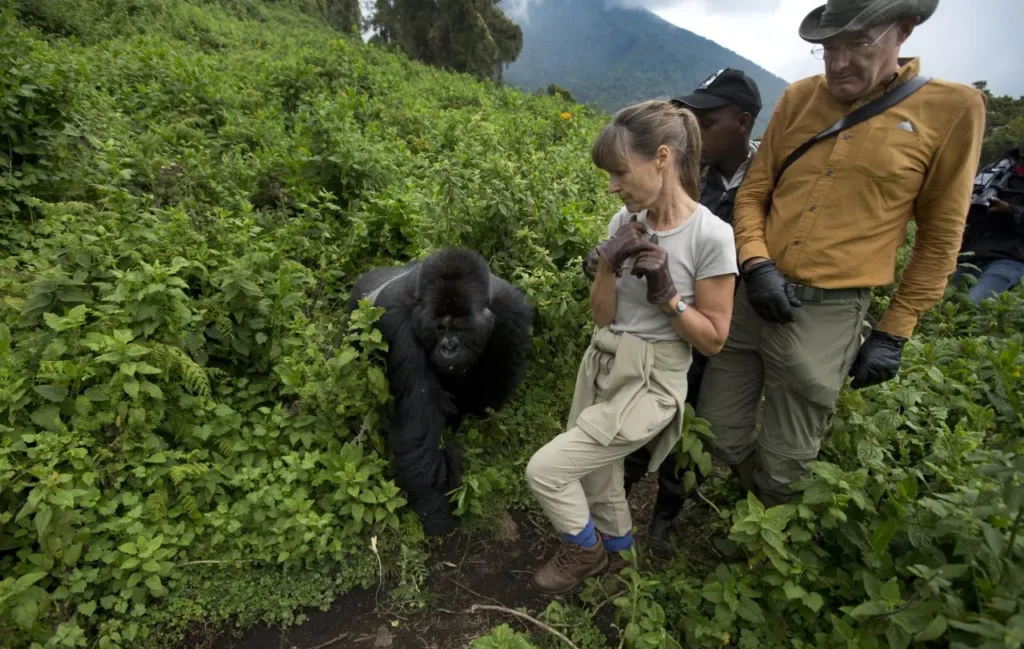
Many travelers who explore gorilla trekking offset flight emissions options visit East Africa’s leading mountain gorilla destinations. Uganda’s Bwindi Impenetrable National Park remains one of the world’s most important mountain gorilla habitats and a leading destination for conservation-focused tourism.
Visitors also travel to Mgahinga Gorilla National Park, where gorilla conservation forms part of the larger Virunga ecosystem protection effort.
In Rwanda, Volcanoes National Park attracts travelers who often combine luxury tourism with environmental sustainability initiatives.
These destinations highlight the growing connection between wildlife tourism, conservation funding, and climate-conscious travel.
Conclusion
Choosing to offset gorilla trekking flight emissions is a practical way for travelers to support environmental sustainability while enjoying one of Africa’s most remarkable wildlife experiences. Carbon offset programs help fund forest conservation, reforestation, renewable energy projects, and community development initiatives that contribute to climate action and biodiversity protection.
While offsets do not eliminate the emissions generated by air travel, they allow visitors to participate in meaningful environmental solutions that complement gorilla conservation efforts. As awareness of sustainable tourism continues to grow, more travelers are recognizing the importance of balancing adventure with responsibility.
For anyone planning a gorilla trekking safari in Uganda, Rwanda, or elsewhere in Africa, offsetting flight emissions offers an opportunity to support a healthier future for both mountain gorillas and the ecosystems they depend upon.