Gorilla Trekking ESG Investment: The Growing Impact of Sustainable Conservation Finance
Environmental, Social, and Governance (ESG) investing has become one of the most influential trends in global finance. Investors increasingly seek opportunities that generate positive environmental and social outcomes while delivering sustainable long-term value. As a result, conservation-focused tourism projects have begun attracting attention from impact investors, sustainability funds, development organizations, and responsible businesses. Within this landscape, gorilla trekking ESG investment has emerged as a unique example of how conservation, tourism, and community development can align with modern investment principles.
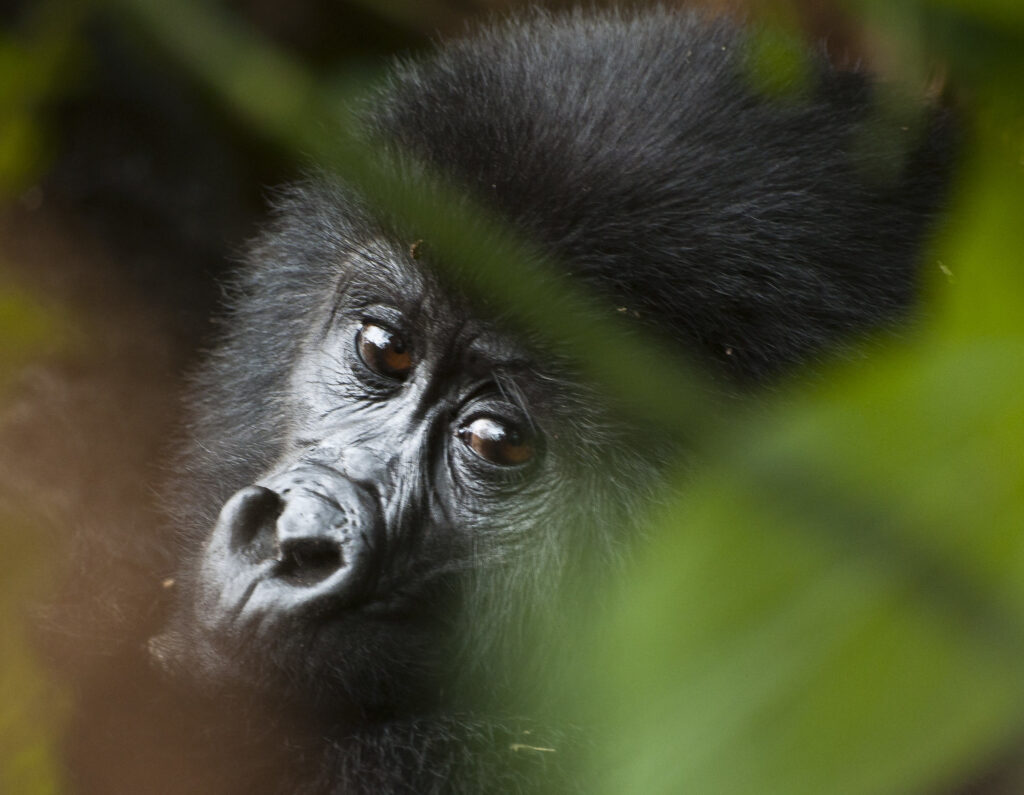
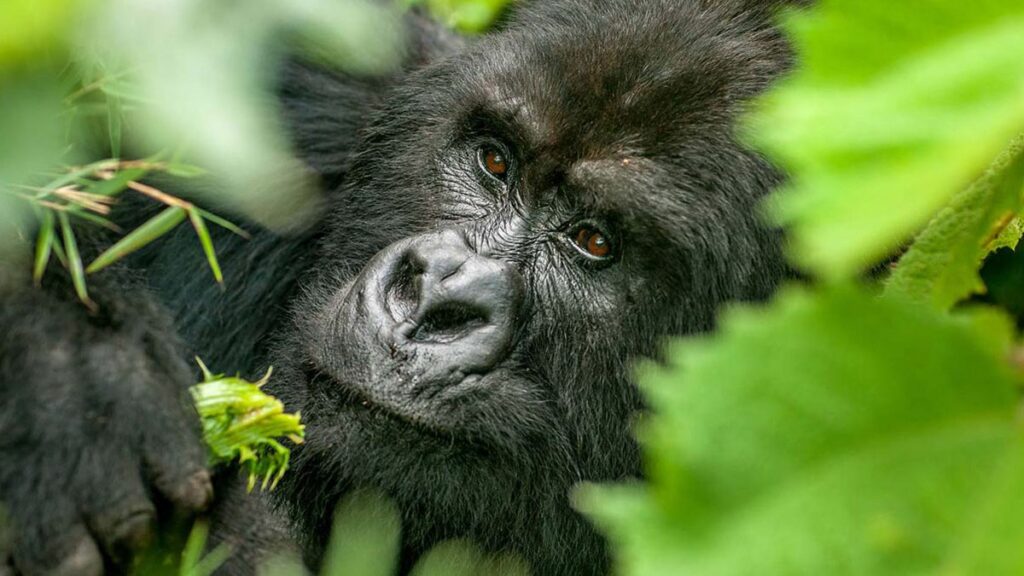
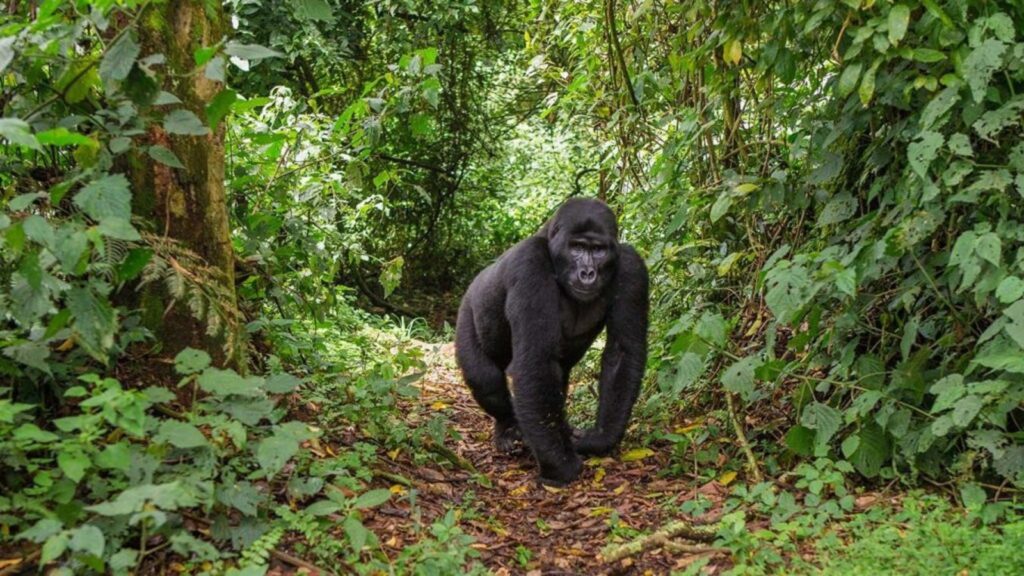
Mountain gorillas are among the world’s most endangered and protected wildlife species. Their survival depends on healthy ecosystems, effective conservation programs, strong governance, and sustainable economic incentives for local communities. Gorilla trekking tourism provides a mechanism through which conservation generates economic value while encouraging habitat protection and community participation.
For ESG-focused investors, gorilla conservation landscapes offer opportunities to support biodiversity protection, climate resilience, sustainable livelihoods, and responsible governance. The combination of measurable environmental impact and community benefits has positioned gorilla tourism as a compelling case study in sustainable investment. As global demand for responsible investment opportunities grows, gorilla trekking ESG investments continue to attract increasing attention.
What Is Gorilla Trekking ESG Investment?
Gorilla trekking ESG investment refers to financial investments, partnerships, funding initiatives, or development projects that support gorilla tourism and conservation while meeting environmental, social, and governance standards. These investments may come from private investors, impact investment funds, conservation finance institutions, development agencies, philanthropic organizations, or sustainability-focused corporations.
Unlike traditional tourism investments that focus primarily on financial returns, ESG investments seek to balance economic performance with positive environmental and social outcomes. In the context of gorilla tourism, this often includes funding eco-lodges, conservation programs, community enterprises, renewable energy projects, habitat restoration initiatives, sustainable infrastructure, and conservation research.
The goal is to create long-term value that benefits investors, local communities, wildlife conservation efforts, and the environment. Successful ESG projects demonstrate that economic growth and environmental protection can coexist.
This integrated approach has become increasingly important as investors prioritize sustainability alongside financial performance.
Environmental Benefits of Gorilla Tourism Investments
The environmental component of gorilla trekking ESG investments is one of its strongest attractions. Mountain gorillas survive within protected forests that also serve as critical biodiversity hotspots and carbon storage systems.
Investment in gorilla tourism helps generate financial incentives for protecting these forests. Revenue from tourism supports habitat management, anti-poaching patrols, wildlife monitoring, conservation research, veterinary programs, and ecosystem restoration projects. These activities contribute directly to biodiversity conservation and environmental sustainability.
Protected forests also play a significant role in climate regulation. Healthy forest ecosystems absorb carbon dioxide, protect watersheds, reduce soil erosion, and support countless plant and animal species. By helping finance conservation activities, ESG investments contribute to broader environmental objectives beyond gorilla protection alone.
Investors increasingly recognize biodiversity conservation as an important component of environmental sustainability strategies.
Social Impact and Community Development
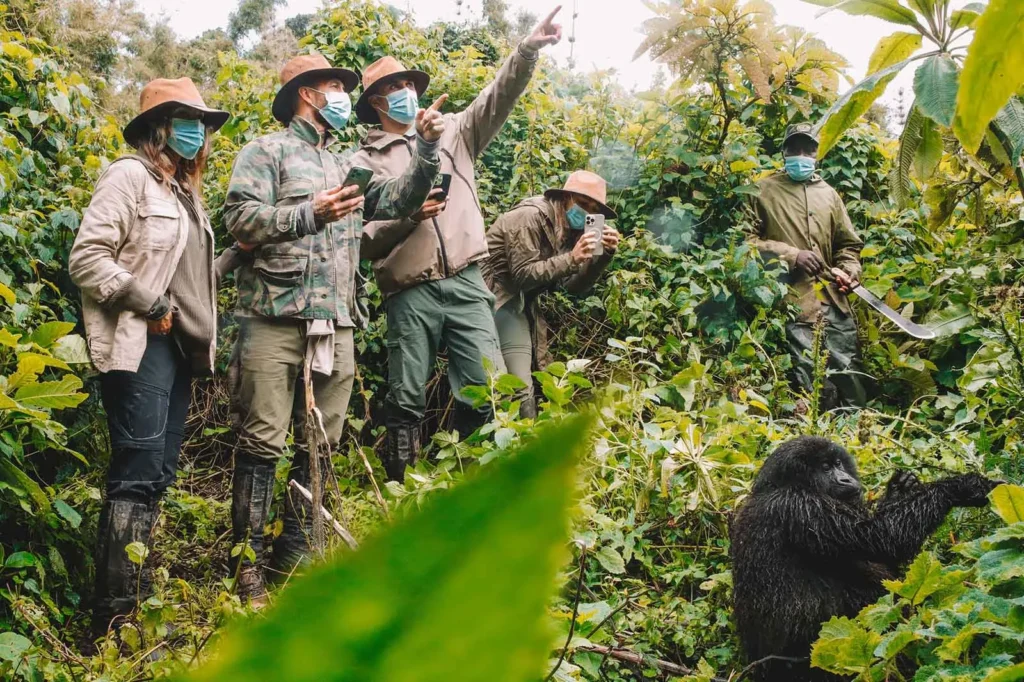
A major strength of gorilla trekking ESG investment lies in its ability to generate meaningful social benefits. Communities living near gorilla habitats play a crucial role in conservation success, making social investment an essential part of sustainable tourism development.
Tourism revenue supports employment opportunities, community enterprises, education programs, healthcare services, infrastructure improvements, vocational training initiatives, and local business development. These benefits help improve living standards while creating economic incentives for conservation.
Many conservation organizations also share tourism revenue with surrounding communities through structured benefit-sharing programs. These mechanisms ensure that local residents receive direct advantages from wildlife protection efforts.
For ESG investors, the ability to demonstrate measurable social impact is often just as important as environmental performance. Gorilla tourism provides numerous opportunities to achieve both objectives simultaneously.
Governance and Conservation Management
Governance is the third pillar of gorilla trekking ESG investment, and it plays a critical role in determining the effectiveness of conservation and tourism initiatives. Strong governance frameworks help ensure transparency, accountability, regulatory compliance, and responsible resource management.
Wildlife authorities, conservation organizations, tourism operators, and community stakeholders must work together to maintain sustainable tourism systems. Effective governance helps prevent corruption, improve financial management, strengthen conservation outcomes, and ensure equitable distribution of tourism benefits.
Investors increasingly evaluate governance standards before committing capital to conservation-related projects. Well-managed gorilla tourism destinations often demonstrate strong institutional structures, clear conservation policies, and transparent reporting mechanisms.
These governance characteristics enhance investor confidence while supporting long-term sustainability.
Gorilla Tourism as an Impact Investment Opportunity
Many experts view gorilla trekking ESG investment as a form of impact investing because it seeks measurable environmental and social outcomes alongside financial sustainability. Unlike purely philanthropic donations, impact investments aim to create lasting systems that generate ongoing benefits.
Eco-lodges, conservation tourism enterprises, sustainable transportation services, community tourism ventures, and conservation infrastructure projects can all attract ESG-oriented investors. These investments often contribute directly to local economic development while supporting conservation goals.
As demand for sustainable tourism experiences continues to grow globally, well-managed gorilla tourism projects may offer attractive long-term opportunities. Investors increasingly recognize that environmental stewardship can enhance rather than limit economic potential.
The combination of conservation impact and sustainable tourism demand makes the sector particularly appealing.
Climate Change and Natural Capital Protection
The relationship between gorilla trekking, ESG investment, and climate resilience is becoming increasingly important. Mountain gorilla habitats are located within forests that provide significant ecosystem services and natural capital benefits.
Protecting these ecosystems contributes to climate adaptation and mitigation efforts. Forest conservation reduces carbon emissions, protects biodiversity, improves water security, and enhances ecosystem resilience against environmental change.
Many ESG investors now incorporate natural capital considerations into their investment decisions. Gorilla conservation landscapes offer opportunities to support both biodiversity protection and climate action through a single investment framework.
This dual benefit strengthens the appeal of conservation-focused investment strategies.
Measuring ESG Performance in Gorilla Tourism
One of the defining features of ESG investment is the emphasis on measurable outcomes. Investors increasingly seek evidence demonstrating that projects are delivering meaningful environmental, social, and governance benefits.
Environmental indicators may include forest protection, habitat restoration, biodiversity conservation, and carbon sequestration outcomes. Social metrics often measure employment creation, income generation, education support, healthcare improvements, and community participation.
Governance indicators may assess transparency, stakeholder engagement, regulatory compliance, and financial accountability. Together, these measurements help investors evaluate the effectiveness of their contributions.
Reliable data and transparent reporting are essential for maintaining investor confidence and demonstrating long-term impact.
Challenges and Opportunities
Although gorilla trekking ESG investment offers significant potential, it also faces challenges. Tourism markets can fluctuate due to economic conditions, global events, travel restrictions, and changing consumer preferences. Conservation projects also require long-term commitment and careful management.
However, growing interest in sustainable tourism, biodiversity conservation, and responsible investment continues to create new opportunities. Governments, conservation organizations, development institutions, and private investors are increasingly exploring innovative financing mechanisms that support conservation-based economies.
As awareness of environmental sustainability expands, the demand for high-quality ESG investment opportunities is expected to increase. Gorilla tourism is well positioned to benefit from this trend.
The sector’s ability to combine conservation, community development, and economic value remains one of its greatest strengths.
Key Gorilla Destinations Benefiting from ESG Investments
Many gorilla trekking ESG investment initiatives focus on East Africa’s most important mountain gorilla habitats. Conservation and tourism projects in Bwindi Impenetrable National Park attract investment aimed at protecting biodiversity while supporting sustainable tourism development.
Additional projects operate around Mgahinga Gorilla National Park, where conservation activities contribute to both wildlife protection and community development.
In Rwanda, investment opportunities associated with Volcanoes National Park continue to attract interest from organizations seeking to support conservation, sustainable tourism, and local economic growth.
These destinations demonstrate how conservation landscapes can serve as platforms for responsible investment.
Conclusion
Gorilla trekking ESG investment represents a powerful example of how conservation, tourism, and sustainable finance can work together to create long-term value. By supporting mountain gorilla protection, community development, climate resilience, and responsible governance, ESG investments generate benefits that extend far beyond financial returns.
As investors increasingly prioritize environmental sustainability and social impact, gorilla tourism offers a compelling opportunity to align capital with meaningful conservation outcomes. Protected forests, thriving communities, strong governance systems, and sustainable tourism enterprises all contribute to the sector’s growing appeal.
The future of gorilla trekking ESG investment will likely be shaped by continued demand for responsible investment opportunities that demonstrate measurable impact while supporting one of Africa’s most important conservation success stories.