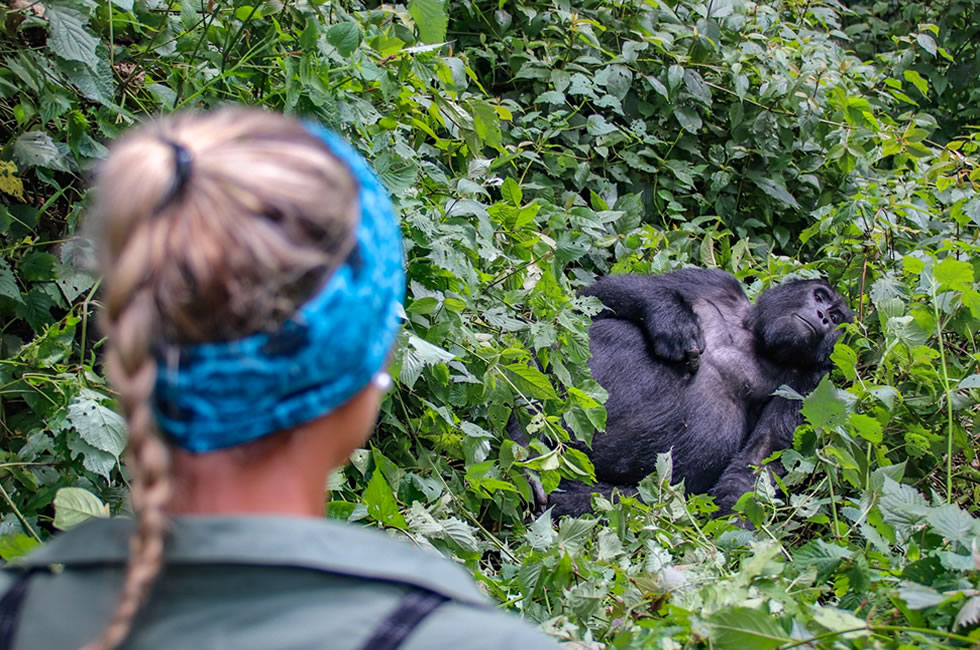
Gorilla Safari Visitor Demographic Profile: Understanding Who Travels for Gorilla Safaris
Gorilla safaris rank among Africa’s most exclusive and sought-after wildlife experiences. Every year, travelers from around the world journey to Uganda and Rwanda to observe endangered mountain gorillas in their natural habitat. While the experience itself remains the main attraction, tourism stakeholders increasingly seek to understand the gorilla safari visitor demographic profile in order to improve services, develop targeted marketing strategies, and enhance visitor experiences.
A demographic profile provides valuable insights into the characteristics of travelers who participate in gorilla safaris. It examines factors such as age, nationality, income level, travel motivations, education, occupation, and travel behavior. Understanding these characteristics helps safari operators, lodges, conservation organizations, and tourism authorities create products and services that meet visitor expectations while supporting sustainable tourism development.
The gorilla safari market has evolved significantly over the past two decades. What was once considered a niche adventure activity now attracts luxury travelers, conservation enthusiasts, photographers, families, retirees, and corporate groups. This diversity reflects the growing global appeal of gorilla tourism and highlights the importance of understanding the people who contribute to its continued success.
What Is a Gorilla Safari Visitor Demographic Profile?
A gorilla safari visitor demographic profile is a detailed description of the typical travelers who participate in gorilla trekking and related wildlife experiences. It helps tourism stakeholders understand who their customers are, what motivates them to travel, and how they make purchasing decisions.
Demographic profiling involves analyzing various characteristics that influence travel behavior. These characteristics include age groups, gender distribution, country of origin, income levels, education backgrounds, travel preferences, and booking patterns. Together, these factors create a clearer picture of the individuals who visit mountain gorilla destinations.
Understanding visitor demographics helps tourism businesses allocate resources effectively and improve customer satisfaction. A luxury lodge may tailor its services differently from a budget safari operator because each serves distinct customer segments. Similarly, tourism authorities can use demographic information to identify emerging markets and strengthen promotional campaigns in key regions.
As gorilla tourism continues to expand, visitor demographic analysis plays an increasingly important role in guiding tourism development and conservation planning.
Age Profile of Gorilla Safari Visitors
Age remains one of the most significant components of the gorilla safari visitor demographic profile. Industry observations consistently show that most gorilla safari visitors fall between the ages of 40 and 60. This demographic often has the financial resources and travel flexibility needed to undertake international wildlife adventures.
Many travelers within this age group view gorilla trekking as a bucket-list experience. After years of planning or dreaming about visiting Africa, they finally decide to invest in a premium wildlife encounter that combines adventure, conservation, and cultural exploration.
Retirees also represent an important segment of the gorilla tourism market. Many visitors in their sixties and seventies participate successfully in gorilla trekking, especially when supported by experienced guides and porters. At the same time, younger travelers in their twenties and thirties continue to contribute to the market, particularly among adventure tourists, photographers, and conservation-minded visitors.
The broad age range demonstrates that gorilla safaris appeal to multiple generations, making them one of Africa’s most diverse wildlife tourism products.
Nationality and Geographic Distribution
The nationality of visitors forms another important aspect of the gorilla safari demographic profile. International travelers dominate the gorilla tourism market, with significant visitor numbers arriving from North America and Europe.
The United States consistently ranks among the largest source markets for gorilla safaris. American travelers often combine gorilla trekking with broader African safari itineraries, visiting multiple countries during a single trip. The United Kingdom, Germany, France, the Netherlands, and Belgium also contribute substantial visitor numbers due to strong interest in wildlife conservation and adventure tourism.
Asian markets continue to grow steadily. Travelers from China, Japan, India, Singapore, and South Korea increasingly view gorilla trekking as a unique international travel experience. Improved air connectivity and growing awareness of East African tourism have contributed to this trend.
Regional tourism is also expanding. East African residents increasingly participate in gorilla trekking, supported by special permit pricing and growing interest in domestic tourism. This diversification strengthens the long-term sustainability of the industry and reduces reliance on international markets alone.
Income and Spending Characteristics
Gorilla safaris typically attract travelers with moderate to high disposable incomes. Gorilla permits, international flights, accommodation, transportation, and safari services require a substantial financial commitment, making the experience more accessible to travelers with sufficient travel budgets.
Many visitors belong to professional and managerial occupations, including business executives, healthcare professionals, academics, entrepreneurs, and retirees. These travelers often prioritize unique experiences over traditional vacations and view gorilla trekking as a worthwhile investment.
Luxury travelers represent a particularly important segment within the demographic profile. Rwanda, especially, attracts high-end visitors seeking premium accommodations, personalized service, and exclusive safari experiences. Uganda appeals to a broader range of budgets, attracting both luxury and mid-range travelers.
Despite the cost of participation, visitors generally perceive gorilla trekking as offering exceptional value due to its rarity, conservation significance, and emotional impact.
Education and Conservation Awareness
Education levels among gorilla safari visitors tend to be relatively high. Many travelers possess university degrees and demonstrate strong interest in wildlife conservation, environmental sustainability, and cultural learning.
Conservation awareness frequently influences travel decisions. Visitors often choose gorilla safaris not only for wildlife viewing but also because permit revenues contribute directly to conservation efforts and community development projects. This connection between tourism and conservation resonates strongly with environmentally conscious travelers.
Educational interests extend beyond mountain gorillas themselves. Many visitors seek to learn about forest ecosystems, biodiversity, local cultures, and conservation challenges. Guided interpretation plays a vital role in meeting these expectations and enhancing the overall visitor experience.
The high level of environmental awareness among visitors contributes positively to conservation outcomes and encourages responsible tourism practices.
Travel Motivations and Interests
Understanding visitor motivations provides important insights into the gorilla safari demographic profile. While the desire to see mountain gorillas remains the primary motivation, travelers often pursue additional goals during their journeys.
Many visitors seek transformative experiences that create lasting memories. Observing gorillas in their natural habitat offers a level of emotional engagement that few wildlife encounters can match. Others travel specifically for photography, hoping to capture rare images of one of the world’s most endangered primates.
Adventure tourism also plays a significant role. Trekking through dense rainforest, navigating rugged terrain, and exploring remote landscapes appeal to travelers seeking active experiences. Cultural exploration often complements wildlife activities, with many visitors choosing to interact with local communities and learn about regional traditions.
Some travelers are motivated primarily by conservation. They view gorilla tourism as an opportunity to contribute directly to wildlife protection while supporting sustainable development initiatives.
Preferred Gorilla Safari Destinations
Visitor demographics influence destination preferences across Uganda and Rwanda. Uganda’s Bwindi Impenetrable National Park attracts a broad range of travelers due to its extensive permit availability and diverse accommodation options. Budget, mid-range, and luxury visitors all find suitable experiences within the park.
Mgahinga Gorilla National Park appeals to travelers seeking a quieter atmosphere and opportunities to combine gorilla trekking with golden monkey tracking and volcanic scenery.
In Rwanda, Volcanoes National Park attracts a higher proportion of luxury and time-conscious travelers. Its proximity to Kigali and premium tourism infrastructure make it especially appealing to visitors seeking convenience and comfort.
These destinations collectively serve a wide demographic spectrum while maintaining strong conservation standards.
Why Demographic Profiles Matter for Gorilla Tourism
Understanding the gorilla safari visitor demographic profile benefits every stakeholder involved in gorilla tourism. Safari operators can design more effective marketing campaigns, improve customer service, and develop products tailored to visitor needs. Lodges can refine accommodation offerings, while tourism authorities can target emerging markets more effectively.
Demographic insights also support conservation planning. Understanding visitor motivations and behaviors helps create educational programmes that strengthen conservation awareness and encourage responsible tourism practices.
As competition within the global tourism industry increases, detailed knowledge of visitor demographics becomes increasingly valuable. Businesses that understand their customers can deliver better experiences and build stronger long-term relationships.
Conclusion
The gorilla safari visitor demographic profile reveals a diverse and highly engaged audience united by a shared interest in wildlife, conservation, and meaningful travel experiences. Most visitors are middle-aged professionals with strong environmental awareness, although younger travelers, retirees, and regional tourists continue to contribute to the market’s growth.
Whether visiting Bwindi Impenetrable National Park, Mgahinga Gorilla National Park, or Volcanoes National Park, travelers bring diverse backgrounds and motivations to their gorilla safari experiences.
By understanding these demographic characteristics, tourism stakeholders can enhance visitor satisfaction, strengthen conservation support, and ensure the continued success of gorilla tourism across East Africa.