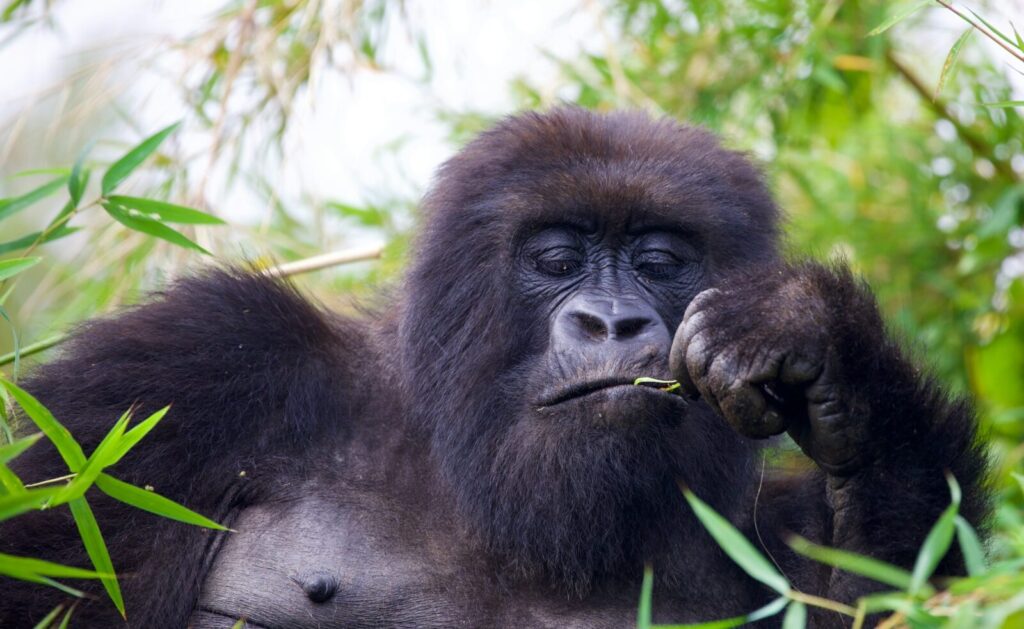
Gorilla Permit Visa Rwanda: Complete Guide to Gorilla Permit and Visa Requirements for Rwanda
Rwanda has earned a global reputation as one of the best destinations for mountain gorilla trekking. Every year, thousands of travelers visit the country to experience the unforgettable opportunity of observing endangered mountain gorillas in their natural habitat. Before planning this remarkable adventure, visitors must understand both the gorilla permit and visa requirements. Understanding the gorilla permit visa Rwanda process is essential for a smooth and successful trip.
Many travelers mistakenly assume that a gorilla permit allows entry into Rwanda. In reality, a gorilla permit and a visa are separate travel requirements. A visa grants legal entry into Rwanda, while a gorilla permit authorizes participation in gorilla trekking activities.
This guide explains everything travelers need to know about Rwanda gorilla permits, visa requirements, application procedures, travel documentation, and practical planning tips.
Understanding the Difference Between a Gorilla Permit and a Visa
A gorilla permit and a visa serve two completely different purposes.
A visa is an official travel document that allows a foreign visitor to enter Rwanda legally. Immigration authorities issue visas according to national travel regulations.
A gorilla permit is a conservation and tourism document issued through the Rwanda Development Board. It grants visitors access to mountain gorilla trekking within designated protected areas.
Most international visitors need both a valid visa and a confirmed gorilla permit before beginning their safari.
Understanding this distinction helps travelers avoid unnecessary confusion during trip planning.
What Is a Rwanda Gorilla Permit?
A Rwanda gorilla permit is an official authorization that allows a visitor to participate in mountain gorilla trekking.
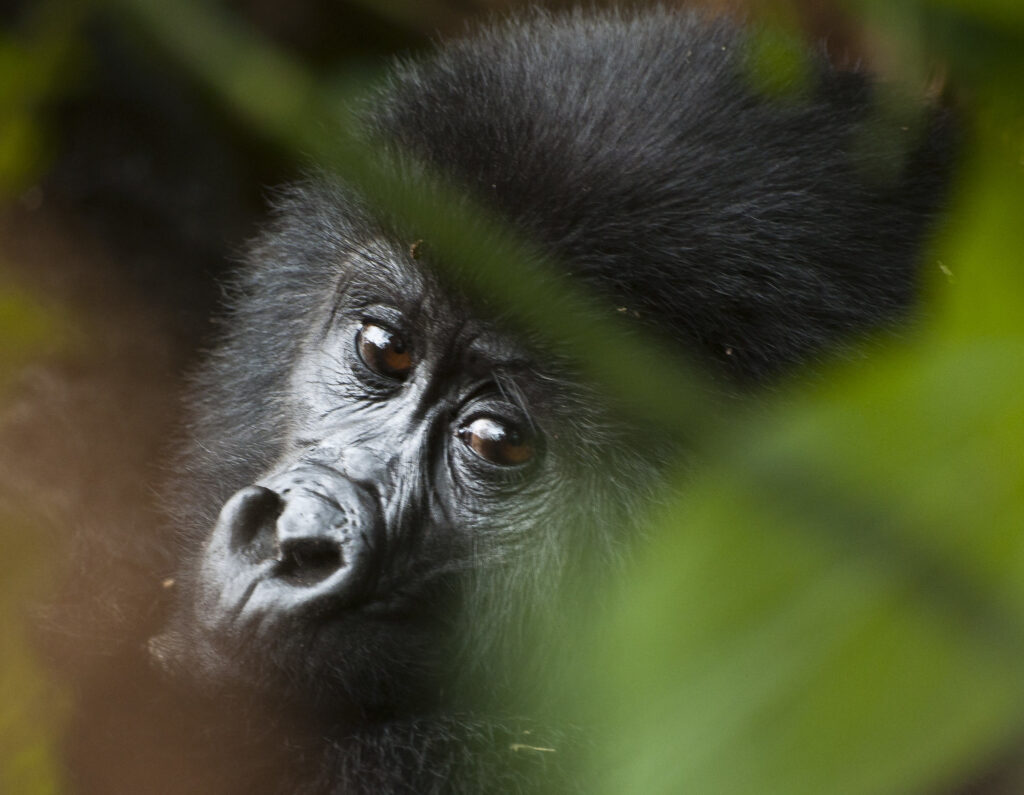
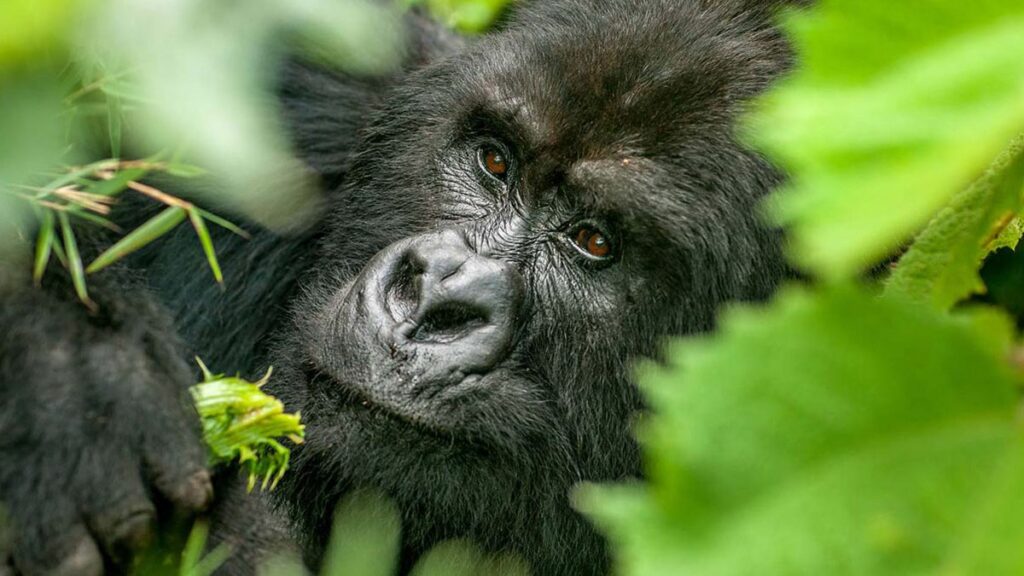
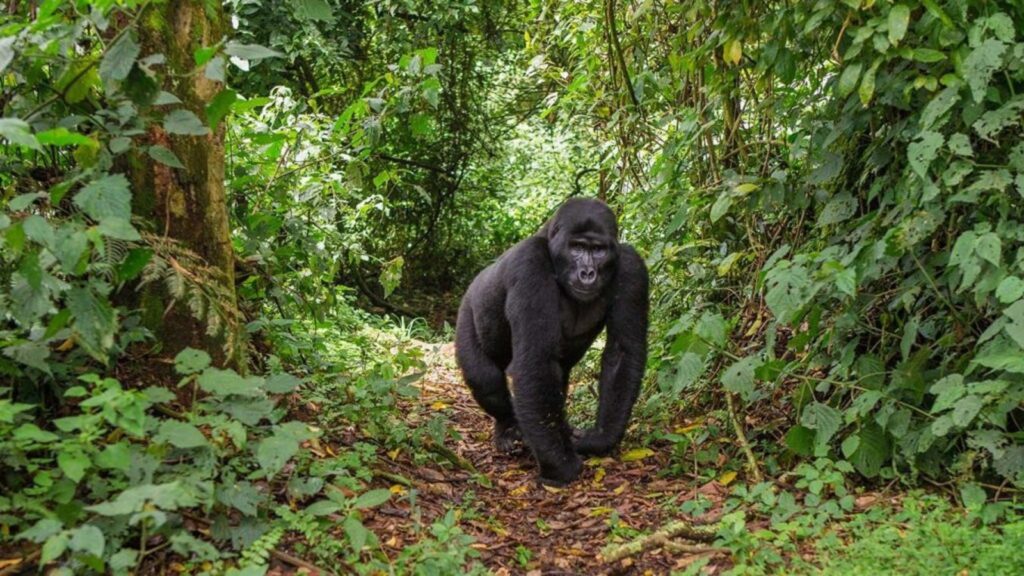
The permit grants access to a habituated gorilla family in Volcanoes National Park. Once guides and trackers locate the assigned gorilla group, visitors are permitted to spend one hour observing the animals in their natural environment.
Each permit is issued for a specific trekking date and individual traveler.
Permit revenue contributes directly to conservation efforts and sustainable tourism development.
Why Gorilla Permits Are Required
Mountain gorillas remain one of the world’s most protected wildlife species.
The permit system helps regulate visitor numbers, minimize human impact, reduce disease transmission risks, and generate funding for conservation programs. Revenue supports ranger patrols, habitat protection, veterinary care, scientific research, anti-poaching operations, and community development projects.
Without the permit system, long-term gorilla conservation would face significant challenges.
Every permit purchased contributes to the protection of endangered mountain gorillas.
Do You Need a Visa to Visit Rwanda?
Many international travelers require a visa to enter Rwanda, although requirements vary depending on nationality.
Rwanda has developed a visitor-friendly immigration system that supports tourism and international travel. Some nationalities may qualify for visa exemptions, while others must obtain visas before or upon arrival.
Travelers should verify the latest entry requirements before making travel arrangements.
Immigration policies can change, and official information should always be consulted before departure.
Types of Visas Suitable for Gorilla Trekking Visitors
Several visa options may be available depending on your travel plans.
Rwanda Tourist Visa
The tourist visa is the most common option for travelers visiting Rwanda for gorilla trekking and other tourism activities.
It allows visitors to enter the country for leisure travel, wildlife experiences, cultural activities, and sightseeing.
Most gorilla trekking visitors use this visa category.
East Africa Tourist Visa
Many travelers combine gorilla trekking in Rwanda with visits to neighboring countries.
The East African Community offers the East Africa Tourist Visa, which allows eligible travelers to visit Rwanda, Uganda, and Kenya under a single visa arrangement.
This option can simplify travel logistics for visitors planning multi-country safaris.
The visa provides flexibility and convenience for regional exploration.
Should You Book Your Gorilla Permit Before Applying for a Visa?
In most cases, securing a gorilla permit should be a priority.
Gorilla permits are limited and often sell out months in advance, particularly during peak travel seasons. A confirmed permit establishes your trekking date and helps coordinate the rest of your travel plans.
Once the permit has been secured, travelers can proceed with visa applications, accommodation reservations, and flight bookings.
This approach reduces the risk of planning a trip around unavailable permit dates.
Early permit reservations provide greater certainty.
Documents Required for a Rwanda Visa
Visa requirements vary according to nationality and individual circumstances.
Travelers generally need a valid passport, travel itinerary information, accommodation details, and supporting travel documents. Additional requirements may apply depending on immigration regulations and the visitor’s country of origin.
Passports should remain valid for the required period beyond the intended stay.
Verifying requirements early helps avoid delays and complications.
Documents Required for a Gorilla Permit
Obtaining a gorilla permit requires accurate personal information.
Travelers typically provide their full name, nationality, passport details, and preferred trekking date during the reservation process. This information allows the Rwanda Development Board to allocate permits correctly and verify visitor eligibility.
The information provided must match the traveler’s passport exactly.
Errors can create complications during registration procedures.
Can You Book a Gorilla Permit Without a Visa?
Yes.
Many travelers reserve gorilla permits before obtaining a visa. Since permit availability is limited, securing a permit early is often the best strategy.
Most tour operators recommend obtaining the permit first and then completing visa arrangements afterward. This sequence helps ensure that preferred trekking dates remain available.
Waiting until after visa approval may reduce permit options.
Early planning offers the greatest flexibility.
How Far in Advance Should You Book a Gorilla Permit?
Advance booking is strongly recommended.
During peak tourism periods, permits can sell out six to twelve months before the intended trekking date. Travelers planning honeymoon trips, family vacations, or peak-season safaris should begin the reservation process as early as possible.
Early reservations provide more choices regarding dates, accommodations, and safari itineraries.
They also reduce the stress associated with last-minute planning.
How Far in Advance Should You Apply for a Rwanda Visa?
Although processing times vary, travelers should submit visa applications well before departure.
Applying early allows sufficient time for document review and approval procedures. It also provides flexibility in case additional documentation becomes necessary.
Waiting until the final weeks before travel can create unnecessary uncertainty.
Advance preparation remains the safest approach.
What Happens if Your Visa Application Is Delayed?
Visa delays can sometimes affect travel schedules.
Travelers experiencing delays should communicate with their tour operator or travel coordinator immediately. Depending on the situation, alternative arrangements or itinerary adjustments may be possible.
Travel insurance can also help protect against financial losses associated with travel disruptions.
Preparation and communication are key when unexpected issues arise.
Why Travel Insurance Is Important
Travel insurance provides valuable protection for international travelers.
A comprehensive policy may cover trip cancellations, medical emergencies, travel interruptions, lost luggage, and transportation delays. While insurance does not replace visa or permit requirements, it helps reduce financial risks associated with unforeseen circumstances.
Many experienced safari travelers consider insurance an essential component of travel planning.
The peace of mind it provides can be invaluable.
Common Mistakes Travelers Make
Several common errors can complicate travel preparations.
Some visitors mistakenly believe that a gorilla permit serves as an entry visa. Others wait too long to secure permits or submit visa applications. Inaccurate passport information and incomplete documentation can also create avoidable problems.
Careful preparation helps prevent these challenges.
Attention to detail is critical throughout the planning process.
Combining Gorilla Trekking With Other Rwanda Attractions
Many travelers choose to extend their visit beyond gorilla trekking.
Rwanda offers opportunities to explore Nyungwe National Park, known for chimpanzee trekking and canopy walks, as well as Akagera National Park, which offers traditional wildlife safaris.
Visitors can also spend time in Kigali, one of Africa’s cleanest and most welcoming cities.
Combining multiple attractions creates a richer and more rewarding travel experience.
Why Proper Planning Matters
Successful gorilla trekking adventures begin long before arrival in Rwanda.
Securing permits early, understanding visa requirements, maintaining accurate documentation, and working with reputable safari operators help eliminate unnecessary complications.
Good planning ensures that travelers can focus on the excitement of encountering mountain gorillas rather than administrative concerns.
Preparation contributes significantly to a smooth and memorable safari.
Conclusion
Understanding the gorilla permit visa Rwanda requirements is essential for anyone planning a gorilla trekking adventure in Rwanda. A gorilla permit grants access to the trekking experience, while a visa allows legal entry into the country. Most travelers will need both documents to complete their journey successfully.
By securing permits early, verifying visa requirements, organizing travel documentation, and planning well in advance, visitors can avoid common challenges and enjoy a seamless safari experience. Rwanda’s commitment to conservation, tourism excellence, and visitor satisfaction makes it one of the world’s most rewarding destinations for gorilla trekking.
With proper preparation, travelers can look forward to an unforgettable encounter with one of the planet’s most extraordinary wildlife species.