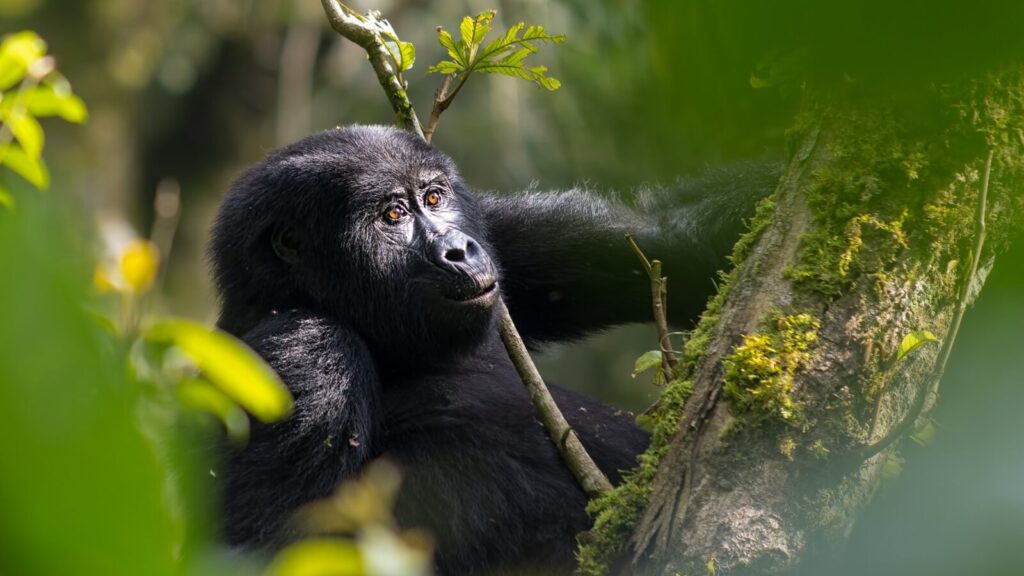
Gorilla Permit Cancellation Uganda: Understanding Uganda’s Gorilla Permit Cancellation Policy
Booking a gorilla trekking permit is often the first and most important step in planning a gorilla safari in Uganda. Since permits are limited and highly sought after, travelers are usually required to make advance payments months before their intended trekking dates. However, unexpected situations can arise, leading visitors to cancel or postpone their trips. This makes it essential to understand the gorilla permit cancellation Uganda policy before making a reservation.
Whether a cancellation results from illness, travel restrictions, flight disruptions, personal emergencies, or changes in travel plans, knowing the applicable rules can help travelers make informed decisions and avoid unnecessary financial losses.
This guide explains Uganda’s gorilla permit cancellation policy, refund procedures, rescheduling options, and important considerations for travelers planning a gorilla trekking adventure.
What Is a Gorilla Permit?
A gorilla permit is an official authorization issued by the Uganda Wildlife Authority that allows a visitor to participate in mountain gorilla trekking.
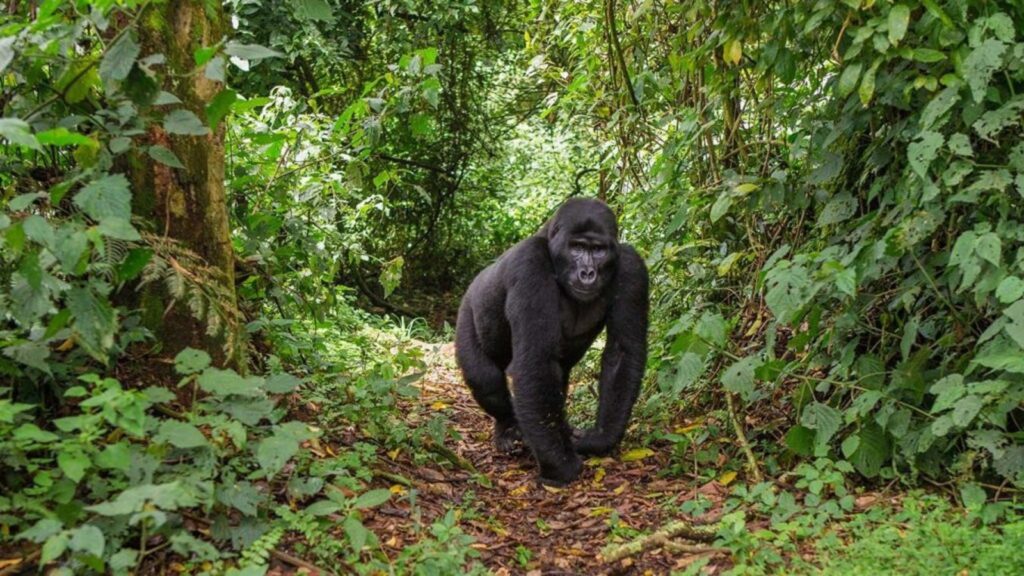
The permit grants access to habituated gorilla families found in Bwindi Impenetrable National Park and Mgahinga Gorilla National Park.
Each permit is valid for a specific date and allows visitors to spend one hour observing mountain gorillas in their natural habitat under the supervision of trained guides and rangers.
Because the number of permits available each day is limited, cancellation policies are necessary to manage permit allocations effectively.
Why Uganda Has a Gorilla Permit Cancellation Policy
Gorilla permits play a vital role in conservation funding.
Revenue generated from permit sales supports ranger patrols, veterinary care, anti-poaching operations, habitat protection, community projects, and park management activities. Since permit numbers are strictly controlled, cancellations can affect both tourism operations and conservation revenue.
The cancellation policy helps the Uganda Wildlife Authority manage permit inventory while maintaining financial sustainability for conservation programs.
It also provides a framework for handling unforeseen circumstances that may prevent visitors from traveling.
Understanding Gorilla Permit Cancellation Uganda Rules
Uganda Wildlife Authority generally applies cancellation policies based on the amount of notice provided before the trekking date.
The earlier a traveler cancels, the greater the likelihood of qualifying for a partial refund. This approach gives wildlife authorities an opportunity to resell permits to other visitors and recover lost revenue.
Late cancellations typically receive smaller refunds or may not qualify for refunds at all because it becomes more difficult to allocate the permit to another traveler.
Travelers should always verify the current policy at the time of booking because regulations can change.
How Refunds Are Typically Calculated
Refund eligibility usually depends on how far in advance the cancellation occurs.
When travelers provide substantial notice before the trekking date, wildlife authorities may offer a percentage refund based on the applicable cancellation schedule. As the trekking date approaches, the refundable amount often decreases.
In cases where cancellations occur very close to the trekking date, permits may become non-refundable.
This structure encourages early communication and helps wildlife authorities manage permit availability efficiently.
What Happens If You Cancel Through a Tour Operator?
Many travelers purchase permits through safari operators rather than directly through wildlife authorities.
In such cases, the cancellation process usually involves both the Uganda Wildlife Authority policy and the operator’s own booking conditions. Tour operators may apply additional administrative fees or service charges depending on their terms and conditions.
Travelers should carefully review operator policies before confirming a reservation.
Understanding both sets of rules helps avoid misunderstandings later.
Can Gorilla Permits Be Rescheduled Instead of Cancelled?
In certain situations, rescheduling may be possible.
Rather than canceling entirely, travelers may request a change of trekking date if permit availability allows. The ability to reschedule depends on current permit inventory, timing, and wildlife authority regulations.
Rescheduling can be an attractive option for visitors whose travel plans change but who still intend to complete the trek at a later date.
Approval is not automatic, so travelers should communicate with their booking provider as early as possible.
Medical Emergencies and Gorilla Permit Cancellations
Medical emergencies represent one of the most common reasons for cancellation requests.
When serious illness or injury prevents travel, wildlife authorities may require supporting documentation such as medical reports or physician statements. Depending on the circumstances and applicable policies, special consideration may be granted.
Travel insurance often becomes particularly valuable in these situations.
Travelers should keep all medical records and supporting documents readily available if a claim becomes necessary.
Flight Disruptions and Travel Delays
International travel sometimes involves unexpected disruptions.
Flight cancellations, missed connections, airline strikes, and transportation delays can affect a visitor’s ability to reach the trekking destination on time. Unfortunately, these situations do not automatically guarantee permit refunds.
Travel insurance may help cover certain losses associated with travel disruptions.
Travelers should review their insurance policies carefully before departure.
The Importance of Travel Insurance
Travel insurance provides one of the best forms of protection against unforeseen events.
A comprehensive travel insurance policy may cover trip cancellations, medical emergencies, flight disruptions, and other circumstances that could affect a gorilla trekking itinerary. While insurance does not replace the official cancellation policy, it can help reduce financial risk.
Many experienced travelers consider insurance essential when planning high-value wildlife safaris.
The additional cost often provides valuable peace of mind.
Can Gorilla Permits Be Transferred to Another Person?
In most cases, gorilla permits are issued under specific traveler names and personal details.
Transfer policies vary depending on wildlife authority regulations and booking circumstances. Some situations may allow adjustments, while others may require entirely new reservations.
Travelers should never assume that permits can be transferred freely without prior authorization.
Any changes should be coordinated through the appropriate booking channels.
How to Request a Gorilla Permit Cancellation
The cancellation process generally begins with notifying the booking provider as soon as possible.
Travelers who booked directly should contact the Uganda Wildlife Authority or the designated permit office. Those who booked through safari operators should communicate directly with their operator.
The request should include booking references, traveler information, trekking dates, and any supporting documentation relevant to the cancellation.
Prompt communication improves the likelihood of a smooth resolution.
Common Mistakes Travelers Make
Many travelers wait too long before notifying their booking provider about cancellations.
Others assume that travel disruptions automatically qualify for refunds or fail to review cancellation policies before booking. Some visitors also neglect to purchase travel insurance, leaving themselves financially exposed when unexpected situations arise.
Understanding the policy in advance helps avoid these common problems.
Preparation remains one of the best ways to protect your travel investment.
Why Early Communication Matters
Early communication benefits both travelers and wildlife authorities.
When cancellations are reported quickly, permit managers have a better opportunity to allocate the permit to another visitor. This increases the likelihood of refund eligibility while helping maintain conservation revenue.
Delayed communication often reduces available options and may result in greater financial losses.
The sooner a traveler reports a problem, the more solutions may be available.
Conservation Considerations Behind Cancellation Policies
Gorilla permit cancellation policies exist for more than administrative reasons.
Permit revenue supports critical conservation initiatives that protect mountain gorillas and their habitat. Wildlife authorities must balance visitor flexibility with the need to maintain stable funding for conservation operations.
The policy helps ensure that conservation programs continue receiving the support necessary for long-term success.
Every permit contributes to the protection of one of the world’s most endangered primates.
Conclusion
Understanding the gorilla permit cancellation Uganda policy is an important part of planning a successful gorilla trekking safari. While cancellation and refund options may be available under certain circumstances, eligibility generally depends on the timing of the request and the specific conditions that apply at the time of booking.
Travelers can protect themselves by reviewing cancellation policies carefully, communicating promptly when problems arise, maintaining proper documentation, and purchasing comprehensive travel insurance. These precautions help reduce financial risk and provide greater flexibility when unexpected events occur.
With proper preparation and a clear understanding of cancellation procedures, visitors can plan their Uganda gorilla trekking adventure with greater confidence and peace of mind.