Game Drive Queen Elizabeth National Park: Complete Guide to the Best Wildlife Safari Experience
Introduction
A game drive queen experience in Elizabeth National Park is one of the highlights of any Uganda safari. Located in western Uganda, Queen Elizabeth National Park is the country’s most popular savannah wildlife destination, covering approximately 1,978 square kilometers of diverse landscapes that include open grasslands, acacia woodlands, crater lakes, tropical forests, wetlands, and the famous Kazinga Channel. These varied ecosystems support an impressive concentration of wildlife, making every game drive unique and rewarding.
The park is home to more than 95 mammal species and over 600 bird species, offering visitors excellent opportunities to observe Africa’s iconic wildlife in their natural habitat. From the famous tree-climbing lions of Ishasha to large elephant herds, buffaloes, Uganda kobs, leopards, hyenas, and countless bird species, Queen Elizabeth National Park provides unforgettable safari experiences throughout the year.
Whether you are visiting Uganda for a dedicated wildlife holiday or combining the park with mountain gorilla trekking in Bwindi Impenetrable National Park, a game drive remains an essential part of the journey.
Why Choose a Game Drive in Queen Elizabeth National Park?
Queen Elizabeth National Park offers one of the richest wildlife experiences in East Africa.
Its remarkable diversity of habitats allows visitors to encounter a wide variety of mammals, reptiles, birds, and breathtaking landscapes during a single safari. Unlike parks dominated by only one ecosystem, Queen Elizabeth combines savannah plains, volcanic crater lakes, river systems, wetlands, and tropical forests that support an exceptional range of wildlife.
This diversity makes the game drive in Queen Elizabeth National Park experience suitable for first-time safari visitors, photographers, families, and experienced wildlife enthusiasts alike.
Wildlife You Can See During a Game Drive
Game drives provide opportunities to observe many of Uganda’s most iconic animals.
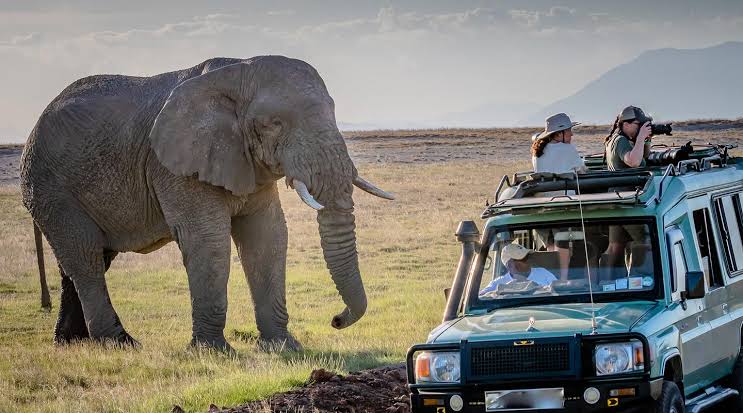
Visitors regularly encounter African elephants, African buffaloes, Uganda kobs, waterbucks, warthogs, topis, giant forest hogs, bushbucks, and olive baboons grazing across the open plains. Predators such as lions, leopards, spotted hyenas, and side-striped jackals also inhabit the park, although sightings depend on timing, weather, and the skill of experienced safari guides.
The abundance of wildlife ensures that every drive offers exciting discoveries.
The Famous Tree-Climbing Lions
One of the park’s greatest attractions is the famous tree-climbing lions.
These unique lions inhabit the Ishasha sector in the southern part of Queen Elizabeth National Park, where they frequently rest high in the branches of giant fig trees. Their unusual behavior has made Ishasha internationally famous and attracts photographers and wildlife enthusiasts from around the world.
Observing lions relaxing above the savannah is one of the most memorable experiences during a Uganda safari.
Best Game Drive Areas
Several regions within the park provide outstanding wildlife viewing.
The Kasenyi Plains are considered the premier game drive destination, offering reliable sightings of lions, elephants, buffaloes, Uganda kobs, and numerous antelope species. The Ishasha sector is renowned for tree-climbing lions, while areas surrounding the Mweya Peninsula frequently produce excellent elephant and buffalo encounters.
Exploring different sectors increases the variety of wildlife visitors can observe during their safari.
Morning Game Drives
Morning game drives begin shortly after sunrise.
The cooler temperatures encourage wildlife activity as predators continue hunting and herbivores graze across the plains before the day’s heat intensifies. Morning light also provides ideal conditions for wildlife photography, producing beautiful natural colors and soft shadows.
Many visitors consider morning drives the most productive time for observing lions and leopards.
Afternoon and Evening Game Drives
Afternoon game drives reveal different wildlife behavior.
As temperatures begin to fall, many animals become increasingly active. Elephants leave shaded woodland areas to feed, buffaloes gather near water sources, and predators prepare for evening hunting. The golden light before sunset creates spectacular photographic opportunities across the park’s beautiful landscapes.
Evening drives often conclude with unforgettable African sunsets.
Birdwatching During Game Drives
Game drives also provide excellent birdwatching opportunities.
Queen Elizabeth National Park supports more than 600 bird species, making it one of Africa’s finest birding destinations. Visitors frequently observe African Fish Eagles, Grey Crowned Cranes, Saddle-billed Storks, Martial Eagles, Secretary Birds, Abyssinian Ground Hornbills, Yellow-billed Storks, and numerous kingfishers, weavers, bee-eaters, and raptors.
Bird enthusiasts often record dozens of species during a single drive.
Best Time for Game Drives
Wildlife viewing remains rewarding throughout the year.
The relatively dry seasons from June to August and December to February generally provide better visibility because vegetation becomes shorter and animals gather around permanent water sources. However, game drives continue successfully during the rainy seasons, when lush landscapes create beautiful scenery and abundant grazing attracts herbivores.
Early morning and late afternoon consistently offer the highest wildlife activity.
Combining a Game Drive with Other Activities
Queen Elizabeth National Park offers much more than traditional game viewing.
Many visitors combine game drives with a boat safari along the Kazinga Channel, where they observe hippos, crocodiles, elephants, buffaloes, and hundreds of waterbirds from close range. Others add chimpanzee tracking in Kyambura Gorge, crater lake tours, cultural experiences, or birdwatching excursions.
The park also pairs perfectly with gorilla trekking in nearby Bwindi Impenetrable National Park.
What to Bring
Comfortable clothing in neutral colors, binoculars, sunscreen, insect repellent, a wide-brimmed hat, drinking water, a camera with a telephoto lens, and a lightweight jacket for early morning drives are recommended.
Keeping equipment easily accessible allows visitors to respond quickly when wildlife appears unexpectedly.
Conservation and Responsible Tourism
Game drives contribute directly to wildlife conservation.
Tourism revenue supports anti-poaching operations, habitat protection, scientific research, ranger training, community development, and conservation education led by the Uganda Wildlife Authority. Responsible visitors should remain inside safari vehicles unless instructed otherwise and avoid disturbing wildlife.
Supporting sustainable tourism helps protect the park’s extraordinary biodiversity for future generations.
Conclusion
A game drive in Queen Elizabeth National Park offers one of Uganda’s finest safari experiences. From the famous tree-climbing lions of Ishasha and large elephant herds of Kasenyi to buffaloes, leopards, hippos, and more than 600 bird species, the park provides unforgettable wildlife encounters in spectacular surroundings.
Whether explored as a standalone safari or combined with mountain gorilla trekking, Queen Elizabeth National Park remains one of East Africa’s premier wildlife destinations and a must-visit location for every safari traveler.