Do Gorillas Attack Humans? Understanding the Real Risk in the Wild
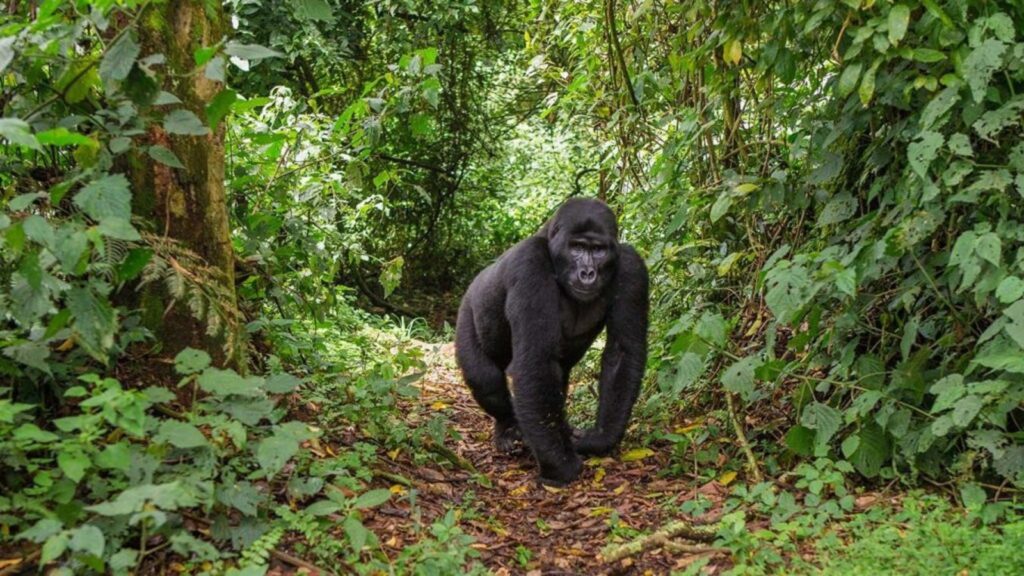
The question “do gorillas attack humans?” often comes from fear created by their size and strength. A silverback gorilla can weigh over 180 kilograms, stand upright with intimidating posture, and display powerful physical force. Despite this, gorillas are not natural aggressors toward humans.
In reality, gorilla attacks on humans are extremely rare. Most encounters in the wild or during trekking experiences remain calm and peaceful. When aggressive behavior does occur, it usually results from fear, stress, or perceived threats rather than a desire to harm humans.
Understanding when and why gorillas react defensively helps separate myth from reality and explains why gorilla trekking remains one of the safest wildlife experiences in Africa.
Are Gorillas Naturally Aggressive?
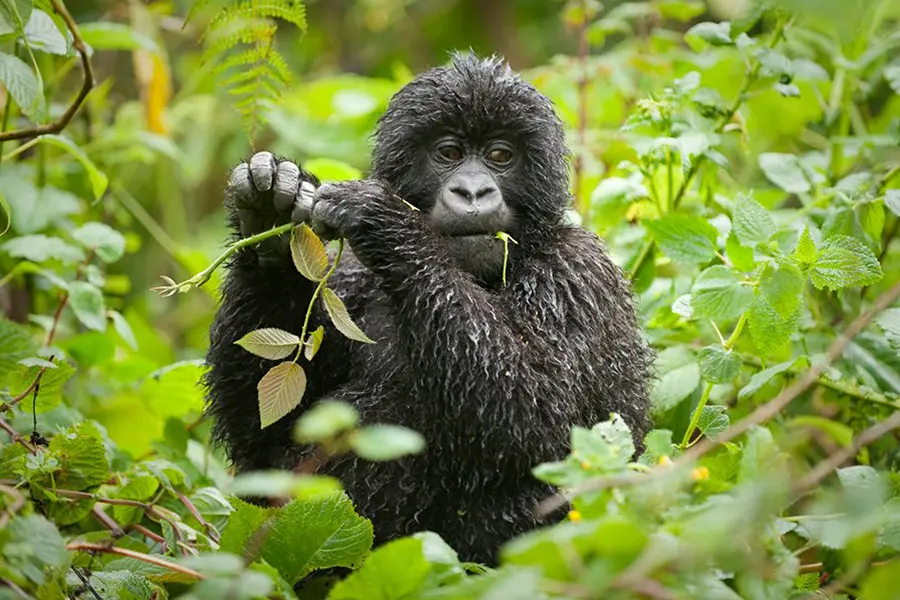
Gorillas are not naturally aggressive animals. They are herbivores that spend most of their time feeding, resting, and caring for their family groups.
Their social structure prioritizes stability and cooperation rather than conflict. Most gorilla groups avoid confrontation whenever possible because injuries in the wild can reduce survival chances.
When gorillas display aggressive behavior, it almost always serves a defensive purpose, not an offensive one.
When Do Gorillas Show Aggression?
Gorillas may show aggressive or defensive behavior in specific situations where they feel threatened. These situations include:
- When humans approach too closely, especially near infants
- When a silverback senses danger to his family group
- When another male gorilla challenges group leadership
- When individuals feel trapped or cornered
- When humans behave loudly or unpredictably
In these moments, gorillas respond with warning signals rather than immediate physical attacks.
Warning Behaviors Before an Attack
Gorillas rarely attack without warning. They use a series of signals to communicate discomfort or fear before escalating.
A silverback may stand upright, beat his chest, vocalize loudly, or perform a short charge toward the perceived threat. These actions aim to intimidate and create distance.
In many cases, the charge stops before physical contact occurs. This behavior is called a bluff charge and serves as a warning, not a full attack.
Once the threat disappears, the gorilla usually returns to normal behavior.
Are Gorilla Attacks on Humans Common?
Gorilla attacks on humans are extremely uncommon. In protected trekking areas like Bwindi Impenetrable National Park, Volcanoes National Park, and Kahuzi-Biega National Park, serious incidents are very rare.
Most recorded situations involve humans breaking rules, such as getting too close, attempting to touch gorillas, or acting unpredictably.
Wild gorillas that are not habituated to humans usually avoid people completely. They prefer to retreat into dense forest rather than engage.
This natural avoidance behavior reduces the risk of confrontation.
Why Gorillas Rarely Attack
Several factors explain why gorillas rarely attack humans.
First, gorillas are not predators. They do not hunt other animals and therefore do not view humans as food or targets.
Second, their social structure depends on avoiding unnecessary injury. A wounded silverback or group member can weaken the entire family.
Third, gorillas rely heavily on warning behavior and communication rather than physical conflict.
These factors make aggression a last resort rather than a first response.
The Role of the Silverback in Defensive Behavior
The silverback plays a central role in protecting the group. When he senses danger, he evaluates the situation quickly.
If he feels threatened, he may use intimidation displays such as chest-beating, loud grunts, or sudden movement toward the source of stress.
These actions are designed to protect the group rather than initiate conflict.
Once the situation stabilizes, the silverback usually returns to calm behavior.
Habituated Gorillas and Human Safety
In gorilla trekking destinations, many gorilla groups undergo a process called habituation. This process allows gorillas to become accustomed to human presence without losing their wild nature.
Habituated gorillas learn that calm, quiet humans do not pose a threat. As a result, they often ignore or calmly tolerate visitors.
This controlled interaction significantly reduces the likelihood of aggressive encounters.
However, habituation does not eliminate risk entirely. Gorillas remain wild animals that can react defensively if provoked.
Can a Gorilla Kill a Human?
Physically, a gorilla is extremely powerful and could seriously injure a human if an attack escalated. However, fatal attacks are exceptionally rare and almost always linked to extreme provocation or unsafe human behavior.
In regulated trekking environments, safety protocols greatly reduce any possibility of harm. Rangers maintain distance, control group behavior, and ensure visitors follow strict guidelines.
This makes gorilla trekking one of the safest primate encounters in the world.
Human Behavior and Safety Around Gorillas
Human actions play the biggest role in preventing conflict.
Gorillas respond strongly to body language, noise, and movement. Calm, quiet behavior signals safety, while sudden movements or loud voices may trigger stress.
Rangers always instruct visitors to maintain distance, avoid direct eye contact with silverbacks, and never attempt to touch gorillas.
Following these rules ensures peaceful coexistence during encounters.
Do Gorillas Attack Without Warning?
No, gorillas almost never attack without warning. They use clear behavioral signals to express discomfort before escalating.
These signals give humans time to back away and reduce tension.
Most interactions end without any physical aggression once proper distance is restored.
Conclusion
Gorillas do not typically attack humans. They are peaceful, intelligent herbivores that prefer to avoid conflict whenever possible.
When aggression does occur, it is almost always defensive, triggered by fear, stress, or perceived threats—especially near family groups or infants.
In regulated gorilla trekking environments, attacks are extremely rare due to strict safety rules and habituation programs.
The truth is simple: gorillas are powerful animals, but they are not naturally dangerous to humans when respected and left undisturbed.