Baby Gorilla Facts: What Safari Visitors Should Know
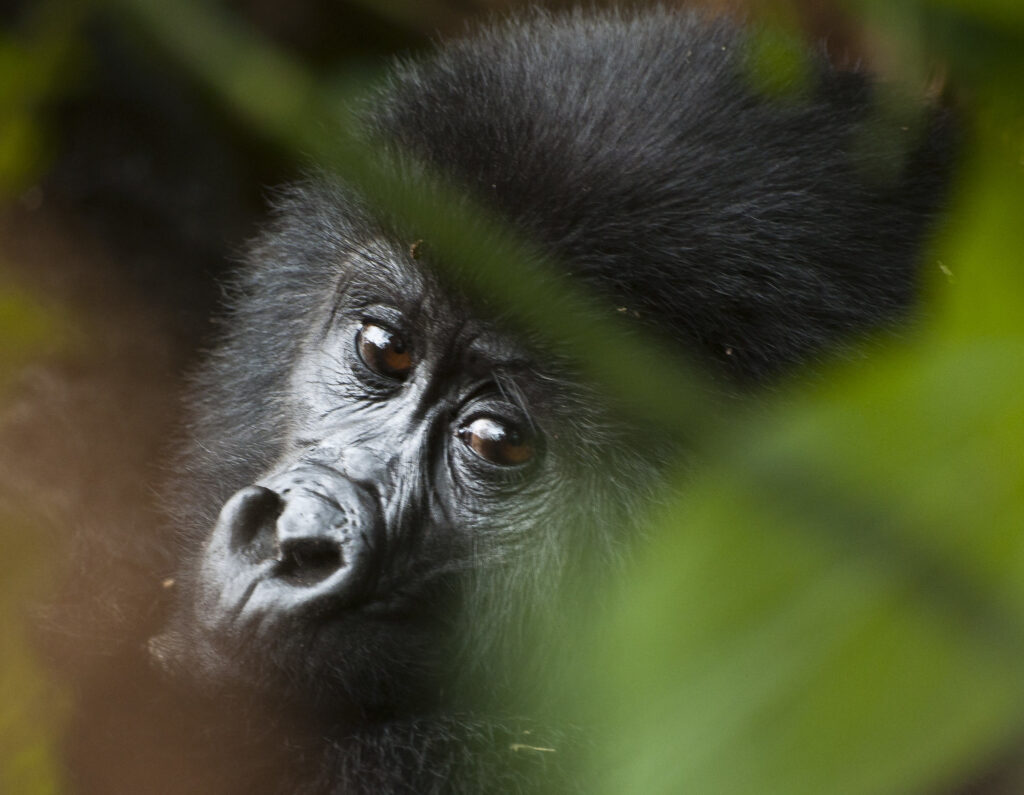
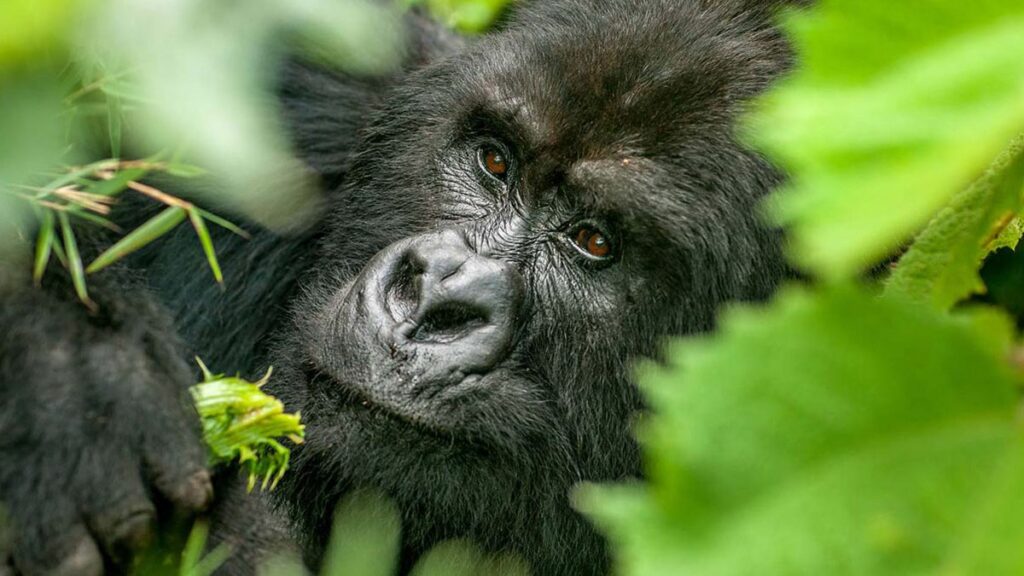
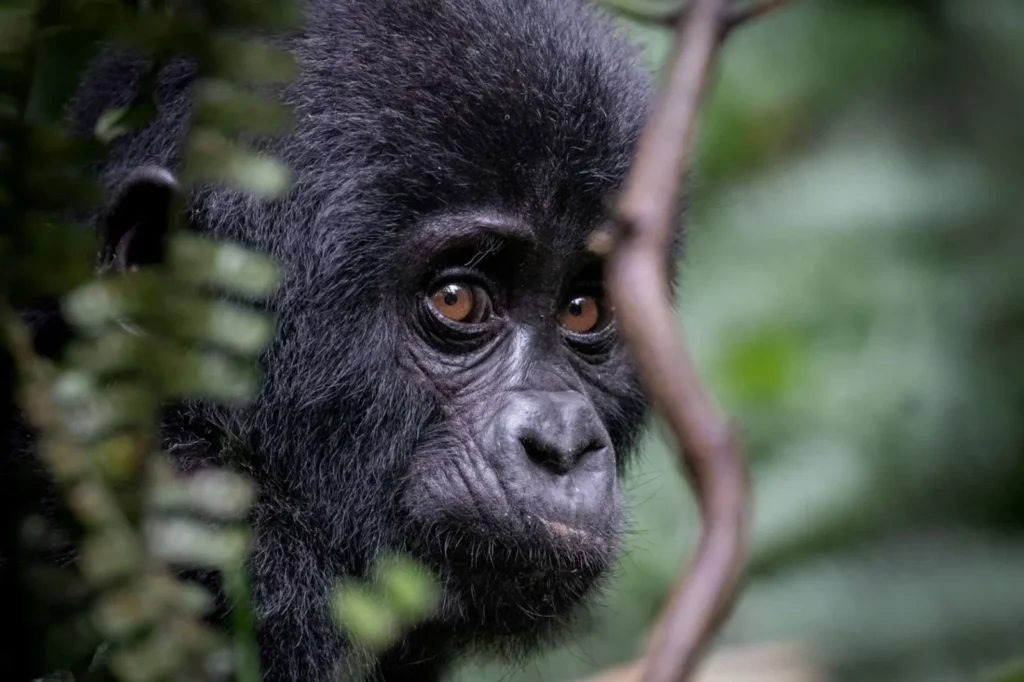
Learning about baby gorilla facts can make a mountain gorilla trekking experience even more fascinating. Baby mountain gorillas are among the most captivating animals visitors can encounter in Uganda and Rwanda. Their playful behavior, close relationship with their mothers, and gradual development within the gorilla family provide travelers with a unique opportunity to observe the social life of these endangered great apes.
Baby gorillas spend their earliest months almost constantly close to their mothers. As they grow, they become increasingly curious and begin exploring their surroundings, interacting with other young gorillas, and learning important behaviors from adults. Despite their playful appearance, visitors must remember that baby gorillas are wild animals and should never be approached, touched, or deliberately attracted.
Understanding how infants develop also helps visitors appreciate why gorilla trekking rules emphasize distance, quiet observation, and respect for natural behavior.
Baby Gorillas Are Born After a Long Pregnancy
One of the important baby gorilla facts concerns pregnancy. Mountain gorillas have a gestation period of roughly eight and a half months, similar to humans.
Female gorillas usually give birth to a single infant. Twins are possible but extremely rare.
Newborns are small compared with adult gorillas and depend heavily on their mothers during their early development. The mother provides protection, warmth, transportation, and nourishment while the infant gradually develops the strength and coordination needed to become more independent.
Baby Gorillas Stay Close to Their Mothers
A newborn gorilla spends much of its early life in close contact with its mother.
The mother carries the infant while moving through the forest, and the young gorilla gradually learns how to hold onto her body securely.
This close relationship is essential for the infant’s survival.
As the baby becomes stronger, it begins spending more time away from its mother while still returning to her for reassurance and protection.
During a trekking encounter, visitors may see an infant riding on its mother’s back or resting against her body.
Baby Gorillas Depend on Breast Milk
Young gorillas initially depend heavily on their mother’s milk.
Breastfeeding provides essential nutrients during the early stages of development.
As the infant grows, it gradually begins experimenting with solid foods and observing how adults feed.
This transition allows the young gorilla to develop the skills needed to feed independently.
The mother therefore plays an important nutritional and educational role throughout the infant’s early life.
Baby Gorillas Learn by Watching Adults
Another fascinating baby gorilla fact is that young gorillas learn many behaviors through observation.
They watch adults feeding, climbing, moving through vegetation, grooming, communicating, and interacting with other members of the group.
This learning process begins early.
Young gorillas may imitate adults while experimenting with leaves, branches, and other objects.
Social learning helps them develop the skills they will eventually need as independent adults.
Baby Gorillas Are Very Playful
Play is an important part of young gorilla development.
Baby and juvenile gorillas may chase one another, climb, roll, wrestle, jump, or explore their surroundings.
Play helps them develop coordination, strength, balance, and social skills.
It also allows young gorillas to learn appropriate behavior through interactions with other members of their group.
Visitors may find these playful interactions particularly entertaining, but they should observe without attempting to encourage the animals.
Baby Gorillas Explore Their Environment
As babies become stronger, their curiosity increases.
A young gorilla may move a short distance away from its mother to investigate vegetation, branches, or other parts of the forest.
The mother and other group members remain nearby.
This gradual exploration allows the infant to become familiar with its environment while still benefiting from the protection of the family.
Baby Gorillas Have Strong Family Relationships
Mountain gorilla infants grow up within complex social groups.
The mother is usually the most important caregiver, but other members of the family can also interact with young gorillas.
Adults may groom, play with, or tolerate the presence of infants.
Older juveniles can also become important playmates.
These interactions help young gorillas develop social skills and strengthen family relationships.
Silverbacks Protect Baby Gorillas
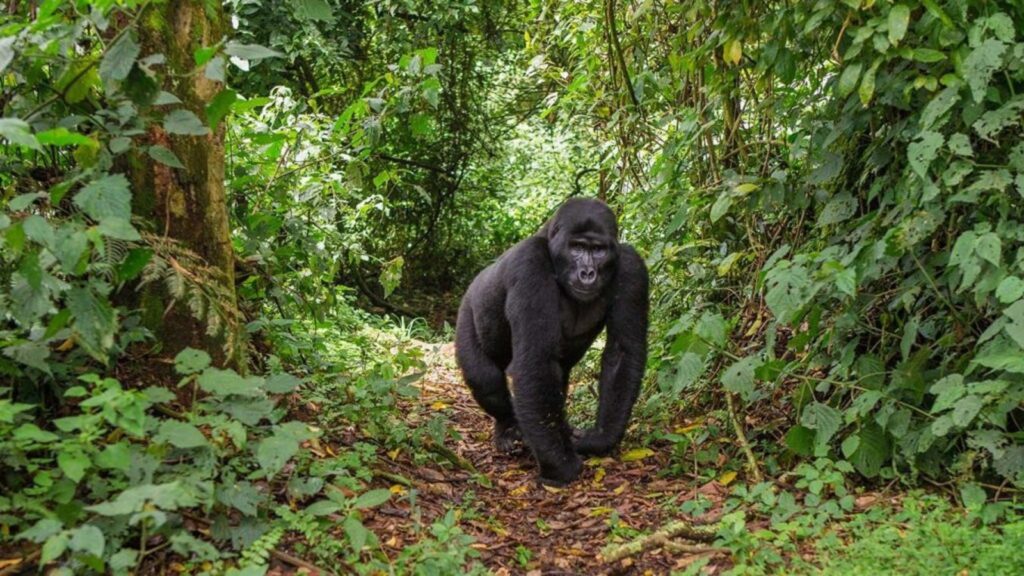
The dominant silverback plays an important protective role within the group.
Although the mother provides most direct infant care, the silverback helps protect the wider family from potential threats.
Visitors may sometimes see a silverback resting near females and young gorillas while monitoring the surrounding area.
His presence contributes to the security of the group.
Baby Gorillas Can Ride on Their Mothers
Young infants often travel by clinging to their mothers.
The mother may carry the baby while walking through vegetation or moving between feeding and resting areas.
As the infant becomes stronger, it spends more time walking and exploring independently.
This gradual transition allows the young gorilla to develop physical independence while remaining connected to its mother.
Baby Gorillas Gradually Become Independent
Baby gorillas do not remain completely dependent on their mothers forever.
As they grow, they become more capable of walking, climbing, feeding, playing, and interacting with other gorillas.
The transition toward independence happens gradually.
Young gorillas continue to maintain close social relationships with their mothers and other family members even after they become increasingly independent.
Baby Gorillas Begin Eating Solid Foods
Although infants initially depend heavily on milk, they gradually begin consuming solid foods.
Young gorillas observe adults feeding and start experimenting with vegetation.
Leaves, stems, shoots, and other edible plant material become increasingly important as the infant grows.
This transition helps develop the feeding skills necessary for adulthood.
Baby Gorillas Spend Time Grooming
Grooming is an important social behavior among gorillas, and young gorillas gradually learn to participate.
An infant may receive grooming from its mother or other members of the family.
As it develops, the young gorilla can begin interacting more actively during grooming sessions.
These interactions help strengthen social bonds.
Baby Gorillas Communicate With Their Families
Young gorillas use vocalizations and body language to communicate.
Infants may make sounds when seeking attention, expressing discomfort, interacting with their mothers, or responding to other gorillas.
They also communicate through physical contact and facial expressions.
As they mature, their communication becomes increasingly complex.
Baby Gorillas Develop at Their Own Pace
Not every young gorilla develops in exactly the same way.
Individual development can vary according to health, nutrition, social conditions, and other factors.
Some infants may become particularly adventurous, while others remain closer to their mothers for longer periods.
These differences contribute to the individual personalities seen within gorilla families.
Baby Gorillas Are Not Pets
One of the most important baby gorilla facts for safari visitors is that gorilla infants are wild animals.
Their small size and human-like expressions can make them appear approachable, but visitors should never attempt to touch, feed, call, or play with them.
A young gorilla that approaches a visitor should still be treated with the same respect as an adult.
The guide should manage the encounter.
Should Visitors Touch a Baby Gorilla?
No.
Visitors should never deliberately touch a baby gorilla.
Even if an infant comes close to the trekking group, travelers should remain calm and follow the guide’s instructions.
Physical contact can create health risks for both humans and gorillas.
Maintaining appropriate distance also helps prevent the animals from becoming accustomed to human interaction.
Can Baby Gorillas Approach Tourists?
A curious young gorilla may sometimes move closer to visitors.
This does not mean that tourists should reach out or attempt to interact with it.
The correct response is to remain calm and allow the guide to manage the encounter.
Visitors should never deliberately attract an infant’s attention.
Why Gorilla Trekking Rules Protect Baby Gorillas
Gorilla trekking regulations exist partly to protect young gorillas and other members of the family.
Maintaining distance reduces stress and helps prevent the transmission of diseases between humans and gorillas.
Quiet observation also allows infants to continue feeding, playing, resting, and interacting naturally.
Responsible tourism therefore benefits both visitors and the animals.
Baby Gorillas and Human Diseases
Mountain gorillas are vulnerable to certain human illnesses.
Because they share many biological characteristics with humans, some diseases can potentially pass between people and gorillas.
Visitors who are sick should follow current trekking regulations and inform their tour operator or park authorities.
Avoiding physical contact is another important way to reduce unnecessary health risks.
Baby Gorillas and Photography
Baby gorillas can provide memorable photography opportunities, but visitors should prioritize animal welfare.
Use the equipment available without moving closer to the animals.
Avoid sudden movements and follow the guide’s instructions.
Do not use photography as a reason to approach an infant.
The best photographs are those captured while the gorilla continues its natural behavior.
Baby Gorillas and Flash Photography
Visitors should follow the rules and instructions provided by park authorities and guides regarding photography equipment.
Where flash photography is prohibited or discouraged, travelers should disable the flash.
Sudden bright flashes can disturb wildlife and interfere with natural behavior.
A respectful photograph should never come at the expense of the animal’s comfort.
Baby Gorillas and Conservation
Baby gorillas represent the future of mountain gorilla populations.
Protecting infants requires protecting their mothers, family groups, and forest habitat.
Conservation programs monitor gorilla families, protect their habitat, support veterinary care where necessary, and work with communities living around protected areas.
Gorilla tourism also contributes to conservation through tourism revenue and employment.
Why Seeing a Baby Gorilla Is Special
Encountering a baby gorilla in the forest can be one of the most memorable moments of a safari.
Visitors may see an infant clinging to its mother, playing with another juvenile, exploring vegetation, or resting within the family.
These moments provide a rare opportunity to observe the early stages of a wild great ape’s life.
The experience becomes even more meaningful when visitors understand the behavior they are witnessing.
What Visitors Should Do Around Baby Gorillas
When encountering a baby gorilla, remain quiet and follow your guide’s instructions.
Maintain the required distance.
Do not reach toward the infant.
Do not attempt to attract its attention.
Do not feed it.
Do not imitate its sounds.
Allow the mother and other gorillas to continue their natural activities.
Responsible observation protects the infant while allowing visitors to enjoy the experience.
Baby Gorilla Facts at a Glance
Baby mountain gorillas are born after a pregnancy lasting roughly eight and a half months.
They usually begin life closely attached to their mothers.
They initially depend heavily on breast milk.
They gradually begin eating solid foods.
They learn important behaviors by watching adults.
They become increasingly playful and independent as they grow.
They develop strong relationships with other members of their family.
They remain wild animals and should never be touched or fed by tourists.
Conclusion
These baby gorilla facts show how fascinating the early life of a mountain gorilla can be. Infants begin life highly dependent on their mothers and gradually develop the strength, coordination, feeding skills, and social abilities needed to become independent members of their family.
Their development takes place within a complex social environment. Mothers provide essential care, other family members contribute to social interactions, and the silverback helps protect the group. Through play, observation, grooming, feeding, and communication, young gorillas learn how to function within their society.
For safari visitors, seeing a baby gorilla can be an unforgettable experience. However, the best way to appreciate these young animals is through respectful observation. Never attempt to touch, feed, call, or play with an infant.
By following trekking regulations and listening to trained guides, visitors can enjoy watching baby gorillas while helping protect the health, behavior, and future of mountain gorilla families.