Top 10 Wildlife Experiences in Africa: Ultimate Safari Guide
Africa offers some of the world’s most extraordinary wildlife experiences, from watching mountain gorillas in misty forests to witnessing enormous herds of wildebeest crossing open grasslands. The continent’s diverse landscapes support an incredible variety of animals, including elephants, lions, chimpanzees, rhinos, giraffes, hippos, whales, and many other species. For travelers who want more than conventional sightseeing, wildlife experiences in Africa provide opportunities to observe animals in environments where natural behavior remains the central attraction.
The top 10 wildlife experiences Africa travelers can enjoy range from traditional game drives to walking safaris, primate trekking, boat excursions, and dramatic seasonal wildlife events. Each experience offers something different, depending on the destination, wildlife species, season, and style of adventure. Some experiences involve tracking animals on foot, while others allow travelers to observe wildlife from safari vehicles or boats.
Choosing between these experiences can therefore be challenging. This guide explores ten remarkable African wildlife experiences and explains what makes each one special. It also highlights the destinations, wildlife encounters, and travel considerations that can help visitors plan an unforgettable African safari.
1. Gorilla Trekking in Uganda and Rwanda
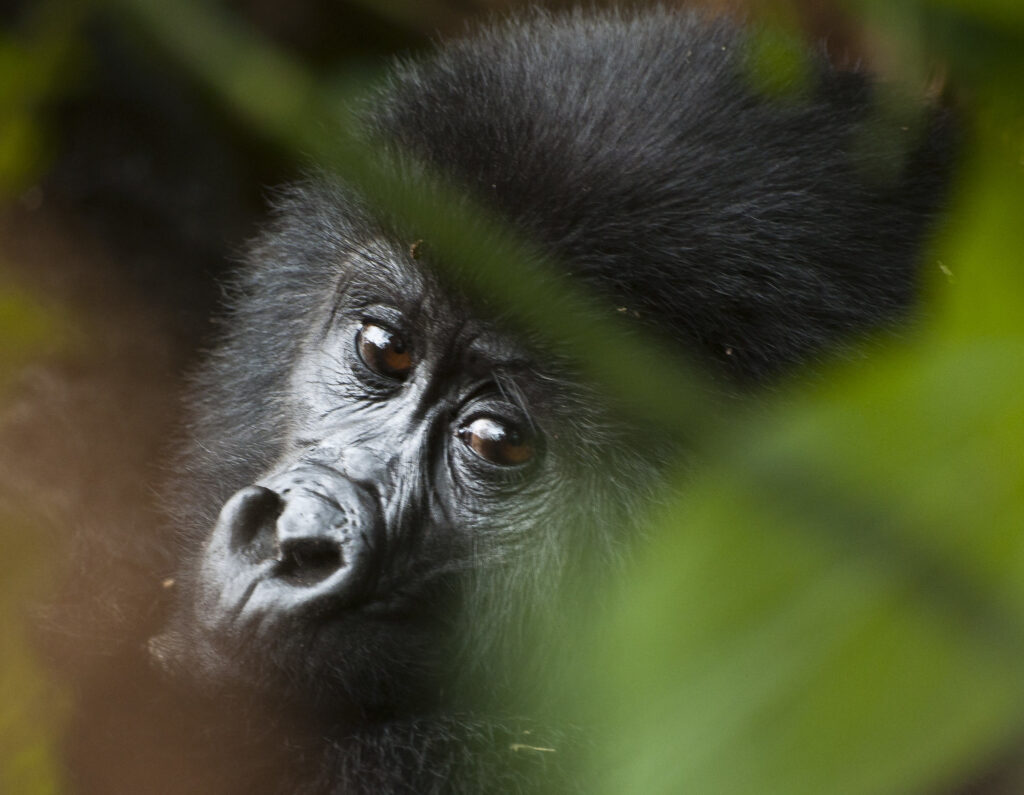
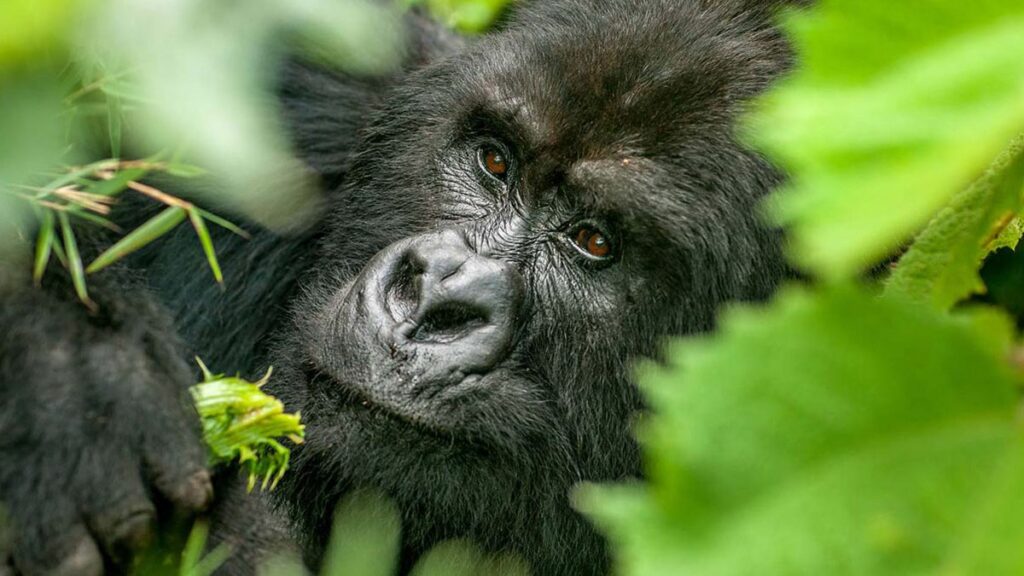
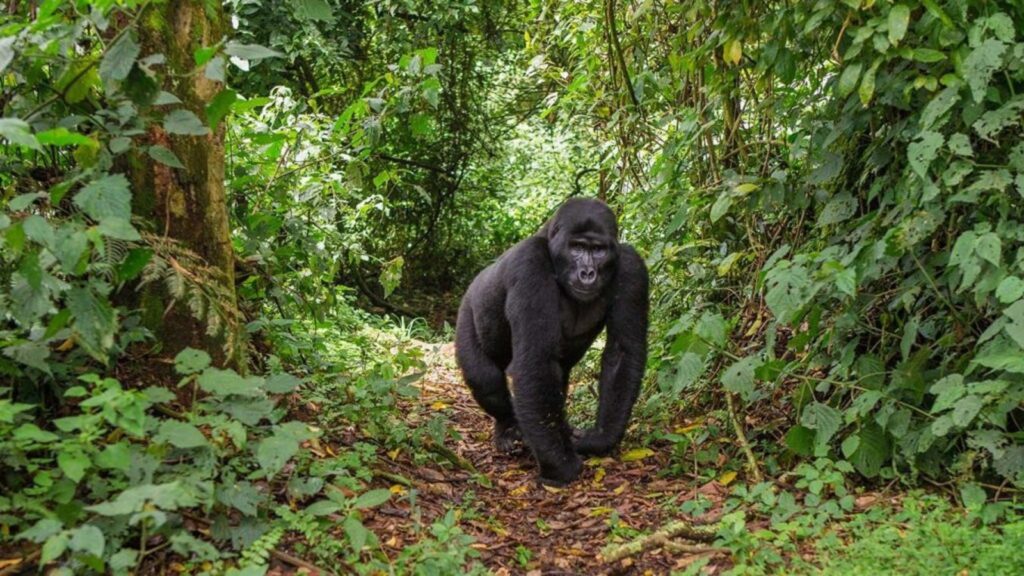
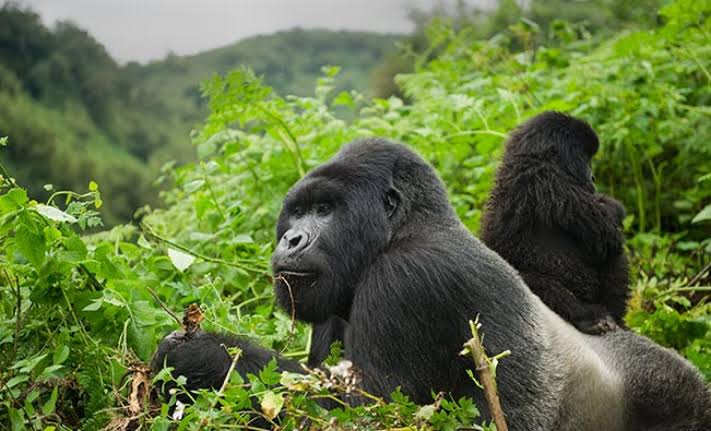
Gorilla trekking ranks among Africa’s most distinctive wildlife experiences because it takes travelers deep into mountain forests to observe endangered mountain gorillas. Uganda’s Bwindi Impenetrable National Park and Mgahinga Gorilla National Park, together with Rwanda’s Volcanoes National Park, provide opportunities to encounter habituated gorilla families in their natural environment.
The experience differs significantly from a conventional safari. Instead of driving through open plains searching for animals, visitors hike through forest terrain with guides and trackers. The trek may involve steep slopes, dense vegetation, muddy trails, and changing weather conditions. Once the gorilla family is located, visitors observe the animals while following strict conservation guidelines.
Seeing a silverback protecting his family, young gorillas playing, or mothers caring for infants can create an exceptionally memorable encounter. The experience also provides an opportunity to learn about mountain gorilla conservation and the communities surrounding their protected habitats.
For travelers searching for the top 10 wildlife experiences Africa offers, gorilla trekking provides a combination of adventure, wildlife observation, conservation, and cultural tourism that is difficult to replicate elsewhere.
2. The Great Wildebeest Migration in Tanzania and Kenya
The Great Wildebeest Migration is one of Africa’s most famous wildlife spectacles. Each year, enormous numbers of wildebeest move through the ecosystems of Tanzania and Kenya in search of fresh grazing and water. Their movements also attract predators such as lions, cheetahs, leopards, hyenas, and crocodiles.
Travelers can experience different stages of the migration depending on the time of year and location. The movement through the Serengeti provides opportunities to witness huge herds spreading across open grasslands, while river crossings can create dramatic scenes as animals attempt to navigate dangerous waterways.
The migration is not simply a single event occurring on one particular day. It is a constantly changing natural cycle influenced by rainfall, grazing conditions, and animal movements. This unpredictability makes planning important because wildlife concentrations change throughout the year.
A safari focused on the migration can combine game drives with luxury tented camps, photographic safaris, cultural visits, and other wildlife activities. For travelers interested in dramatic large-scale wildlife spectacles, the Great Wildebeest Migration remains one of Africa’s defining safari experiences.
3. Big Five Safari in Kenya
Kenya has long been associated with classic African safari experiences. Its national parks and conservancies provide opportunities to encounter lions, elephants, buffaloes, leopards, and rhinos, commonly known as the Big Five.
The Masai Mara is particularly famous for its open grasslands and abundant wildlife. Visitors may encounter large lion prides, elephants moving across the plains, cheetahs hunting, and numerous herbivore species. Other Kenyan destinations provide additional opportunities to see rhinos, elephants, giraffes, and other wildlife.
One of the attractions of a Kenyan safari is the variety of landscapes available. Travelers can combine savanna game drives with visits to wildlife conservancies, lakes, mountains, and cultural attractions.
The experience also offers excellent opportunities for wildlife photography. Early morning and late afternoon game drives often provide attractive natural light while wildlife becomes active.
For anyone researching the top 10 wildlife experiences Africa has to offer, a Kenyan Big Five safari provides the classic combination of African landscapes, large mammals, skilled guides, and diverse wildlife encounters.
4. Chimpanzee Trekking in Uganda
Chimpanzee trekking provides a different primate experience from mountain gorilla trekking. Uganda’s Kibale National Park is widely known for its chimpanzee population and offers travelers opportunities to enter the forest with trained guides in search of habituated chimpanzee communities.
Chimpanzees are highly intelligent and social animals. During a trek, visitors may observe them feeding, grooming, calling, climbing trees, or moving between different parts of the forest. Their energetic behavior can make encounters particularly engaging.
The surrounding forest also supports many other species, including monkeys, birds, butterflies, and forest mammals. As a result, chimpanzee trekking becomes more than a search for one species. It provides a broader introduction to tropical forest ecology.
Uganda’s combination of gorilla trekking and chimpanzee trekking makes it particularly attractive to travelers interested in African primates. Visitors can experience two of the continent’s most fascinating great apes during the same extended safari.
For wildlife enthusiasts, chimpanzee trekking deserves a place among the top 10 wildlife experiences African travelers can experience.
5. Elephant Encounters in Botswana
Botswana offers some of Africa’s most remarkable elephant viewing opportunities. The country’s protected areas contain large elephant populations, particularly around the Chobe region and the Okavango ecosystem.
A safari in Botswana can provide opportunities to observe elephants walking through woodland, drinking at rivers, feeding, and interacting with other members of their herds. Boat-based wildlife viewing can also create unusual perspectives because travelers may watch elephants approaching or crossing waterways.
The Okavango Delta provides an especially distinctive safari environment. Seasonal flooding transforms parts of the landscape into waterways, creating an ecosystem where wildlife viewing can take place from both land and water.
Botswana’s safari model often emphasizes lower-density tourism and wilderness experiences. Travelers may stay in camps located far from large urban centers, creating a strong sense of immersion in nature.
For visitors interested in elephants and remote wilderness, Botswana provides one of the most memorable wildlife experiences on the continent.
6. Walking Safari in Zambia
Walking safaris provide an opportunity to experience African wildlife without relying entirely on a safari vehicle. Zambia has become particularly associated with walking-based safari experiences in protected wilderness areas.
Walking through the bush changes the way travelers experience the environment. Instead of focusing exclusively on large animals, visitors learn to notice tracks, plants, insects, bird calls, animal droppings, and other signs of wildlife activity.
Professional guides help visitors understand animal behavior while maintaining appropriate safety distances. Encounters with large mammals can feel particularly intense when experienced on foot because travelers become more aware of their surroundings.
Walking safaris also encourage travelers to slow down and appreciate details that they might overlook from a vehicle. A guide might explain how animals use particular plants, identify tracks in the soil, or interpret sounds coming from nearby vegetation.
For travelers looking for a more immersive and educational safari experience, a walking safari in Zambia offers an exciting alternative to conventional game drives.
7. Mountain Gorilla and Golden Monkey Trekking in Uganda
Uganda’s Mgahinga Gorilla National Park offers travelers the opportunity to combine mountain gorilla trekking with golden monkey trekking. This combination creates a distinctive primate-focused wildlife experience in the Virunga Mountains.
Golden monkeys are endangered primates found in the Albertine Rift region. They live in high-altitude forest environments and often move through vegetation in active groups. Watching them leap between branches and feed among the forest vegetation provides a very different encounter from observing mountain gorillas.
Combining both experiences allows travelers to explore the same broader mountain ecosystem while encountering different primate species. The surrounding volcanic landscape also adds another dimension to the adventure.
Travelers can extend the experience with other activities in the region, including nature walks and volcanic mountain adventures. The result is a safari that focuses strongly on primates, forests, conservation, and mountain landscapes.
For visitors interested in less conventional wildlife experiences, golden monkey and gorilla trekking provides an excellent addition to the top 10 wildlife experiences in Africa.
8. Wildlife Safari in Kruger National Park
South Africa’s Kruger National Park is one of Africa’s best-known safari destinations and offers extensive opportunities for wildlife viewing. Visitors can explore the park through guided game drives or, depending on the area and regulations, self-drive experiences.
Kruger supports a wide variety of wildlife, including elephants, lions, leopards, rhinos, buffaloes, giraffes, hippos, wild dogs, and numerous bird species. Its extensive road network makes it possible to explore different habitats during a multi-day visit.
One of Kruger’s major advantages is its accessibility. Travelers can incorporate a safari into a broader South African holiday that may include Cape Town, the Garden Route, coastal destinations, or other attractions.
The park also offers a range of accommodation options, from campsites to comfortable lodges and private safari properties. This flexibility makes it possible for travelers with different budgets and travel preferences to experience African wildlife.
For first-time safari visitors looking for a combination of wildlife diversity, infrastructure, and accessibility, Kruger provides an important African safari experience.
9. Whale Watching in South Africa
Africa’s wildlife experiences extend far beyond land animals. South Africa provides opportunities for marine wildlife watching, including seasonal whale-watching experiences along parts of the country’s coastline.
Southern right whales are particularly associated with coastal waters during their seasonal movements. Depending on the location and timing, visitors may observe whales from land-based viewpoints or participate in regulated boat-based excursions.
Whale watching offers a completely different perspective from a traditional safari. Instead of traveling through savanna or forest, visitors search the ocean for animals that may surface briefly before disappearing beneath the waves.
The experience can also include sightings of dolphins, seals, seabirds, and other marine wildlife. Weather and sea conditions can influence visibility, making patience an important part of the adventure.
Including marine wildlife in an African travel itinerary demonstrates the continent’s extraordinary ecological diversity. From mountain gorillas in rainforest environments to whales along the coastline, Africa provides wildlife encounters across many different ecosystems.
10. Chobe River Wildlife Safari in Botswana
A river safari offers one of the most distinctive ways to experience African wildlife. The Chobe River in Botswana provides opportunities to observe elephants, hippos, crocodiles, buffaloes, antelopes, and many bird species from the water.
Traveling by boat changes the perspective completely. Instead of viewing animals from a vehicle, visitors can watch wildlife approaching the river to drink or move along the shoreline. Elephants are especially impressive when they gather near the water.
Birdwatchers can also enjoy the experience because waterways attract numerous species. Depending on the season, visitors may encounter kingfishers, herons, egrets, fish eagles, and other birds.
Boat safaris can also complement traditional game drives. Travelers may spend part of the day exploring the surrounding wilderness by vehicle and another part observing wildlife from the river.
For travelers seeking something beyond the conventional safari vehicle, a Chobe River safari offers an excellent example of the diversity represented by the top 10 wildlife experiences Africa has available.
How to Choose the Right African Wildlife Experience
Choosing between Africa’s different wildlife experiences depends on the animals you want to see, the environment you prefer, your physical fitness, your travel budget, and the type of adventure you enjoy.
Travelers fascinated by primates may prefer gorilla or chimpanzee trekking. Those interested in large herds and predators may prefer a traditional savanna safari or the Great Wildebeest Migration. Travelers who enjoy water-based adventures can consider river safaris or whale watching.
The physical requirements also vary. Gorilla and chimpanzee trekking involve walking through natural forest environments, while conventional game drives require much less physical exertion. Walking safaris provide another active option, whereas boat safaris allow travelers to observe wildlife while traveling on water.
Seasonality should also influence planning. Some wildlife experiences depend strongly on animal migration patterns or seasonal movements. Researching the destination and time of travel before booking helps travelers understand what they can realistically expect.
How to Make Your African Wildlife Experience More Responsible
Responsible wildlife tourism plays an important role in protecting Africa’s ecosystems. Travelers should follow wildlife-viewing rules, maintain appropriate distances from animals, listen to their guides, and avoid actions that could disturb wildlife.
Supporting locally owned businesses and conservation-oriented tourism operators can also contribute to communities living near protected areas. Accommodation, guiding, transportation, park fees, and other tourism services can generate economic opportunities when tourism operates responsibly.
Travelers should also avoid purchasing wildlife products made from endangered or protected species. Respecting local communities and cultural traditions is equally important.
A responsible safari is not simply about seeing animals. It is also about understanding why their habitats need protection and recognizing the role tourism can play in supporting conservation.
When visitors travel responsibly, the experience can benefit wildlife, communities, conservation organizations, and future generations of travelers.
Conclusion
The top 10 wildlife experiences Africa offers demonstrate the extraordinary diversity of the continent’s ecosystems and wildlife. From tracking mountain gorillas through Uganda’s misty forests to watching elephants along the Chobe River, each experience provides a different way to connect with nature.
The Great Wildebeest Migration delivers one of Africa’s most dramatic large-scale wildlife spectacles, while chimpanzee trekking provides an intimate introduction to great apes. Walking safaris offer a slower and more immersive approach to the African bush, while whale watching demonstrates that Africa’s wildlife extends from its forests and grasslands to its oceans.
There is no single way to experience African wildlife. Each destination offers its own landscapes, species, seasons, and traditions. By researching the animals they want to see, choosing responsible tourism operators, and allowing enough time to explore, travelers can create meaningful safari experiences that combine adventure, education, conservation, and unforgettable wildlife encounters.