Gorilla Trekking on Bucket List: Why You Should Experience It
For many travelers, a bucket list represents more than a collection of destinations. It represents experiences that feel meaningful, adventurous, rare, and worth remembering for years. Gorilla trekking on bucket list plans has become increasingly popular among wildlife enthusiasts, adventure travelers, photographers, and people searching for a travel experience that goes beyond ordinary sightseeing. Entering the misty forests of East Africa and encountering a mountain gorilla family in its natural habitat can create a powerful connection with nature.
Gorilla trekking takes place in protected mountain forests where travelers walk with experienced guides and trackers in search of habituated gorilla families. Uganda and Rwanda are the principal destinations for mountain gorilla trekking, while the Democratic Republic of Congo has also offered gorilla trekking when tourism operations are active. The experience combines physical adventure, wildlife observation, conservation, and cultural discovery.
For travelers building a memorable African safari itinerary, adding gorilla trekking to a bucket list can create an experience unlike a conventional game drive. The journey through the forest becomes part of the adventure, while the gorilla encounter provides a rare opportunity to observe one of humanity’s closest living relatives in its natural environment.
Why Is Gorilla Trekking on So Many Bucket Lists?
Gorilla trekking stands out because it combines several elements of adventure travel into one experience. Travelers do not simply arrive at a viewing area and watch animals from a distance. They enter a forest ecosystem, follow wildlife trackers, and search for a gorilla family whose location can change from day to day.
The uncertainty of the journey makes the experience exciting. Visitors may walk through thick vegetation, cross muddy trails, climb hills, and listen for signs of gorilla activity before finally reaching the family. The trek itself can become one of the most memorable parts of the safari.
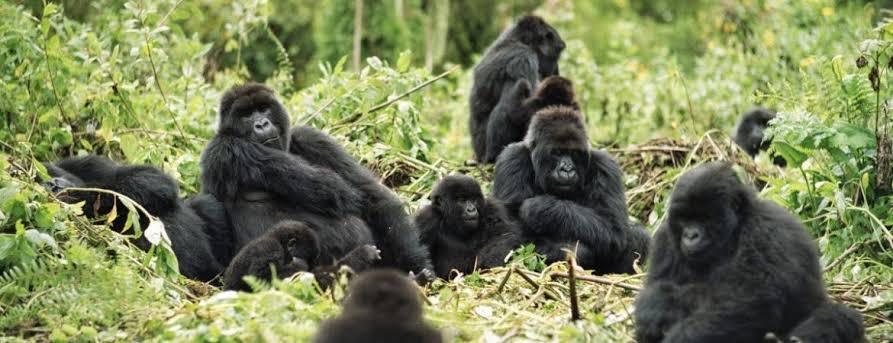
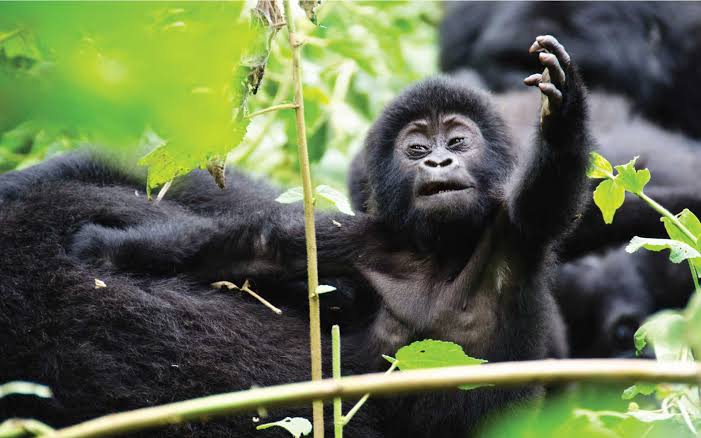
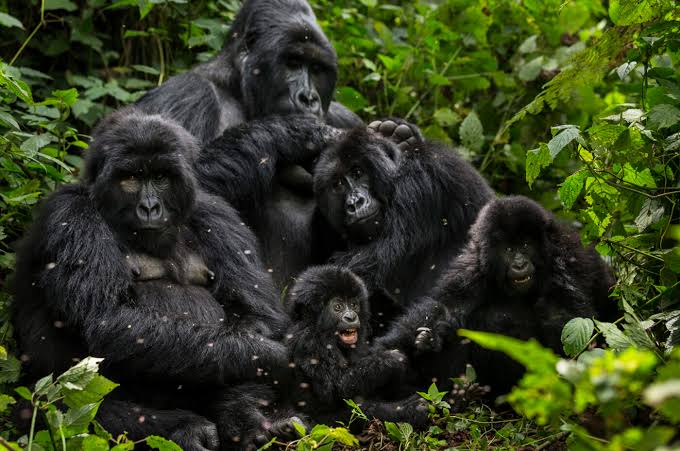
Once visitors locate the gorillas, they can watch members of the family interact with one another. A silverback may rest nearby while younger gorillas play, mothers care for infants, and other members feed or groom each other.
This combination of adventure, wildlife, and personal discovery explains why gorilla trekking on bucket list searches appeal to travelers who want a more meaningful alternative to conventional tourism.
The Experience of Meeting Mountain Gorillas
The actual gorilla encounter is often the moment travelers remember most vividly. After following trackers through the forest, visitors may suddenly see a gorilla sitting among vegetation or moving through the trees. The atmosphere can change instantly as everyone becomes quiet and focuses on the animals.
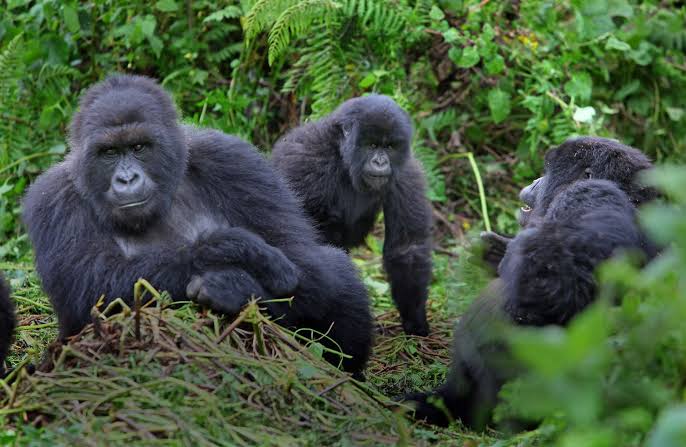
Mountain gorillas live in complex social groups. Visitors may observe several members of a family during the encounter, including silverbacks, adult females, juveniles, and infants. Each individual may behave differently, creating opportunities to observe feeding, resting, grooming, playing, and social interaction.
The encounter also demonstrates the importance of maintaining respectful wildlife-viewing behavior. Visitors must follow instructions from guides and maintain the required distance from the gorillas. These rules protect both the animals and the people participating in the trek.
For someone who has always dreamed of seeing gorillas, the moment of finally encountering them can transform an abstract bucket-list goal into a real and deeply memorable experience.
Gorilla Trekking Is More Than a Wildlife Encounter
One reason to put gorilla trekking on bucket list plans is that the experience extends beyond seeing an endangered species. It introduces travelers to an entire mountain ecosystem.
The forests where mountain gorillas live contain numerous plant species, birds, insects, amphibians, and other wildlife. As visitors move through the forest, guides and trackers can explain the relationships between the gorillas and their environment.
Travelers also gain a better understanding of conservation. Mountain gorillas depend on protected habitats, effective wildlife management, veterinary support, research, monitoring, and cooperation with surrounding communities.
Tourism contributes to this broader conservation system by creating revenue and employment associated with protected areas and tourism services. Visitors therefore become participants in an industry that connects wildlife experiences with conservation and local economic activity.
The journey can consequently become educational as well as adventurous.
The Physical Adventure Makes It More Memorable
Gorilla trekking is not a conventional sightseeing activity. Depending on the location of the gorilla family, visitors may walk for several hours through challenging forest terrain.
The trails can include steep slopes, muddy sections, dense vegetation, and uneven ground. Weather conditions can also change quickly in mountain environments. This means travelers should prepare appropriately before their trekking day.
Walking through the forest can make the eventual gorilla encounter feel even more rewarding. Every difficult section of the trail becomes part of the story that travelers take home.
Fitness preparation does not necessarily require intense athletic training. Regular walking, hiking, and cardiovascular exercise can help travelers become more comfortable with sustained movement. Visitors should also choose suitable hiking footwear and clothing that can handle wet and muddy conditions.
For adventure travelers, this physical element is one of the reasons gorilla trekking belongs on a serious wildlife bucket list.
Gorilla Trekking Creates a Strong Connection With Nature
Modern travel often involves busy cities, crowded attractions, technology, and carefully scheduled activities. Gorilla trekking provides a very different environment.
Inside the forest, travelers become more aware of natural sounds and surroundings. Bird calls, insects, flowing water, vegetation, and distant animal movements create an environment far removed from urban life.
The absence of conventional tourist infrastructure during parts of the trek can make the experience feel particularly immersive. Travelers must pay attention to the trail, the guides, and the forest around them.
The experience can also encourage people to think differently about conservation. Seeing mountain gorillas in their natural environment provides a stronger understanding of why protecting forests and wildlife matters.
For travelers looking for an experience that reconnects them with nature, gorilla trekking on bucket list plans can represent much more than another destination to visit.
Gorilla Trekking Supports Conservation
Conservation represents another important reason travelers include gorilla trekking among their bucket-list experiences. Mountain gorillas remain highly protected, and tourism operates under carefully controlled conditions.
Gorilla permits limit the number of visitors who can participate in trekking activities. Guides and park authorities also enforce rules intended to minimize disturbance and protect the animals.
Tourism creates an economic relationship between wildlife conservation and local communities. Guides, trackers, porters, accommodation providers, drivers, restaurants, and other businesses can benefit from visitors traveling to gorilla destinations.
Travelers can strengthen this positive impact by choosing responsible tourism operators, respecting park regulations, and supporting local businesses.
This means a gorilla trek can combine personal adventure with a broader appreciation for conservation and sustainable tourism.
Why Gorilla Trekking Feels Different From a Game Drive
A traditional African game drive usually involves traveling through savanna landscapes in a safari vehicle while searching for wildlife. This can provide spectacular encounters with elephants, lions, leopards, buffaloes, giraffes, and many other species.
Gorilla trekking creates a fundamentally different experience. Visitors leave the vehicle behind and move through the forest on foot. Instead of scanning open plains, they follow signs of gorilla movement through dense vegetation.
The encounter also focuses on social behavior. Rather than watching animals primarily as distant subjects, visitors may spend time observing how individual members of a family interact.
This difference makes gorilla trekking particularly attractive to travelers who have already experienced conventional safaris and want something more specialized.
Adding gorilla trekking to a safari itinerary can therefore create greater variety rather than simply repeating another game-drive experience.
Gorilla Trekking Is Ideal for Wildlife Photographers
Photography provides another reason to place gorilla trekking on bucket list plans. Mountain gorillas are expressive animals, and their social behavior can produce compelling wildlife images.
Photographers may capture silverbacks resting, young gorillas playing, mothers interacting with infants, or family members feeding and grooming. Forest vegetation can also create atmospheric backgrounds that distinguish gorilla photographs from typical savanna wildlife images.
However, forest photography presents challenges. Light levels can change quickly beneath the canopy, and photographers must work within the rules governing distance and visitor behavior.
A camera with suitable reach and good low-light performance can help, but travelers should remember that observing the animals should remain the priority.
The best photographs often result from patience rather than trying to move closer. Respectful photography allows visitors to document the experience without disturbing the gorillas.
Gorilla Trekking Offers a Rare Travel Story
A bucket-list experience becomes especially meaningful when it creates a story that travelers can share for years. Gorilla trekking naturally produces such stories because the journey involves anticipation, physical effort, discovery, and an extraordinary wildlife encounter.
Travelers can remember the early morning briefing, the forest trail, the moment trackers located the gorilla family, and the first sight of a silverback or young gorilla.
The story also includes the people who make the experience possible. Guides and trackers provide information about the forest and help visitors understand gorilla behavior, while porters can assist travelers with equipment and difficult sections of the trek.
These details transform the experience from simply visiting a national park into a personal travel story.
For many travelers, that emotional and narrative dimension is what makes an experience worthy of a bucket list.
When Is the Best Time for Gorilla Trekking?
Mountain gorilla trekking takes place throughout much of the year, but travelers should consider seasonal weather when planning their trip. Uganda and Rwanda experience changing rainfall patterns, and wet conditions can make forest trails muddy and more challenging.
Drier periods can provide more comfortable trekking conditions, but demand for permits and accommodation can also be strong during popular travel periods.
Travelers should therefore consider both weather and availability rather than assuming that one month is universally perfect.
The most important planning step is securing the gorilla permit for the desired trekking date. Accommodation and transportation should then be arranged around the confirmed permit.
Those with flexible schedules can discuss alternative dates and trekking sectors with an experienced operator to find arrangements that fit their itinerary and expectations.
How to Prepare for Your Bucket-List Gorilla Trek
Preparation can make the difference between feeling overwhelmed and fully enjoying the experience. Travelers should prepare for hiking, variable weather, muddy trails, and potentially long periods outdoors.
Comfortable hiking boots provide traction on uneven ground, while lightweight waterproof clothing can help during rainfall. Long trousers and long-sleeved clothing can also provide protection from vegetation and insects.
Travelers should carry sufficient drinking water and follow their guide’s instructions throughout the trek. A camera, spare batteries, and suitable protection for electronic equipment can also be useful in wet forest conditions.
Mental preparation matters as well. Gorilla trekking does not operate like a zoo visit. The gorillas move freely, and the exact length and difficulty of the trek can vary.
Approaching the experience with patience and realistic expectations helps travelers appreciate the journey regardless of how long it takes to locate the gorilla family.
Can You Combine Gorilla Trekking With Other Bucket-List Experiences?
Yes. Gorilla trekking can form part of a much larger African adventure. Travelers can combine the trek with classic savanna safaris, chimpanzee trekking, golden monkey trekking, cultural experiences, nature walks, or visits to other national parks.
In Uganda, for example, visitors can create itineraries that combine gorilla trekking in Bwindi or Mgahinga with chimpanzee trekking in Kibale National Park and traditional wildlife viewing in destinations such as Queen Elizabeth National Park or Murchison Falls National Park.
Rwanda also provides opportunities to combine gorilla trekking with other wildlife and cultural activities.
Combining experiences allows travelers to make better use of a long-haul journey to East Africa. Instead of treating gorilla trekking as an isolated activity, visitors can build a broader safari that explores several ecosystems and wildlife species.
This approach can make a bucket-list journey even more diverse and memorable.
Why You Should Put Gorilla Trekking on Your Bucket List
Putting gorilla trekking on bucket list plans is ultimately about seeking an experience that combines rarity, adventure, wildlife, and conservation. Few wildlife encounters allow travelers to enter a mountain forest and observe a habituated gorilla family in such an immersive setting.
The experience also challenges travelers physically and introduces them to an environment that differs dramatically from everyday life. Walking through the forest, following trackers, and finally encountering the gorillas creates a sense of achievement that conventional sightseeing may not provide.
At the same time, gorilla tourism connects visitors with broader conservation efforts. The experience encourages travelers to understand the importance of protecting mountain forests and supporting communities surrounding protected areas.
For anyone planning a major African adventure, gorilla trekking can therefore represent a meaningful addition to a bucket list rather than simply another item on a travel itinerary.
Conclusion
Gorilla trekking on bucket list plans can turn a dream of seeing mountain gorillas into one of the most memorable wildlife experiences in Africa. The journey combines forest hiking, wildlife observation, conservation education, photography, and interaction with experienced guides and trackers.
The encounter itself can be extraordinary, but the entire journey contributes to the experience. From preparing for the trek and navigating forest trails to watching gorilla families interact naturally, every stage creates lasting memories.
Whether you travel to Uganda or Rwanda, careful preparation and responsible tourism can help you make the most of this remarkable adventure. For travelers seeking a wildlife experience that combines challenge, discovery, and a deeper connection with nature, gorilla trekking deserves serious consideration for a future bucket-list journey.