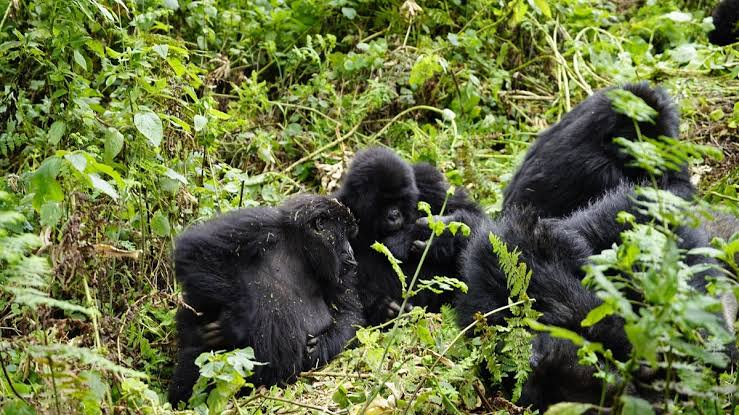
Gorilla Trekking from Ethiopia: Complete Planning Guide
Gorilla trekking from Ethiopia gives travelers an opportunity to combine an Ethiopian adventure with one of Africa’s most extraordinary wildlife experiences. Ethiopia is famous for its ancient history, dramatic highlands, unique wildlife, and cultural heritage, while mountain gorilla trekking takes place farther south in the Albertine Rift of East-Central Africa. Travelers who want to see mountain gorillas therefore need to continue their journey from Ethiopia to Uganda or Rwanda.
For visitors starting in Addis Ababa, the most practical approach is usually to plan the gorilla experience as part of a wider East African itinerary. Uganda offers mountain gorilla trekking in Bwindi Impenetrable National Park and Mgahinga Gorilla National Park, while Rwanda offers trekking in Volcanoes National Park. The best destination depends on available flights, travel time, gorilla permit availability, accommodation preferences, and the other attractions you want to experience.
This guide explains how to plan gorilla trekking from Ethiopia, including travel routes, gorilla permit planning, visas, accommodation, transportation, health preparation, packing, trekking expectations, budgeting, and ways to combine gorilla trekking with an Ethiopian holiday.
Can You Go Gorilla Trekking from Ethiopia?
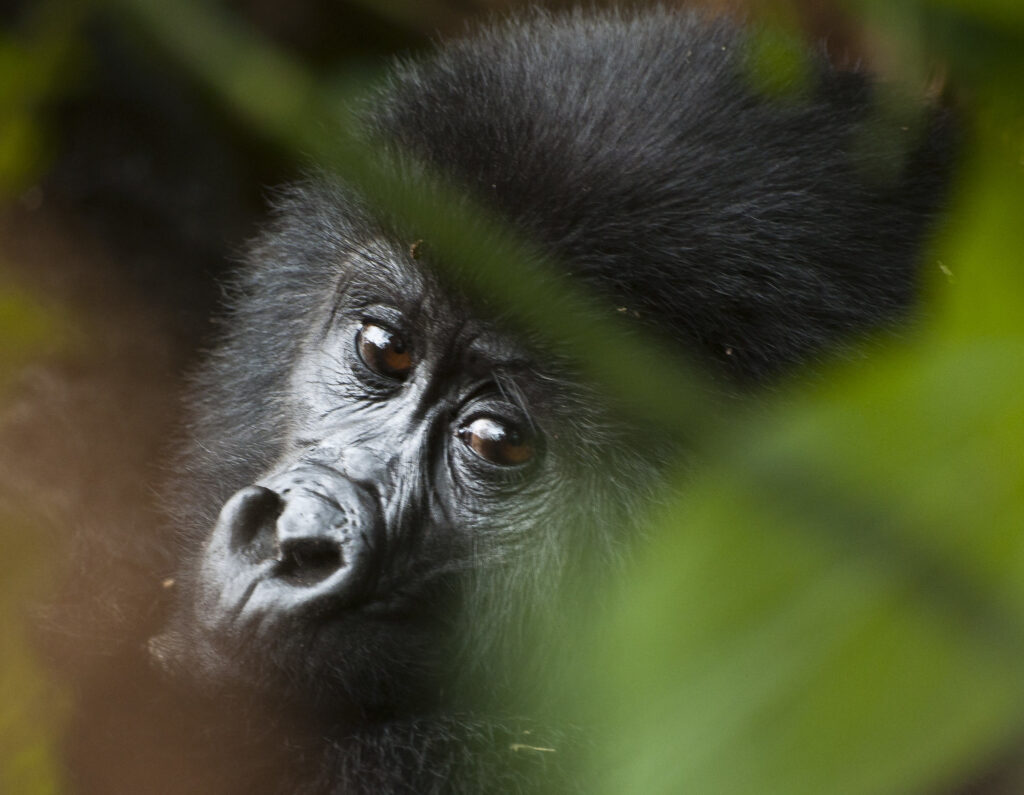
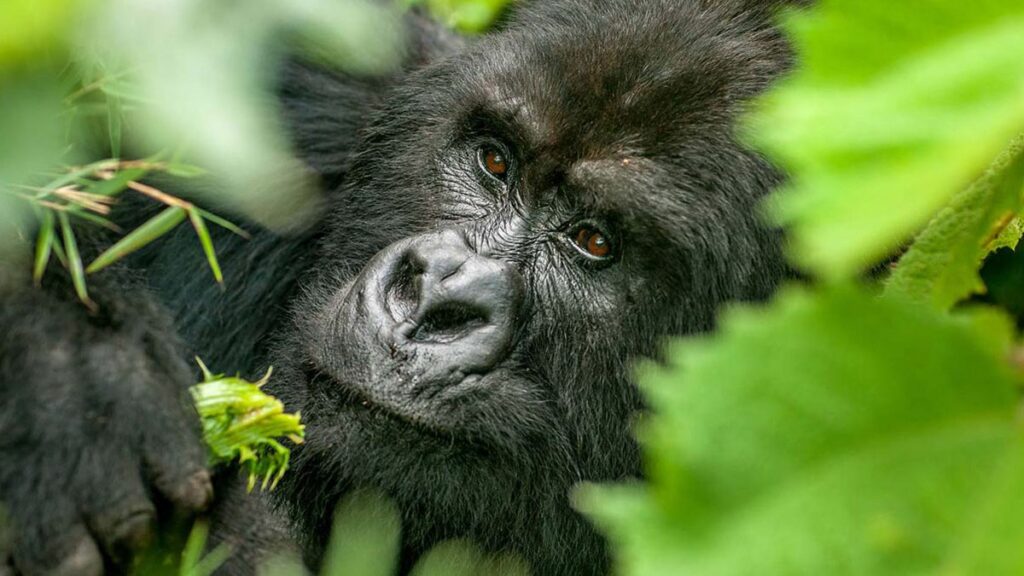
Yes. Travelers from Ethiopia can travel to Uganda or Rwanda for mountain gorilla trekking. Ethiopia itself does not have mountain gorilla trekking because the remaining mountain gorilla population lives in protected forests around the Virunga Mountains and in Uganda’s Bwindi region.
Uganda provides two destinations for mountain gorilla trekking: Bwindi Impenetrable National Park and Mgahinga Gorilla National Park. Bwindi contains several trekking sectors, including Buhoma, Ruhija, Rushaga, and Nkuringo. Rwanda offers gorilla trekking in Volcanoes National Park, which lies in the northern part of the country near the Ugandan border.
For travelers starting in Ethiopia, Kigali and Entebbe are the two main international gateways to consider. Kigali can provide convenient access to Volcanoes National Park, while Entebbe provides access to Uganda’s southwestern gorilla destinations through road transfers or regional flights.
The best route depends on the rest of your itinerary rather than the starting country alone.
Choosing Uganda or Rwanda for Gorilla Trekking from Ethiopia
Choosing between Uganda and Rwanda is an important part of planning gorilla trekking from Ethiopia. Both countries provide opportunities to observe mountain gorillas in protected forest environments, but the surrounding travel experience differs.
Uganda offers gorilla trekking in both Bwindi and Mgahinga. Bwindi’s multiple trekking sectors give travelers several possible areas to consider when planning their safari. Uganda also provides opportunities to combine gorilla trekking with chimpanzee tracking, savannah safaris, cultural experiences, and other national parks.
Rwanda’s Volcanoes National Park is closer to Kigali, which can simplify the transfer after an international flight. Travelers can reach the gorilla trekking area relatively quickly after arriving in the country, making Rwanda attractive for shorter itineraries.
Permit prices also differ between the destinations and visitor categories. Travelers should confirm the current official permit price before booking because wildlife authorities can revise their tariffs.
The right choice should therefore consider the entire itinerary, not just the distance from Ethiopia.
Flights from Ethiopia to East Africa
Travelers planning gorilla trekking from Ethiopia will normally begin by looking at flights from Addis Ababa. Addis Ababa Bole International Airport is one of Africa’s major aviation hubs and provides an important connection point for regional travel.
Depending on available schedules, travelers may fly from Addis Ababa toward Kigali in Rwanda or Entebbe in Uganda. Flight schedules, routing, baggage allowances, and connection times can change, so travelers should check current airline schedules when planning their journey.
Kigali can be particularly convenient for travelers trekking in Volcanoes National Park because the park is relatively close to the capital. Entebbe provides access to Uganda and can work well for travelers who want to explore other Ugandan destinations before or after their gorilla trek.
When comparing flights, look at the entire itinerary rather than focusing only on airfare. A cheaper ticket with a long connection may create additional accommodation and transportation costs.
Traveling from Addis Ababa to Uganda by Air
Traveling from Addis Ababa to Entebbe is a practical option for travelers who want to trek gorillas in Uganda. After arriving at Entebbe International Airport, visitors can continue toward southwestern Uganda by road or use available domestic aviation options.
The road journey to Bwindi or Mgahinga takes considerably longer than the initial flight from Ethiopia, so travelers should allow adequate time between international arrival and the trekking date.
Those who want to reduce road travel can investigate flights toward airstrips serving southwestern Uganda. The appropriate airport depends on the trekking sector and accommodation selected.
A private safari vehicle can then complete the final journey to the lodge and park headquarters.
Traveling from Addis Ababa to Rwanda
Rwanda provides another practical route for travelers planning gorilla trekking from Ethiopia. Addis Ababa and Kigali are both major East African aviation hubs, and travelers can arrange their itinerary around the available regional flight schedule.
After arriving in Kigali, the journey to Volcanoes National Park continues by road. The transfer allows travelers to move from Rwanda’s capital into the mountainous northern region where gorilla trekking takes place.
This route can work particularly well for travelers with limited time because the gorilla trekking destination is relatively close to Kigali.
Travelers who choose Rwanda can also spend time exploring Kigali before continuing to Volcanoes National Park. Those with additional days can extend their itinerary to other Rwandan attractions before departing.
How Long Should You Spend on the Trip?
The length of a gorilla trip from Ethiopia depends on whether gorilla trekking is the main purpose of the journey or part of a larger African holiday.
A short itinerary can focus on flying from Addis Ababa to Kigali or Entebbe, spending time near the gorilla trekking destination, completing the trek, and returning home. However, allowing additional days provides greater flexibility in case of flight delays, road travel, or changes to the itinerary.
Travelers who choose Uganda can extend the journey with destinations such as Queen Elizabeth National Park, Kibale National Park, Lake Mburo National Park, or Murchison Falls National Park.
Those choosing Rwanda can combine gorilla trekking with Kigali, Nyungwe Forest National Park, Akagera National Park, and cultural experiences.
A longer trip allows travelers to experience more than the gorilla trek itself and makes the long journey from Ethiopia more worthwhile.
Gorilla Permit Costs for Travelers from Ethiopia
Gorilla permits are one of the most important expenses to consider when planning gorilla trekking from Ethiopia. Permit prices depend on the country where you trek, the visitor category, and the applicable tariff on the trekking date.
Travelers should confirm the current official rate before making a booking because permit prices can change. Uganda and Rwanda operate their own permit systems, and Ethiopian citizenship does not automatically qualify a traveler for an East African Community citizen rate.
This distinction is important because the cost category depends on the applicable nationality or residency rules rather than simply the country from which the traveler begins the journey.
If you are an Ethiopian citizen living in another East African country, confirm your eligibility before paying for a permit. Similarly, an international traveler who happens to be visiting Ethiopia before traveling to Uganda or Rwanda should check the foreign visitor category applicable to their nationality.
How to Book a Gorilla Permit from Ethiopia
The best approach is to secure the gorilla permit before finalizing the rest of the itinerary. Gorilla permits are limited because only a controlled number of visitors can visit habituated gorilla families each day.
Travelers planning Uganda gorilla trekking can work with a licensed tour operator that handles permit reservations and safari arrangements. The operator can help coordinate the trekking date, sector, accommodation, transportation, and other activities.
Travelers choosing Rwanda can use the country’s official tourism and gorilla booking channels or work with a reputable local safari operator.
Before paying, confirm the exact trekking date, destination, visitor category, permit cost, and cancellation conditions. Keeping the permit documentation safely stored is also important because it forms part of the official arrangements for the trek.
Visa and Entry Requirements
Visa requirements depend on your nationality and the countries included in your itinerary. Travelers planning gorilla trekking from Ethiopia should therefore check the immigration rules for Uganda, Rwanda, and any transit countries before booking flights.
Travelers should also ensure that their passports meet the relevant validity requirements and have enough blank pages for immigration procedures where necessary.
If the journey includes both Uganda and Rwanda, check the entry requirements for both countries rather than assuming that permission to enter one country automatically covers the other.
Travelers who are unsure about their requirements should use official immigration websites or contact the relevant embassy before departure.
Entry requirements can change, so information obtained several years before travel may no longer be accurate.
Health Preparation Before Gorilla Trekking
Health preparation is an important part of planning gorilla trekking from Ethiopia. The trek takes place in a forest environment where visitors may encounter steep slopes, muddy trails, dense vegetation, and changing weather.
Travelers should consult a qualified travel-health professional before departure. The advice should take into account the complete itinerary, including Ethiopia, Uganda or Rwanda, and any other destinations included in the trip.
Travelers should also consider their physical fitness. Gorilla trekking is not simply a wildlife viewing activity because visitors may spend several hours walking through difficult terrain.
Regular walking and cardiovascular exercise before the trip can help improve endurance. Visitors should also become comfortable walking on uneven surfaces and climbing moderate slopes.
Travel insurance with appropriate medical and emergency coverage provides additional protection during a multi-country trip.
Accommodation Before Gorilla Trekking
Accommodation should be selected according to the exact gorilla trekking destination. This is particularly important in Uganda because Bwindi has several trekking sectors separated by mountainous terrain.
Travelers trekking in Buhoma should stay near Buhoma, while travelers with permits for Ruhija, Rushaga, or Nkuringo should select accommodation that minimizes the morning transfer.
For Mgahinga Gorilla National Park, accommodation near the park provides convenient access to the briefing location.
In Rwanda, travelers trekking in Volcanoes National Park can choose from a range of properties around the park and nearby towns.
Booking accommodation after securing the permit helps ensure that the lodge location matches the trekking sector.
Transportation During the Gorilla Trip
Transportation is an important consideration for anyone traveling from Ethiopia to a gorilla trekking destination. International flights only cover the first stage of the journey, while the final approach to the forest requires road or regional air transportation.
In Uganda, travelers can use private safari vehicles, scheduled transfers, or domestic flights where available. A private vehicle provides flexibility and makes it easier to combine gorilla trekking with other Ugandan attractions.
In Rwanda, the road journey from Kigali to Volcanoes National Park is comparatively straightforward.
Travelers should avoid scheduling their gorilla trek immediately after a long international journey whenever possible. Arriving at the trekking area at least one day before the trek provides time to rest and attend the required briefing.
What to Expect on Gorilla Trekking Day
Gorilla trekking normally begins early in the morning with registration and briefing at the park headquarters. Guides and park staff explain the rules before visitors enter the forest.
The trek itself can vary considerably. Some groups may reach the gorillas relatively quickly, while others may walk for several hours before finding the assigned family.
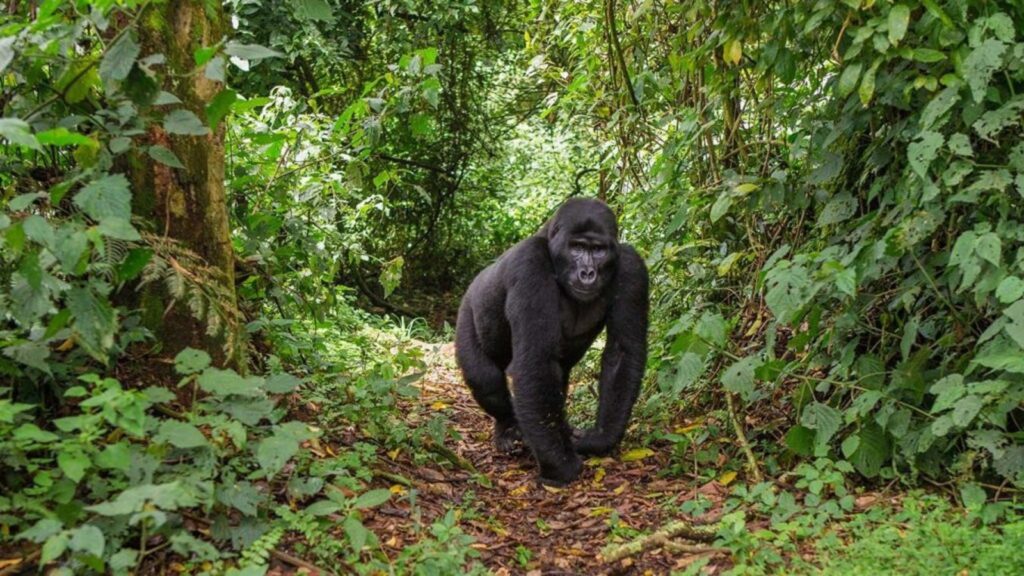
The terrain can include steep slopes, thick vegetation, muddy trails, and narrow paths. Weather conditions can also change during the trek.
Once the gorilla family is located, visitors observe the animals under the guidance of trained park personnel. In Uganda, standard gorilla tracking provides a regulated observation period with the habituated gorilla family.
The encounter can be unpredictable in the best sense because the gorillas move naturally through the forest. Visitors should follow the instructions of their guides throughout the encounter.
Gorilla Trekking Etiquette
Responsible behavior helps protect both visitors and gorillas. Mountain gorillas are wild animals, and their behavior can change depending on their surroundings.
Visitors should remain calm, avoid sudden movements, and follow the instructions of the guides and trackers. Do not attempt to touch a gorilla, even if the animal approaches closely.
Travelers should also avoid loud conversations and unnecessary movements while observing the group. Flash photography should be avoided where prohibited, and visitors should never leave waste in the forest.
Health-related rules are equally important because mountain gorillas can be vulnerable to some human illnesses. Travelers who become sick before the trek should inform their tour operator or park authorities rather than hiding their symptoms.
Respecting the rules contributes directly to responsible gorilla tourism.
What to Pack for Gorilla Trekking from Ethiopia
Packing for gorilla trekking from Ethiopia requires preparation for a very different environment from Ethiopia’s cities and many conventional safari destinations.
Waterproof hiking boots provide useful protection on muddy and uneven trails. Long trousers and long-sleeved shirts can protect the skin from vegetation and insects, while a waterproof jacket is valuable because rain can occur even during relatively dry periods.
A small backpack can carry water, snacks, medication, a camera, extra clothing, and other essentials. Walking poles can provide additional support on steep sections.
Travelers should keep their trekking equipment practical rather than carrying unnecessary items. A heavy bag can become uncomfortable during a long forest trek.
Porters are available in many trekking areas and can help carry luggage while providing employment and income to local communities.
Best Time for Gorilla Trekking from Ethiopia
Gorilla trekking takes place throughout the year, but weather conditions can influence trail conditions and overall trekking comfort.
Drier periods may provide somewhat easier trail conditions, while wetter periods can produce muddy and slippery paths. However, rainfall remains possible in the mountain forests even during traditionally drier seasons.
The best travel period should therefore take into account the entire itinerary. Travelers who want to combine gorilla trekking with an Ethiopian cultural tour, a Rwanda safari, or a Ugandan wildlife safari should coordinate the different seasons and activities.
Permit availability can also influence the final choice of travel dates.
Instead of choosing a date based entirely on weather, consider the combination of permit availability, flights, accommodation, road conditions, and the other destinations you want to visit.
Combining Ethiopia with Gorilla Trekking
Combining Ethiopia with gorilla trekking creates a diverse African adventure. Ethiopia offers a different cultural and geographical experience from the tropical forests of Uganda and Rwanda.
Travelers can explore Addis Ababa, historic northern Ethiopian destinations, or the country’s highland landscapes before continuing to East-Central Africa for gorilla trekking.
Those with additional time can also combine Ethiopia with a broader East African itinerary. A journey through Rwanda or Uganda can introduce travelers to mountain gorillas, chimpanzees, savannah wildlife, crater lakes, forests, and cultural communities.
The combination is particularly appealing to travelers interested in experiencing different sides of Africa rather than concentrating on one country.
However, travelers should allow enough time between major destinations because flight schedules and regional connections can change.
Budgeting for Gorilla Trekking from Ethiopia
The total cost of gorilla trekking from Ethiopia depends on several factors. The gorilla permit is only one component of the trip.
Travelers should budget for international or regional flights, accommodation, transportation, meals, park fees, visas where applicable, travel insurance, porter services, and additional safari activities.
The choice between Uganda and Rwanda can also influence transportation costs. Rwanda’s gorilla trekking area is relatively close to Kigali, while reaching Uganda’s Bwindi or Mgahinga destinations can involve a longer road transfer or additional domestic flight.
Accommodation creates another major difference in total cost. Luxury lodges can significantly increase the budget, while mid-range and budget properties can reduce accommodation expenses.
Planning the complete itinerary before booking helps travelers understand the actual cost of the trip.
Travel Insurance for the Journey
Travel insurance is especially useful for a multi-country African itinerary. A trip beginning in Ethiopia and continuing to Uganda or Rwanda can involve several flights, road transfers, and physically demanding activities.
Insurance should be checked carefully to ensure that it covers the activities you plan to undertake. Medical expenses, emergency evacuation, trip cancellation, travel delays, baggage loss, and other relevant risks should be considered.
Travelers should keep their policy information accessible during the trip. Digital copies stored securely can provide additional convenience if original documents become unavailable.
Because gorilla trekking takes place in remote forest environments, travelers should pay particular attention to emergency medical and evacuation coverage.
Why You Should Book Early
Early planning is essential for travelers organizing gorilla trekking from Ethiopia because several parts of the journey need to fit together.
The gorilla permit must match the trekking date and destination. Accommodation must be close enough to the relevant park headquarters, while flights and road transfers must allow sufficient time for arrival and preparation.
Booking early also provides greater flexibility when combining the gorilla trek with an Ethiopian itinerary. Travelers who wait until the last minute may have fewer options for permits, accommodation, and regional flights.
Starting the planning process several months before travel allows enough time to organize the entire journey and make adjustments when necessary.
Frequently Asked Questions
Can Ethiopian citizens go gorilla trekking in Uganda?
Yes. Ethiopian citizens can travel to Uganda for gorilla trekking, provided they meet Uganda’s applicable entry and gorilla permit requirements. Visa requirements should be confirmed through Uganda’s immigration authorities before travel.
Can I travel from Addis Ababa to Rwanda for gorilla trekking?
Yes. Kigali is an important regional gateway and provides road access to Volcanoes National Park, where Rwanda’s mountain gorilla trekking takes place.
Is Uganda or Rwanda closer to Ethiopia?
The practical travel time depends on flight schedules, connections, and the final trekking destination. Kigali can provide convenient access to Rwanda’s Volcanoes National Park, while Entebbe provides access to Uganda’s gorilla destinations.
Can I combine Ethiopia and Uganda in one trip?
Yes. Travelers can combine an Ethiopian holiday with gorilla trekking in Uganda. The itinerary can include cultural attractions in Ethiopia followed by gorilla trekking and wildlife experiences in Uganda.
How difficult is gorilla trekking?
The difficulty varies according to the location of the gorilla family, terrain, weather, and individual fitness. Some treks are relatively short, while others can involve several hours of walking through steep forest terrain.
How far in advance should I book a gorilla permit?
Travelers should plan several months ahead, particularly when traveling during busy periods. Early booking provides more flexibility with trekking dates, accommodation, and transportation.
Conclusion
Gorilla trekking from Ethiopia offers travelers an exciting way to combine Ethiopia’s distinctive cultural and natural attractions with an unforgettable mountain gorilla experience in Uganda or Rwanda. Although Ethiopia does not have mountain gorilla trekking, its location and regional flight connections make it possible to include a gorilla safari within a broader African itinerary.
Uganda provides gorilla trekking in Bwindi Impenetrable National Park and Mgahinga Gorilla National Park, while Rwanda offers the experience in Volcanoes National Park. Travelers should compare the complete journey, including flights, road transfers, permits, accommodation, and available travel time.
Early planning remains important because gorilla permits are limited and the trekking destinations require careful transportation arrangements. With appropriate preparation, reliable travel arrangements, suitable accommodation, and respect for conservation guidelines, a journey from Ethiopia to the mountain gorillas can become one of the highlights of an East African adventure.