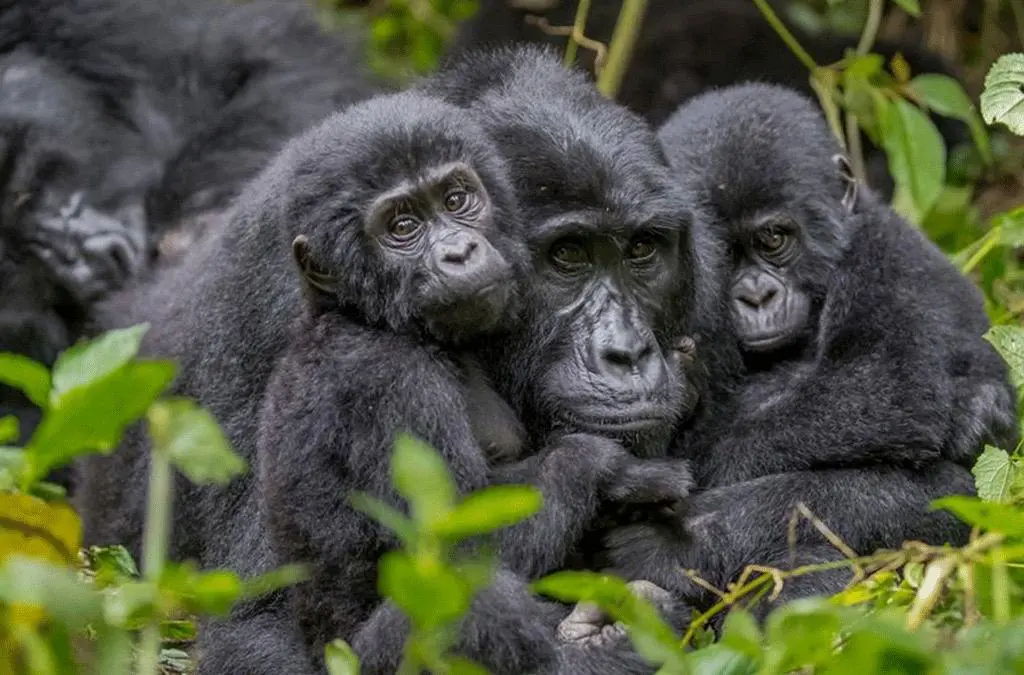
Gorilla Trekking from Tanzania: Complete Planning Guide
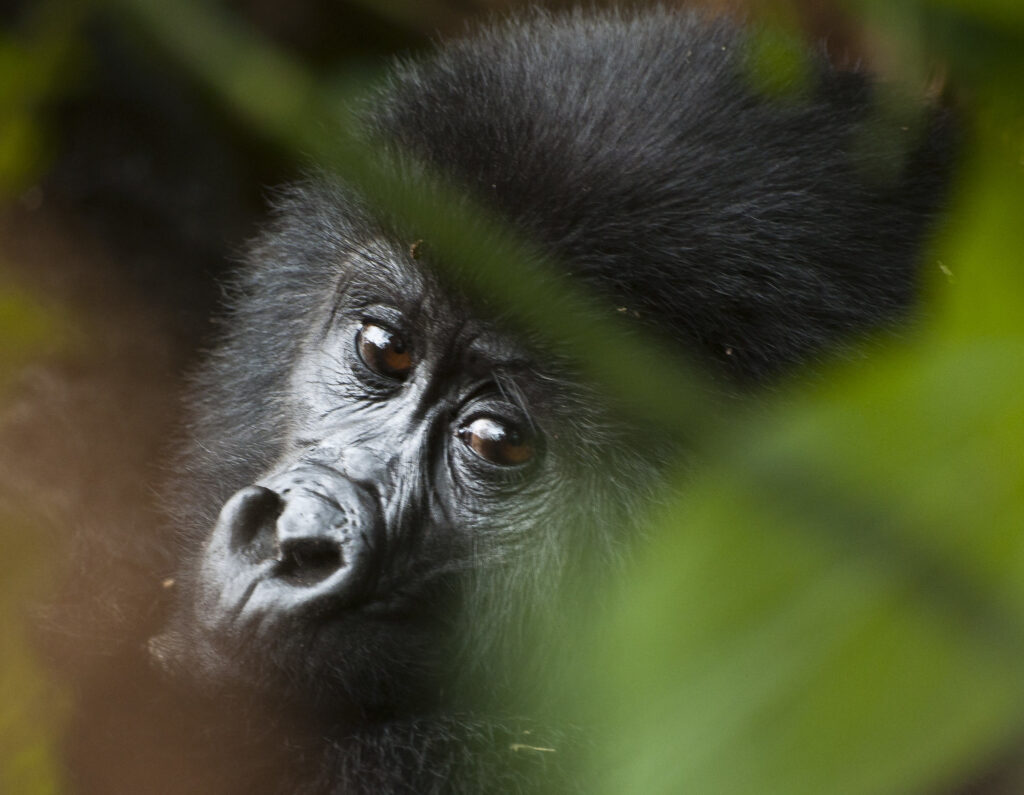
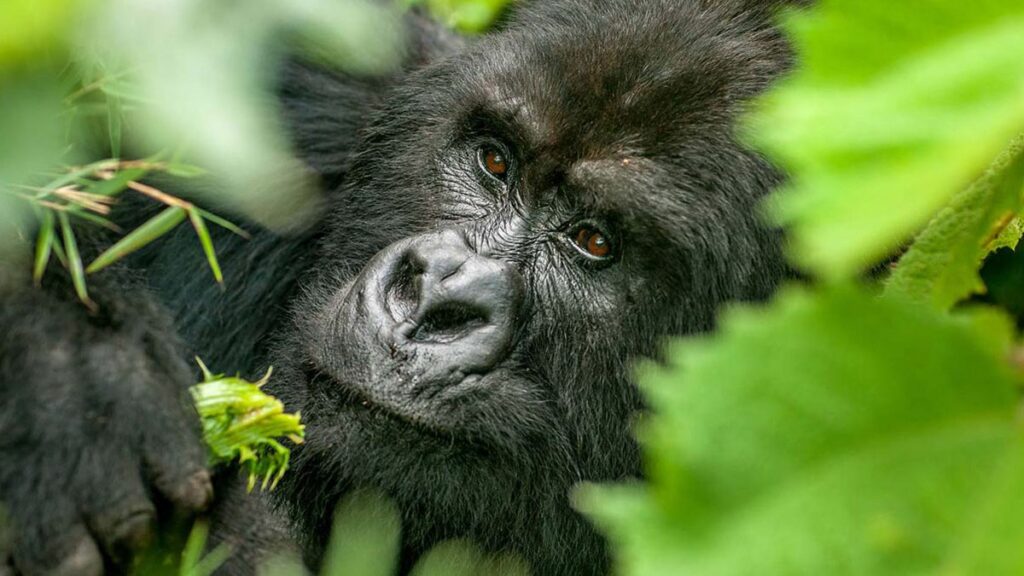
Gorilla trekking from Tanzania offers an exciting opportunity to combine an East African safari in Tanzania with an unforgettable encounter with endangered mountain gorillas in Uganda or Rwanda. Tanzania is already one of Africa’s most popular safari destinations, famous for the Serengeti, Ngorongoro Crater, Mount Kilimanjaro, and Zanzibar. However, travelers who want to see mountain gorillas must travel beyond Tanzania because the remaining mountain gorilla populations live in the Virunga region and Bwindi forests of Uganda and Rwanda.
For travelers starting their journey in Tanzania, gorilla trekking can fit naturally into a longer East African itinerary. You can combine a Tanzanian wildlife safari with gorilla trekking in Uganda or travel through Rwanda before continuing to Uganda or returning to Tanzania. The best route depends on your starting city, available travel time, preferred accommodation, and whether you want to include additional safari destinations.
This guide explains how to plan a gorilla trekking trip from Tanzania, including choosing between Uganda and Rwanda, transportation, permits, visas, accommodation, trekking preparation, the best time to travel, and ways to combine a gorilla experience with a Tanzania safari.
Can You Go Gorilla Trekking from Tanzania?
Yes. You can travel from Tanzania to either Uganda or Rwanda for mountain gorilla trekking. Tanzania itself does not have mountain gorilla trekking because the mountain gorilla habitat is concentrated in the forests of Uganda, Rwanda, and the Democratic Republic of Congo.
For most travelers, Uganda and Rwanda provide the main practical options. Uganda offers gorilla trekking in Bwindi Impenetrable National Park and Mgahinga Gorilla National Park, while Rwanda offers trekking in Volcanoes National Park. Uganda Wildlife Authority describes gorilla trekking in Uganda as an activity requiring moderate fitness, with treks potentially lasting several hours depending on where the gorilla family is located.
Travelers coming from Tanzania can therefore design a multi-country East African adventure rather than treating gorilla trekking as a separate holiday. A Tanzania safari can come before or after the gorilla trek, creating an itinerary that combines savannah wildlife with the forests of the Albertine Rift.
Choosing Uganda or Rwanda for Gorilla Trekking from Tanzania
The choice between Uganda and Rwanda depends largely on your itinerary and the type of travel experience you want. Uganda has two mountain gorilla destinations, with Bwindi offering several trekking sectors, including Buhoma, Ruhija, Rushaga, and Nkuringo. Mgahinga provides another option in the Virunga Mountains.
Rwanda’s gorilla trekking takes place in Volcanoes National Park. The park is close to Kigali, making Rwanda convenient for travelers who want a relatively straightforward transfer from the capital to the gorilla trekking area. Rwanda’s official gorilla booking system currently lists the standard foreign visitor permit at US$1,500, while separate promotional rates can apply to eligible categories and periods. Travelers should always confirm the rate that applies to their nationality and travel dates before paying.
Uganda can be particularly attractive for travelers who want to combine gorilla trekking with a broader Ugandan safari. Rwanda can fit well into an itinerary that uses Kigali as a transit point. Your choice should therefore consider the complete route rather than the gorilla permit alone.
Flights and Travel Routes from Tanzania
Travelers beginning gorilla trekking from Tanzania can use several regional travel routes. Dar es Salaam, Arusha, Kilimanjaro, and Zanzibar are common starting points for international and regional travelers, although the most convenient connection depends on the airline schedule available on your travel dates.
One practical approach is to fly from Tanzania toward Entebbe in Uganda and continue by road or domestic/charter flight toward Bwindi or Mgahinga. Entebbe is Uganda’s main international gateway and provides access to western Uganda through road transfers and regional aviation connections.
Another option is to travel through Kigali in Rwanda. Kigali provides access to Volcanoes National Park and can also be used as a gateway into southwestern Uganda. Travelers choosing this route should allow sufficient time for border formalities and road transfers if they intend to cross into Uganda.
Because regional flight schedules change, it is important to compare the complete journey rather than looking only at the first flight. A slightly different routing can sometimes save substantial travel time.
Traveling from Tanzania to Uganda by Road
Overland travel is possible for travelers who prefer road journeys or want to experience more of East Africa along the way. However, traveling from Tanzania to southwestern Uganda entirely by road can take considerably longer than flying, depending on the starting point and border crossing.
For someone beginning in northern Tanzania, the route can be particularly interesting when combined with a Kenya or Uganda safari. Travelers may also use road transportation for part of the journey and fly for the longer sections.
The final approach to Bwindi requires careful planning because the park lies in a mountainous and heavily forested region. Road conditions vary by sector and season, and some routes can take several hours after leaving the nearest major town.
If you choose an overland itinerary, allow enough time for rest before trekking. Arriving late at night and attempting a difficult forest trek the following morning can make the experience unnecessarily demanding.
How Long Should You Spend on the Trip?
The ideal length depends on whether you are adding gorilla trekking to an existing Tanzania safari or planning a dedicated gorilla trip.
A short itinerary can focus on Tanzania, travel to Uganda or Rwanda, complete the gorilla trek, and return. However, a longer itinerary allows you to combine the gorilla experience with several wildlife destinations.
Travelers who already have a Tanzania safari planned can add several days for the gorilla portion. This provides time for international or regional transfers, accommodation before trekking, the gorilla trek itself, and the return journey.
If you are combining Tanzania with Uganda, you can also include destinations such as Queen Elizabeth National Park, Lake Mburo National Park, or Kibale National Park. This creates a more comprehensive East African safari that combines mountain gorillas, chimpanzees, savannah wildlife, and cultural experiences.
Gorilla Permit Costs for Travelers from Tanzania
Gorilla permit prices depend on the country where you trek, your visitor category, and the tariff applicable on your travel date. Travelers should avoid relying on old online prices because wildlife authorities periodically review their tariffs.
Uganda’s previously published July 2024–June 2026 tariff listed different rates for foreign non-residents, foreign residents, and East African Community citizens. UWA’s permit-management guidelines also distinguish between these categories and state that EAC citizens can purchase permits under the applicable EAC category.
This distinction is particularly important for Tanzanian citizens. Tanzania is an EAC member state, so a Tanzanian citizen should confirm the applicable EAC permit category rather than automatically assuming that the foreign non-resident price applies.
Travelers who are not Tanzanian citizens but simply happen to be living in Tanzania should check their own nationality and residency status before booking. A foreign resident in Tanzania should not automatically assume that EAC citizen rates apply.
How to Book a Gorilla Permit from Tanzania
Booking early is one of the most important steps when planning gorilla trekking from Tanzania. Gorilla permits are limited, and availability depends on the trekking destination, date, and visitor category.
For Uganda, UWA states that foreign non-resident permits must be purchased through tour operators licensed by the Uganda Tourism Board. UWA also provides specific procedures for EAC citizens and foreign residents. Travelers should therefore establish their correct category before making payment.
A reputable safari operator can help coordinate the permit, accommodation, transportation, and other safari arrangements. Before making payment, travelers should confirm the operator’s licensing status and request proper documentation showing what has been reserved.
The booking process should also account for the trekking sector. Bwindi has several sectors, and accommodation and transportation arrangements should correspond with the sector where the permit is booked.
Visa and Border Requirements
Visa requirements depend on your nationality rather than simply the country from which you begin your journey. This distinction is important for travelers planning gorilla trekking from Tanzania.
Tanzanian nationals are currently listed by Uganda’s Directorate of Citizenship and Immigration Control among nationalities that do not require a Ugandan visa.
Travelers of other nationalities living in Tanzania should check Uganda’s current immigration requirements before departure. Uganda’s immigration authorities provide an online visa application system for travelers who require visas, and the ordinary tourist visa is currently listed at US$50.
If your itinerary includes Rwanda, Kenya, or another East African country, check the entry requirements for every country on your route. Passport validity, yellow fever documentation, and other immigration requirements can affect your ability to cross borders.
Health Preparation Before Gorilla Trekking
Gorilla trekking takes place in a natural forest environment, so travelers should prepare physically and medically before the trip. The trek may involve steep slopes, muddy trails, thick vegetation, and long periods of walking.
Travelers coming from Tanzania should consider their entire itinerary when preparing for the trek. A safari through the Serengeti or a climb around Mount Kilimanjaro can be physically demanding, and adding gorilla trekking immediately afterward may require adequate rest.
Consult a qualified travel-health professional before departure regarding recommended vaccinations, malaria prevention, and other health precautions relevant to your itinerary. Carry any prescribed medication and keep important medical information accessible while traveling.
Travel insurance is also useful because it can provide protection against unexpected medical treatment, trip interruption, cancellations, and transportation problems. Accommodation should be selected according to the gorilla trekking sector rather than simply the general destination. In Uganda, Bwindi’s sectors are geographically separated, so staying in the wrong area can create unnecessary early-morning travel.
Travelers trekking in Buhoma should stay near Buhoma, while those trekking in Ruhija, Rushaga, or Nkuringo should select accommodation appropriate to those sectors. Mgahinga trekkers should stay close enough to the park headquarters to reach the briefing point on time.
In Rwanda, accommodation around Volcanoes National Park provides convenient access to the park headquarters. The range includes luxury lodges, mid-range properties, and more budget-conscious accommodation.
Booking accommodation at the same time as the permit can help prevent logistical problems during busy travel periods.
Transportation During the Gorilla Trip
Transportation becomes especially important when traveling from Tanzania because gorilla trekking destinations are located away from the main international airports.
A typical Uganda itinerary may involve a flight into Entebbe followed by a road transfer to southwestern Uganda. Travelers seeking to reduce road travel can consider a domestic or charter flight toward Kihihi or Kisoro, depending on the trekking sector.
Rwanda provides a shorter road connection between Kigali and Volcanoes National Park. However, the total travel time from Tanzania must still be considered when comparing the two destinations.
Private safari vehicles provide flexibility for travelers combining gorilla trekking with wildlife safaris. Shared transportation can reduce costs but may provide less flexibility with departure times and itinerary changes.
What to Expect on Gorilla Trekking Day
Gorilla trekking usually begins with an early morning briefing. Park staff explain the trekking rules, conservation guidelines, and safety procedures before visitors enter the forest.
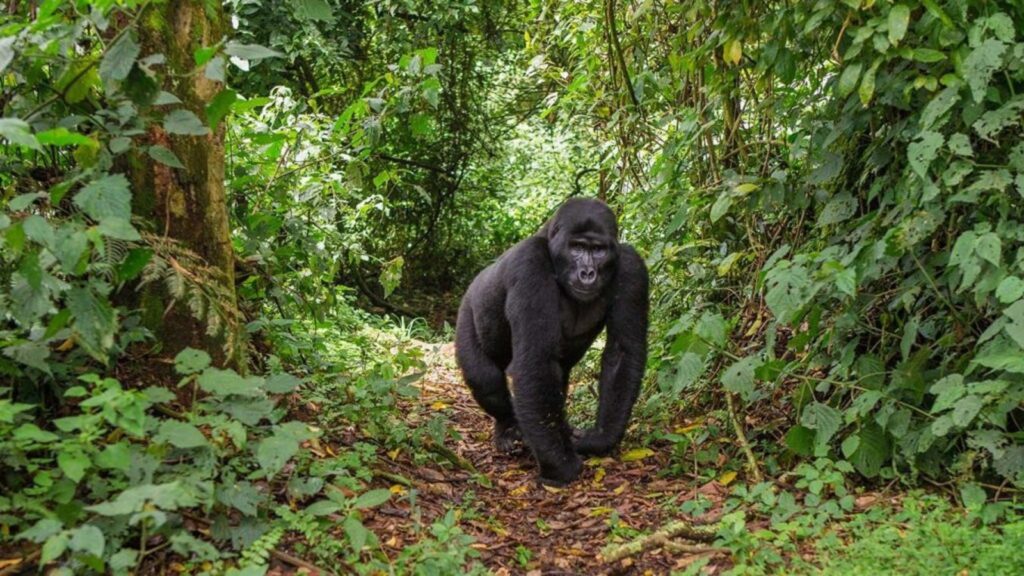
The trek itself can vary considerably. The gorilla family may be relatively close to the trailhead or several hours away. Rangers and trackers use their knowledge of the forest and recent gorilla movements to locate the assigned family.
Once the gorillas are found, visitors spend a regulated period observing them. UWA states that Uganda’s standard gorilla tracking experience includes one hour of observation with a habituated gorilla family.
The experience can involve walking through dense vegetation, climbing steep slopes, and waiting quietly while the gorillas move through their habitat. Visitors should follow instructions from guides and maintain the required distance from the animals.
Gorilla Trekking Etiquette
Respectful behavior is essential during every gorilla encounter. Visitors should listen carefully to their guides and trackers because they understand gorilla behavior and forest conditions.
Avoid shouting, sudden movements, and unnecessary gestures. Do not attempt to touch the gorillas, even if one approaches close to the group. Travelers should also avoid using flash photography when prohibited and should never leave rubbish in the forest.
Personal hygiene also matters because mountain gorillas can be vulnerable to human respiratory illnesses. Anyone who feels unwell before trekking should inform the responsible authorities or tour operator rather than concealing their symptoms.
Responsible behavior protects the animals and helps preserve the experience for future visitors.
What to Pack for Gorilla Trekking from Tanzania
Packing for gorilla trekking from Tanzania requires different preparation than a conventional savannah safari. The forest environment can be wet, muddy, and unpredictable.
Waterproof hiking boots provide better grip on slippery terrain. Long trousers and long-sleeved clothing can protect against vegetation and insects, while a waterproof jacket helps during sudden rainfall.
A small daypack is useful for carrying drinking water, snacks, personal medication, a camera, and other essentials. Walking poles can also provide additional stability on steep or muddy sections.
Travelers should avoid excessive luggage on trekking day because they may need to walk for several hours. Porters are available in many trekking areas and can assist with carrying bags while also providing an important source of income for communities around the parks.
Best Time for Gorillas Trekking from Tanzania
Gorilla trekking is possible throughout the year, but weather conditions can influence trail conditions and trekking comfort.
The drier periods can make some forest trails easier to navigate, although rainfall remains possible because Bwindi and the Virunga region have rainforest climates. Wet-season travel can bring muddy trails but may also provide a different forest experience.
The best time for your trip may therefore depend on your entire East African itinerary. If your Tanzania safari is scheduled around the Great Migration, for example, the gorilla trek can be placed before or after the safari depending on flight schedules and available permits.
Rather than selecting a gorilla trekking date based only on weather, coordinate your permit, flights, accommodation, and safari activities together.
Combining Tanzania Safari with Gorilla Trekking
Combining Tanzania and gorilla trekking creates a diverse East African adventure. Travelers can experience vast savannah landscapes in Tanzania before entering the forested mountains where mountain gorillas live.
A Tanzania itinerary might include the Serengeti and Ngorongoro Conservation Area before continuing toward Uganda or Rwanda. Travelers interested in Kilimanjaro can also combine a mountain experience with gorilla trekking, although sufficient recovery time should be included between physically demanding activities.
Zanzibar provides another possible addition after the wildlife portion of the trip. After spending time trekking through forests and exploring Tanzania’s savannahs, travelers can finish their holiday on the coast.
This combination allows visitors to experience several distinct environments during one East African journey.
Budgeting for Gorilla Trekking from Tanzania
The total cost depends on far more than the gorilla permit. Travelers should consider international and regional flights, airport transfers, accommodation, transportation, meals, park-related costs, visas where applicable, travel insurance, and optional activities.
The distance between Tanzania and the gorilla trekking destination can significantly affect the budget. Flying may reduce travel time but increase transportation costs, while overland travel can take longer but may fit travelers who want a broader regional itinerary.
Accommodation also creates significant variation in total trip cost. Luxury lodges can increase the overall budget substantially, while comfortable mid-range and budget properties can make the experience more accessible.
A well-planned itinerary should therefore calculate the total trip cost rather than comparing gorilla permit prices alone.
Travel Insurance for the Trip
Travel insurance is strongly worth considering for a multi-country East African itinerary. A trip involving Tanzania, Uganda, or Rwanda can include several flights, long road transfers, and physically demanding activities.
Your policy should be checked carefully for coverage related to trekking and adventure activities. It should also address medical emergencies, evacuation, trip cancellation, baggage problems, and travel interruptions where applicable.
Travelers should keep copies of their insurance details and important travel documents in both digital and accessible offline form.
Good insurance planning can reduce financial exposure when unexpected problems occur during a complex safari itinerary.
Why You Should Book Early
Early planning is particularly important for travelers arranging gorilla trekking from Tanzania because the trip involves several independent arrangements.
The gorilla permit must correspond with the correct trekking date and sector. Accommodation should be located near the appropriate trailhead, while flights and road transfers must fit the trekking schedule.
Planning early also creates more opportunities to combine the gorilla experience with Tanzania’s major safari destinations. Travelers who wait until the last minute may have to adjust their dates because suitable gorilla permits or accommodation are no longer available.
Starting the planning process several months before the intended trip gives you more time to coordinate the different parts of the journey.
Frequently Asked Questions
Can Tanzanian citizens go gorilla trekking in Uganda?
Yes. Tanzanian citizens can travel to Uganda for gorilla trekking, and Tanzania is currently listed among Uganda’s visa-exempt countries. Tanzanian citizens should also confirm the applicable EAC gorilla permit category when booking.
Is Uganda or Rwanda easier to reach from Tanzania?
The answer depends on your starting city and available flights. Travelers should compare routes through Entebbe and Kigali while considering the complete road journey to the gorilla trekking destination.
How far is gorilla trekking from Tanzania?
There is no single distance because Tanzania is a large country. The travel time depends on whether you start in Dar es Salaam, Arusha, Kilimanjaro, Zanzibar or another location and whether you travel by air or road.
Can I combine a Tanzania safari with gorilla trekking?
Yes. Combining a Tanzania safari with gorilla trekking is one of the most interesting ways to create a multi-country East African itinerary. You can place the gorilla trek before or after destinations such as the Serengeti, Ngorongoro or Zanzibar.
Do I need a visa to enter Uganda from Tanzania?
Tanzanian nationals are currently listed as visa-exempt for Uganda. Travelers of other nationalities should check their individual immigration requirements because residency in Tanzania does not automatically make someone a Tanzanian citizen.
How difficult is gorilla trekking?
Difficulty varies depending on the location of the gorilla family, terrain and weather. UWA recommends moderate fitness and notes that Ugandan gorilla treks may last between two and seven hours.
Conclusion
Gorilla trekking from Tanzania provides an excellent way to expand a Tanzanian safari into a wider East African adventure. Although Tanzania does not offer mountain gorilla trekking, Uganda and Rwanda provide access to these remarkable animals in protected forest habitats.
Travelers can choose Uganda’s Bwindi or Mgahinga destinations or trek in Rwanda’s Volcanoes National Park. The right choice depends on the rest of the itinerary, transportation options, permit availability, budget and preferred safari experience.
Tanzanian citizens should pay particular attention to the EAC permit category when planning a Ugandan gorilla trek, while travelers of other nationalities living in Tanzania should verify their own visa and permit requirements.
With early permit booking, suitable accommodation, reliable transportation and adequate physical preparation, a journey from Tanzania to the mountain gorillas can become one of the most memorable experiences of an East African safari.