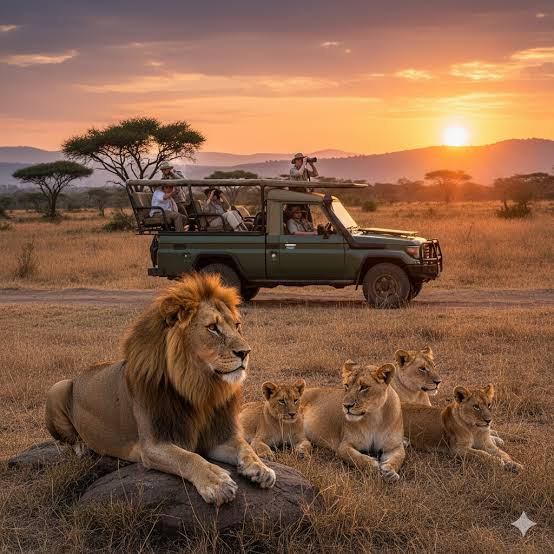
Is Africa Safe for First-Time Visitors? Gorilla Safari Safety Guide
One of the most common questions people ask before planning their first African safari is, “Is Africa safe for first-time visitors?” The answer depends on where you travel, how you travel, and the specific destinations included in your itinerary. Africa is an enormous continent made up of many countries, each with different security conditions, infrastructure, health considerations, and travel requirements.
For travelers interested in gorilla trekking, safety deserves particular attention because the experience takes place in remote mountain forests. Uganda and Rwanda are among the leading destinations for mountain gorilla tourism, and both have established systems for organizing guided gorilla treks. Uganda’s Uganda Wildlife Authority states that gorilla trekking takes place in Bwindi Impenetrable National Park and Mgahinga Gorilla National Park, with treks generally requiring moderate fitness and lasting around two to seven hours.
However, first-time visitors should distinguish between the safety of a particular gorilla trekking experience and broader country-level travel risks. A well-organized trek with licensed guides does not eliminate every risk associated with international travel. Travelers should research current advisories, health information, transportation arrangements, and local conditions before departure.
Is Africa Safe for First-Time Visitors?
Africa cannot be treated as one destination when discussing travel safety. Conditions differ substantially between countries, cities, rural areas, national parks, and border regions.
Many tourists visit African countries every year without serious problems, particularly when they use established tourism services and follow local guidance. At the same time, some regions experience political unrest, armed conflict, terrorism, serious crime, or health emergencies and may require travelers to reconsider or avoid travel.
This distinction is especially important for a gorilla safari. A traveler may spend part of a trip in a major city, travel through rural areas, and then enter a protected forest. Each part of the journey can involve different considerations.
First-time travelers should therefore avoid relying on broad statements such as “Africa is safe” or “Africa is dangerous.” Instead, research the exact country and destinations you plan to visit, check current official travel advisories, and discuss transportation and security arrangements with a reputable local operator.
Is Gorilla Trekking Safe for First-Time Visitors?
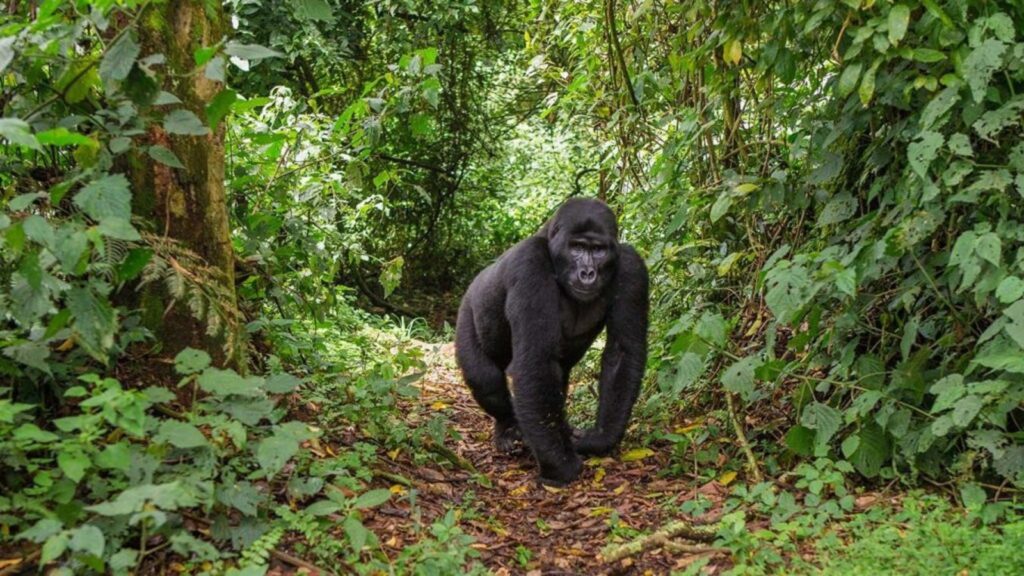
Gorilla trekking is a guided wildlife activity rather than an independent hike. Visitors normally travel with trained guides, trackers, and other park personnel who understand the terrain and gorilla behavior.
In Uganda, gorilla trekking takes place in Bwindi and Mgahinga. UWA identifies moderate fitness as an important requirement because treks can last several hours and involve challenging forest terrain.
The gorillas themselves are wild animals, so visitors must never treat the encounter like an interaction with domesticated animals. Rangers and guides manage the encounter and instruct visitors about appropriate behavior.
The forest environment also presents practical challenges. Trails can be steep, muddy, slippery, and uneven. Rain can make conditions more difficult, while dense vegetation can slow progress.
For first-time visitors, following the guide’s instructions is one of the most important safety measures. Travelers should avoid walking away from the group, attempting to approach gorillas independently, or taking unnecessary risks for photographs.
Safety in Uganda for a Gorilla Safari
Uganda is a major gorilla trekking destination, with mountain gorillas found in Bwindi Impenetrable National Park and Mgahinga Gorilla National Park.
For tourists, the safety picture needs to be considered at both the destination and national levels. Current official travel advisories should always be checked before departure because security and health conditions can change.
For example, the U.S. State Department’s June 4, 2026, advisory currently lists Uganda at Level 4, “Do not travel,” citing crime, health, terrorism, and unrest. The advisory also identifies health-related concerns connected to an Ebola outbreak at the time of its publication.
This does not mean that every tourist destination in Uganda presents the same level of risk. It does mean that travelers should take current official information seriously and assess their individual circumstances before booking or traveling.
Conditions can change, so this article should not be treated as a substitute for checking the latest government travel and health advisories immediately before departure.
Safety in Bwindi Impenetrable National Park
Bwindi is one of Uganda’s most important gorilla trekking destinations. The park contains several trekking sectors, including Buhoma, Ruhija, Rushaga, and Nkuringo.
The main safety concerns inside the forest are usually different from those encountered in a major city. Travelers need to think about terrain, weather, physical exhaustion, insects, getting separated from the group, and maintaining appropriate behavior around wildlife.
UWA’s visitor information emphasizes that gorilla tracking follows specific rules designed to protect both visitors and gorillas.
Travelers should wear suitable hiking footwear, follow their guide, carry adequate drinking water, and prepare for changing weather. Anyone with concerns about physical fitness should discuss them with the safari operator before the trek.
The journey to Bwindi also requires careful transportation planning. Some approaches involve winding roads and sections of rough road, and UWA recommends a four-wheel-drive vehicle for certain routes.
Safety in Rwanda for Gorilla Trekking
Rwanda is another major destination for mountain gorilla trekking, with the experience centered around Volcanoes National Park.
Rwanda’s current official travel advisory also demonstrates why first-time visitors need to distinguish between different parts of a country. The U.S. State Department currently advises travelers to reconsider travel to Rwanda because of crime, unrest, and health risks and advises against travel within 10 kilometers of the country’s border with the Democratic Republic of Congo. However, the same advisory specifically states that Volcanoes National Park is not included in that area of increased risk.
The advisory also notes that the Rwanda Development Board and security forces maintain a strong presence in Volcanoes National Park and recommends using RDB-sanctioned treks with licensed guides.
This is an important lesson for first-time travelers: country-level safety information should be examined alongside destination-specific information.
Travelers should still monitor conditions before departure because regional circumstances can change.
Gorilla Trekking and Wildlife Safety
Gorilla trekking involves observing wild animals at relatively close range. Although habituated gorillas have become accustomed to the presence of controlled groups of visitors, they remain wild animals.
Visitors should never attempt to touch, feed, chase, or provoke a gorilla. They should also avoid sudden movements and loud behavior when the guide asks the group to remain quiet.
The guide’s instructions should take priority over personal attempts to obtain photographs or videos.
UWA’s gorilla management guidelines exist specifically to regulate tracking and protect both wildlife and visitors.
The safest approach is therefore simple: remain with the group, listen to the guide, maintain the required distance, and allow the animals to behave naturally.
Health and Medical Safety for First-Time Visitors
Health preparation is another important part of answering the question, “Is Africa safe for first-time visitors?”
Travelers should consult a qualified travel-health professional before departure. Depending on the itinerary, health professionals may discuss vaccinations, malaria prevention, food and water precautions, travel medications, and other destination-specific health issues.
Travel insurance is also important. A comprehensive policy should be checked for medical treatment, emergency assistance, evacuation, and activities such as trekking.
Remote gorilla destinations may not have the same medical facilities available in major cities. Rwanda’s current travel advisory, for example, notes that travelers injured during tourism activities may need to travel to a major city for appropriate medical care and recommends medical evacuation coverage.
Travelers should therefore disclose relevant medical considerations to their tour operator and avoid assuming that emergency medical services will be immediately available inside a remote forest.
Is Gorilla Trekking Physically Safe for Beginners?
First-time visitors do not need to be experienced mountaineers to participate in gorilla trekking, but they should prepare for physical exertion.
UWA describes gorilla trekking in Uganda as requiring moderate fitness, with treks potentially lasting two to seven hours.
The actual difficulty depends on the location of the gorilla family, terrain, weather, and the individual’s fitness level. A trek that appears short on a map can become challenging when the trail becomes steep or muddy.
Visitors should begin preparing several weeks before their trip. Regular walking, stair climbing, hill walking, and cardiovascular exercise can help improve endurance.
Travelers should also wear appropriate footwear and tell their operator if they have mobility concerns. Additional assistance may sometimes be available depending on the destination and arrangements.
Transportation Safety During an African Safari
Transportation is an important part of safari safety that first-time visitors sometimes overlook.
Gorilla destinations can be far from international airports. Road journeys may involve winding mountain roads, uneven surfaces, and long travel times.
Travelers should use reputable transportation providers and avoid unnecessary nighttime driving in unfamiliar areas. Private or organized safari transportation can also simplify logistics for visitors unfamiliar with local roads.
In Uganda, UWA provides route information for Bwindi and notes that certain approaches require or strongly benefit from four-wheel-drive vehicles.
First-time visitors should therefore consider transportation when comparing safari packages rather than focusing only on the gorilla permit price.
How Safe Are African Safari Lodges?
Accommodation safety varies between properties, so travelers should choose established lodges and camps with good recent reviews.
Before booking, visitors should consider location, access roads, emergency procedures, security arrangements, food hygiene, and the property’s ability to assist guests during an emergency.
Remote lodges can offer extraordinary experiences but may be far from major medical facilities. Travelers should understand this before choosing accommodation.
A reputable safari operator can recommend properties appropriate for the traveler’s budget and itinerary while also explaining the practical differences between accommodation options.
Is It Safe to Travel to Africa Alone for the First Time?
Solo travel in Africa can be rewarding, but first-time visitors should plan carefully. Gorilla trekking itself is not an independent activity because visitors participate in organized groups with guides.
Traveling between destinations requires more planning. Solo visitors should arrange reliable airport transfers, accommodation, transportation, and safari activities before arriving.
Travelers should also maintain communication with their accommodation or tour operator and avoid displaying valuables unnecessarily.
Those who are uncomfortable managing unfamiliar transportation or logistics may find an organized safari more convenient than independent travel.
The important principle is not whether solo travel is universally safe or unsafe. It is whether the specific itinerary has been planned appropriately for the destination and the traveler’s experience level.
How First-Time Visitors Can Reduce Travel Risks
Good preparation significantly reduces avoidable problems. Travelers should research the exact destinations on their itinerary, keep important documents secure, maintain copies of travel information, and have appropriate insurance.
Visitors should also use reputable accommodation and transportation providers and follow local advice about areas to avoid.
During the gorilla trek, the simplest safety strategy is to follow the guide. Visitors should not separate from the group, ignore instructions, or attempt risky approaches to wildlife.
Travelers should also maintain flexibility. Weather, road conditions, wildlife movements, and other circumstances can occasionally change safari schedules.
A well-planned trip does not guarantee that nothing unexpected will happen. Instead, it gives travelers better options when circumstances change.
Is Africa Safe for Families Visiting Gorillas?
Families can enjoy African safaris, but gorilla trekking requires consideration of age, fitness, and park regulations.
Parents should check the current age requirements for gorilla trekking in their chosen destination before booking. They should also consider whether younger travelers can manage several hours of walking through challenging terrain.
Families should discuss their needs with the safari operator before confirming the itinerary.
A family safari can combine gorilla trekking with easier activities such as game drives, nature walks, cultural experiences, and boat trips depending on the destination.
The best itinerary balances exciting activities with sufficient rest.
What First-Time Visitors Should Avoid
Travelers should avoid treating Africa as a single destination with identical safety conditions everywhere. They should also avoid booking based solely on the cheapest advertised price.
Visitors should be cautious about unofficial operators, unclear payment arrangements, unlicensed guides, and itineraries that do not explain transportation or accommodation details.
During gorilla trekking, visitors should never attempt to touch or feed gorillas, move closer for a photograph, or ignore ranger instructions.
Travelers should also avoid relying on outdated safety information. Conditions can change quickly, so current government advisories and local tourism information are more useful than old blog posts or social media comments.
Frequently Asked Questions About Africa Safety and Gorilla Safaris
Is Africa safe for first-time visitors?
Africa contains many destinations that welcome international tourists, but safety varies significantly between countries and regions. Travelers should research the exact destinations they plan to visit and check current official travel advisories.
Is gorilla trekking safe?
Gorilla trekking is a regulated and guided wildlife activity. Visitors must follow the instructions of guides and rangers, maintain the required distance, and respect gorilla behavior.
Is Uganda safe for gorilla trekking?
Uganda has established gorilla tourism operations in Bwindi and Mgahinga, but travelers should check current national and regional safety and health advisories before departure. Current advisories can change, and country-level risks should not be ignored.
Is Rwanda safe for gorilla trekking?
Rwanda’s Volcanoes National Park has an established gorilla tourism system and a security presence. However, current regional conditions mean travelers should check the latest advisory before traveling. The U.S. State Department’s current advisory specifically distinguishes Volcanoes National Park from the higher-risk border area with the DRC.
Do I need a guide for gorilla trekking?
Gorilla trekking is organized through the protected-area authorities and guided trekking systems. Travelers should use authorized trekking arrangements rather than attempting to locate gorillas independently.
What is the biggest safety concern during gorilla trekking?
The main concerns can include challenging terrain, weather, physical exhaustion, wildlife behavior, and health considerations. Following the guide’s instructions significantly reduces avoidable risks.
Should first-time visitors use a tour operator?
Using a reputable tour operator can make a first African safari easier because the operator can coordinate permits, transportation, accommodation, guides, and other logistics.
Conclusion
So, is Africa safe for first-time visitors interested in gorillas? Africa is not a single destination, and safety depends on the country, region, itinerary, and current conditions. Many travelers enjoy successful gorilla safaris, but responsible planning remains essential.
Uganda and Rwanda have established gorilla trekking systems, trained guides, protected national parks, and tourism infrastructure. Uganda’s gorilla trekking takes place in Bwindi and Mgahinga, while Rwanda’s gorilla tourism centers on Volcanoes National Park.
For first-time travelers, the best approach is to research current conditions, use reputable tourism providers, obtain appropriate travel insurance, prepare physically, follow health guidance, and listen carefully to guides and rangers.
Most importantly, travelers should check current official travel and health advisories shortly before departure. Safety information can change, and an article published months earlier may no longer reflect conditions on the ground.
With careful preparation, realistic expectations, and responsible travel practices, a gorilla safari can be an extraordinary introduction to Africa and its remarkable wildlife.