Gorilla Trekking from the USA: Complete Planning Guide
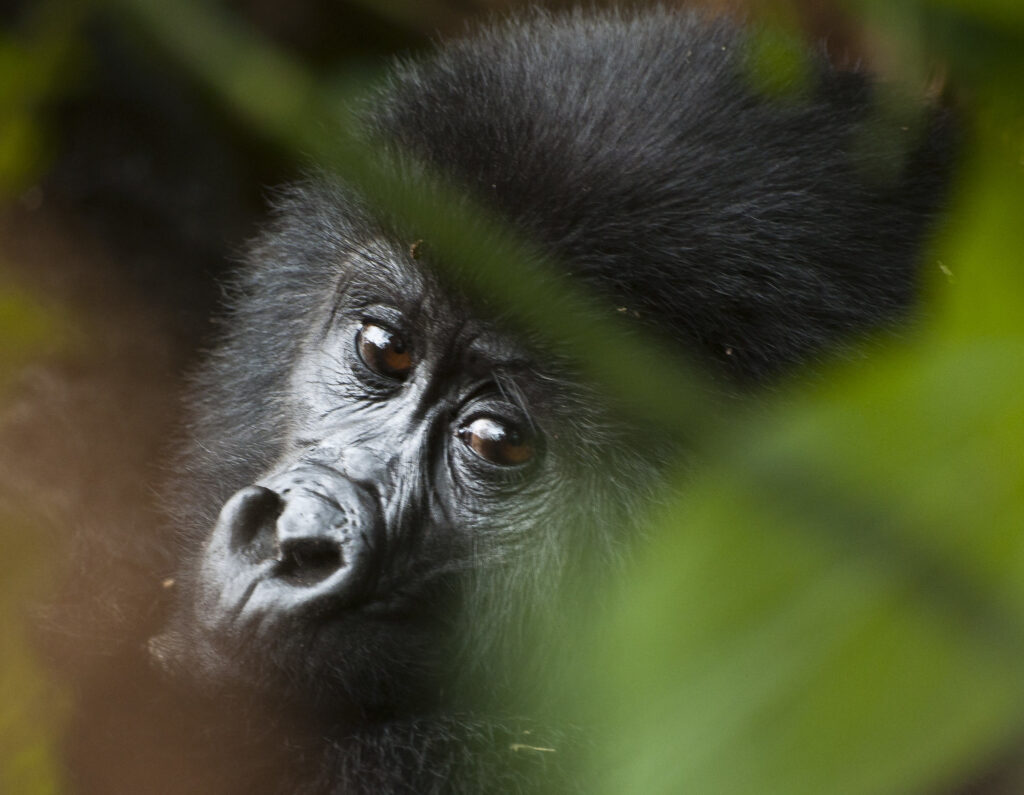
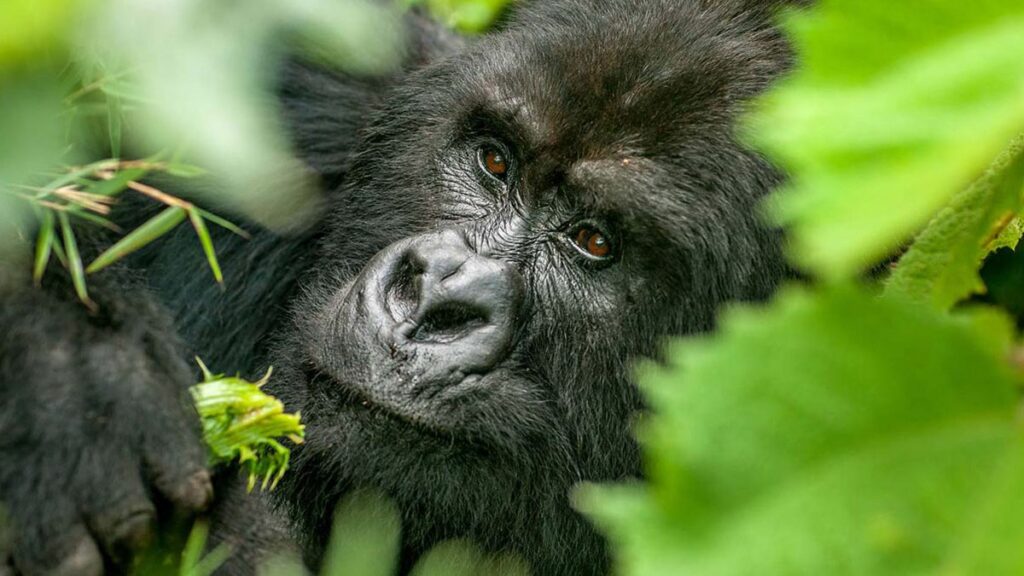
Gorilla trekking is one of the most unforgettable wildlife experiences available to American travelers visiting Africa. Standing only a few meters from a family of endangered mountain gorillas in the misty forests of East or Central Africa creates memories that last a lifetime. However, planning a gorilla trekking adventure from the United States requires more preparation than an ordinary safari. Travelers need to consider international flights, visas, gorilla permits, accommodation, transportation, travel insurance, packing, health requirements, and the physical demands of trekking.
This gorilla trekking from USA planning guide explains the journey from the initial planning stage to the actual trek. It focuses particularly on Uganda and Rwanda, the two most accessible destinations for many international visitors seeking mountain gorilla experiences. Uganda offers gorilla trekking in Bwindi Impenetrable National Park and Mgahinga Gorilla National Park, while Rwanda offers trekking in Volcanoes National Park. Understanding the differences between these destinations can help American travelers choose an itinerary that matches their budget, travel style, fitness level, and overall African safari plans.
Choosing the Best Gorilla Trekking Destination
The first major decision for an American traveler involves choosing where to trek. Uganda and Rwanda provide the most established options for international gorilla trekking, although the experience differs between the two countries. Uganda generally appeals to travelers seeking greater flexibility in safari planning, while Rwanda is particularly attractive to visitors who value convenient access from Kigali and a more upscale tourism environment.
Uganda’s gorilla trekking takes place primarily in Bwindi Impenetrable National Park, with additional trekking opportunities in Mgahinga Gorilla National Park. Bwindi has several trekking sectors, including Buhoma, Ruhija, Rushaga, and Nkuringo. Travelers can combine the gorilla experience with other Ugandan attractions such as Queen Elizabeth National Park, Kibale National Park, Lake Mburo National Park, Murchison Falls National Park, or other destinations depending on the length of their trip. This makes Uganda particularly suitable for Americans who want to experience several types of African wildlife during one journey.
Rwanda provides a different experience. Volcanoes National Park lies relatively close to Kigali, making the transfer from the international airport considerably shorter than many routes into Uganda’s southwestern trekking areas. Travelers who have limited vacation time may therefore find Rwanda convenient. Rwanda also offers luxury accommodation and well-developed tourism infrastructure around the gorilla trekking region.
Planning International Flights from the USA
International flights form an important part of any gorilla trekking from the USA planning guide because there are no direct commercial flights from the United States to most gorilla trekking destinations. American travelers normally connect through major international aviation hubs before continuing to East Africa.
Travelers heading to Uganda typically fly into Entebbe International Airport. Depending on the airline and departure city in the United States, the journey may involve one or more connections through Europe, the Middle East, or other international hubs. Travelers heading to Rwanda generally fly into Kigali International Airport, which provides convenient access to Volcanoes National Park.
When comparing flights, travelers should consider more than the ticket price. Arrival time can affect the first day of the itinerary, while departure time can influence the final night and transportation arrangements. Long international journeys can also leave travelers tired, so building a recovery period into the itinerary can make the overall safari more comfortable.
It is also important to avoid scheduling the gorilla trek immediately after an unpredictable international connection. A delayed flight could cause a traveler to miss a scheduled trekking date. Spending at least one night near the arrival airport or another strategically located destination before continuing toward the gorilla trekking area provides additional protection against travel disruptions.
How Long Should a Gorilla Trekking Trip from the USA Take?
American travelers should consider the total journey rather than planning only the gorilla trekking day. The long flight from the United States, time-zone adjustment, airport transfers, and travel between safari destinations can make a very short itinerary tiring.
A dedicated gorilla trip can work within approximately four to six days if the itinerary focuses heavily on the gorilla experience and nearby attractions. However, travelers who are flying from the United States often gain more value by combining gorilla trekking with a broader safari lasting one to two weeks.
A longer Uganda itinerary could combine gorilla trekking with chimpanzee trekking in Kibale, wildlife viewing in Queen Elizabeth National Park, a visit to Lake Mburo, or other destinations. Rwanda travelers can combine gorilla trekking with cultural experiences, wildlife activities, or additional destinations depending on the itinerary.
The ideal trip length depends on available vacation time, budget, and personal interests. Travelers with only a few days should minimize unnecessary transfers, while those with two weeks or more can build a much more diverse African adventure around the gorilla trek.
Gorilla Permits for American Travelers
A gorilla permit is one of the most important expenses to consider when planning from the United States. Every person participating in a standard gorilla trek needs an individual permit. The permit provides authorization to participate in the regulated gorilla tracking activity and spend the designated observation period with the gorilla family.
Permit prices vary by country and can change according to wildlife authority policies. Travelers should therefore confirm the current price before making financial commitments. The permit represents only one part of the overall safari budget because international flights, accommodation, transportation, meals, guides, park-related services, and other expenses must also be included.
Gorilla permits are limited because wildlife authorities restrict the number of visitors who can visit habituated gorilla families each day. American travelers should therefore arrange permits well before departure, particularly when traveling during busy periods or when several people want to trek on the same date.
For more information on permits, see the related [gorilla permit price 2026], [buy gorilla permit online], and [gorilla permit availability] guides on your website.
Visa and Entry Planning for Americans
Visa requirements form another essential part of international safari preparation. American citizens traveling to Uganda or Rwanda should verify the current entry requirements before departure because immigration policies can change.
For Uganda, travelers should check the current visa and entry requirements before booking their trip. Rwanda also has specific immigration requirements, and travelers should confirm the rules that apply to their nationality and passport before traveling.
Your passport should remain valid for the required period beyond your intended stay, and travelers should ensure they have sufficient blank pages if required for immigration processing. Keeping digital and printed copies of important travel documents can also make international travel easier.
Because entry rules can change, travelers should rely on official immigration sources or their safari operator for the most current information rather than depending on old travel articles. Visa preparation should happen well before the international departure date so that unexpected documentation problems do not affect the safari.
Health and Travel Preparation
Health preparation deserves particular attention when traveling from the United States to a tropical African destination. Travelers should arrange a consultation with a qualified travel-health professional well before departure. This allows enough time to discuss recommended or required vaccinations, destination-specific health precautions, medications, and personal medical considerations.
Travelers should also think about the physical demands of gorilla trekking. The forest terrain can become steep, muddy, slippery, and uneven. Treks may involve several hours of walking depending on where the gorillas are located. Building general walking and endurance fitness before departure can make the experience more comfortable.
Travel insurance is another important consideration. A suitable policy should be reviewed carefully to determine whether it covers medical emergencies, evacuation, trip interruption, delays, and activities such as trekking. Policies differ considerably, so travelers should examine the exclusions and activity requirements rather than assuming every standard policy provides sufficient protection.
Booking Accommodation for a Gorilla Safari
Accommodation should be booked alongside the gorilla permit rather than treated as a last-minute decision. The location of your lodge can significantly affect the logistics of the trekking day because different sectors and trailheads have different access arrangements.
In Uganda, travelers should choose accommodation according to the gorilla trekking sector assigned to them. Staying close to the appropriate park headquarters reduces early-morning travel and provides more time to prepare for the trek. In Rwanda, accommodation around Volcanoes National Park provides convenient access to the trekking area.
American travelers can choose from budget guesthouses, mid-range lodges, luxury safari camps, and high-end resorts. The best choice depends on the overall travel budget and desired level of comfort.
It is also worth considering the accommodation experience beyond the room itself. A good lodge can provide meals suited to dietary requirements, laundry services, early breakfast, packed meals, Wi-Fi where available, and assistance with arranging local transportation. These services can make a major difference after a long trekking day.
Transportation to the Gorilla Trekking Area
Transportation requires careful planning because gorilla trekking destinations are located far from the major international airports. After landing in Entebbe or Kigali, travelers must continue by road or, depending on the itinerary, domestic or regional air services.
In Uganda, road transfers to Bwindi can take considerable time. The final approach to some trekking sectors involves winding roads and rougher surfaces, making a suitable safari vehicle particularly important. Travelers should discuss the route with their tour operator before booking accommodation because the trekking sector determines the most practical approach.
Rwanda offers a shorter road transfer from Kigali to Volcanoes National Park, which is one reason the destination attracts travelers with limited time.
A reliable driver and properly organized transfer schedule can significantly reduce stress. Travelers should also avoid planning excessively tight connections between flights and road transfers. Africa travel often works best when the itinerary includes reasonable buffers for traffic, weather, flight delays, and other unexpected changes.
What to Pack for Gorilla Trekking
Packing for gorilla trekking requires more attention to the environment than packing for a conventional city vacation. Travelers should prepare for rain, mud, changing temperatures, dense vegetation, and potentially long periods of walking.
Long trousers and long-sleeved clothing can provide useful protection against vegetation and insects. Sturdy hiking boots with good traction are particularly important because forest trails can become slippery. Waterproof clothing is also valuable because rainfall can occur even when the day begins with clear weather.
A lightweight daypack can carry water, snacks, personal items, camera equipment, and waterproof storage. Travelers should also protect electronic equipment from moisture.
Photography equipment should remain practical. A camera with a versatile zoom lens can be useful, but travelers should avoid carrying unnecessarily heavy equipment if they are not accustomed to hiking with it. The objective is to remain comfortable and mobile while following all park and gorilla-viewing rules.
What to Expect on the Gorilla Trekking Day
The trekking day usually begins early. Travelers report to the designated park headquarters or meeting point for briefing and group allocation. Guides explain the rules, safety procedures, conservation requirements, and expectations for interacting with the gorillas.
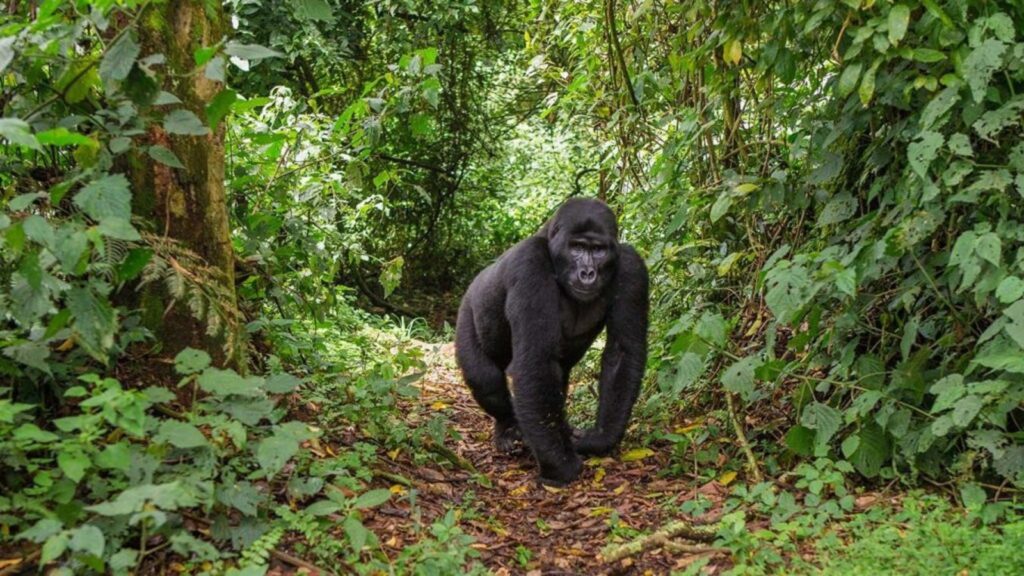
The trek then begins through the forest. The duration varies considerably because gorillas move naturally through their habitat. Some groups may locate the gorillas relatively quickly, while others may spend several hours walking before reaching them.
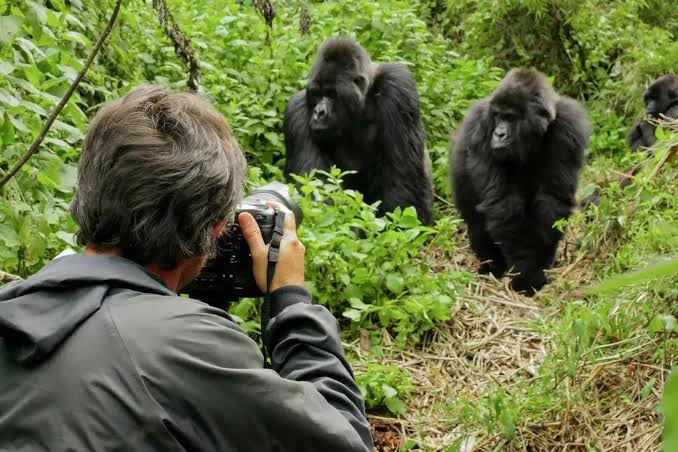
Once the gorillas are located, visitors must follow the instructions of the guides and maintain the required distance. The observation period is limited to protect both visitors and gorillas. Travelers should avoid loud behavior, sudden movements, feeding, touching, or attempting to attract the animals’ attention.
The encounter can involve watching gorillas feed, rest, play, groom one another, move through vegetation, or interact with other members of their family. Remaining patient and respectful allows travelers to appreciate natural gorilla behavior rather than treating the encounter like a staged wildlife performance.
Gorilla Trekking Etiquette for American Visitors
Responsible behavior is essential during gorilla trekking. Visitors should remember that the gorillas are wild animals and that conservation authorities establish strict rules to protect them.
Travelers should listen carefully to their guides and trackers throughout the trek. The guide determines how visitors approach and position themselves around the gorilla family. Photography should never take priority over conservation rules.
Visitors should also avoid using strong fragrances or unnecessary scented products before trekking. Maintaining good hygiene and following health-related instructions helps reduce potential disease-transmission risks between humans and gorillas.
Respect for local communities matters as well. Gorilla tourism supports employment and local businesses around the national parks, so travelers should approach community interactions with respect and cultural sensitivity.
A responsible visitor leaves the forest without litter, avoids disturbing wildlife, and recognizes that the privilege of seeing mountain gorillas depends on successful conservation.
Budgeting for Gorilla Trekking from the USA
The total cost of a gorilla trip from the United States varies widely. International airfare can represent a significant portion of the budget, while the gorilla permit remains one of the major safari-specific expenses.
Other costs include accommodation, airport transfers, safari transportation, meals, park fees where applicable, guide services, travel insurance, visas, tips, optional activities, and personal spending.
Travelers should request a detailed quotation from a reputable safari operator rather than comparing only the advertised gorilla permit price. A seemingly cheap package can become expensive when important services are excluded.
Uganda can provide different accommodation levels and itinerary combinations, allowing travelers to construct budget, mid-range, or luxury safaris. Rwanda generally offers a strong luxury-tourism market, although travelers can also find different accommodation categories.
Creating a complete budget before booking helps American travelers understand the true cost of the adventure and avoid unexpected expenses during the trip.
Best Time for Americans to Go Gorilla Trekking
Gorilla trekking takes place throughout the year, so American travelers can choose their travel period according to weather preferences, vacation schedules, budget, and availability.
Drier periods can appeal to travelers who prefer generally more favorable trekking conditions, while wetter periods can sometimes bring lower accommodation demand and fewer travelers. However, mountain forests receive rainfall throughout the year, and weather conditions can change quickly.
Travelers should therefore avoid assuming that a particular month guarantees dry trails. Gorilla trekking takes place in a rainforest environment, and rain is part of the experience.
For American travelers, the best time may ultimately depend on when they can take sufficient vacation time and secure the required permits. If traveling during a popular holiday period, booking well in advance becomes particularly important.
Combining Gorilla Trekking With an African Safari
One of the greatest advantages of traveling from the United States is the opportunity to combine gorilla trekking with other African wildlife experiences. Instead of flying halfway around the world for a single activity, travelers can build a broader itinerary around their gorilla adventure.
Uganda provides particularly strong opportunities for combining gorilla trekking with chimpanzee tracking and traditional game drives. A traveler might experience mountain gorillas in Bwindi, chimpanzees in Kibale, tree-climbing lions or other wildlife in Queen Elizabeth National Park, and additional wildlife around Lake Mburo.
Rwanda also provides opportunities to combine gorilla trekking with other experiences, including cultural activities and wildlife destinations depending on the length of the trip.
A combined safari gives American travelers a deeper understanding of East Africa’s landscapes and wildlife. It also makes the long international journey feel more worthwhile by turning the trip into a broader African adventure rather than a single-activity vacation.
Frequently Asked Questions
Is gorilla trekking from the USA worth the long journey?
For travelers interested in wildlife, conservation, photography, and unique cultural experiences, gorilla trekking can justify the long journey. The experience offers an opportunity to observe endangered mountain gorillas in their natural forest habitat while supporting conservation and communities surrounding the protected areas.
Should I choose Uganda or Rwanda for gorilla trekking?
The choice depends on your priorities. Uganda offers extensive safari possibilities and several gorilla trekking sectors, while Rwanda provides convenient access from Kigali and a strong luxury-tourism infrastructure. Both destinations offer exceptional gorilla encounters.
How far in advance should Americans book gorilla trekking?
Early booking is recommended because gorilla permits are limited. Travelers should ideally begin planning several months before departure, with additional advance planning during popular travel periods.
How difficult is gorilla trekking?
Difficulty varies considerably. Some treks involve relatively manageable walks, while others require several hours of hiking across steep, muddy, or uneven terrain. Travelers should prepare physically and communicate their fitness level to their tour operator.
Can I take photographs of the gorillas?
Yes, photography is generally allowed, but visitors must follow the instructions of their guides and park authorities. Flash photography and other disruptive behavior may be restricted because the welfare of the gorillas takes priority.
Can I combine gorilla trekking with other activities?
Yes. Many travelers combine gorilla trekking with chimpanzee tracking, wildlife safaris, cultural experiences, nature walks, or other activities. Uganda offers particularly strong possibilities for creating a multi-destination safari.
Conclusion
Planning a gorilla safari from the United States requires careful coordination, but the effort can lead to one of the most rewarding wildlife experiences of a lifetime. American travelers need to think beyond the gorilla permit and consider international flights, visas, accommodation, transportation, travel insurance, health preparation, fitness, packing, and the overall itinerary.
Uganda and Rwanda both offer excellent opportunities to see mountain gorillas, but each destination provides a different travel experience. Uganda works especially well for travelers who want to combine gorilla trekking with a broader wildlife safari, while Rwanda can appeal to visitors seeking convenient access and high-end tourism services.
By securing permits early, choosing appropriate accommodation, allowing sufficient travel time, preparing physically, and following responsible gorilla-viewing practices, travelers from the United States can enjoy their African adventure with greater confidence. This gorilla trekking from the USA planning guide can serve as a starting point for building an itinerary that combines careful preparation with the unforgettable experience of encountering mountain gorillas in the wild.