Gorilla Trekking African American Heritage Tour: Connecting Ancestry, Culture, and Conservation
A gorilla trekking African American heritage tour can offer a meaningful way to explore connections between Africa, history, culture, and wildlife conservation. For African American travelers, visiting East Africa can represent more than an ordinary vacation. It can provide an opportunity to experience African landscapes, learn about local communities, explore historical traditions, and encounter mountain gorillas in one of their natural habitats.
Uganda and Rwanda provide particularly compelling destinations for travelers who want to combine gorilla trekking with cultural and heritage experiences. Their mountain forests, communities, traditional cultures, and historical landscapes allow visitors to create an itinerary that goes beyond wildlife viewing. Travelers can combine time in the forest with visits to cultural sites, community projects, museums, historic locations, and cities.
An African American heritage journey should also avoid treating Africa as a single cultural destination. The continent contains thousands of communities, languages, traditions, and histories. A thoughtful safari therefore combines gorilla trekking with opportunities to learn about the specific cultures and histories of the countries visited.
What Is a Gorilla Trekking African American Heritage Tour?
A gorilla trekking African American heritage tour combines mountain gorilla trekking with cultural, historical, and heritage experiences designed to help travelers develop a deeper connection with Africa.
The concept does not mean that African American visitors share one single ancestral experience or that every traveler will have the same relationship with Africa. Instead, it recognizes that many African American travelers have an interest in exploring African history, cultures, landscapes, and contemporary communities as part of their personal travel experience.
A heritage-focused itinerary can include several elements. Travelers may visit cultural centers, interact with local communities, learn about traditional crafts, explore historical sites, participate in community tourism projects, and spend time in major cities before or after gorilla trekking.
Gorilla trekking then adds a powerful wildlife component to the journey. Instead of simply visiting Africa for a wildlife safari, travelers can create an itinerary that connects nature, culture, history, and conservation.
The experience becomes particularly meaningful when travelers approach it as an opportunity to learn rather than searching for a simplified or romanticized version of Africa.
Why African American Travelers May Choose a Heritage Safari
For some African American travelers, visiting Africa can inspire questions about ancestry, identity, history, and cultural connection. A journey to Uganda or Rwanda can provide an opportunity to experience African societies in the present rather than encountering the continent only through historical narratives.
A heritage safari can also challenge stereotypes about Africa. Travelers encounter modern cities, universities, businesses, conservation organizations, artists, entrepreneurs, farmers, guides, and communities alongside spectacular natural landscapes.
Gorilla trekking creates another dimension because it takes travelers into ecosystems that have existed for generations and remain important to local communities. Mountain gorilla conservation also demonstrates how wildlife protection, tourism, scientific research, and community development can interact.
The most rewarding experience comes from approaching the journey with curiosity. Rather than expecting one destination to answer every question about African ancestry, travelers can use the safari as one part of a broader exploration of African history and contemporary life.
Gorilla Trekking in Uganda as Part of a Heritage Journey
Uganda provides an excellent setting for combining gorilla trekking with cultural and heritage experiences. Travelers can visit Bwindi Impenetrable National Park or Mgahinga Gorilla National Park for their mountain gorilla experience.
Bwindi is particularly attractive for longer heritage itineraries because travelers can combine the gorilla experience with community visits and other Uganda safari destinations. Depending on the itinerary, visitors can also explore Kampala, Jinja, Lake Mburo, Queen Elizabeth National Park, Kibale Forest, or other destinations.
A heritage-focused itinerary does not need to rush directly from the airport to the gorilla forest. Spending time in Kampala can help travelers understand contemporary Uganda before traveling into rural areas. Markets, cultural institutions, restaurants, craft centers, and historical attractions can provide additional context.
Travelers can then continue toward southwestern Uganda for gorilla trekking. The contrast between urban Uganda, rural communities, and the mountain forests can make the journey more educational and memorable.
African Heritage and the Importance of Responsible Cultural Tourism
African American heritage tourism should prioritize respectful cultural exchange. Travelers should remember that local communities are not attractions created solely for visitors. They are living communities with their own identities, traditions, beliefs, and contemporary challenges.
When visiting communities, travelers should listen to local guides and community members rather than assuming that they already understand African culture. Photography should also be respectful. Visitors should ask permission before photographing people, homes, ceremonies, or culturally significant activities.
Supporting locally owned businesses can strengthen the benefits of heritage tourism. Travelers can choose locally operated tours, purchase crafts directly from artisans, dine at local establishments, and participate in community tourism programs where appropriate.
This approach helps ensure that the economic benefits of tourism reach people living near the destinations.
A meaningful heritage journey should therefore create opportunities for genuine interaction rather than turning culture into a performance designed exclusively for tourists.
Connecting Gorilla Conservation With African Heritage
Gorilla conservation can become an important part of an African American heritage safari because it demonstrates the relationship between Africa’s natural heritage and its people.
Mountain gorillas are one of the world’s most recognizable endangered animals, and their survival depends on habitat protection, scientific research, veterinary care, responsible tourism, and cooperation with communities surrounding protected forests.
Tourism contributes to this conservation system through permit fees, employment, accommodation, transportation, guiding, and other visitor services. Communities can benefit from tourism-related employment and development projects, creating additional incentives to protect wildlife and forests.
For travelers interested in African heritage, this provides an opportunity to learn about Africa’s living natural heritage rather than viewing heritage only through historical sites.
The gorilla encounter can become a reminder that Africa’s heritage includes forests, wildlife, indigenous knowledge, cultural traditions, languages, and contemporary communities.
Cultural Experiences to Add to a Gorilla Heritage Tour
A gorilla trekking itinerary can include several cultural experiences before or after the trek. Travelers may visit local communities near Bwindi, explore traditional crafts, learn about regional food, or participate in carefully organized cultural activities.
In Uganda, travelers can also explore the country’s broader cultural diversity by visiting destinations outside the gorilla region. Kampala provides opportunities to experience contemporary Ugandan life, while other parts of the country offer different traditions, landscapes, and historical experiences.
Music and dance can also provide insight into local culture when visitors experience them through responsible community tourism programs. Traditional crafts provide another way to support local artisans while learning about cultural practices.
Travelers should select experiences that give local communities meaningful participation and economic benefits. A heritage tour becomes more valuable when local people have control over how their culture is represented.
African American Ancestry and Visiting Africa
Some African American travelers may approach a heritage tour with questions about their ancestry. This can be a deeply personal part of travel, but it is important to understand that gorilla trekking destinations cannot automatically identify a traveler’s specific ancestral origins.
African American ancestry is diverse, and historical migration, displacement, colonial boundaries, and the transatlantic slave trade affected populations across many parts of Africa. Modern national borders also do not necessarily correspond to the historical communities from which individuals’ ancestors originated.
Travelers interested in genealogy may therefore wish to research their family history separately before or during their African journey. DNA ancestry services, historical records, family documents, genealogy research, and specialist heritage organizations may provide additional information.
A gorilla trekking safari should not be presented as a guaranteed journey to a traveler’s specific ancestral homeland unless credible historical evidence supports that connection.
Instead, the safari can provide a broader opportunity to experience African environments and cultures while continuing personal ancestry research.
Creating a Meaningful Heritage and Gorilla Itinerary
A successful itinerary should allow enough time for both cultural exploration and gorilla trekking. Trying to combine too many destinations into a short trip can make the journey exhausting and reduce opportunities for meaningful experiences.
A longer itinerary can begin in Kampala, where travelers can experience Uganda’s contemporary culture before continuing toward southwestern Uganda. The journey can then include cultural experiences around Bwindi before the gorilla trek.
After the trek, travelers can continue to another wildlife destination or return toward Kampala or Entebbe depending on their flight schedule.
Travelers who want a deeper heritage experience can extend the journey to include additional cultural destinations. This creates more opportunities to learn about Uganda’s different communities rather than reducing the entire trip to one wildlife encounter.
The ideal itinerary depends on the traveler’s interests, available time, budget, physical fitness, and preferred balance between culture and wildlife.
A Sample Gorilla Trekking African American Heritage Itinerary
A heritage-focused safari could begin with several days in Kampala. Travelers can use this time to explore the city, learn about Ugandan history, visit cultural attractions, experience local cuisine, and meet local guides.
The journey can then continue toward southwestern Uganda, with opportunities to experience rural communities and landscapes along the way. Travelers can spend a night or more near Bwindi before the trekking day.
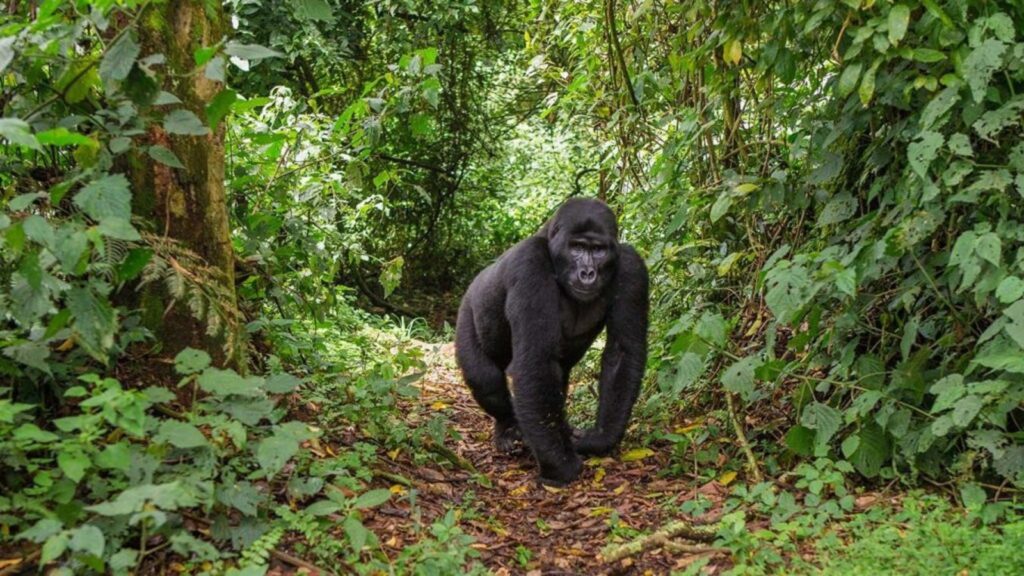
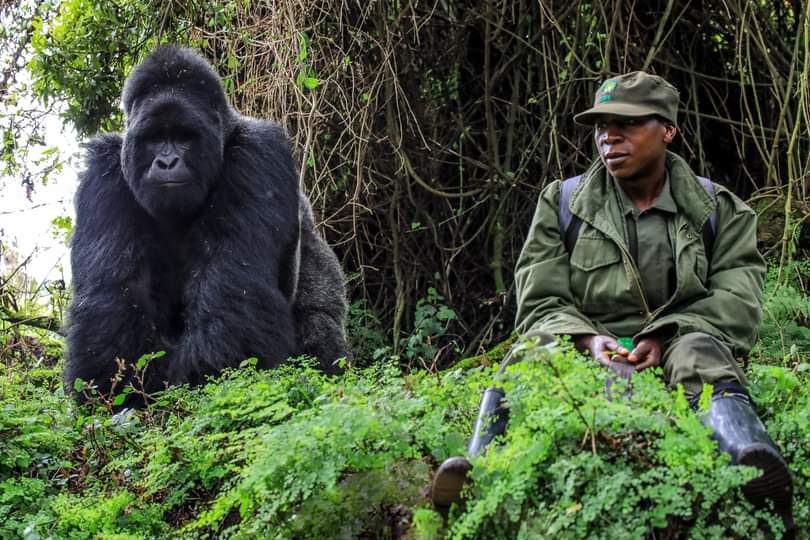
The gorilla trek becomes the central wildlife experience. Visitors enter the forest with trained guides and trackers, following conservation rules while observing a gorilla family in its natural environment.
After the trek, travelers can dedicate additional time to community tourism or continue to another Ugandan destination. Adding another national park can provide a broader understanding of Uganda’s wildlife and landscapes.
A longer itinerary creates space for reflection and cultural learning rather than making the gorilla trek the only meaningful component of the journey.
Respectful Conversations About African American Heritage
Heritage tourism can involve emotional and complex subjects. Travelers may have questions about slavery, colonialism, migration, identity, African diaspora communities, and the relationship between Africa and African Americans.
These conversations should be approached with sensitivity. Africa is not simply a historical origin story for African Americans, and African Americans should not be expected to have identical feelings about returning to the continent.
Local guides can provide valuable perspectives on Uganda’s own history and contemporary society. Travelers should listen to those perspectives while recognizing that one guide or community cannot represent the entire continent.
The strongest heritage journeys encourage conversation rather than presenting simplistic conclusions.
Travelers can return home with a more nuanced understanding of Africa and with a deeper appreciation for the diversity of African societies.
Why Gorilla Trekking Can Be a Powerful Heritage Experience
Standing in the forest near a mountain gorilla can create a profound emotional experience. The encounter places travelers in direct contact with one of Africa’s most iconic species while surrounded by a landscape that supports communities, biodiversity, and conservation.
For African American travelers, the experience may also encourage reflection on connections to the continent and the broader African diaspora.
However, the significance of the experience ultimately depends on the individual traveler. Some people may view it primarily as a wildlife adventure, while others may connect it to identity, ancestry, history, spirituality, or cultural curiosity.
There is no single correct way to experience the journey.
What matters most is approaching the destination with respect for local people, wildlife, conservation rules, and the complexity of African history.
Planning Your Gorilla Trekking African American Heritage Tour
Planning should begin several months before departure, especially when travelers want to combine gorilla trekking with multiple cultural experiences.
Gorilla permits are limited, so travelers should first establish their preferred trekking date before building the rest of the itinerary around it. Accommodation and transportation can then be organized according to the selected trekking location.
Travelers should also communicate their heritage interests to their tour operator. An operator who understands the purpose of the trip can help identify appropriate cultural experiences rather than simply adding generic tourist activities.
Visitors should also consider travel insurance, appropriate trekking clothing, physical preparation, accommodation preferences, and the amount of time they want to dedicate to cultural experiences.
A well-planned itinerary gives travelers enough time to experience Uganda without turning the journey into a rushed schedule.
Frequently Asked Questions
Is gorilla trekking suitable for an African American heritage trip?
Yes. Gorilla trekking can form one part of a broader African heritage itinerary. Travelers can combine the trek with cultural, historical, community, and ancestry-related experiences.
Can I trace my African ancestry through a gorilla trekking tour?
Not automatically. Gorilla trekking takes place in specific regions of Uganda or Rwanda and does not establish an individual’s ancestral origin. Travelers interested in genealogy should conduct separate historical or DNA-based ancestry research.
Is Uganda a good destination for African American heritage travel?
Uganda can be a strong option for travelers who want to combine wildlife, culture, community tourism, and contemporary African experiences. The country offers gorilla trekking alongside many other cultural and wildlife attractions.
Can I combine gorilla trekking with cultural experiences?
Yes. Travelers can combine gorilla trekking with community visits, cultural activities, local food experiences, craft workshops, historical attractions, and other destinations depending on the itinerary.
How long should an African American heritage gorilla safari last?
A longer trip generally provides more opportunities for meaningful cultural exploration. Around seven to ten days can allow travelers to combine several cultural and wildlife experiences, although shorter or longer itineraries can also work.
Should I visit Africa specifically to reconnect with my ancestry?
That decision is personal. Africa contains enormous cultural and historical diversity, and a trip can provide meaningful experiences without necessarily identifying a specific ancestral community. Travelers should approach the journey with realistic expectations and an openness to learning.
Conclusion
A gorilla trekking African American heritage tour can combine wildlife, culture, history, conservation, and personal exploration into one memorable journey. For travelers interested in Africa and the African diaspora, gorilla trekking provides an opportunity to experience one aspect of the continent’s extraordinary natural heritage while learning about the people and communities who live alongside these protected forests.
The most meaningful heritage journeys go beyond wildlife encounters. They create opportunities to learn about contemporary African societies, support local businesses, interact respectfully with communities, and explore history without reducing Africa to a single narrative.
Uganda offers particularly strong possibilities for combining gorilla trekking with cultural and heritage experiences. With thoughtful planning, travelers can create a journey that balances mountain gorilla encounters with cultural discovery and personal reflection.
Ultimately, an African American heritage safari should be approached with curiosity, respect, and an appreciation for Africa’s diversity. Gorilla trekking can then become more than a wildlife adventure. It can become one memorable chapter in a much broader journey of learning, connection, and discovery.