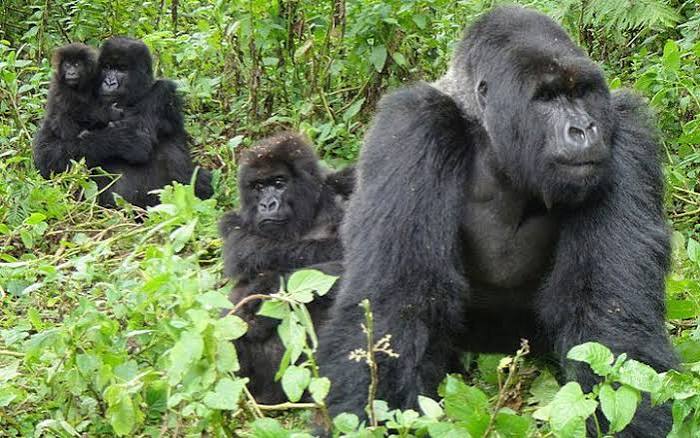
Gorilla Trekking and Religious Considerations: A Respectful Guide for Safari Travelers
Gorilla trekking is more than a wildlife activity. It takes travelers into protected forests that hold ecological, cultural, and historical importance for communities living around them. For many visitors, the experience also raises questions about how gorilla trekking fits with their religious beliefs, cultural values, dietary practices, clothing requirements, prayer routines, and personal ideas about respecting nature. Understanding gorilla trekking religious considerations can help travelers prepare for the experience while remaining respectful of both local communities and the natural environment.
Uganda, Rwanda, and the Democratic Republic of Congo attract visitors from different religious and cultural backgrounds. Travelers may follow Christianity, Islam, Judaism, Hinduism, Buddhism, traditional African belief systems, or other faiths. Each person may have different requirements concerning food, prayer, modesty, holy days, personal conduct, or interactions with animals and sacred natural spaces. Fortunately, most religious practices can be accommodated with advance planning. The key is to communicate your needs clearly to your tour operator and accommodation provider before the safari begins.
Understanding Religious Considerations During Gorilla Trekking
Religious considerations during gorilla trekking usually relate to personal practices rather than restrictions imposed specifically by gorilla authorities. The trek takes place in a protected forest environment, so all visitors must follow conservation and safety rules regardless of their religion. These rules generally focus on protecting gorillas, preserving the forest, and ensuring safe interactions between visitors and wildlife.
Travelers should therefore distinguish between religious requirements and park regulations. For example, a visitor may wish to avoid certain foods because of religious dietary practices, while the park may separately require visitors to maintain a safe distance from gorillas and avoid feeding wildlife. Both requirements matter, but they serve different purposes.
Planning ahead makes it easier to observe religious practices without disrupting the trekking experience. Travelers who require specific meals, regular prayer times, particular clothing, or special arrangements should discuss these needs before arrival. Most safari operators can coordinate with lodges and restaurants to provide appropriate services.
A respectful approach also means recognizing that local communities have their own traditions and beliefs concerning forests, wildlife, and the environment. Visitors should avoid dismissing or ridiculing local cultural practices simply because they differ from their own beliefs.
Gorilla Trekking and Christianity
Christian travelers generally have few difficulties participating in gorilla trekking. Uganda and Rwanda have large Christian populations, and many communities around the major gorilla tourism areas are familiar with Christian travelers and their religious practices.
Some Christian visitors may wish to attend church services during their safari. This can often be arranged when the itinerary allows sufficient time. Travelers who want to attend Sunday services, for example, can discuss their plans with their tour operator before finalizing the itinerary. The operator may be able to arrange transportation to a nearby church or schedule trekking and travel activities around the preferred worship time.
Some Christians also maintain personal prayer routines while traveling. Prayer can take place at the lodge before or after trekking, provided the traveler follows the rules of the accommodation and protected area. Visitors should not attempt to conduct activities inside the forest that could disturb wildlife or interfere with ranger instructions.
Christian travelers should also remember that gorilla trekking is a conservation activity rather than a religious ceremony. Visitors can appreciate the beauty of the forest and its wildlife according to their personal beliefs while respecting the scientific and conservation principles that guide gorilla tourism.
Gorilla Trekking and Islam
Muslim travelers can also participate in gorilla trekking with appropriate preparation. The main gorilla trekking religious considerations for Muslim visitors may involve halal food, prayer times, modest clothing, Ramadan fasting, and access to suitable facilities.
Travelers who follow halal dietary requirements should inform their lodge and safari operator before traveling. Many accommodations can provide suitable meals when they receive advance notice. Travelers should not assume that every remote lodge will automatically have halal options, particularly in areas where specialized food products may be difficult to obtain.
Prayer schedules can also require planning because gorilla trekking can take several hours. A traveler who needs to pray at a particular time should discuss the expected trekking schedule with the guide or operator. Depending on the timing of the trek, prayer may be possible before departure, after returning from the forest, or at another suitable location where it can be performed safely and respectfully.
Ramadan may require additional planning because fasting can affect hydration, energy levels, and physical performance during a demanding forest trek. Travelers observing Ramadan should discuss their plans with their tour operator and consider the physical demands of trekking before choosing their itinerary.
Religious Dietary Requirements
Food represents one of the most important religious considerations for travelers. Different religions may prohibit or restrict particular foods, while some travelers may follow specific preparation methods.
Visitors may require halal, kosher, vegetarian, vegan, or other specialized meals. Although many safari lodges can accommodate dietary requests, remote destinations may have fewer food suppliers and limited access to specialized products. Advance communication therefore remains essential.
Travelers should provide clear information about their dietary requirements when booking their safari. Instead of simply saying that they have a “special diet,” they should explain what foods they cannot eat and whether preparation requirements also apply.
Safari operators can then communicate those requirements to accommodation providers and restaurants along the route. Travelers may also consider carrying suitable snacks for the trek, particularly if they have strict dietary requirements. Snacks should remain securely packed and should never be given to gorillas or other wildlife.
Food should never be consumed close to gorillas unless the guide specifically indicates that it is safe and appropriate. Maintaining wildlife hygiene and preventing animals from associating humans with food remain important conservation principles.
Prayer and Worship During a Gorilla Safari
Travelers who pray regularly can usually incorporate worship into their safari itinerary. The main challenge involves timing because gorilla trekking does not follow a fixed duration. The trek may take several hours depending on the location of the gorilla family, terrain, weather, and other conditions.
Travelers should therefore avoid assuming that they will return to the lodge at a precise time. Those with strict prayer schedules should tell their guide and tour operator about their needs before the trek.
Prayer should never interfere with ranger instructions or place the traveler in an unsafe position. The forest environment contains steep terrain, slippery paths, dense vegetation, and other natural hazards. Stopping for religious activities should only occur when the guide determines that the location is safe.
Travelers can often complete prayers at their accommodation before or after trekking. When necessary, operators may also help travelers plan their daily itinerary around important worship times.
The same principle applies to religious meditation and other personal spiritual practices. Visitors can maintain their routines while respecting the environment and the operational requirements of the national park.
Religious Clothing and Modesty
Religious clothing requirements should also form part of safari planning. Some travelers may need to wear particular garments or maintain specific standards of modesty.
Gorilla trekking involves walking through humid forests, steep terrain, and thick vegetation. Clothing should therefore balance religious requirements with safety and comfort. Long trousers and long-sleeved shirts can provide useful protection from vegetation, insects, mud, and scratches while also meeting modesty preferences for many travelers.
Visitors should avoid clothing that creates unnecessary safety problems. Loose garments can become caught in vegetation, while inappropriate footwear can make steep trails more difficult to navigate.
Travelers who wear religious head coverings should choose practical options that remain secure during movement. They should also consider rain and humidity when selecting fabrics and accessories.
There is generally no need to abandon religious clothing preferences simply because of gorilla trekking. Instead, travelers should choose practical versions of clothing that satisfy both their religious requirements and the physical demands of the trek.
Religious Beliefs About Animals and Nature
Different religions and cultures have diverse teachings concerning animals, forests, and the natural world. Some traditions emphasize stewardship of nature, while others place strong spiritual significance on particular animals or landscapes.
Gorilla trekking provides an opportunity for travelers to reflect on these ideas while observing mountain gorillas in their natural environment. However, visitors should avoid imposing their personal religious interpretations on the animals or local communities.
Gorillas should be treated as wild animals rather than as performers or objects of entertainment. Visitors should follow ranger instructions, maintain the required distance, avoid sudden movements, and refrain from attempting to touch the animals.
The forest should also be treated with respect. Visitors must not remove plants, damage vegetation, leave litter, or disturb wildlife. These requirements support conservation regardless of a visitor’s religious background.
Travelers may personally view the natural environment through a spiritual or religious perspective, but they should continue following established conservation procedures throughout the experience.
Respecting Local Religious and Cultural Traditions
Understanding gorilla trekking religious considerations also means respecting the beliefs of communities surrounding gorilla habitats. Local people may have cultural traditions and historical connections with forests that differ from those of international visitors.
Tourists should behave respectfully when visiting villages, markets, community projects, cultural centers, and religious institutions. Photography should be approached carefully, especially when photographing people during religious ceremonies or entering places of worship.
Visitors should ask permission before taking photographs of individuals or participating in cultural activities. They should also dress appropriately when visiting churches, mosques, or other religious sites.
A gorilla safari can provide more than a wildlife encounter. It can also introduce travelers to local communities, languages, traditions, and ways of life. Approaching these experiences with humility creates more meaningful cultural interactions and supports responsible tourism.
Gorilla Trekking During Religious Holidays
Religious holidays may affect safari planning. Christmas, Easter, Ramadan, Eid, Passover, Diwali, and other important observances can influence travel schedules, dietary requirements, worship arrangements, or the availability of certain services.
Travelers should inform their tour operator if a religious holiday falls during their safari. This becomes particularly important when a traveler wants to attend a religious service or maintain a fasting schedule.
Holiday periods can also coincide with increased tourism demand. Early planning can therefore help travelers secure suitable accommodation and transportation while allowing operators to understand their religious requirements.
Travelers observing fasting should pay particular attention to the physical demands of gorilla trekking. Forest hikes can involve steep climbs, high humidity, and long periods of walking. Adequate preparation and communication with the safari team can make the experience more manageable.
The most important principle is to balance religious observance with personal safety and the conservation requirements of the destination.
Religious Considerations for Group Gorilla Trekking
Religious needs become especially important when organizing group gorilla trekking. A group may contain travelers with different religions, dietary practices, worship schedules, and cultural expectations.
Group organizers should collect relevant requirements before the safari begins. This allows the tour operator to communicate dietary needs to lodges, schedule appropriate activities, and avoid unnecessary conflicts.
Travelers should also respect differences within the group. One participant may need halal food, another may require vegetarian meals, and another may wish to attend a religious service. Good planning can accommodate these needs without making one person’s religious practices uncomfortable for others.
Group leaders should also communicate the physical demands of gorilla trekking clearly. Religious considerations should never be treated as a reason to ignore safety instructions or conservation rules.
With thoughtful planning, people from different religious backgrounds can share the same gorilla trekking experience while respecting one another’s beliefs.
How to Prepare for Gorilla Trekking With Religious Requirements
Preparation should begin before departure. Travelers should identify the religious practices they need to maintain during the safari and communicate them clearly to their tour operator.
This may include dietary requirements, prayer schedules, fasting, clothing preferences, worship arrangements, or plans to visit religious sites. Early communication gives the operator time to coordinate with accommodation providers and transportation companies.
Travelers should also consider the physical environment. A religious requirement that is easy to follow in a city may require additional planning in a remote forest environment.
For example, someone who needs a specific meal should carry suitable backup snacks. Someone who needs regular prayer should understand that the trek may last longer than expected. Someone observing fasting should consider how strenuous hiking could affect their energy levels.
Good preparation allows travelers to maintain their religious practices without compromising personal safety, wildlife welfare, or the overall trekking experience.
Frequently Asked Questions About Gorilla Trekking Religious Considerations
Can Muslims go gorilla trekking?
Yes. Muslim travelers can participate in gorilla trekking. They should communicate halal dietary requirements, prayer needs, clothing preferences, and fasting plans to their tour operator before the safari.
Can I pray during a gorilla trek?
Prayer arrangements depend on the trek schedule and safety conditions. Travelers should discuss their requirements with their guide and operator before departure. Whenever possible, prayer can be completed at the lodge before or after trekking.
Can I observe Ramadan while gorilla trekking?
Yes, but travelers observing Ramadan should carefully consider the physical demands of trekking. Long hikes, steep terrain, humidity, and limited access to food and water can make the experience more demanding. Advance planning with the tour operator is important.
Can Christian travelers attend church during a gorilla safari?
In many cases, yes. Travelers should inform their tour operator if they want to attend church services so the itinerary can accommodate their plans where practical.
Can I request religious dietary meals?
Yes. Travelers should communicate dietary requirements before the safari. Depending on the location, lodges may be able to provide halal, vegetarian, vegan, kosher, or other specialized meals with advance notice.
Do religious beliefs affect gorilla trekking rules?
The conservation and safety rules of the national park apply to all visitors. Religious beliefs do not exempt travelers from requirements concerning wildlife distance, feeding animals, photography, environmental protection, or ranger instructions.
Conclusion
Understanding gorilla trekking religious considerations helps travelers prepare for a respectful and comfortable safari. Whether a visitor follows Christianity, Islam, Judaism, Hinduism, Buddhism, traditional beliefs, or another faith, most religious practices can be incorporated into a gorilla trekking itinerary through good preparation and clear communication.
Dietary requirements, prayer schedules, religious clothing, fasting, worship services, and holiday observances may require additional planning, particularly because gorilla trekking takes place in remote and physically demanding forest environments. Travelers should communicate their needs to their tour operator well before departure.
At the same time, every visitor must respect national park regulations, wildlife conservation principles, local communities, and the instructions of guides and rangers. By combining religious awareness with responsible tourism, travelers can enjoy a meaningful gorilla trekking experience while showing respect for both people and the endangered mountain gorillas they have come to see.
Related Gorilla Trekking Guides
Travelers planning their safari can also explore related guides on gorilla trekking etiquette, gorilla trekking packing lists, gorilla trekking dietary requirements, gorilla trekking safety, and gorilla trekking cultural experiences. These resources can help visitors prepare for the practical and cultural aspects of a gorilla safari.