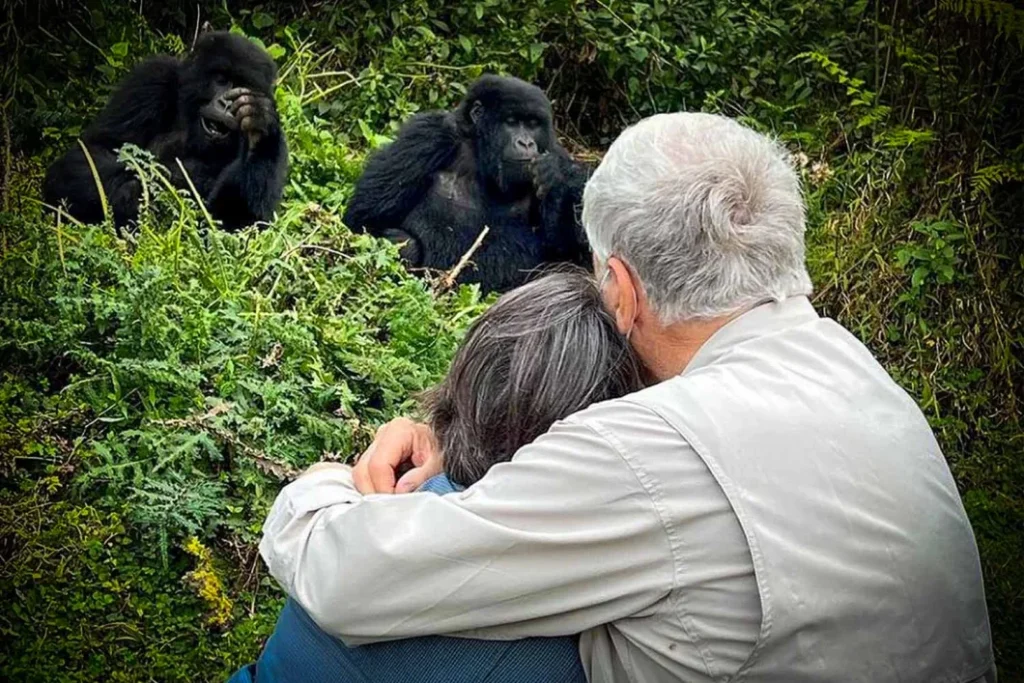
Gorilla Safari and African Diaspora Tourism: A Complete Heritage Travel Guide
A gorilla safari and African diaspora tourism experience can connect wildlife conservation with cultural discovery, African heritage, and the growing interest among members of the African diaspora in visiting the continent. For many diaspora travelers, Africa represents more than a holiday destination. It can provide an opportunity to explore history, experience contemporary African societies, learn about local cultures, and develop a personal connection with landscapes and communities across the continent.
Gorilla safaris provide a particularly powerful way to experience Africa’s natural heritage. Uganda and Rwanda offer opportunities to observe endangered mountain gorillas in protected forest environments while supporting conservation and communities around these destinations. When combined with cultural and heritage experiences, a gorilla safari can become part of a broader African diaspora tourism journey.
However, Africa is not a single cultural or ancestral destination. Its countries and communities have diverse histories, languages, traditions, and identities. A meaningful diaspora tourism experience therefore requires travelers to approach the journey with curiosity and respect rather than expecting one safari to represent the entire continent.
What Is African Diaspora Tourism?
African diaspora tourism refers broadly to travel by people of African descent who visit African countries to explore cultural, historical, ancestral, family, or personal connections with the continent.
The motivations behind diaspora travel vary considerably. Some travelers want to research family ancestry, while others want to experience African cultures, learn about history, support African businesses, or simply explore the continent as a travel destination.
For some visitors, the journey may also involve reflection on the history of the African diaspora and the forces that separated communities across different parts of the world.
Gorilla tourism adds another dimension because it allows travelers to experience Africa’s natural heritage. Instead of focusing exclusively on historical sites, visitors can explore forests, wildlife, conservation programs, and rural communities.
This combination creates an opportunity to understand Africa through both its natural and cultural heritage.
Why Gorilla Safaris Appeal to African Diaspora Travelers
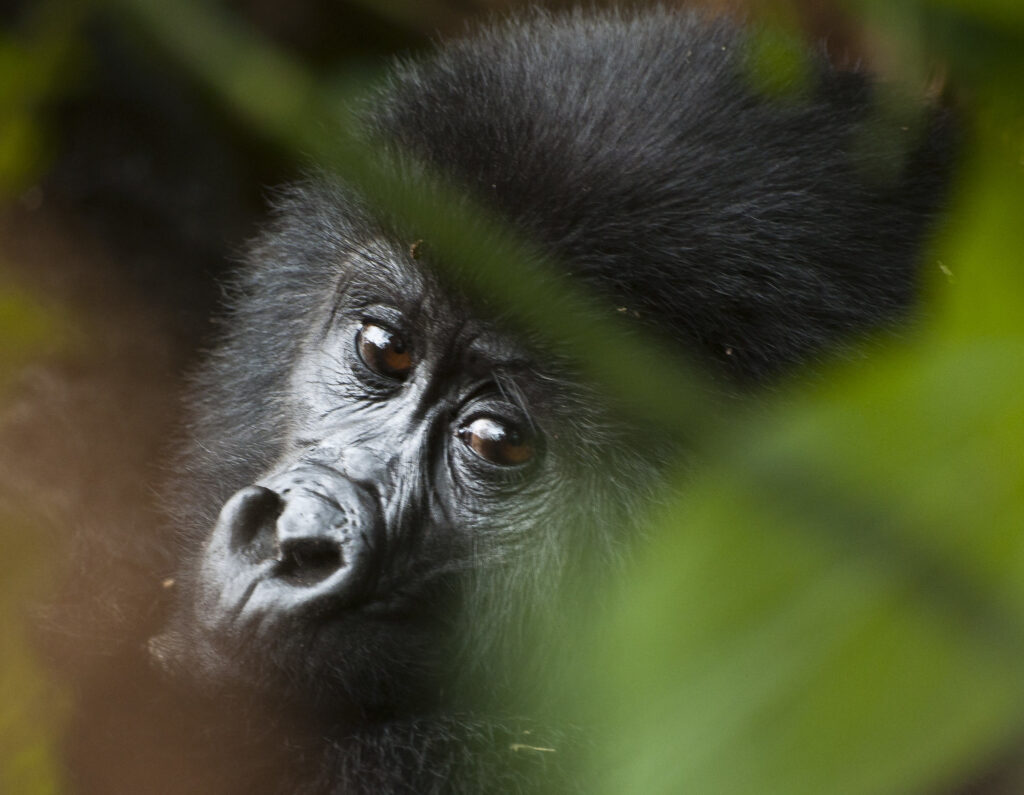
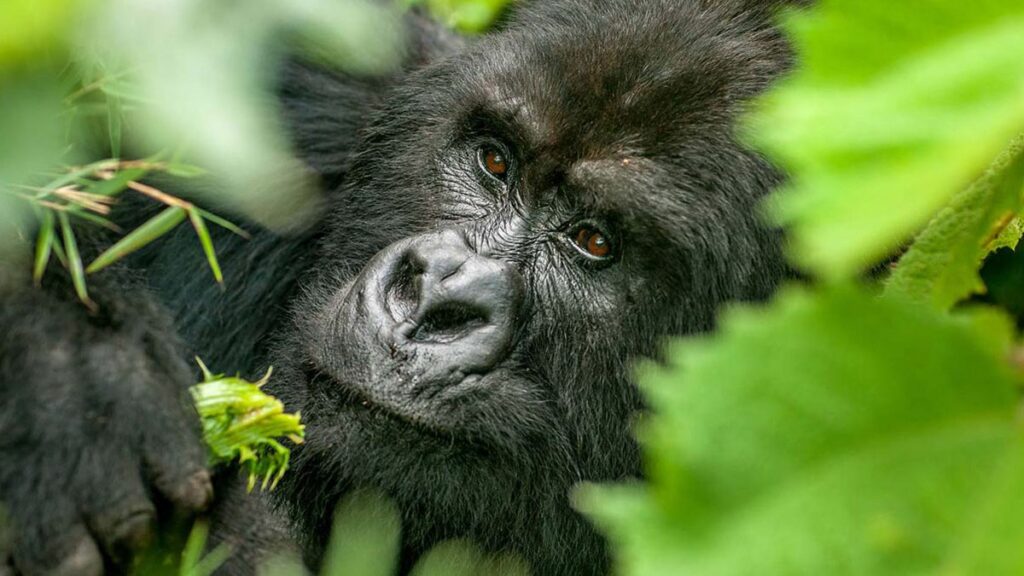
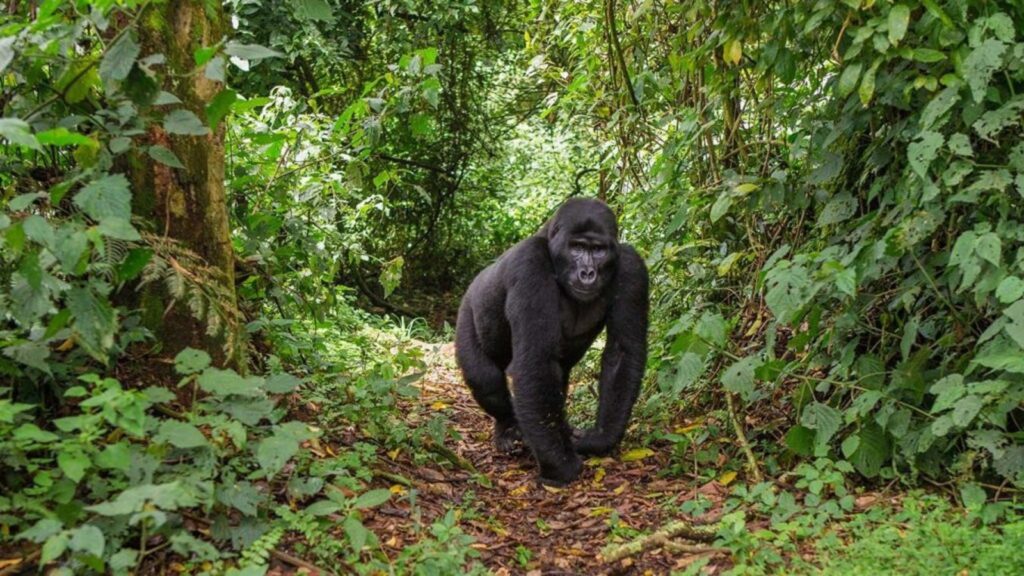
Gorilla safaris provide an experience that differs from conventional city tourism. Travelers leave busy urban environments and enter protected forests where mountain gorillas live in their natural habitat.
For members of the African diaspora, this can provide an opportunity to experience an aspect of Africa that is rarely represented in everyday life outside the continent. The journey can also encourage reflection on the diversity of African ecosystems and the importance of protecting them.
A gorilla safari is not automatically an ancestry experience. Instead, it can complement a heritage journey by allowing travelers to encounter Africa’s natural environment alongside cultural and historical experiences.
The emotional significance of the trip will differ from one traveler to another. Some visitors may feel a strong connection to the landscape, while others may approach the safari primarily as a wildlife adventure.
Both perspectives are valid.
Uganda as a Destination for African Diaspora Gorilla Tourism
Uganda offers strong opportunities for combining gorilla tourism with broader cultural and heritage travel. The country’s mountain gorillas live primarily in Bwindi Impenetrable National Park and Mgahinga Gorilla National Park.
Travelers can build an itinerary that begins in Kampala or Entebbe before continuing toward southwestern Uganda. This allows visitors to experience contemporary Ugandan life before reaching the gorilla forests.
Kampala provides opportunities to explore Ugandan cuisine, music, arts, markets, cultural institutions, and modern businesses. Travelers can then continue toward the southwestern part of the country, where they can combine gorilla trekking with community experiences and other wildlife activities.
This combination helps diaspora visitors see Uganda as a contemporary country rather than viewing it only through historical or wildlife narratives.
Rwanda and Gorilla Tourism for Diaspora Travelers
Rwanda provides another important destination for diaspora travelers interested in combining gorilla trekking with cultural exploration. Mountain gorillas are found in Volcanoes National Park in the northwestern part of the country.
Rwanda’s relatively compact geography makes it possible to combine gorilla trekking with cultural and historical experiences within a relatively short itinerary.
Travelers can spend time in Kigali before continuing toward the Volcanoes region. Kigali provides opportunities to learn about Rwanda’s modern development, cultural life, and history.
A diaspora-focused journey can therefore combine urban experiences, community interactions, cultural learning, and gorilla trekking.
Travelers should approach Rwanda’s history with sensitivity, particularly when learning about the 1994 genocide against the Tutsi. Responsible tourism requires listening to local perspectives and treating memorial and historical sites with appropriate respect.
Connecting Wildlife Heritage With African Heritage
African diaspora tourism often focuses heavily on historical and cultural heritage. Gorilla safaris demonstrate that African heritage also includes natural environments and wildlife.
Mountain gorillas are part of Africa’s extraordinary biodiversity. Their forest habitat supports numerous other species and plays an important ecological role.
Protecting this natural heritage requires cooperation between conservation organizations, governments, tourism operators, researchers, rangers, local communities, and visitors.
Gorilla tourism helps generate revenue that supports conservation and tourism-related employment. Communities surrounding protected areas can also benefit from accommodation, transportation, guiding, crafts, food services, and other tourism activities.
For diaspora travelers, participating in responsible gorilla tourism can therefore become a way to contribute to the protection of Africa’s living natural heritage.
African Diaspora Tourism and Ancestry
Many diaspora travelers have a strong interest in discovering where their ancestors came from. A gorilla safari can form part of this broader journey, but travelers should understand its limitations.
Gorilla trekking destinations do not automatically identify a person’s ancestral origins. Modern national borders differ from historical ethnic territories, and the populations that lived across Central and East Africa have complex histories.
Travelers interested in ancestry may wish to combine their safari with genealogical research. Family records, historical documents, DNA ancestry testing, and specialist researchers can provide information that a wildlife safari cannot establish.
The best approach is to treat the gorilla safari as an opportunity to experience a part of Africa rather than presenting it as proof of a particular ancestral connection.
This distinction helps travelers maintain realistic expectations while still enjoying the emotional and cultural significance of visiting the continent.
Cultural Experiences to Combine With a Gorilla Safari
A diaspora tourism itinerary can become more meaningful when travelers spend time with local communities and explore contemporary African culture.
Visitors can participate in community tourism experiences, meet local artisans, learn about traditional crafts, experience regional cuisine, and attend cultural performances organized by local communities.
Travelers can also explore museums, historical attractions, markets, galleries, and cultural centers where appropriate.
The quality of these experiences depends heavily on how they are organized. Travelers should favor activities that provide meaningful participation and economic benefits to local communities rather than experiences that simply present culture as entertainment.
Learning directly from local people can also challenge assumptions that visitors may have developed through media, family stories, or historical accounts.
Responsible African Diaspora Tourism
Responsible tourism should remain central to any diaspora-focused gorilla safari. Travelers should respect local customs, protect the environment, follow wildlife rules, and support businesses that contribute to local communities.
Photography deserves particular attention. Visitors should ask permission before photographing people and should follow restrictions around cultural ceremonies and sensitive locations.
Travelers should also avoid removing plants, rocks, or other natural materials from protected areas. They should dispose of waste properly and follow the instructions of guides and rangers.
Supporting local businesses provides another way to contribute. Travelers can choose locally owned accommodations, purchase crafts directly from artisans, and use community-based tourism services when appropriate.
These practices can help ensure that tourism benefits extend beyond the safari operator.
The Role of Local Communities in Gorilla Tourism
Local communities play a vital role in the long-term success of gorilla conservation. People living near protected forests interact with these landscapes every day, making their participation essential.
Tourism can create employment opportunities for guides, trackers, porters, drivers, lodge employees, artisans, and other workers. Community projects can also receive tourism-related support.
Diaspora travelers can learn more about these relationships by asking their guides how tourism affects nearby communities and conservation.
Understanding this connection helps visitors recognize that gorilla conservation is not simply about protecting animals. It also involves creating sustainable relationships between protected areas and the people who live around them.
Building a Gorilla Safari African Diaspora Tourism Itinerary
A successful itinerary should provide enough time for both wildlife and cultural experiences. Travelers should avoid trying to visit too many destinations in a short period.
A Uganda itinerary could begin in Kampala or Entebbe before continuing toward southwestern Uganda. Travelers could then spend several days around Bwindi, combining community experiences with gorilla trekking.
The itinerary could continue to another national park, cultural destination, or city depending on the traveler’s interests.
A Rwanda itinerary could begin in Kigali before continuing to the Volcanoes region for gorilla trekking. Travelers could then return to Kigali for additional cultural and historical experiences.
Longer itineraries generally provide more time for meaningful interactions and reduce the pressure to move between destinations every day.
A Sample African Diaspora Gorilla Safari Experience
A seven- to ten-day itinerary can provide a useful balance between wildlife and cultural exploration.
The journey could begin in Kampala or Kigali, giving travelers time to explore the city and learn about contemporary society. The trip could then continue toward the gorilla trekking region.
Before trekking, travelers can visit community projects and learn about the relationship between local people and conservation.
The gorilla trek can then become the central wildlife experience. Visitors enter the forest with trained guides and trackers and observe a gorilla family according to established conservation rules.
After trekking, travelers can spend additional time exploring local communities or continue to another wildlife destination.
The final days can provide time for reflection, shopping for locally produced crafts, and learning more about the country before departure.
Why Diaspora Tourism Can Support Conservation
Diaspora travelers represent an important potential audience for responsible tourism because heritage travel can encourage longer and more meaningful stays.
Visitors who combine cultural experiences with gorilla trekking may spend money across several sectors, including accommodation, transportation, community tourism, guiding, food, crafts, and conservation-related activities.
This wider economic participation can increase the benefits of tourism for communities and businesses.
However, tourism should not be viewed as a replacement for government conservation funding or other conservation mechanisms. Responsible tourism works best as part of a broader system of habitat protection, research, law enforcement, community development, and environmental education.
Diaspora travelers can contribute by choosing responsible operators and learning how their tourism spending supports local communities and conservation.
Respecting Africa Beyond Ancestry
One of the most important principles of African diaspora tourism is recognizing that contemporary Africans are not simply representatives of an ancestral homeland.
Uganda, Rwanda, and other African countries are modern societies with their own political, economic, cultural, and social realities. Visitors should therefore approach communities as contemporary people rather than as living versions of historical Africa.
This perspective creates more authentic cultural interactions.
Travelers can explore shared histories while also learning about present-day African innovation, entrepreneurship, education, arts, technology, conservation, and tourism.
A gorilla safari can become especially meaningful when visitors allow themselves to discover Africa as it exists today rather than arriving with expectations based entirely on historical narratives.
Frequently Asked Questions About Gorilla Safari and African Diaspora Tourism
What is gorilla safari African diaspora tourism?
It refers to combining gorilla trekking with cultural, historical, heritage, or ancestry-related travel interests among members of the African diaspora.
Can a gorilla safari help me find my African ancestry?
Not by itself. Gorilla trekking takes place in specific regions and cannot establish an individual’s ancestral origin. Genealogical research and DNA ancestry testing may provide more specific information.
Is Uganda good for African diaspora tourism?
Uganda offers opportunities to combine gorilla trekking with cultural experiences, community tourism, wildlife safaris, and exploration of contemporary African life.
Can I combine gorilla trekking with heritage activities?
Yes. Travelers can combine gorilla trekking with community visits, cultural activities, museums, historical attractions, local food experiences, and other destinations.
How can diaspora travelers support local communities?
Travelers can use locally owned services, hire local guides, purchase crafts directly from artisans, participate in community tourism, and choose responsible safari operators.
Is gorilla trekking only about wildlife?
No. Although gorilla trekking is primarily a wildlife conservation activity, travelers can combine it with cultural, educational, community, and heritage experiences.
Conclusion
A gorilla safari, an African diaspora tourism journey, can bring together wildlife, conservation, culture, history, and personal discovery. For members of the African diaspora, visiting Uganda or Rwanda can provide an opportunity to experience African landscapes and communities while developing a deeper appreciation for the continent’s natural and cultural diversity.
Gorilla trekking adds a unique wildlife dimension to this experience. Visitors enter protected forests, observe mountain gorillas, learn about conservation, and interact with guides and communities whose livelihoods are connected to tourism.
At the same time, travelers should recognize that no single destination represents Africa as a whole and that a gorilla safari cannot automatically establish an individual’s ancestral origins. The most meaningful journeys combine realistic expectations with curiosity, cultural respect, and a willingness to learn.
When planned responsibly, an African diaspora gorilla safari can become more than a wildlife holiday. It can provide a valuable opportunity to explore Africa’s living heritage, support conservation, engage with local communities, and develop a richer understanding of the continent and its diverse peoples.