Habinyanja Gorilla Group Full Profile: History, Location, Members and Trekking Experience
The Habinyanja gorilla group profile is an essential resource for travelers planning a gorilla trekking adventure in Uganda’s Bwindi Impenetrable National Park. Habinyanja is one of the well-known mountain gorilla families associated with the Buhoma sector in the northern part of Bwindi.
The group has a fascinating history and has attracted attention because of its changing leadership, social dynamics, and habituation to human visitors. Like other habituated gorilla families, Habinyanja provides travelers with an opportunity to observe mountain gorillas in their natural forest environment while supporting conservation and local communities.
However, travelers should understand that gorilla family membership changes over time. Gorillas may transfer between groups, young males may leave their natal families, and new groups can form. Consequently, the exact composition of Habinyanja should always be confirmed with the Uganda Wildlife Authority or trekking operator before a visit.
Where Is the Habinyanja Gorilla Group Located?
The Habinyanja gorilla group is associated with the Buhoma sector of Bwindi Impenetrable National Park in southwestern Uganda.
Buhoma is one of the best-known gorilla trekking areas in Bwindi and was the first sector in the park to receive tourists for gorilla trekking.
The sector sits on the northern side of Bwindi’s vast forest ecosystem. Its location makes it particularly popular with travelers combining gorilla trekking with other activities around western Uganda.
Visitors trekking Habinyanja normally begin their day at the Buhoma park headquarters before entering the forest with guides, trackers, and other members of the trekking team.
History of the Habinyanja Gorilla Group
Habinyanja has a long history of habituation and tourism.
The group became habituated to human presence in preparation for gorilla tourism in the Buhoma area. Its name is commonly associated with a local word referring to a place with water.
The family became one of the groups available for visitors as gorilla tourism developed around Buhoma.
Over the years, Habinyanja has experienced changes in leadership and membership. These changes reflect the natural social structure of mountain gorillas rather than problems within the family.
Gorilla groups are dynamic communities, and their composition can change as animals mature, transfer, reproduce, or establish new social groups.
What Does the Name Habinyanja Mean?
The name Habinyanja is commonly linked to a local term associated with a place containing water.
Gorilla families in Bwindi often receive names based on locations, physical characteristics, events, or other features associated with their history.
The name provides an additional connection between gorilla tourism and the local cultural landscape surrounding Bwindi.
Habinyanja Gorilla Group Leadership
Leadership is one of the most interesting aspects of the Habinyanja group’s history.
Like other mountain gorilla families, Habinyanja has traditionally been organized around a dominant silverback.
Silverbacks provide protection, leadership, and social organization within the group.
Leadership can change when a dominant male dies or loses his position or when another male becomes stronger or more socially influential.
These transitions are natural parts of gorilla society.
The Role of Silverbacks in Habinyanja
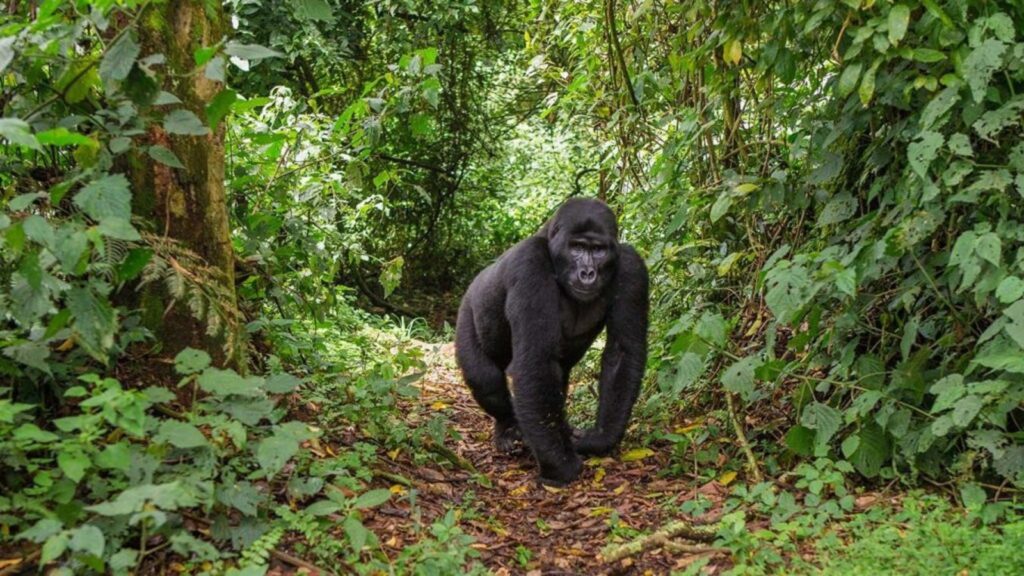
The silverback plays a central role in the social life of the family.
He may determine group movements, respond to threats, protect females and young gorillas, and intervene in conflicts.
During a trek, visitors may see the silverback resting, feeding, monitoring other group members, or interacting with younger males.
The dominant male is often one of the most impressive animals encountered during a gorilla trek because of his size, strength, and distinctive silver-colored back.
Habinyanja Gorilla Group Members
The exact number and identity of Habinyanja’s members can change.
A typical mountain gorilla family may contain a mixture of silverbacks, adult females, blackbacks, juveniles, and infants.
Young males eventually face important social decisions. Some remain within the group for a period, while others leave and may eventually form or join another group.
Females can also transfer between groups.
For this reason, websites that publish a fixed list of Habinyanja members can quickly become outdated.
Travelers looking for the current membership should confirm it with the Uganda Wildlife Authority or their local trekking operator.
Habinyanja Silverbacks and Blackbacks
Silverbacks are mature males with the characteristic silver hair across their back and shoulders.
Blackbacks are younger males that have not yet developed the full silver coloration of an adult silverback.
Visitors may observe both age categories during a Habinyanja trek.
Watching interactions between mature males and younger males provides valuable insight into gorilla social development.
Young males often spend time playing, testing their strength, and learning social behaviors from older members of the group.
Habinyanja Adult Females
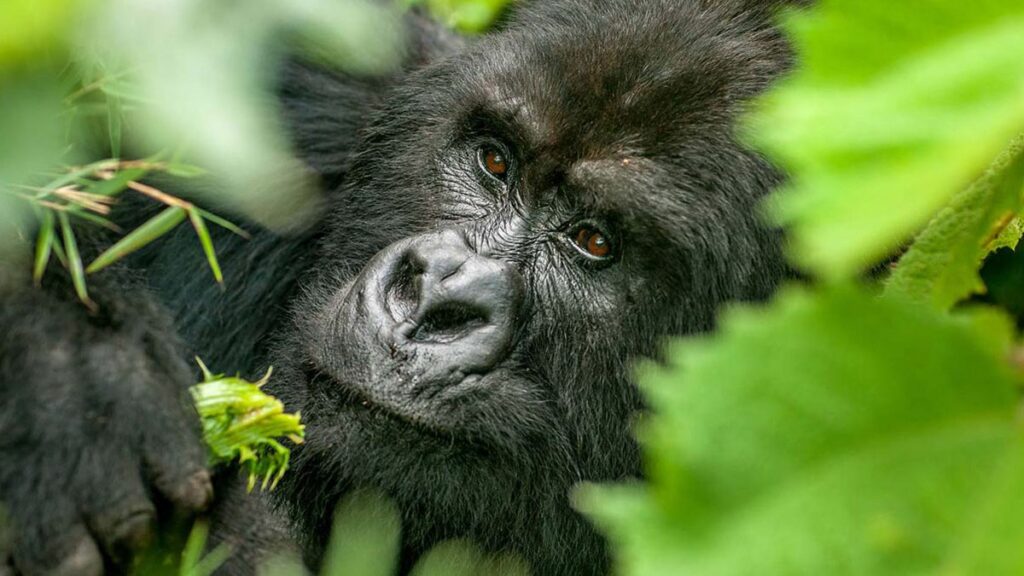
Adult females form an important part of the family structure.
Females contribute to reproduction and provide maternal care to infants.
They may spend considerable time feeding, resting, grooming, or interacting with other members of the group.
Female gorillas can also move between groups, which contributes to the changing composition of gorilla families.
Habinyanja Infants and Juveniles
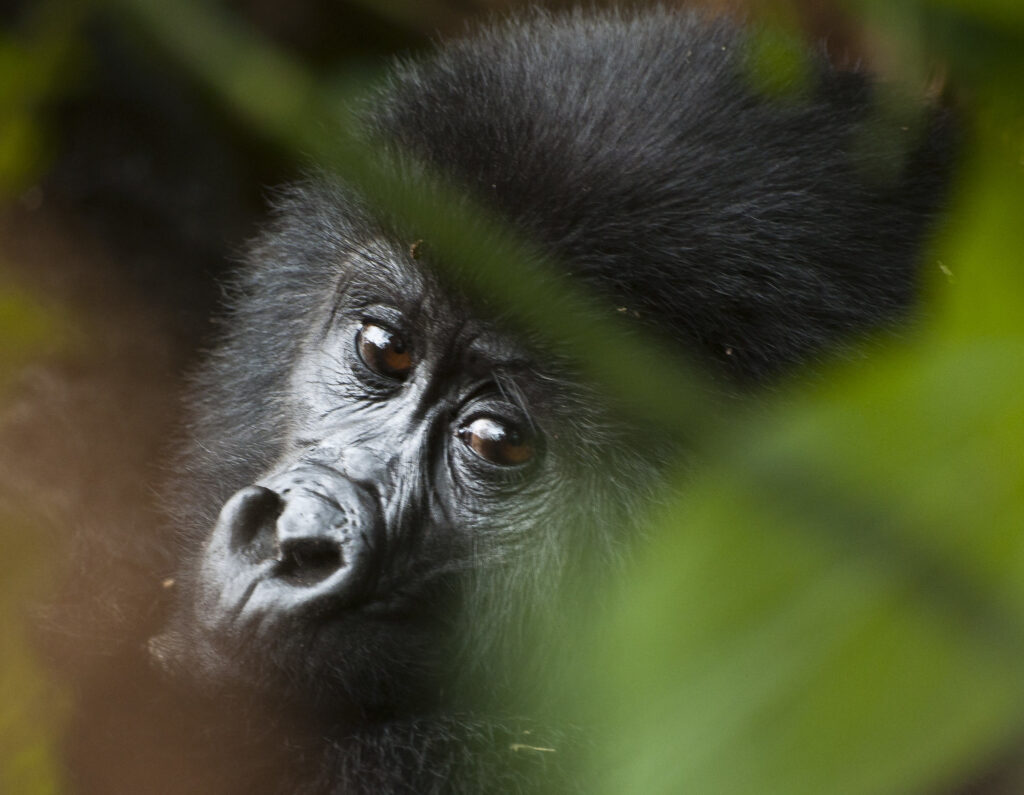
Young gorillas are often among the most memorable animals for visitors.
Infants spend much of their early life close to their mothers.
As they grow, juveniles become increasingly independent and begin exploring their surroundings.
They may play with other young gorillas, climb vegetation, chase one another, and practice behaviors that will become important later in life.
Visitors should never attempt to attract the attention of young gorillas.
The best experience comes from observing their natural behavior without interference.
Habinyanja Gorilla Group Size
The size of Habinyanja can change over time.
Gorilla families are not permanent groups with fixed membership.
Births increase the size of a family, while deaths, transfers, dispersal, and group formation can reduce or redistribute membership.
Travelers should therefore avoid relying on an old figure for the exact number of Habinyanja gorillas.
The current group composition is best confirmed close to the trekking date.
Is Habinyanja Open for Gorilla Trekking?
Habinyanja has historically been one of the habituated gorilla groups available for trekking in the Buhoma sector.
However, trekking assignments are controlled by park authorities.
Visitors cannot normally choose a specific gorilla family simply because they prefer it.
The family assigned to a visitor depends on operational considerations, conservation management, availability, and other factors.
Can You Request Habinyanja?
Travelers can express a preference for a particular family through their tour operator, but a request does not guarantee assignment.
The park authorities make the final trekking allocation.
This system helps distribute visitor pressure and supports effective management of habituated gorilla families.
If seeing Habinyanja is particularly important to you, discuss your preference with your tour operator well before the trekking date.
Habinyanja Gorilla Trekking Experience
A Habinyanja trek begins with registration and briefing at the Buhoma area.
Visitors then enter the forest with guides and trackers.
The duration and difficulty of the hike can vary significantly.
Gorillas move freely through their habitat, so their location on a particular day determines how far visitors need to walk.
Some encounters may involve relatively manageable hiking, while others can require several hours of demanding trekking.
How Difficult Is Habinyanja Trekking?
Habinyanja trekking can range from moderate to challenging.
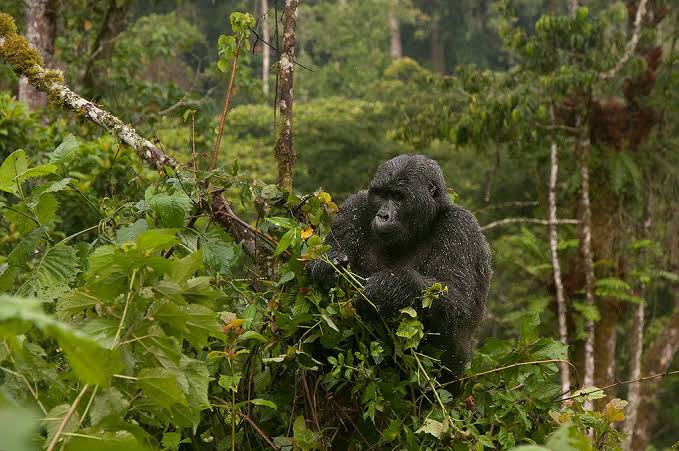
Bwindi is mountainous and covered by dense vegetation.
Visitors may encounter steep slopes, slippery trails, muddy sections, tree roots, and thick vegetation.
Fitness levels therefore matter.
Travelers should prepare through regular walking or hiking before their safari.
Hiring a porter can also make the trek easier by carrying a backpack and providing assistance on difficult sections.
Best Time to Trek Habinyanja
Gorilla trekking in Bwindi takes place throughout the year.
Many travelers prefer the drier periods because trails may be easier to navigate.
However, Bwindi is a rainforest, and rain can occur at any time.
The wetter seasons can make trails muddier but may also provide a quieter travel experience and attractive forest conditions.
There is no single perfect month for everyone.
Your choice should consider weather, accommodation availability, budget, and personal travel preferences.
What Makes Habinyanja Special?
Habinyanja’s long history makes it an interesting family for visitors interested in gorilla behavior and conservation.
Its association with the Buhoma sector also places it within one of Uganda’s most established gorilla tourism areas.
The changing composition of the group provides opportunities to observe the natural dynamics of gorilla society.
Every trek is different because the gorillas determine how the encounter unfolds.
Habinyanja and Gorilla Conservation
Gorilla tourism contributes to the conservation of mountain gorillas.
Permit revenue supports protected-area management and helps maintain tourism infrastructure.
Tourism also creates employment for guides, trackers, rangers, porters, drivers, accommodation workers, and other local service providers.
Communities around Bwindi benefit economically from the tourism industry.
The continued protection of Habinyanja and other gorilla families depends on maintaining a sustainable balance between tourism and conservation.
Habinyanja and Local Communities
Communities surrounding Bwindi play an important role in gorilla conservation.
Tourism creates opportunities for local employment and businesses.
Visitors contribute to the local economy through accommodation, transport, guiding, porter services, cultural experiences, food, crafts, and other tourism activities.
Choosing local services where appropriate can help spread tourism benefits beyond the park itself.
Habinyanja Trekking Rules
Visitors must follow the gorilla trekking regulations provided during the pre-trek briefing.
These rules are designed to protect both visitors and gorillas.
Maintain the required distance from the animals, avoid touching them, keep noise levels low, and follow the guide’s instructions.
Visitors who are sick should not enter the gorilla habitat because human diseases can potentially affect mountain gorillas.
Photography should also be conducted without flash or disruptive behavior.
Can You Take Photos of Habinyanja?
Yes, photography is an important part of the gorilla trekking experience.
However, visitors should use their cameras responsibly.
Avoid flash photography.
Do not move closer to the gorillas simply to obtain a better photograph.
Follow the guide’s instructions regarding positioning and distance.
A long lens can be particularly useful because it allows you to capture detailed photographs without approaching the animals.
Habinyanja and Gorilla Habituation
Habituation is a gradual process through which selected gorilla groups become accustomed to the controlled presence of humans.
Habinyanja underwent habituation before becoming available for regular tourist trekking.
Habituation does not mean that gorillas become domesticated.
They remain wild animals and must be treated with respect.
Visitors are guests in their natural environment.
Habinyanja vs Other Buhoma Gorilla Groups
Buhoma is associated with several habituated gorilla families.
These groups can differ in size, social structure, location, and current membership.
However, travelers should not assume that one family is automatically easier or more exciting than another.
The forest environment and daily gorilla movements make every trek unpredictable.
A visitor assigned to another family can still experience an extraordinary encounter.
Can Children Trek Habinyanja?
Gorilla trekking has age restrictions established by wildlife authorities.
Travelers should confirm the current minimum age requirement before booking.
Parents should also consider the physical demands of hiking through Bwindi.
Children who meet the official age requirement still need to be comfortable with several hours of walking in challenging terrain.
Hiring a Porter for Habinyanja trek
Hiring a porter is highly recommended for visitors who want additional assistance.
Porters can carry backpacks and provide support on difficult sections of the trail.
Using a porter also directly contributes to local livelihoods around Bwindi.
Visitors should agree on the porter fee before beginning the trek and follow the guidance of their tour operator.
What Should You Pack for a Habinyanja Trek?
Prepare for wet and muddy forest conditions.
Wear sturdy hiking boots with good grip.
Long trousers and long-sleeved clothing can protect your skin from vegetation and insects.
Carry a waterproof jacket, water, snacks if permitted, a small backpack, and camera equipment.
A pair of gardening gloves can also be useful when moving through dense vegetation or using vegetation for support.
How Early Should You Arrive?
Visitors should arrive at the designated trekking headquarters early enough for registration and briefing.
Your tour operator should provide the exact reporting time for your permit.
Arriving early allows staff to complete administrative procedures before the group enters the forest.
It also gives you time to organize your equipment and meet your trekking team.
How Long Does a Habinyanja Trek Take?
The total duration varies.
The time spent hiking to the gorillas depends on where the family is located that day.
After reaching the gorillas, visitors normally have a controlled viewing period according to current regulations.
The return journey then begins.
Because the gorillas move naturally through the forest, no operator can accurately guarantee the exact total duration of a trek.
Habinyanja Gorilla Trekking Cost
The cost of visiting Habinyanja depends primarily on the applicable Uganda gorilla permit price and the rest of your safari arrangements.
The permit is the major mandatory cost for the gorilla experience.
Additional expenses can include accommodation, transportation, meals, porter services, guide services where applicable, park-related services, and other activities.
Travelers should request a complete quotation rather than considering the permit price alone.
How to Book a Habinyanja Gorilla Trek
Start by selecting your preferred travel dates.
Your tour operator can check gorilla permit availability and arrange the required permits.
If you prefer the Buhoma sector or have a particular interest in Habinyanja, communicate this preference early.
Remember that requesting a particular family does not guarantee assignment.
Once the permit is secured, accommodation and transportation can be arranged around the trekking date.
Frequently Asked Questions
Where is the Habinyanja gorilla group?
Habinyanja is associated with the Buhoma sector of Bwindi Impenetrable National Park in southwestern Uganda.
Can I choose Habinyanja?
You can express a preference through your tour operator, but the final gorilla family allocation is controlled by the park authorities and is not guaranteed.
How many gorillas are in Habinyanja?
The membership changes over time through births, deaths, transfers, and group formation. Confirm the current composition before your trek.
Is Habinyanja a habituated gorilla group?
Yes. Habinyanja has historically been one of the habituated families associated with regular gorilla trekking in Buhoma.
How difficult is a Habinyanja trek?
The difficulty varies because gorillas move through mountainous rainforest terrain. Some treks are moderate while others can be challenging.
Can I photograph Habinyanja?
Yes. Photography is permitted, but visitors should follow distance rules, avoid flash, and listen to their guide.
Can I touch a Habinyanja gorilla?
No. Visitors should never intentionally touch a gorilla.
Can I trek Habinyanja if I am sick?
Visitors showing signs of potentially infectious illness should not enter the gorilla habitat. Inform your tour operator and follow the current health procedures.
Should I hire a porter?
A porter can be extremely useful, particularly on steep or muddy sections. Hiring one also provides direct economic support to local community members.
Is Habinyanja available throughout the year?
Gorilla trekking operates throughout the year, but individual family assignments depend on current park management and availability.
Conclusion
The Habinyanja gorilla group profile reveals the fascinating social and conservation story of one of Bwindi’s best-known habituated gorilla families. Located in the Buhoma sector, Habinyanja has become an important part of Uganda’s gorilla tourism experience.
The family is not static. Its members, size, leadership, and social relationships can change naturally over time. This makes each trek unique and means that travelers should confirm current information rather than relying on old lists of individual gorillas.
A Habinyanja trek offers much more than a chance to take photographs. It provides an opportunity to observe the complex social lives of mountain gorillas while contributing to conservation and local livelihoods.
If you hope to visit Habinyanja, book your gorilla permit early, communicate your Buhoma or family preference to your tour operator, prepare for challenging rainforest terrain, and follow all conservation rules during the encounter.
Most importantly, remember that the gorillas determine the experience. Their movements, behavior, and social interactions make every Habinyanja trek different.