Gorilla Trekking Disease Transmission Risks: What Visitors Should Know
Gorilla trekking disease transmission is an important conservation and health concern for anyone planning to visit mountain gorillas in Uganda, Rwanda, or the Democratic Republic of Congo. Mountain gorillas share many biological similarities with humans, which means some infectious diseases can potentially pass between people and gorillas.
This is particularly important because mountain gorillas have small populations and live in closely connected family groups. An infectious disease introduced into a gorilla group could affect several individuals and potentially create serious conservation consequences.
For this reason, gorilla trekking is governed by strict visitor guidelines designed to reduce the risk of disease transmission. These measures include maintaining a safe distance, avoiding physical contact, following health requirements, and staying away from gorillas when sick.
Understanding these precautions helps visitors enjoy their trek while protecting the animals they have traveled so far to see.
Why Is Disease Transmission a Concern During Gorilla Trekking?
Mountain gorillas are susceptible to some pathogens that affect humans.
Visitors come from different countries and may carry microorganisms without realizing it. A person can sometimes carry an infection even when symptoms are mild or absent.
Because gorillas have limited populations and live in social groups, the introduction of an infectious disease can have serious consequences.
Gorilla tourism therefore requires visitors to take precautions that may be stricter than those used during ordinary wildlife viewing.
Can Humans Give Diseases to Gorillas?
Yes, some diseases can potentially pass from humans to gorillas.
This type of transmission is known as reverse zoonosis, or pathogen transmission from humans to animals.
Respiratory infections are particularly important because people and gorillas can share respiratory pathogens.
The risk does not mean that every visitor will transmit a disease. Instead, it explains why conservation authorities take preventative measures seriously.
Can Gorillas Give Diseases to Humans?
Disease transmission can potentially occur in both directions.
Wild animals can carry microorganisms that may affect humans, although the specific risks vary by species, location, and circumstances.
Visitors should therefore avoid physical contact with gorillas and follow all instructions provided by guides and park authorities.
Responsible wildlife viewing protects both people and animals.
Why Are Respiratory Diseases a Major Concern?
Respiratory illnesses can spread through droplets and aerosols produced when people cough, sneeze, talk, or breathe.
Mountain gorillas live in close social groups and frequently interact with one another.
A respiratory infection introduced into one individual could therefore potentially spread among members of the group.
This is one reason visitors who are visibly sick may be restricted from participating in gorilla trekking.
What Happens If You Have a Cold?
Do not assume that a mild cold is automatically safe for gorilla trekking.
Even common respiratory infections can potentially pose a risk to gorillas.
If you develop symptoms such as coughing, sneezing, fever, or significant respiratory illness before your trek, inform your tour operator and follow the current instructions from park authorities.
Do not hide symptoms simply because you do not want to miss your permit date.
Can You Trek With a Cough?
A persistent cough should be taken seriously before a gorilla trek.
Because visitors spend time relatively close to habituated gorillas, respiratory symptoms can increase concern about disease transmission.
Inform your guide or tour operator if you are coughing before the trek.
The appropriate response depends on the current health rules and the nature of your symptoms.
Can You Trek With a Fever?
Visitors with a fever should seek appropriate medical advice and inform their tour operator.
A fever can indicate an infectious illness, although it can also have other causes.
Because gorilla conservation takes priority during close wildlife encounters, travelers should not assume that they can trek normally while experiencing significant illness.
What If You Are Sick on the Morning of the Trek?
Tell your tour operator or guide before joining the group.
Do not attempt to conceal your symptoms.
Park authorities may have procedures for dealing with visitors who appear ill, particularly when respiratory disease is suspected.
Protecting the gorillas is more important than forcing yourself to complete one trekking session.
Why Is Physical Contact Prohibited?
Visitors should never touch mountain gorillas.
Physical contact creates opportunities for microorganisms to move between humans and animals.
It can also stress the animals and encourage inappropriate behavior.
Even if a gorilla approaches a visitor, the visitor should remain calm and follow the guide’s instructions rather than reaching out.
What If a Gorilla Comes Close to You?
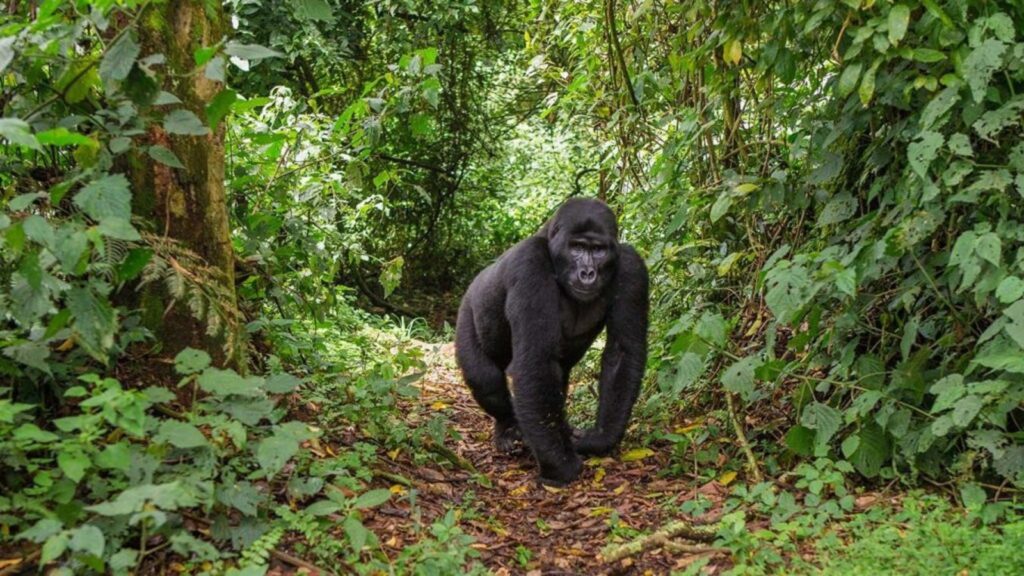
Gorillas sometimes move through areas occupied by visitors.
If one approaches, remain calm and avoid sudden movements.
Do not attempt to touch, feed, or block the animal.
Your guide will explain how to respond and where to position yourself.
The goal is to allow the gorilla to move naturally while maintaining appropriate visitor behavior.
Why Is the Viewing Distance Important?
Maintaining distance reduces the opportunity for direct transmission of infectious organisms.
It also gives gorillas adequate space to behave naturally.
The exact minimum distance can depend on current regulations and conservation guidance.
Visitors should always follow the distance specified by their guide and park authority rather than relying on an outdated number from an online article.
Can Gorillas Catch Human Flu?
Some respiratory viruses can potentially infect multiple mammal species.
However, visitors should not assume that every human flu or respiratory infection will infect gorillas.
The important principle is precaution.
If you are sick, avoid exposing gorillas to your illness and follow the health requirements of the trekking destination.
What About COVID-19?
COVID-19 highlighted the importance of protecting wildlife from human respiratory pathogens.
Because SARS-CoV-2 can infect several mammal species, wildlife authorities introduced or strengthened measures to reduce the possibility of transmission between people and susceptible wildlife.
Current gorilla trekking requirements can change as health conditions and scientific guidance evolve.
Travelers should check the latest rules before their trek rather than relying on old COVID-era requirements.
Can Gorillas Catch Other Human Diseases?
Potentially, yes.
Researchers have documented concern about several pathogens that can move between humans and great apes.
However, the level of risk differs between diseases.
Visitors should not become unnecessarily frightened. The purpose of gorilla trekking health rules is to reduce preventable risks through simple precautions.
How Does Gorilla Habituation Affect Disease Risk?
Habituation allows selected gorilla groups to become accustomed to controlled human presence.
While this makes tourism possible, it also creates repeated contact between humans and gorillas.
Conservation programs therefore need to balance tourism opportunities with disease prevention.
Limiting visitor numbers, controlling viewing time, maintaining distance, and enforcing health requirements all help reduce potential exposure.
Why Is the One-Hour Viewing Limit Important?
The limited viewing period helps reduce prolonged human exposure.
Visitors spend time near gorillas, but the encounter does not continue indefinitely.
Shorter exposure reduces opportunities for repeated close interaction and allows gorilla families to continue their natural activities.
The time limit is therefore part of a broader responsible-tourism system.
Can Vaccinations Protect Gorillas?
Vaccinations primarily protect the vaccinated person from specific diseases.
They do not provide complete protection against every infection that could potentially affect gorillas.
Visitors should therefore follow all trekking health precautions even if they are fully vaccinated.
Do not assume that vaccination eliminates the need for distance, hygiene, or illness restrictions.
Should You Wash Your Hands Before Gorilla Trekking?
Good hand hygiene is a useful general precaution.
Wash your hands before entering the forest and after using the toilet or handling potentially contaminated materials.
Carry hand sanitizer if appropriate.
However, hand hygiene does not replace the requirement to maintain distance and avoid physical contact with gorillas.
Can Hand Sanitizer Be Used Near Gorillas?
Hand sanitizer can be useful for visitors, particularly when conventional handwashing facilities are unavailable.
However, visitors should not deliberately apply products near gorillas or allow animals to come into contact with them.
Follow your guide’s instructions regarding when and where to use personal hygiene products.
What About Sneezing During the Trek?
If you need to sneeze or cough, turn away from other people and cover your mouth and nose appropriately.
Do not deliberately cough toward a gorilla.
If you develop significant respiratory symptoms during the trek, inform your guide immediately.
Can Masks Reduce Disease Transmission?
Masks may reduce the spread of some respiratory infections under certain circumstances.
However, whether masks are required during gorilla trekking depends on current park regulations and health guidance.
Travelers should follow the latest instructions provided by the relevant wildlife authority.
Do not assume that an old mask requirement or recommendation remains in force.
What If Someone in Your Group Is Sick?
Inform the guide or tour operator.
The group should follow the current health procedures rather than deciding independently that the sick person can simply remain at the back.
Gorilla conservation depends on responsible decisions from every visitor.
Why Are Visitor Numbers Limited?
Limiting visitor numbers serves several conservation purposes.
It reduces human disturbance, controls the number of people entering sensitive habitats, and limits the cumulative exposure of gorilla groups to tourists.
Fewer visitors can also make disease prevention easier to manage.
These restrictions help keep gorilla tourism sustainable.
Why Are Sick Visitors Sometimes Restricted?
Restricting sick visitors reduces the possibility of introducing pathogens into a gorilla group.
This is particularly important for respiratory illnesses.
The restriction protects the gorillas and also encourages responsible tourism behavior.
Visitors should respect health-related decisions made by park authorities and guides.
What Should You Do Before Your Gorilla Trek?
Preparation begins before reaching the park.
Monitor your health in the days leading up to the trek.
If you develop symptoms of an infectious illness, contact your tour operator.
Avoid joining a trek while seriously ill simply because your permit has already been paid for.
Also prepare suitable clothing, water, hand hygiene supplies, and other trekking essentials.
Can You Trek After Recovering From an Illness?
It depends on the illness and your recovery.
If you have recently experienced a significant infectious disease, discuss the situation with your healthcare professional and inform your tour operator.
Some infections may remain transmissible after symptoms improve.
The safest decision depends on the specific illness and the current park requirements.
What About Open Wounds?
Visitors should protect open cuts and wounds properly.
Avoid touching gorillas or allowing animals to come into contact with broken skin.
If you have a significant wound or medical issue, discuss the situation with your healthcare professional before trekking.
Why Is Disease Prevention Important for Mountain Gorillas?
Mountain gorillas have made an extraordinary conservation recovery, but their population remains relatively small.
Every individual matters.
A serious infectious disease outbreak could affect multiple members of a family and potentially undermine conservation progress.
Disease prevention is therefore not simply a visitor-health issue. It is an essential part of protecting the species.
Disease Transmission and Responsible Tourism
Responsible gorilla tourism involves more than paying for a permit and following a trail.
Visitors have a responsibility to minimize their impact on the animals.
This includes maintaining distance, avoiding contact, respecting viewing limits, following hygiene requirements, and staying away when sick.
Small precautions can make a meaningful difference when thousands of people visit sensitive wildlife habitats.
Disease Transmission in Uganda
Uganda’s mountain gorilla trekking takes place mainly in Bwindi Impenetrable National Park and Mgahinga Gorilla National Park.
Visitors should follow the health and conservation instructions provided by the Uganda Wildlife Authority and their trekking team.
Requirements can change as conservation research and public-health conditions develop.
Always confirm current requirements before your trip.
Disease Transmission in Rwanda
Rwanda’s gorilla trekking takes place in Volcanoes National Park.
Visitors should follow the current instructions provided by park authorities and their tour operator.
Health screening, distancing, visitor limits, and other measures may change depending on conservation and public-health considerations.
Disease Transmission in Congo
Gorilla tourism in the Democratic Republic of Congo is subject to current park operations and local conditions.
Travelers should confirm current health, safety, and conservation requirements before traveling.
Because regulations can change, current guidance from the park and an experienced tour operator should take priority over older online information.
Frequently Asked Questions
Can humans transmit diseases to mountain gorillas?
Yes. Some pathogens can potentially pass from humans to gorillas. This is one reason strict health and visitor guidelines exist.
Can gorillas transmit diseases to humans?
Potentially. Wildlife can carry pathogens that may affect humans, which is why visitors should avoid touching gorillas and follow all safety instructions.
Can I go gorilla trekking with a cold?
You should inform your tour operator or guide. Respiratory illnesses can pose a potential risk to gorillas, so follow the current park health requirements.
Can I touch a gorilla?
No. Visitors should never attempt to touch a gorilla, even if the animal approaches closely.
Why must visitors keep their distance?
Distance reduces potential disease transmission and helps minimize disturbance to the gorillas.
Can I trek if I have a cough?
Inform your guide or tour operator before trekking. The appropriate decision depends on the severity and cause of the cough and current park regulations.
Does wearing a mask protect gorillas?
A mask may reduce transmission of some respiratory infections, but requirements vary. Follow the current guidance from the relevant park authority.
Does vaccination eliminate the disease risk?
No. Vaccination can protect against specific diseases but does not eliminate all possible transmission risks.
What happens if I become sick during the trek?
Tell your guide immediately. They can determine the appropriate response according to the circumstances and current park procedures.
Conclusion
Gorilla trekking disease transmission is an important conservation issue because mountain gorillas can potentially be exposed to pathogens carried by humans. Their small populations and close social structures make disease prevention particularly important.
Visitors can help reduce these risks by staying away from gorillas when sick, maintaining the required distance, avoiding physical contact, practicing good hygiene, and following all instructions from guides and wildlife authorities.
The rules are not intended to make gorilla trekking difficult. They exist to protect one of the world’s most endangered and remarkable wildlife populations.
Before traveling, check the latest health and conservation requirements for your destination because regulations can change. During the trek, listen carefully to your guide and treat every precaution as part of the conservation experience.
Protecting mountain gorillas does not end when you purchase a permit. Every responsible decision made by a visitor contributes to keeping these extraordinary animals healthy and their natural habitat protected.