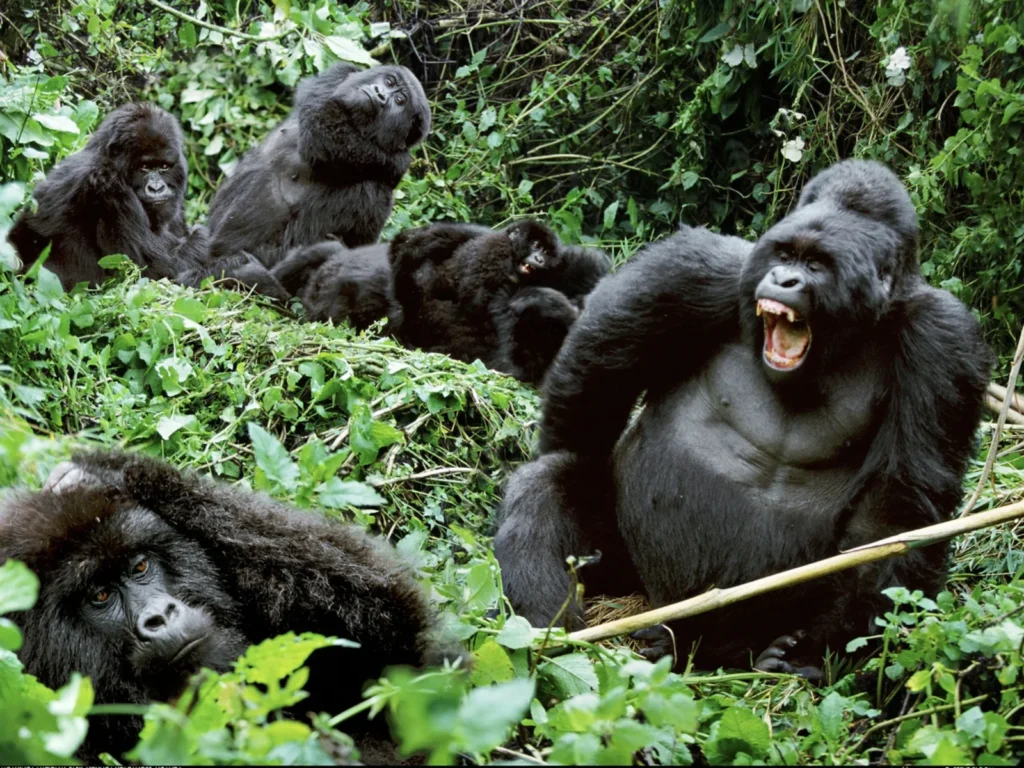
Gorilla Trekking and Local School Visit Uganda: Complete Travel Guide
A gorilla trekking school visit experience in Uganda combines an unforgettable mountain gorilla adventure with an opportunity to learn about education and community life in southwestern Uganda. Gorilla trekking takes visitors into the forests of Bwindi Impenetrable National Park or Mgahinga Gorilla National Park, while a local school visit offers insight into the daily lives and educational experiences of communities living near these protected areas.
This combination creates a more meaningful Uganda safari because travelers can experience both wildlife conservation and community development. Instead of focusing entirely on wildlife viewing, visitors can spend time learning how tourism, education, and local communities are connected.
A well-organized school visit should always respect the school community, protect children’s privacy, and operate with permission from the school administration.
Why Combine Gorilla Trekking With a School Visit?
A gorilla trekking school visit Uganda itinerary provides a balance between wildlife tourism and community interaction.
Gorilla trekking introduces visitors to Uganda’s mountain forests and conservation efforts. A school visit provides an opportunity to understand the people who live around these important tourism destinations.
Visitors can learn about the challenges and opportunities facing local schools, meet teachers where appropriate, and understand how education contributes to community development.
The experience can make a gorilla safari more personal and educational.
Gorilla Trekking in Uganda
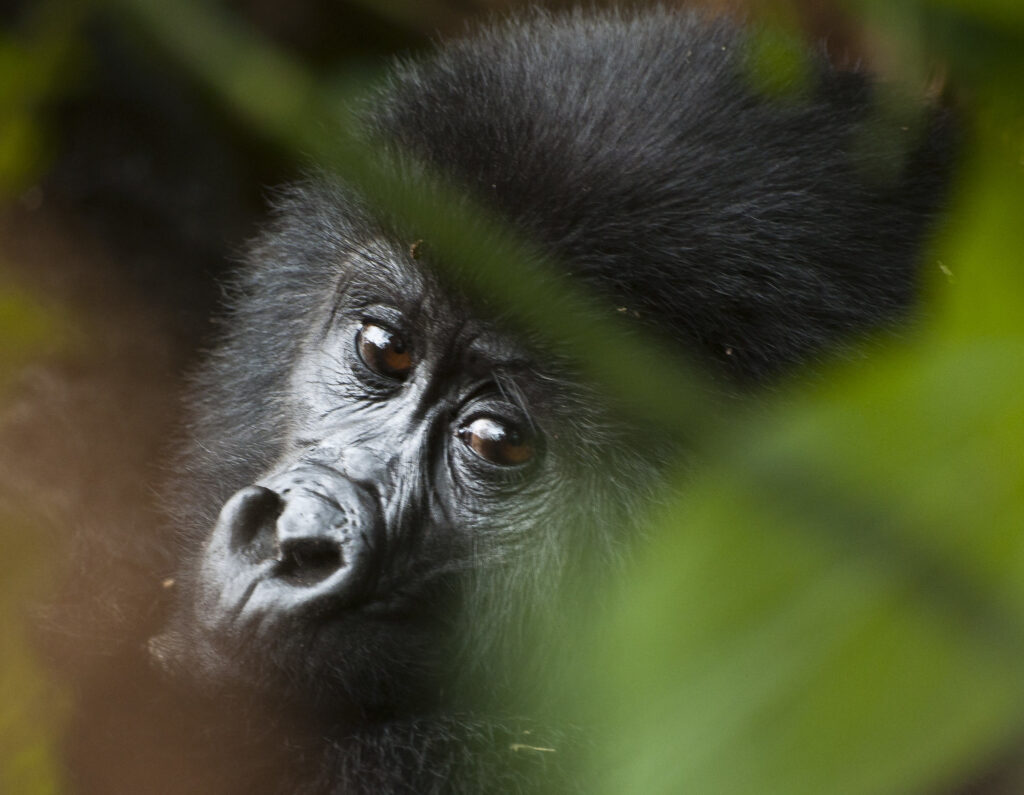
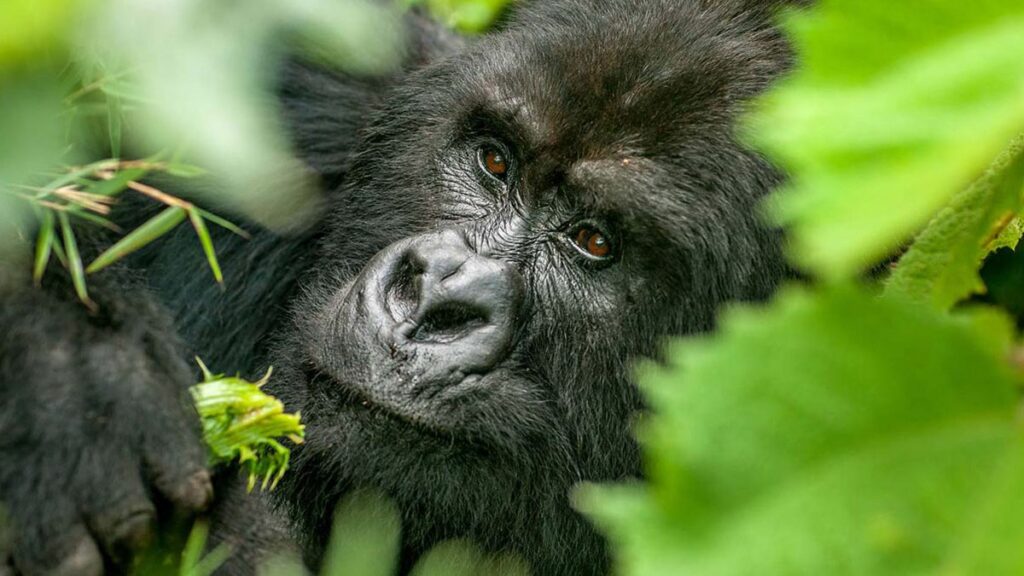
Uganda is one of the world’s leading destinations for mountain gorilla trekking.
The main trekking destinations are Bwindi Impenetrable National Park and Mgahinga Gorilla National Park in southwestern Uganda.
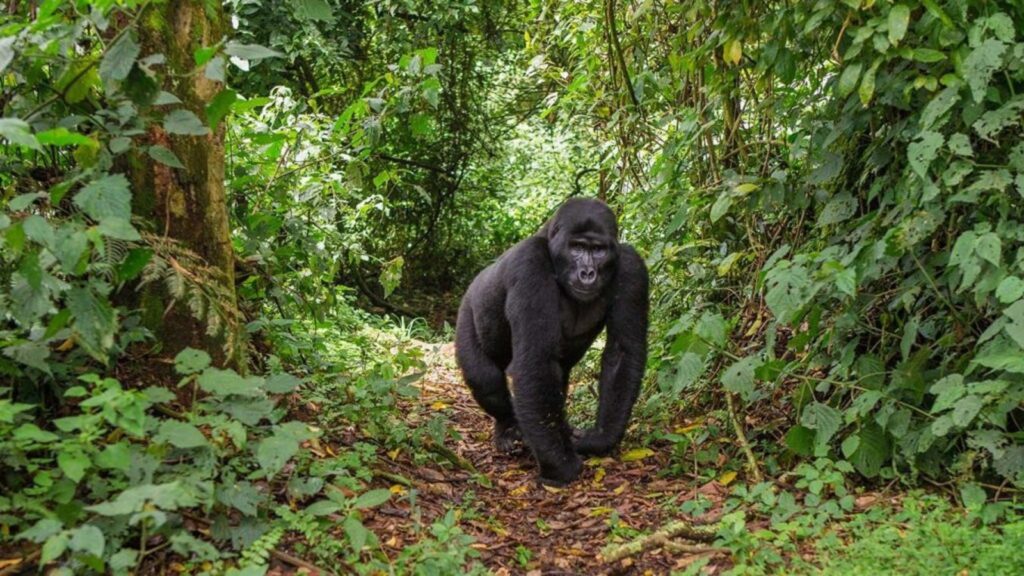
Visitors receive a briefing before entering the forest with trained guides and rangers. The trekking team then searches for a habituated gorilla family.
Trekking conditions vary depending on the location of the gorillas. Some walks may be relatively short, while others can require several hours of hiking through steep and muddy terrain.
Schools Near Uganda’s Gorilla Parks
Communities surrounding Bwindi and Mgahinga contain schools serving children from nearby villages.
These schools form an important part of local community life. Children may travel considerable distances to attend classes, while teachers and community organizations work to improve educational opportunities.
Tourism can contribute to local economies through employment and community initiatives, creating an indirect connection between gorilla tourism and education.
However, visitors should not assume that every school accepts tourist visits. Permission must be obtained before including a school visit in an itinerary.
What Happens During a Local School Visit?
The activities depend on the school and the arrangements made in advance.
A visitor may receive a guided introduction to the school, learn about the education system, meet teachers, observe appropriate educational activities, or discuss community development initiatives.
Some schools may organize cultural presentations or educational exchanges when appropriate.
The purpose should be meaningful interaction rather than simply visiting children for entertainment or taking photographs.
Getting Permission for a School Visit
A gorilla trekking school visit experience in Uganda should always be arranged through the school administration or a trusted local organization.
Travelers should not arrive at a school without prior permission.
The school should know the purpose of the visit, the number of visitors, expected arrival time, and any activities being proposed.
If photography or filming is planned, the school should provide clear guidance and appropriate consent procedures.
Respecting Children and Privacy
Children deserve particular protection during tourism activities.
Visitors should not photograph, record, interview, or post images of children without appropriate permission. Travelers should also avoid asking children intrusive personal questions.
The school should determine which areas visitors can access and which activities are appropriate.
A responsible visit places children’s safety, dignity, and education ahead of the tourist experience.
Educational Exchange Opportunities
A school visit can become more valuable when it involves genuine educational exchange.
Travelers may share appropriate knowledge or experiences with students when requested by the school. For example, visitors with professional or educational backgrounds may discuss subjects such as conservation, geography, environmental protection, tourism, or cultural exchange.
Any educational activity should be planned with teachers so that it supports the school’s objectives.
Supporting Local Schools Responsibly
Some travelers want to support schools financially or through donations.
The best approach is to ask the school or a trusted local organization what resources are actually needed.
Useful support may include educational materials, infrastructure improvements, sanitation facilities, books, or other locally identified priorities.
Avoid bringing large quantities of random gifts without first discussing needs with the school.
Responsible Donations
Donations should strengthen the school’s existing programs rather than create dependency or unfairness.
Cash donations should be handled transparently through the appropriate school or community organization.
If travelers want to donate books, sports equipment, stationery, or other materials, they should confirm what is needed before purchasing anything.
This makes the contribution more useful and reduces unnecessary waste.
How School Visits Benefit Communities
Responsible community tourism can provide several benefits.
School visits can generate income for local guides and community organizations while raising awareness of education initiatives.
More importantly, they can create opportunities for travelers to understand the social context surrounding Uganda’s protected areas.
When tourism contributes to community development, local residents can see more direct benefits from conservation and tourism.
Connection Between Conservation and Education
Gorilla conservation depends on more than protecting forests.
Communities surrounding protected areas need sustainable livelihoods, educational opportunities, and incentives to support conservation.
Education can help young people understand the importance of forests, wildlife, and responsible tourism.
A gorilla trekking school visit Uganda itinerary can, therefore, help travelers understand how conservation and community development are interconnected.
Best Time for a School Visit
School visits are usually easier to arrange when schools are in session.
Travelers should avoid assuming that schools will be available during holidays, examination periods, or major school events.
The exact school calendar varies, so visitors should confirm dates with the school before finalizing their itinerary.
The timing of the school visit should also allow enough rest between travel and gorilla trekking.
What to Wear
Wear modest and comfortable clothing suitable for a community environment.
For gorilla trekking, sturdy hiking boots, long trousers, a long-sleeved shirt, a rain jacket, and comfortable socks are recommended.
For the school visit, simple and respectful clothing is appropriate.
Travelers should remember that the mountain region can experience rain and cool temperatures.
What to Bring
For the school visit, travelers may need only a small bag with personal essentials.
If the school has requested specific educational materials, bring only the items that were agreed upon in advance.
For gorilla trekking, carry drinking water, snacks, insect repellent, sunscreen, a small backpack, and waterproof protection for electronic devices.
Combining a School Visit With Community Tourism
A school visit can be combined with other community experiences around Bwindi.
Travelers may participate in a community walk, visit local craft projects, learn traditional skills, or support locally owned businesses.
These activities provide additional opportunities to interact respectfully with communities while contributing to local tourism income.
Gorilla Trekking and Cultural Experiences
Uganda’s gorilla region offers more than wildlife experiences.
Travelers can learn about local traditions, food, music, crafts, farming, and community history.
A school visit adds an educational dimension to these experiences by showing how modern community institutions operate alongside traditional culture and conservation.
Sample Gorilla Trekking and School Visit Itinerary
Day 1: Arrival in Uganda
Arrive at Entebbe International Airport and transfer to your accommodation.
Day 2: Travel to Southwestern Uganda
Travel toward Bwindi Impenetrable National Park or Mgahinga Gorilla National Park.
Day 3: Gorilla Trekking
Take part in the gorilla trekking experience. Return to your lodge after the trek and rest.
Day 4: Local School Visit
Visit a pre-arranged local school with permission from the administration. Learn about the school, meet teachers and students where appropriate, and participate in an agreed educational exchange.
Day 5: Community Experience
Enjoy a community walk, cultural activity, or another responsible tourism experience before continuing your Uganda safari.
Day 6: Continue the Safari
Travel toward another destination such as Queen Elizabeth National Park, Lake Bunyonyi, or Kibale Forest.
The itinerary can be extended depending on the number of destinations and activities.
School Visit for Families
Families can find school visits particularly meaningful.
Children traveling with their parents can learn about differences and similarities between education systems and daily life in Uganda.
Parents should ensure that their children understand the importance of respectful behavior before visiting the school.
School Visit for Student Groups
Educational groups can benefit significantly from a planned school exchange.
Students from different countries can discuss subjects such as environmental conservation, culture, geography, and education.
The exchange should be coordinated with teachers to ensure that it is appropriate for the participating students.
School Visit for University and Research Groups
Universities and research groups can arrange more specialized educational exchanges.
Depending on the institution, discussions may cover conservation, tourism, community development, environmental science, education, or sustainable livelihoods.
Formal permission and clear objectives are particularly important for these visits.
Avoiding Unethical Voluntourism
Travelers should be cautious about programs that encourage short-term visitors to perform activities for which they are not qualified.
Teaching, childcare, construction, or other forms of volunteering should only take place through properly organized programs and with appropriate supervision.
A simple educational visit can often be more responsible than attempting to intervene directly in school operations.
Supporting Local Businesses
Visitors can also support communities by using locally owned services.
Buying crafts directly from community producers, hiring local guides, eating at local businesses, and choosing community-based tourism activities can help keep tourism revenue within the region.
This approach complements the conservation benefits associated with gorilla tourism.
Conclusion
A gorilla trekking school visit experience in Uganda provides travelers with an opportunity to combine mountain gorilla trekking with meaningful community and educational engagement.
Gorilla trekking offers an unforgettable encounter with mountain gorillas in Uganda’s protected forests, while a local school visit provides insight into education and community life around these conservation areas.
The most important principle is responsible interaction. School visits should always be arranged with prior permission, protect children’s privacy, respect teachers and school routines, and respond to locally identified needs.
When carefully organized, this combination can create a richer Uganda safari while helping travelers understand the important relationship between conservation, tourism, education, and local communities.