Horse Riding Safari Uganda Gorilla Region: Complete Guide to Horseback Adventures
A horse riding safari in the Uganda gorilla region experience offers travelers a unique way to explore the beautiful landscapes surrounding Uganda’s gorilla trekking destinations. While Bwindi Impenetrable National Park and Mgahinga Gorilla National Park are best known for mountain gorilla trekking, the surrounding countryside provides additional opportunities for outdoor adventure.
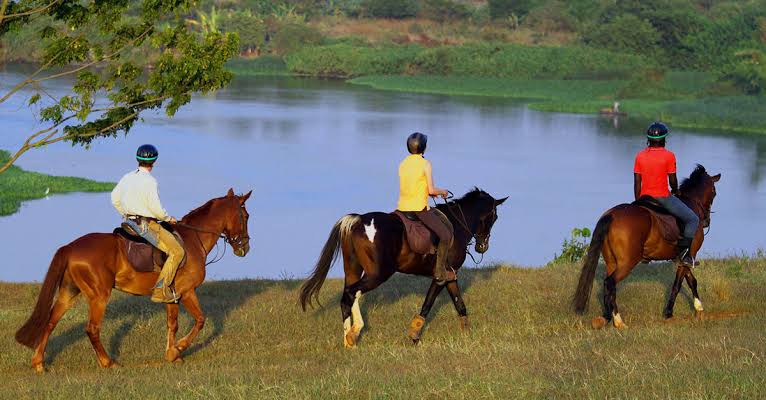
Horse riding allows visitors to experience rural landscapes, rolling hills, farms, forests, and local communities from a different perspective. Instead of spending the entire safari inside a vehicle, travelers can explore selected areas on horseback and enjoy a slower, more immersive journey through southwestern Uganda.
This experience can work particularly well as an add-on to a gorilla trekking itinerary. Travelers can enjoy horseback activities before or after their trek while discovering the communities and landscapes surrounding the protected forests.
What Is a Horse Riding Safari in Uganda’s Gorilla Region?
A horse riding safari Uganda gorilla region experience involves exploring suitable countryside and tourism areas around Uganda’s gorilla destinations on horseback.
Unlike conventional wildlife safaris that use vehicles to search for large animals, horseback experiences usually focus on landscapes, rural communities, scenic trails, and nature. The availability of horse riding depends on the specific location and local operators, so travelers should confirm current routes and services before booking.
The experience can range from short recreational rides to longer guided excursions through countryside landscapes.
Where Can You Enjoy Horse Riding Near Uganda’s Gorilla Parks?
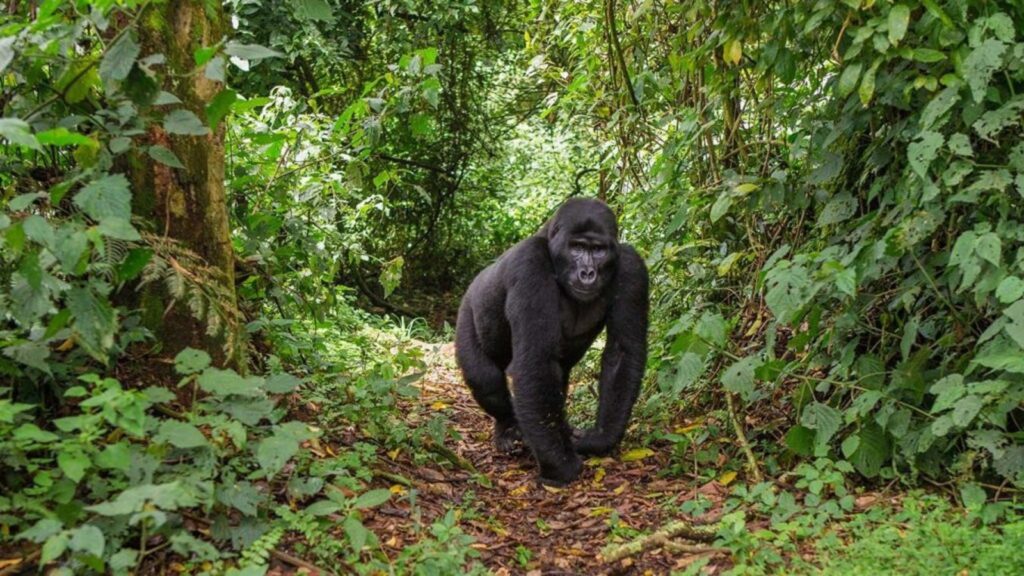
The main gorilla trekking destinations are Bwindi Impenetrable National Park and Mgahinga Gorilla National Park.
Horse riding is generally more practical in the surrounding communities and countryside than inside the protected gorilla trekking forests. Travelers may find horseback experiences around nearby tourism destinations and rural areas, depending on local availability.
The Lake Bunyonyi and Kabale area can be particularly attractive for travelers who want to combine highland scenery with outdoor activities before or after visiting Bwindi.
Why Combine Horse Riding With Gorilla Trekking?
A horse riding safari Uganda gorilla region itinerary provides a contrast between two very different experiences.
Gorilla trekking takes place in dense rainforest and can involve steep, muddy trails. Horse riding offers a more relaxed opportunity to explore open countryside and agricultural landscapes.
Travelers can schedule a horseback excursion before gorilla trekking as a gentle introduction to the region or after trekking as a way to relax while remaining active.
The combination also allows visitors to experience both Uganda’s wildlife conservation areas and surrounding communities.
Horse Riding Around Lake Bunyonyi
Lake Bunyonyi is one of the most attractive destinations to combine with a gorilla safari.
The lake is surrounded by steep green hills, terraced farmland, villages, and scenic viewpoints. Outdoor activities around the lake include canoeing, cycling, hiking, and other forms of nature exploration.
Where horseback riding services are available, the surrounding countryside can provide a scenic setting for exploring the highlands.
Travelers should confirm the current availability of horses, routes, guides, and safety equipment before making arrangements.
Horse Riding Around Kabale
Kabale serves as an important gateway to southwestern Uganda’s gorilla trekking destinations.
The surrounding countryside contains rolling hills, farms, rural settlements, and dramatic highland scenery. These landscapes can provide opportunities for horseback exploration through suitable routes outside the protected forest.
A local operator can help identify appropriate trails based on the rider’s experience and available time.
Horse Riding and Rural Landscapes
One of the main attractions of horseback riding in the gorilla region is the scenery.
The southwestern highlands feature cultivated hillsides, valleys, forests, streams, and small rural communities. Riding through these landscapes allows travelers to observe how local communities farm and use the land.
The slower pace of a horse makes it possible to stop for photographs and enjoy the surrounding scenery without rushing.
Horse Riding and Local Communities
Horseback experiences can also provide opportunities to interact with local communities.
Depending on the route, riders may pass through villages, farms, trading centers, and other rural areas. Guides can explain local farming practices and the history of communities surrounding the gorilla parks.
Visitors should respect local customs and ask permission before photographing people or entering private property.
Can You See Wildlife While Horse Riding?
Wildlife sightings depend heavily on the location.
Horse riding in the countryside around the gorilla parks should not be treated as a guaranteed wildlife-viewing activity. The main attraction is usually the landscape and cultural experience rather than finding specific wild animals.
Travelers interested in wildlife should combine horseback riding with a dedicated safari in destinations such as Queen Elizabeth National Park or Lake Mburo National Park.
Horse Riding and Gorilla Trekking in One Itinerary
A multi-day safari can combine the two activities without making the schedule too demanding.
Travelers might spend one day exploring the countryside on horseback, another day completing gorilla trekking, and a further day relaxing around Lake Bunyonyi.
This approach gives visitors time to recover between physically demanding activities while still experiencing the region’s natural and cultural attractions.
How Difficult Is Horse Riding?
Difficulty depends on the route and the rider’s experience.
Beginners should choose short rides on relatively easy terrain and remain with their guide. Experienced riders may prefer longer routes involving hills and uneven ground.
The terrain around southwestern Uganda can be steep, so riders should be prepared for changes in elevation.
Travelers should inform operators about their previous horse-riding experience before choosing a route.
Horse Riding for Beginners
Visitors do not necessarily need extensive riding experience to participate in a short guided ride.
Beginners should receive basic instructions before starting and should use a horse suitable for their experience level. Guides should remain nearby throughout the activity.
Riders should never feel pressured to attempt terrain beyond their comfort level.
Horse Riding for Experienced Riders
Experienced riders can look for longer countryside excursions where available.
These rides may include hill climbs, rural roads, open landscapes, and scenic viewpoints. Riders should still follow the guide’s instructions because local terrain and weather conditions can change quickly.
The goal should be a safe and enjoyable experience rather than speed or difficult riding.
Best Time for Horse Riding
A horse riding safari Uganda gorilla region experience can be arranged throughout much of the year.
The relatively drier periods from June to September and December to February generally provide more comfortable conditions for outdoor activities. However, rainfall can occur at any time in southwestern Uganda.
Wet weather can make unpaved trails muddy and slippery, so operators may adjust routes according to conditions.
What to Wear
Wear comfortable trousers and closed shoes suitable for riding.
A lightweight long-sleeved shirt can provide protection from the sun and vegetation. A rain jacket is also useful because weather conditions can change quickly in the highlands.
Travelers should avoid loose clothing or accessories that could become caught on equipment or vegetation.
What to Bring
Useful items include drinking water, sunscreen, insect repellent, sunglasses, a camera, and a light rain jacket.
A small backpack is preferable because riders should avoid carrying unnecessary weight.
Waterproof protection for electronic equipment can be useful during unexpected rain.
Horse Riding Safety
Safety should remain the priority during every horseback excursion.
Riders should use appropriate helmets and follow the instructions of experienced guides. Beginners should remain at a controlled pace and avoid sudden movements around horses.
Travelers should also confirm that horses receive proper care and that the operator follows responsible animal-welfare practices.
Responsible Horse Tourism
Animal welfare is an important consideration when choosing a horse riding experience.
Travelers should select operators who provide appropriate food, water, shelter, veterinary care, rest periods, and safe working conditions for horses.
Avoid operators who overload animals, use visibly unhealthy horses, or force animals to work in unsafe conditions.
Responsible tourism should benefit both local communities and the animals involved.
Combining Horse Riding With Lake Bunyonyi
Travelers staying around Lake Bunyonyi can potentially combine horseback activities with other experiences.
Canoeing, cycling, birdwatching, community walks, and scenic viewpoints provide additional ways to explore the region.
A relaxed lakeside itinerary can be particularly useful after gorilla trekking because it allows visitors to recover while continuing to enjoy southwestern Uganda.
Combining Horse Riding With Other Safaris
Travelers who enjoy horseback experiences can extend their trip beyond the gorilla region.
Queen Elizabeth National Park offers classic wildlife experiences, including game drives and the Kazinga Channel boat cruise. Lake Mburo National Park provides particularly interesting opportunities for walking and cycling alongside traditional game viewing.
Combining several destinations creates a broader Uganda safari experience.
Sample Itinerary
Day 1: Arrival in Southwestern Uganda
Travel toward Kabale, Lake Bunyonyi, or your chosen gorilla trekking area. Check into your accommodation and prepare for the following activities.
Day 2: Horse Riding Experience
Enjoy a guided horseback ride through suitable countryside routes. Explore hills, farms, villages, and scenic landscapes.
Day 3: Gorilla Trekking
Enter Bwindi Impenetrable National Park or Mgahinga Gorilla National Park for the gorilla trekking experience.
Day 4: Relax Around Lake Bunyonyi
Spend the day enjoying the lake, canoeing, birdwatching, cycling, or simply relaxing at your accommodation.
Day 5: Continue Your Uganda Safari
Travel toward another destination such as Queen Elizabeth National Park or return toward Kampala or Entebbe.
Conclusion
A horse riding safari Uganda gorilla region experience offers an interesting alternative way to explore the landscapes surrounding Uganda’s famous gorilla trekking destinations. Rather than replacing gorilla trekking, horseback riding works best as an additional activity that introduces travelers to rural communities, highland scenery, farms, and countryside trails.
The Lake Bunyonyi and Kabale region can provide an attractive setting for travelers looking to add outdoor activities to their itinerary, although the availability of specific horse-riding services should always be confirmed in advance.
When combined with gorilla trekking, canoeing, cycling, community experiences, or a wider Uganda wildlife safari, horseback riding can add variety and adventure to a southwestern Uganda journey.