Lake Bunyonyi Cycling Activities: Complete Guide to Cycling Around Lake Bunyonyi
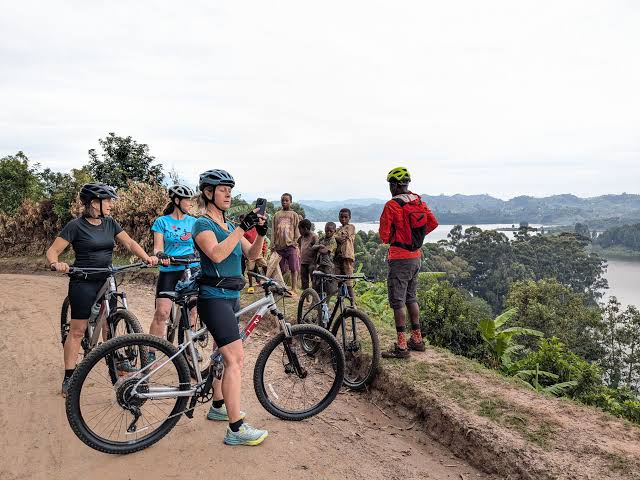
Lake Bunyonyi cycling activities offer an exciting way to explore the beautiful highland landscapes of southwestern Uganda. Located near Kabale and within reach of Kisoro and Uganda’s famous gorilla trekking destinations, Lake Bunyonyi is surrounded by steep green hills, terraced farms, villages, islands, and scenic viewpoints.
Cycling around the Lake Bunyonyi area provides a different perspective from exploring the destination by canoe or vehicle. Instead of simply passing through the countryside, cyclists can travel at a slower pace, stop at viewpoints, interact with local communities, and discover rural landscapes along the roads surrounding the lake.
The experience suits active travelers, couples, families, photographers, and safari visitors who want to add an outdoor adventure to a gorilla trekking itinerary.
Where Is Lake Bunyonyi?
Lake Bunyonyi lies in southwestern Uganda between Kabale and Kisoro.
The lake sits among dramatic highlands characterized by steep cultivated slopes and numerous small islands. The surrounding landscape creates a scenic environment for cycling, although the terrain also means that many routes involve significant climbs and descents.
Cycling routes can start from different locations around the lake depending on the accommodation, available bicycles, and preferred difficulty level.
Why Try Cycling Around Lake Bunyonyi?
One of the main advantages of Lake Bunyonyi cycling activities is the opportunity to experience rural Uganda at a relaxed pace.
Cyclists can stop whenever they want to photograph the hills, observe farming activities, visit villages, or enjoy views across the lake. The experience also provides opportunities to interact respectfully with local residents and learn about everyday life in southwestern Uganda.
For travelers who have already completed a demanding gorilla trek, a gentle cycling excursion can provide an enjoyable way to explore the surrounding countryside without spending another full day in the forest.
Cycling Through the Highland Landscape
The area around Lake Bunyonyi features some of Uganda’s most dramatic agricultural landscapes.
Farmers cultivate steep hillsides using terraces and carefully managed plots. During cycling excursions, visitors can see crops growing at different elevations and observe how local communities have adapted agriculture to the mountainous terrain.
The changing scenery makes the journey interesting even when cyclists are not visiting a specific attraction.
Lake Bunyonyi Village Cycling
Village cycling provides an opportunity to explore communities surrounding the lake.
Cyclists can pass through rural settlements, meet local residents, and observe traditional homes, farms, schools, churches, and small trading centers. Guided cycling is preferable because local guides can explain the landscape and help visitors interact respectfully with communities.
Visitors should always ask permission before photographing people or entering private property.
Cycling to Lake Bunyonyi Viewpoints
Several viewpoints around the lake provide spectacular scenery.
Cycling to elevated viewpoints allows travelers to look across the lake’s islands and surrounding hills. These locations are particularly attractive during early morning or late afternoon when the light creates dramatic shadows across the terraces.
Cyclists should allow enough time for rest stops because reaching some viewpoints requires substantial uphill riding.
Birdwatching While Cycling
The Lake Bunyonyi cycling activities experience can also appeal to birdwatchers.
The lake and surrounding wetlands provide habitat for numerous bird species. Cyclists may see kingfishers, herons, egrets, cormorants, African fish eagles, sunbirds, and other species along the route.
A pair of compact binoculars can make it easier to identify birds without adding excessive weight to the bicycle.
Cycling and Gorilla Trekking
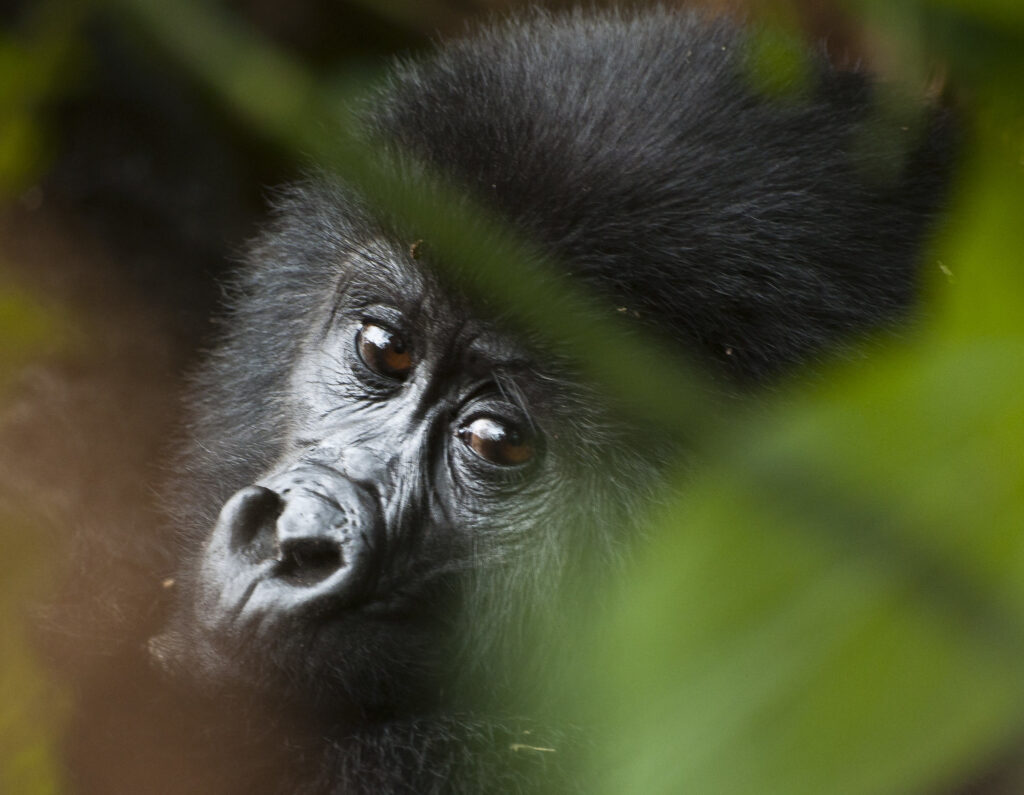
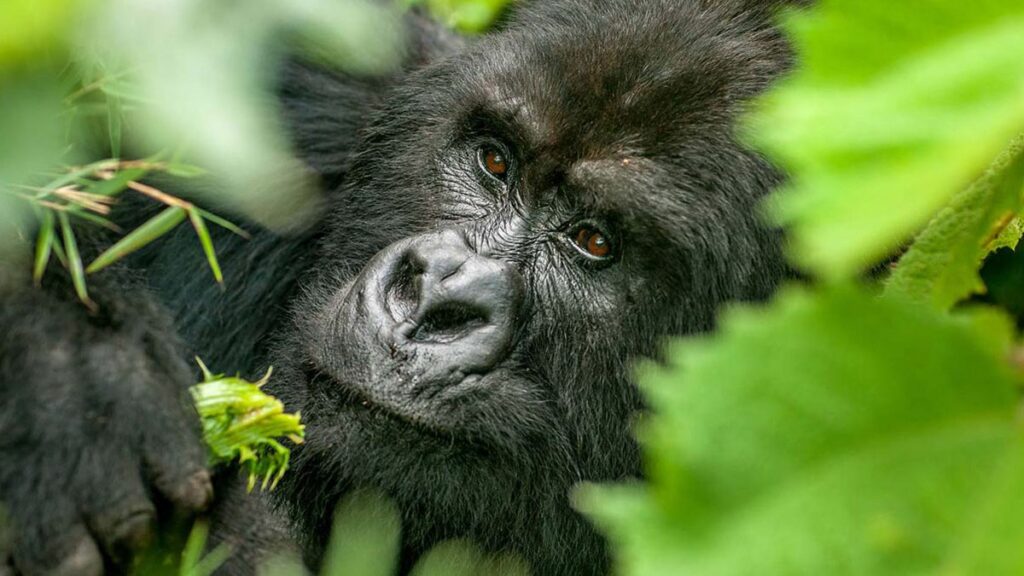
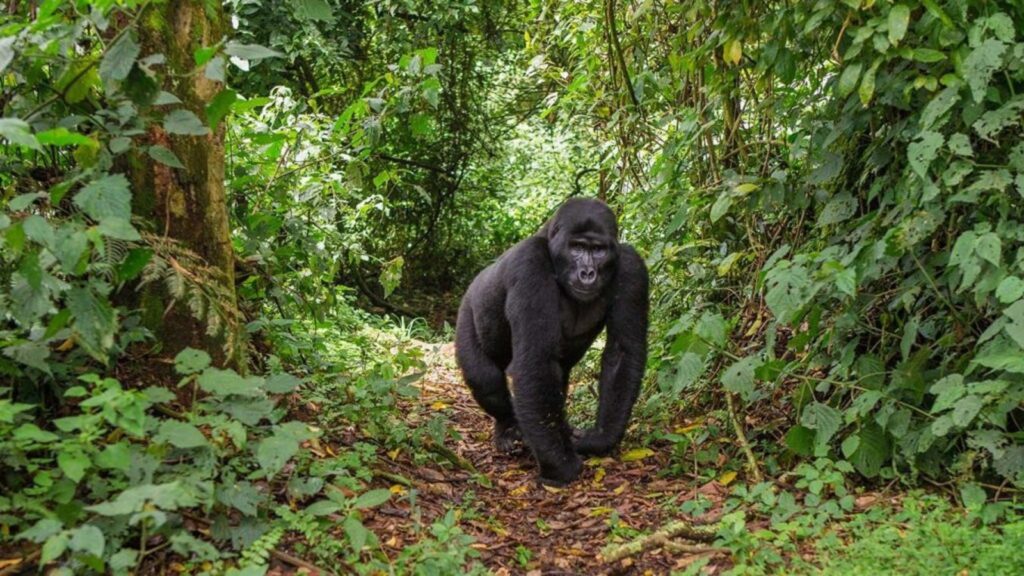
Lake Bunyonyi is particularly useful as an add-on to a gorilla trekking safari.
Travelers visiting Bwindi Impenetrable National Park or Mgahinga Gorilla National Park can include a cycling excursion before or after their trek. The activity provides a change of scenery and allows visitors to explore the communities and landscapes surrounding the lake.
Cyclists can choose a gentle route after trekking or undertake a longer ride when they have recovered.
Cycling and Lake Bunyonyi Canoeing
Travelers do not have to choose between cycling and canoeing.
A multi-day stay can combine cycling through the surrounding hills with a traditional canoe ride on the lake. Cycling provides access to the countryside and viewpoints, while canoeing offers a quieter perspective from the water.
Combining both activities creates a well-rounded Lake Bunyonyi experience.
Difficulty of Cycling Around Lake Bunyonyi
Cycling around Lake Bunyonyi ranges from moderate to challenging depending on the route.
The surrounding terrain is hilly, and cyclists should expect climbs, descents, uneven road surfaces, and occasional muddy sections during rainy periods. Travelers who regularly cycle or exercise will generally find longer routes more manageable.
Visitors who prefer an easier experience can request shorter routes with fewer steep climbs.
Mountain Bikes and Equipment
Mountain bikes are generally more suitable for the area’s terrain than standard road bicycles.
A bicycle with reliable brakes, appropriate tires, and functioning gears provides better control on hills and uneven surfaces. Helmets should always be worn, and cyclists should check the condition of the bicycle before beginning the ride.
Local operators or accommodation providers may provide bicycles, although availability and equipment quality can vary.
Best Time for Cycling
Lake Bunyonyi cycling activities can be enjoyed throughout the year.
The relatively drier periods from June to September and December to February generally provide better road conditions. However, rainfall can occur at any time because Lake Bunyonyi lies in a highland region.
Morning rides often provide cooler temperatures and calmer conditions, while early evening rides can offer beautiful views as the sun approaches the horizon.
What to Bring
Cyclists should carry only the essentials.
Useful items include drinking water, sunscreen, sunglasses, a hat, insect repellent, a light rain jacket, a small backpack, a phone or camera, and basic personal supplies.
A waterproof bag can protect electronic equipment if rain begins during the ride.
Cycling Safety
Safety remains important when exploring the Lake Bunyonyi area by bicycle.
Cyclists should follow local traffic rules, maintain control on steep descents, and avoid riding too quickly on unfamiliar roads. A helmet should always be worn, and travelers should check that brakes and tires are working properly before departure.
Using a local cycling guide can improve safety because guides understand the roads, shortcuts, terrain, and surrounding communities.
Cycling With Children
Families can include cycling in their Lake Bunyonyi itinerary, but route selection matters.
Shorter rides on quieter roads may suit older children who have cycling experience. Parents should consider the steep terrain and road conditions before choosing a route.
Where possible, families should use bicycles appropriate for each child’s size and ability and remain together throughout the ride.
Accommodation and Bicycle Rentals
Several lodges and guesthouses around Lake Bunyonyi can help visitors arrange outdoor activities.
Some properties offer bicycles directly, while others work with local guides or cycling operators. Travelers should confirm bicycle availability, equipment condition, route options, and guide services before booking.
Staying close to the lake allows visitors to begin their ride early without lengthy transfers.
How to Reach Lake Bunyonyi
Visitors can reach Lake Bunyonyi by road from Kampala, Kabale, Kisoro, or Rwanda.
Kabale serves as the main gateway for many visitors traveling from central Uganda. Travelers coming from Rwanda can cross through an appropriate border and continue toward southwestern Uganda.
The destination works particularly well within itineraries combining Uganda’s gorilla parks, Lake Bunyonyi, and other attractions in the region.
Responsible Cycling
Cyclists should respect local communities and the natural environment.
Avoid littering, follow designated roads and trails, ask permission before photographing people, and avoid disturbing wildlife. Travelers should also support local guides and businesses where possible.
Responsible cycling helps ensure that tourism benefits communities while preserving the character of the Lake Bunyonyi landscape.
Other Activities Around Lake Bunyonyi
Cycling can form part of a larger Lake Bunyonyi experience.
Visitors can combine their ride with traditional canoeing, birdwatching, community walks, swimming where locally considered safe, photography, and relaxing at a lakeside lodge.
Travelers continuing toward Mgahinga Gorilla National Park can also add gorilla trekking, golden monkey tracking, or volcano hiking.
Conclusion
Lake Bunyonyi cycling activities provide an active and rewarding way to explore the highland landscapes surrounding one of southwestern Uganda’s most beautiful lakes. The combination of terraced hills, rural villages, scenic viewpoints, birdlife, and winding roads creates an experience that differs from conventional safari activities.
For travelers visiting Bwindi or Mgahinga for gorilla trekking, cycling around Lake Bunyonyi offers an excellent opportunity to slow down, explore local communities, and enjoy the scenery from a different perspective.
Whether you choose a short village ride, a challenging hill route, or a cycling and canoeing combination, Lake Bunyonyi provides plenty of opportunities for active exploration.