Tree-Climbing Lions Uganda: Complete Guide to Uganda’s Famous Tree-Climbing Lions
The tree-climbing lions Uganda experience is one of the country’s most extraordinary wildlife attractions and a highlight of many Uganda safaris. While lions are typically known for resting on the ground after hunting, a unique population in Uganda has developed the remarkable habit of climbing and relaxing in large fig trees. This rare behavior has fascinated wildlife researchers, photographers, and safari enthusiasts for decades.
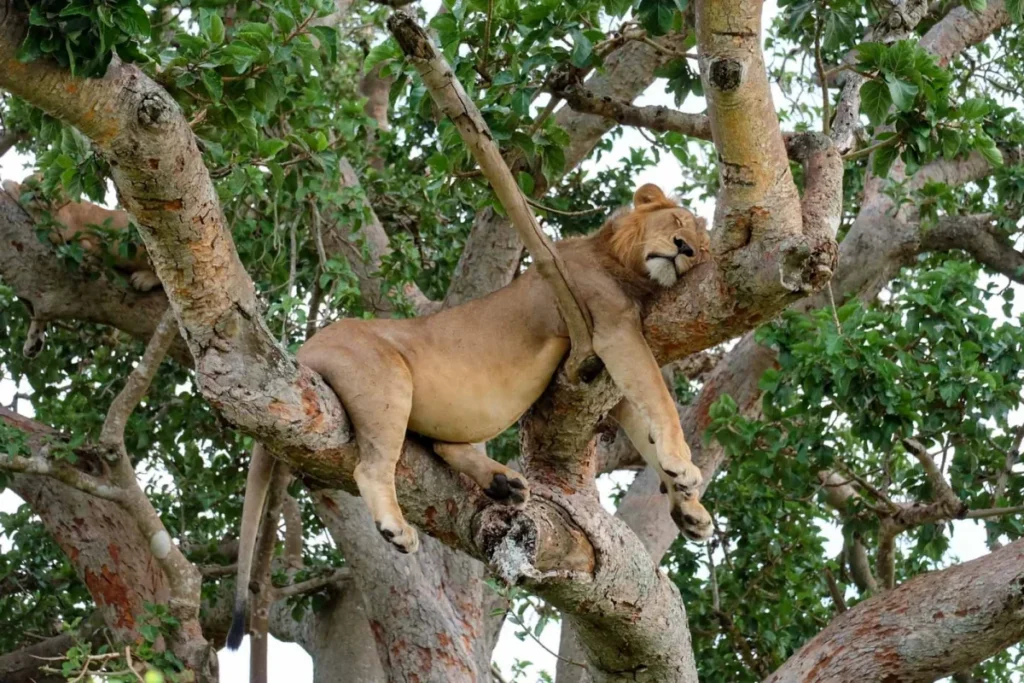
Uganda is one of the very few places in Africa where visitors can reliably observe tree-climbing lions in the wild. The best location to witness this unusual spectacle is the Ishasha sector of Queen Elizabeth National Park, where prides of lions regularly spend hours resting high in the branches of giant fig and acacia trees.
Whether you are visiting Uganda for a wildlife safari, gorilla trekking, or birdwatching, seeing these famous lions is an unforgettable experience that adds another dimension to your adventure.
Where to See Tree-Climbing Lions in Uganda
The Ishasha sector of Queen Elizabeth National Park is the best destination for observing tree-climbing lions.
Located in the park’s southern region near Bwindi Impenetrable National Park, Ishasha is characterized by open savannah, riverine forests, and scattered fig trees that provide ideal resting places for lions. Safari vehicles travel through this area searching the treetops for prides lounging comfortably on thick branches.
Unlike many wildlife sightings that depend largely on chance, tree-climbing lion encounters in Ishasha are relatively reliable when accompanied by experienced safari guides.
Why Do Lions Climb Trees?
Scientists continue to study the exact reasons behind this unusual behavior.
Several theories suggest that climbing trees helps lions escape biting insects such as tsetse flies, avoid excessive ground heat during the hottest part of the day, gain better visibility over their territory, or simply find comfortable resting places after feeding. Elevated positions may also allow lions to watch for potential prey or monitor rival predators.
It is likely that several of these factors work together rather than a single explanation accounting for all tree-climbing behavior.
Why Ishasha Lions Are Special
The tree-climbing lions of Uganda’s population have become internationally famous because relatively few lion populations display this behavior consistently.
Although lions occasionally climb trees elsewhere in Africa, the prides in Ishasha do so frequently enough that visitors have an excellent chance of seeing them. Entire family groups, including females, cubs, and young males, may be found resting several meters above the ground.
Their relaxed behavior allows photographers to capture spectacular images rarely possible in other safari destinations.
Best Time to See Tree-Climbing Lions
Tree-climbing lions can be observed throughout the year.
The dry seasons from June to August and December to February generally offer the best game-viewing conditions because vegetation is shorter and wildlife is easier to locate. However, lions continue climbing trees during the rainy seasons as well.
Morning and late afternoon game drives provide the highest probability of sightings, although lions often remain in trees throughout the middle of the day while temperatures are highest.
What to Expect During a Game Drive
Game drives through Ishasha combine exciting wildlife viewing with beautiful scenery.
Experienced guides search both the ground and tree canopy while interpreting fresh tracks, alarm calls from prey species, and recent lion movements. Visitors often discover lions stretched across thick tree branches, sleeping peacefully or watching the surrounding plains.
Besides lions, the Ishasha sector supports elephants, buffaloes, Uganda kobs, topis, waterbucks, warthogs, and numerous bird species, making every drive rewarding even before the lions are found.
Photography Tips
Tree-climbing lions offer exceptional photographic opportunities.
A telephoto lens between 200 mm and 600 mm allows detailed close-up images while maintaining a safe viewing distance. Morning and evening light produces softer colors and more attractive lighting conditions than the harsh midday sun.
Because lions often remain stationary for extended periods, photographers have time to experiment with different compositions and camera settings.
Other Wildlife in Ishasha
Although the lions receive most attention, Ishasha hosts abundant wildlife.
Large herds of buffaloes and Ugandan kobs graze across the plains, while elephants move between woodland and river habitats. Visitors also encounter hippos, crocodiles, hyenas, monkeys, and numerous bird species, including African Fish Eagles, Grey Crowned Cranes, and Saddle-billed Storks.
This rich biodiversity makes Ishasha one of Uganda’s finest safari destinations.
Combining Tree-Climbing Lions with Gorilla Trekking
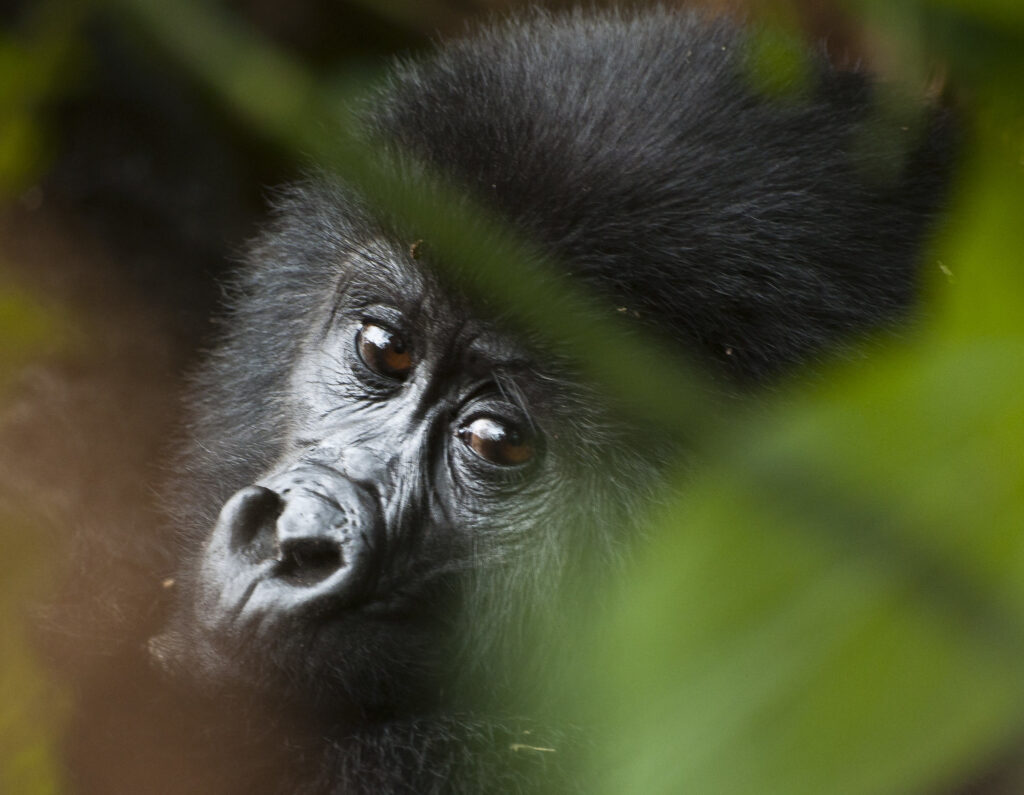
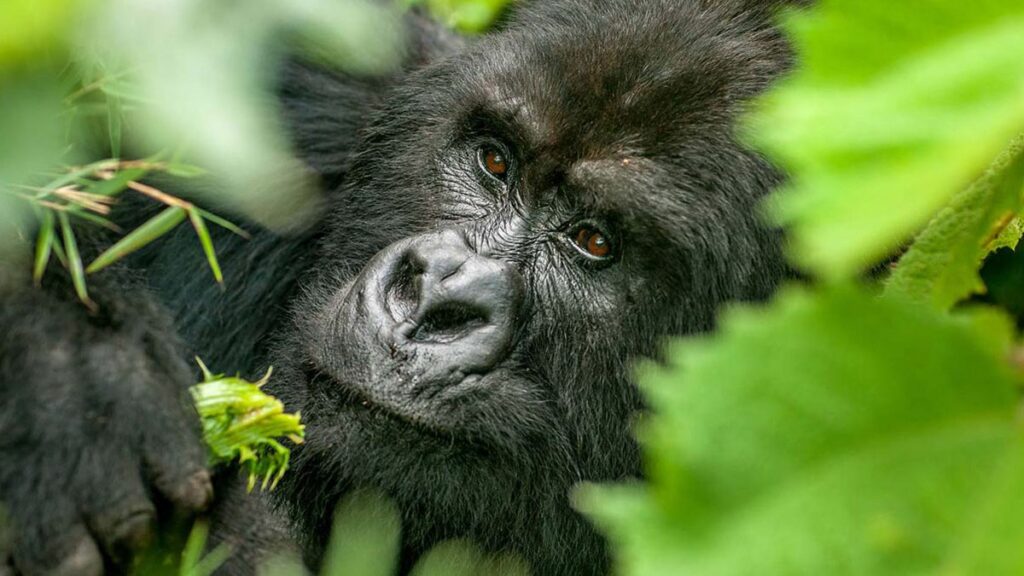
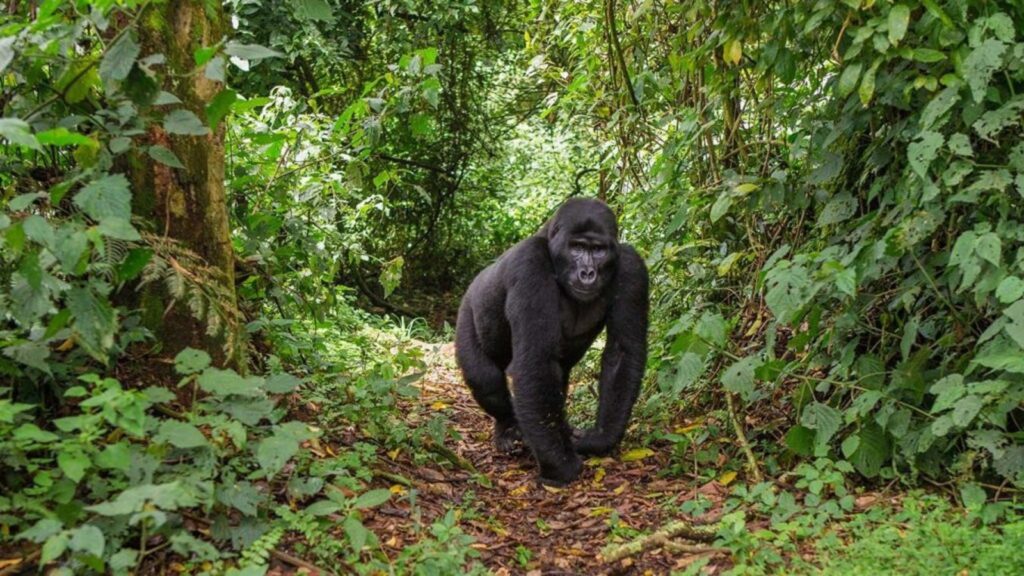
Many visitors combine the tree-climbing lions Uganda experience with mountain gorilla trekking.
The short driving distance between Ishasha and Bwindi Impenetrable National Park makes it easy to include both attractions within a single itinerary. Travelers can enjoy classic African game viewing before trekking endangered mountain gorillas in Bwindi’s ancient rainforest.
This combination represents one of Uganda’s most popular safari packages because it showcases both savannah and rainforest ecosystems.
Best Safari Itineraries
Several itineraries include tree-climbing lions.
A three-day Queen Elizabeth National Park safari focuses on wildlife viewing and the Kazinga Channel. A four-day itinerary combines Ishasha with chimpanzee tracking in Kyambura Gorge. Five- to seven-day safaris often include both Queen Elizabeth National Park and Bwindi Impenetrable National Park for gorilla trekking.
Longer itineraries may also visit Kibale National Park, Lake Mburo National Park, or Murchison Falls National Park.
Conservation of Uganda’s Lions
Uganda’s lions face several conservation challenges.
Habitat loss, human-wildlife conflict, disease, and illegal hunting have affected lion populations across Africa. The Uganda Wildlife Authority works with conservation organizations and local communities to protect lions through law enforcement, scientific research, community education, and responsible tourism.
Safari tourism provides valuable revenue that supports these conservation efforts while creating employment opportunities for surrounding communities.
Travel Tips
Book your safari with an experienced tour operator familiar with the Ishasha sector. Wear neutral-colored clothing and carry binoculars, a quality camera, sunscreen, drinking water, and insect repellent. Remain inside your safari vehicle unless instructed otherwise by your guide, and always follow park regulations to ensure both visitor safety and wildlife protection.
Respecting wildlife viewing guidelines helps preserve the natural behavior of Uganda’s famous tree-climbing lions.
Conclusion
The tree-climbing lions of Uganda experience one of Africa’s most unique wildlife spectacles. The lions of the Ishasha sector have made Queen Elizabeth National Park internationally famous by displaying a behavior rarely seen elsewhere on the continent.
Whether you are a wildlife photographer, safari enthusiast, or first-time visitor to Uganda, observing these remarkable lions relaxing high in the branches of giant fig trees is an unforgettable experience. Combined with gorilla trekking, birdwatching, and Uganda’s spectacular landscapes, tree-climbing lions make every Uganda safari truly exceptional.