Wildlife Queen Elizabeth National Park Uganda: Complete Guide to the Animals of Uganda’s Most Popular Safari Park
The wildlife queen experience at Elizabeth National Park, Uganda, is one of the highlights of any East African safari. Located in western Uganda, Queen Elizabeth National Park is the country’s most visited savannah park and one of Africa’s most biologically diverse protected areas. Covering approximately 1,978 square kilometers, the park stretches from the foothills of the Rwenzori Mountains to the shores of Lake Edward and includes open savannah, crater lakes, wetlands, forests, and the famous Kazinga Channel.
This remarkable diversity of habitats supports an extraordinary variety of wildlife. More than 95 mammal species and over 600 bird species have been recorded within the park, making it one of Africa’s richest ecosystems. Visitors can enjoy game drives, boat cruises, chimpanzee tracking, birdwatching, nature walks, and photography while encountering some of Uganda’s most iconic wildlife.
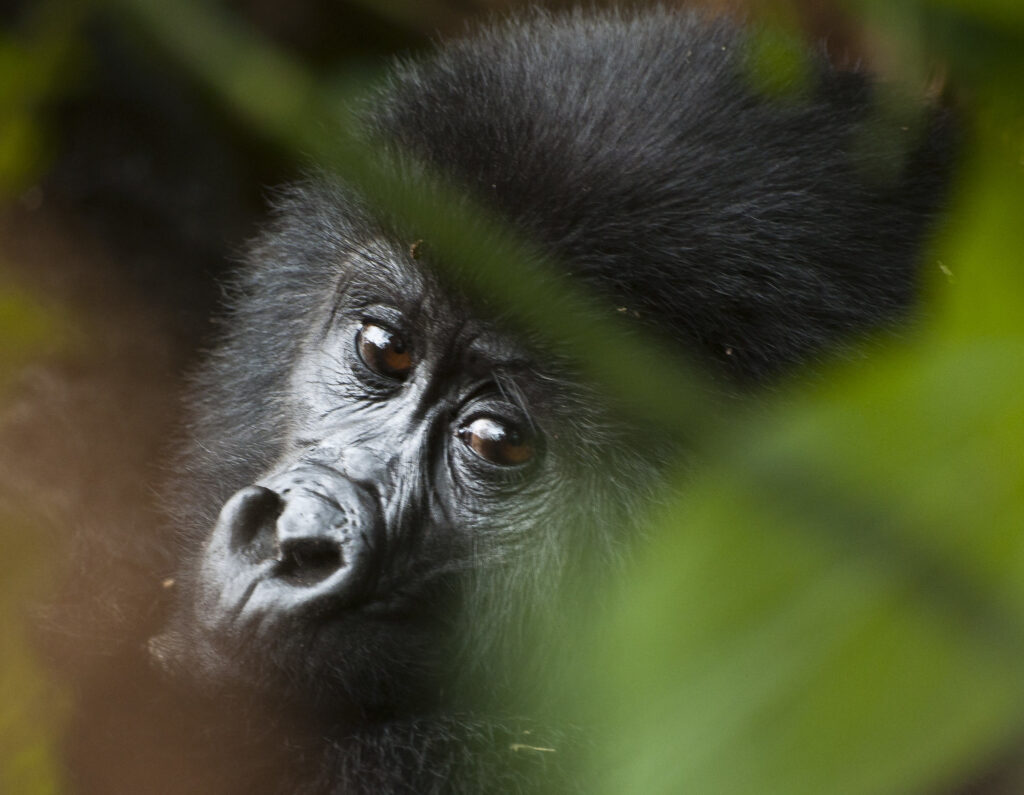
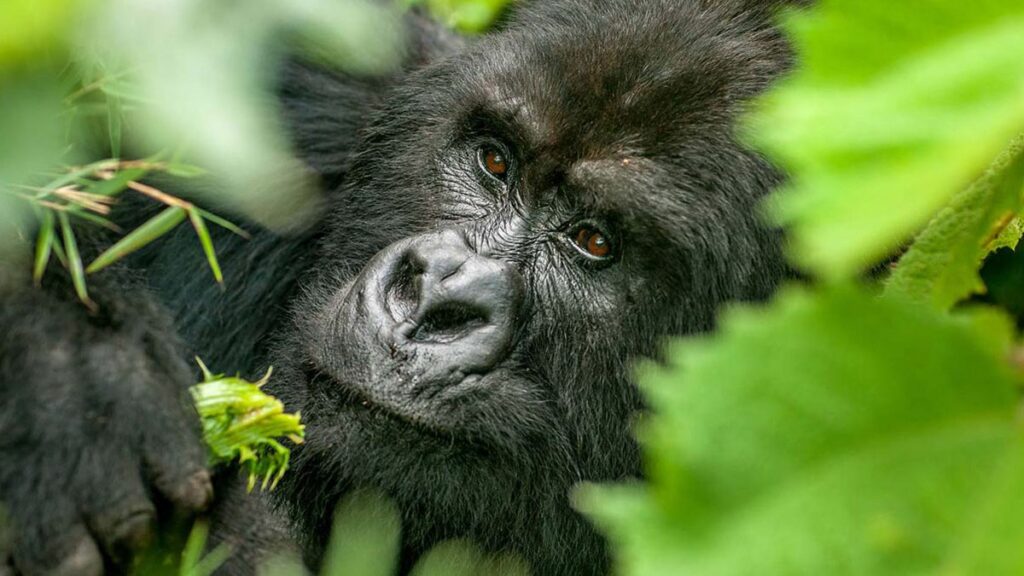
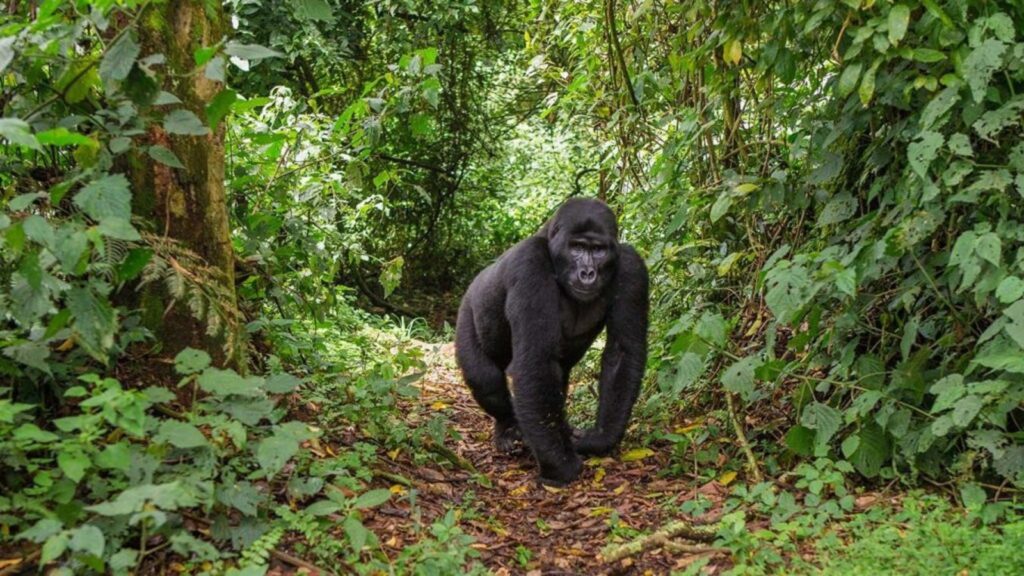
Whether you are visiting as part of a Uganda safari or combining the park with gorilla trekking in Bwindi Impenetrable National Park, Queen Elizabeth National Park offers unforgettable wildlife experiences throughout the year.
Why Queen Elizabeth National Park Is Famous for Wildlife
Queen Elizabeth National Park protects an exceptional range of ecosystems.
Its vast grasslands, acacia woodlands, tropical forests, volcanic crater lakes, papyrus wetlands, and freshwater lakes provide ideal habitats for countless animal species. These varied environments support large herbivores, predators, primates, reptiles, amphibians, and an extraordinary diversity of birds.
The incredible variety of species makes wildlife in Queen Elizabeth National Park, Uganda, one of the most popular safari experiences in East Africa.
African Elephants
African elephants are among the park’s most impressive residents.
Large family groups roam the savannah plains, woodland areas, and the shores of the Kazinga Channel, where they frequently gather to drink and bathe. During game drives, visitors often observe elephants feeding on grasses, shrubs, and tree bark while moving peacefully across the landscape.
Morning and evening game drives provide the best opportunities for close observations.
African Lions
Queen Elizabeth National Park is one of Uganda’s best destinations for lion sightings.
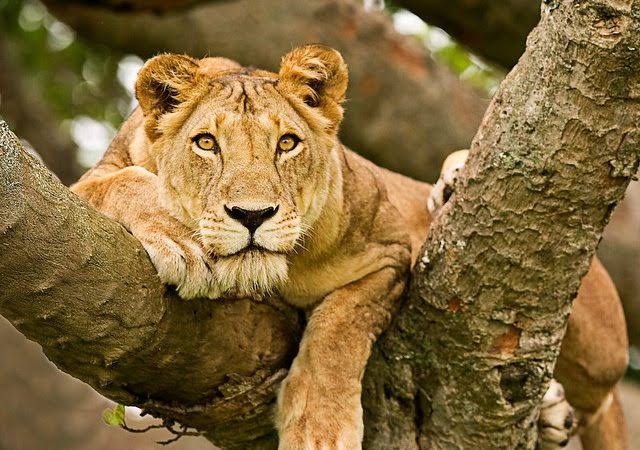
Lions inhabit several sectors of the park, with the Kasenyi Plains offering particularly reliable viewing opportunities. The park is also internationally famous for its unique tree-climbing lions found in the Ishasha sector. These remarkable lions regularly rest on large fig trees, an unusual behavior observed in only a few locations across Africa.
Tree-climbing lions have become one of the park’s biggest attractions.
African Buffaloes
Thousands of African buffaloes roam the park.
Large herds graze across open grasslands and frequently gather near water sources, especially along the Kazinga Channel. Buffaloes often share grazing areas with elephants, Uganda kobs, and warthogs, creating spectacular wildlife viewing opportunities during game drives.
They are among the most commonly observed large mammals in the park.
Uganda Kob
The Uganda kob is one of the park’s signature antelope species.
Large herds inhabit open savannah and serve as an important prey species for lions and leopards. During the breeding season, males establish territories where they compete for females, providing fascinating behavioral displays for visitors.
The Uganda kob is also Uganda’s national animal.
Leopards
Although naturally elusive, leopards occur throughout Queen Elizabeth National Park.
These solitary predators are most active during early morning, evening, and nighttime hours. Experienced safari guides occasionally locate them resting in trees or moving quietly through woodland habitats.
Leopard sightings remain one of the most exciting moments during a safari.
Hippopotamuses
The Kazinga Channel supports one of Africa’s largest concentrations of hippopotamuses.
Boat cruises provide exceptional opportunities to observe these enormous mammals as they rest in the water during the day before emerging at night to graze. Visitors often see hundreds of hippos gathered together along the channel.
The Kazinga boat safari remains one of Uganda’s finest wildlife experiences.
Nile Crocodiles
Large Nile crocodiles inhabit the Kazinga Channel and surrounding lakes.
They can often be seen basking on riverbanks or floating almost motionless near the shoreline while waiting for prey. Some individuals reach impressive sizes, making them among the largest reptiles in Uganda.
Boat cruises offer excellent views of these ancient predators.
Chimpanzees
Kyambura Gorge forms part of Queen Elizabeth National Park and protects a community of wild chimpanzees.
Guided chimpanzee tracking allows visitors to search for these intelligent primates while exploring the lush tropical forest hidden within the dramatic gorge. Besides chimpanzees, the forest supports several monkey species and numerous forest birds.
Chimpanzee tracking adds another exciting dimension to the park’s wildlife experiences.
Other Mammals
The park supports an impressive variety of additional mammals.
Visitors frequently encounter waterbucks, bushbucks, topis, giant forest hogs, bush pigs, spotted hyenas, side-striped jackals, mongooses, serval cats, vervet monkeys, olive baboons, black-and-white colobus monkeys, red-tailed monkeys, and numerous smaller mammals.
Each safari drive presents opportunities to discover different species.
Birdlife
Birdwatchers regard Queen Elizabeth National Park as one of Africa’s finest birding destinations.
With more than 600 bird species, the park offers exceptional diversity. Highlights include the African Fish Eagle, Grey Crowned Crane, Shoebill (occasionally), Saddle-billed Stork, Pink-backed Pelican, Great White Pelican, Martial Eagle, African Skimmer, Malachite Kingfisher, Pied Kingfisher, Yellow-billed Stork, African Spoonbill, and numerous migratory species.
The Kazinga Channel is particularly productive for birdwatching.
Best Wildlife Viewing Areas
Several regions within the park provide outstanding wildlife encounters.
The Kasenyi Plains are famous for lions, elephants, buffaloes, and Ugandan kobs. The Ishasha sector is renowned for tree-climbing lions. The Kazinga Channel offers exceptional boat safaris featuring hippos, crocodiles, elephants, buffaloes, and waterbirds. Kyambura Gorge attracts visitors interested in chimpanzee tracking.
Exploring multiple sectors allows visitors to experience the park’s full wildlife diversity.
Best Time to Visit
Wildlife viewing is excellent throughout the year.
The relatively dry seasons from June to August and December to February usually provide better road conditions and easier animal viewing as wildlife concentrates around permanent water sources. However, game drives and boat cruises remain productive during all seasons.
Morning and evening game drives generally provide the highest wildlife activity.
Combining Queen Elizabeth with Gorilla Trekking
Many visitors combine Queen Elizabeth National Park with Bwindi Impenetrable National Park.
This popular itinerary allows travelers to experience classic African wildlife safaris before trekking endangered mountain gorillas in Bwindi’s ancient rainforest. The combination offers one of Uganda’s most complete safari experiences within a single journey.
It remains one of the country’s most recommended safari packages.
Conservation Importance
Queen Elizabeth National Park plays a vital role in Uganda’s conservation efforts.
Protected by the Uganda Wildlife Authority, the park safeguards diverse ecosystems that support endangered species, promote scientific research, generate tourism revenue, and create employment for surrounding communities. Responsible tourism contributes directly to wildlife protection and habitat conservation.
These efforts ensure the park continues to thrive for future generations.
Conclusion
The wildlife experience in Queen Elizabeth National Park, Uganda, showcases some of Africa’s richest biodiversity. From tree-climbing lions and massive elephant herds to hippos, chimpanzees, crocodiles, leopards, buffaloes, and more than 600 bird species, the park offers unforgettable wildlife encounters for every visitor.
Whether explored independently or combined with gorilla trekking in Bwindi, Queen Elizabeth National Park remains one of Uganda’s premier safari destinations and an essential stop for anyone seeking an authentic African wildlife adventure.