African Green Broadbill Bwindi: Complete Guide to Seeing Uganda’s Rarest Forest Bird
The African Green Broadbill Bwindi experience ranks among the greatest achievements for birdwatchers visiting Africa. While Bwindi Impenetrable National Park is globally celebrated for its mountain gorillas, it is equally renowned among birding enthusiasts for hosting one of the continent’s rarest and most sought-after forest birds—the African Green Broadbill (Pseudocalyptomena graueri).
This remarkable species belongs to the Albertine Rift Endemic Bird Area, meaning it naturally occurs only within a small region of East and Central Africa. Bwindi Impenetrable National Park offers one of the best opportunities anywhere in the world to observe this elusive bird in its natural habitat. Every year, dedicated birders travel to Uganda specifically to add the African Green Broadbill to their life lists.
If you are planning a birding safari in Uganda, learning where to find this extraordinary species and how to maximize your chances of seeing it can greatly improve your experience.
What Is the African Green Broadbill?
The African Green Broadbill is one of Africa’s rarest forest birds.
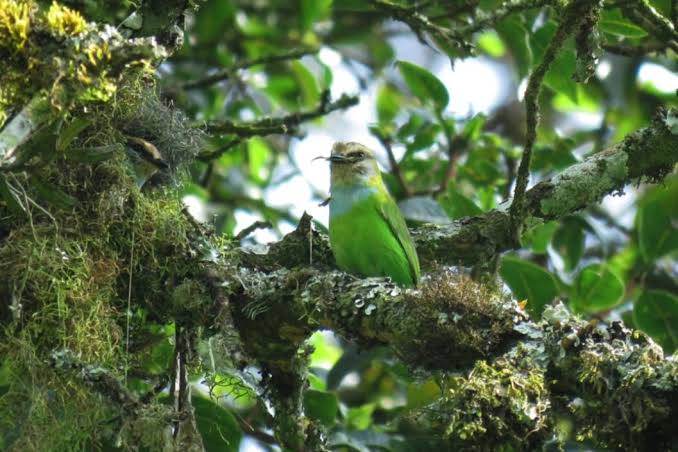
It belongs to the broadbill family, a small group of colorful birds known for their distinctive wide bills, compact bodies, and secretive behavior. Unlike many brightly colored tropical birds, the African Green Broadbill relies on its green plumage for camouflage among dense forest vegetation.
The bird measures approximately 13 to 14 centimeters in length and has bright emerald-green feathers, a broad pale bill, dark eyes, and subtle markings that help it blend into the forest canopy. Because of its quiet nature and preference for thick vegetation, spotting one often requires patience and an experienced guide.
The opportunity to observe the African Green Broadbill Bwindi population makes the park one of Africa’s premier birdwatching destinations.
Why Bwindi Is Famous for the African Green Broadbill
Bwindi Impenetrable National Park provides ideal habitat for this rare species.
The park’s ancient montane rainforest contains dense vegetation, bamboo zones, moist valleys, and high-altitude forests that support a wide range of endemic wildlife. These habitats offer abundant food sources, nesting sites, and protection from predators.
Bwindi also supports more than 350 bird species, including over 20 Albertine Rift endemics. Among these, the African Green Broadbill remains one of the most prized sightings because of its rarity and restricted distribution.
For many birdwatchers, seeing the African Green Broadbill Bwindi population represents the highlight of their Ugandan safari.
Best Place to See the African Green Broadbill
The Ruhija sector of Bwindi is widely regarded as the best location.
In particular, the famous Mubwindi Swamp Trail has earned an international reputation for offering the highest probability of observing this species. The trail passes through bamboo forest, swamp vegetation, and mature rainforest, creating the specialized habitat preferred by the African green broadbill.
Although sightings are never guaranteed, experienced bird guides frequently locate individuals along this trail by recognizing their calls and preferred feeding areas.
Most serious birdwatchers visiting Bwindi include Mubwindi Swamp in their itinerary.
Best Time to Look for the African Green Broadbill
The bird can be observed throughout the year.
However, the relatively dry seasons from June to August and December to February usually provide better trail conditions and easier access to birding areas. During the breeding season, birds often become more vocal, increasing opportunities for detection.
Early morning offers the highest level of bird activity. Beginning birding walks shortly after sunrise significantly improves the chances of locating the African Green Broadbill before forest temperatures rise.
Birding with an Experienced Guide
Professional bird guides greatly increase your chances of success.
The African Green Broadbill is naturally shy and spends much of its time hidden within dense vegetation. Experienced local guides know the bird’s preferred territories, recognize its vocalizations, and understand seasonal movement patterns.
Many successful sightings occur because guides identify faint calls that inexperienced visitors would easily overlook.
Hiring an experienced guide is strongly recommended for anyone hoping to observe the African Green Broadbill Bwindi population.
Other Albertine Rift Endemic Birds
Searching for the African Green Broadbill often leads to encounters with many other remarkable birds.
Species commonly recorded during birding excursions include the Regal Sunbird, Handsome Francolin, Shelley’s Crimsonwing, Strange Weaver, Purple-breasted Sunbird, Rwenzori Batis, Archer’s Robin-Chat, Red-throated Alethe, Grauer’s Rush Warbler, and Mountain Masked Apalis.
These species make every birding excursion highly rewarding, even if the African Green Broadbill remains elusive.
Photography Tips
Photographing the African Green Broadbill presents a rewarding challenge.
The bird usually occupies dimly lit forest environments where natural light changes quickly. A telephoto lens, fast shutter speed, image stabilization, and high ISO settings often improve image quality under these conditions. Remaining quiet and minimizing movement also helps avoid disturbing the bird.
Patience is essential because opportunities may appear only briefly before the bird disappears into dense foliage.
Conservation Status
The African Green Broadbill has a limited geographic range.
Habitat protection within Bwindi Impenetrable National Park plays a crucial role in safeguarding its future. Sustainable tourism, responsible birdwatching, scientific research, and community conservation programs all contribute to preserving the species and its rainforest habitat.
Visitors who participate in responsible birding directly support these conservation efforts through park entrance fees and local guide services.
Combining Birding with Gorilla Trekking
Many travelers combine birdwatching with mountain gorilla trekking.
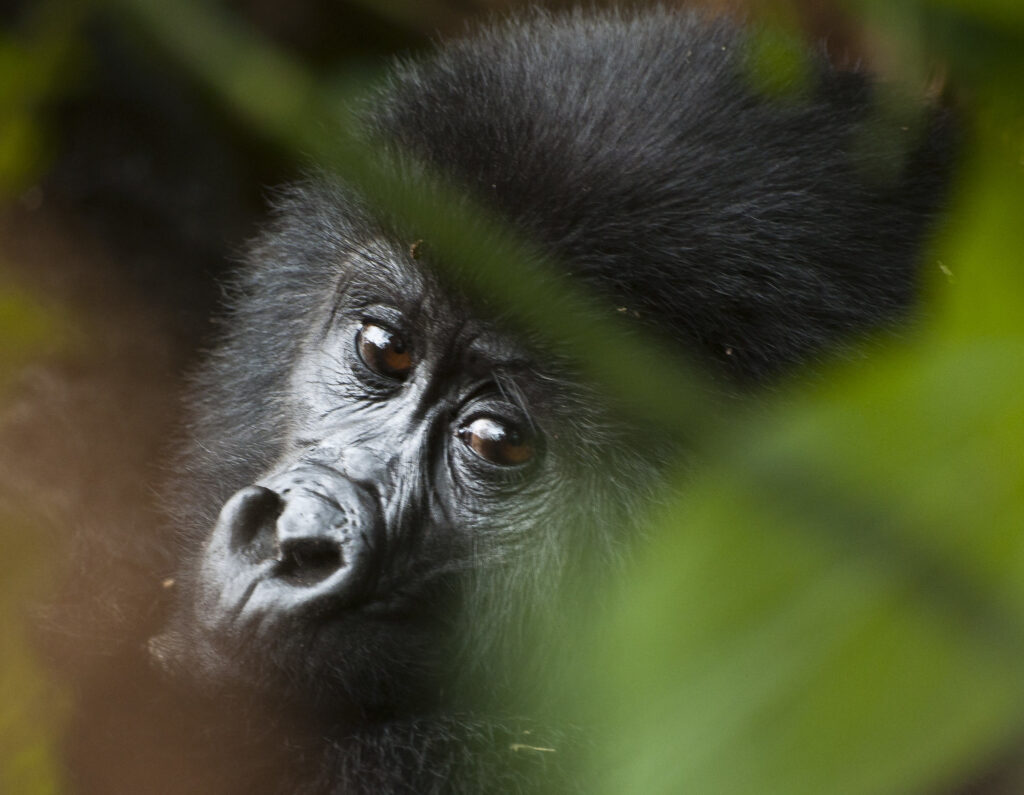
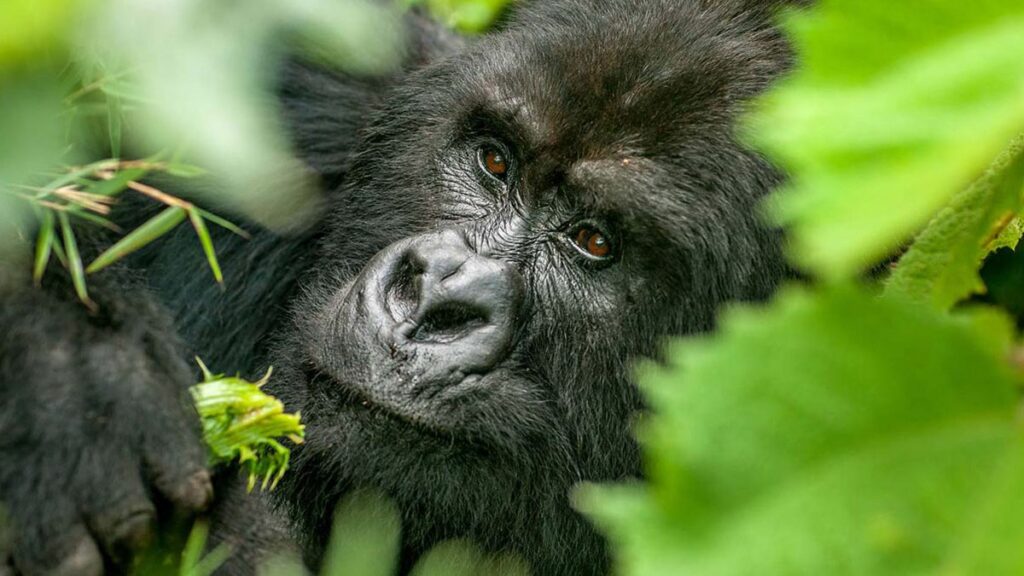
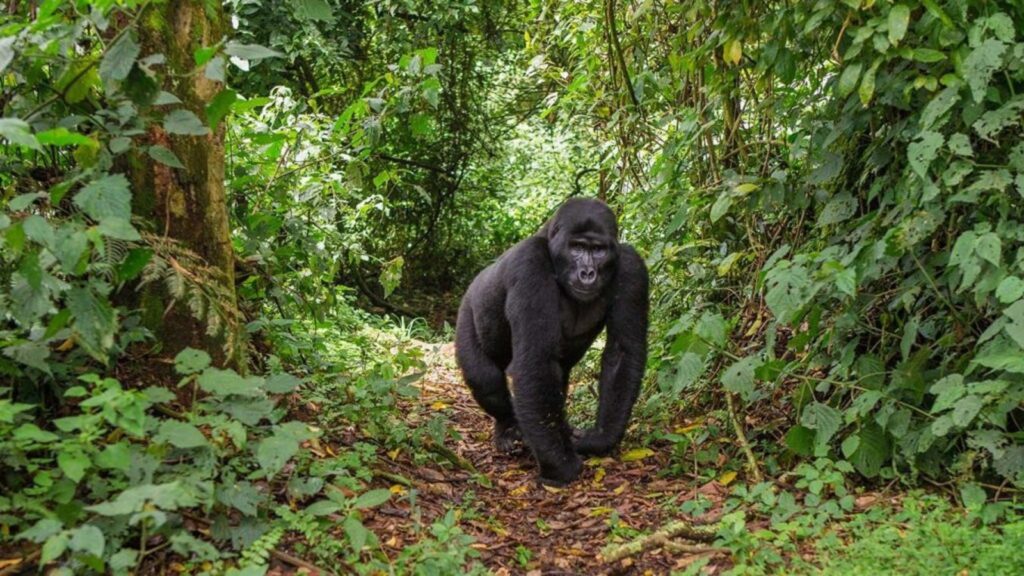
Bwindi offers one of the few places on Earth where visitors can observe both endangered mountain gorillas and rare Albertine Rift endemic birds during the same safari. Spending several days in the park allows sufficient time for gorilla trekking while exploring different birding trails.
This combination creates one of Africa’s most rewarding wildlife holidays.
Conclusion
The African Green Broadbill Bwindi experience remains one of the greatest highlights for birdwatchers visiting Uganda. With its restricted distribution, beautiful emerald-green plumage, and elusive behavior, this remarkable bird attracts enthusiasts from around the world to Bwindi Impenetrable National Park.
Whether you are an experienced birder or simply appreciate rare wildlife, searching for the African Green Broadbill alongside mountain gorillas offers an unforgettable adventure. Supported by expert guides and protected through successful conservation efforts, Bwindi continues to provide one of the world’s finest opportunities to encounter this extraordinary forest species.