Birding Bwindi Impenetrable Forest: Complete Guide to Uganda’s Premier Birdwatching Destination
Birding Bwindi Impenetrable Forest is one of the most rewarding wildlife experiences in Africa. While the national park is internationally famous for mountain gorilla trekking, it is also recognized as one of the continent’s finest birdwatching destinations. Hidden within its ancient rainforest are hundreds of bird species, including numerous Albertine Rift endemics that attract birders from around the world.
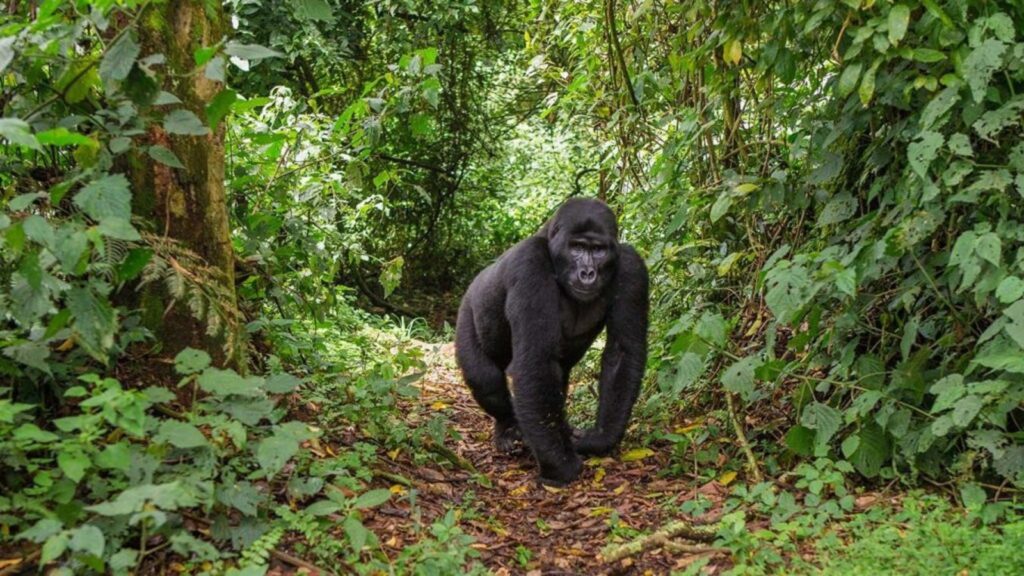
Located in southwestern Uganda, Bwindi Impenetrable National Park covers approximately 331 square kilometers of dense montane and lowland rainforest. The park’s diverse habitats, varying altitudes, and year-round vegetation create ideal conditions for an extraordinary variety of birds. Whether you are an experienced birder with a long life list or a beginner exploring East Africa’s wildlife for the first time, Bwindi offers unforgettable birding opportunities.
Many visitors combine birdwatching with gorilla trekking, making Bwindi one of Uganda’s most complete safari destinations.
Why Bwindi Is a Birdwatching Paradise
Bwindi is recognized as one of Africa’s richest forest bird habitats.
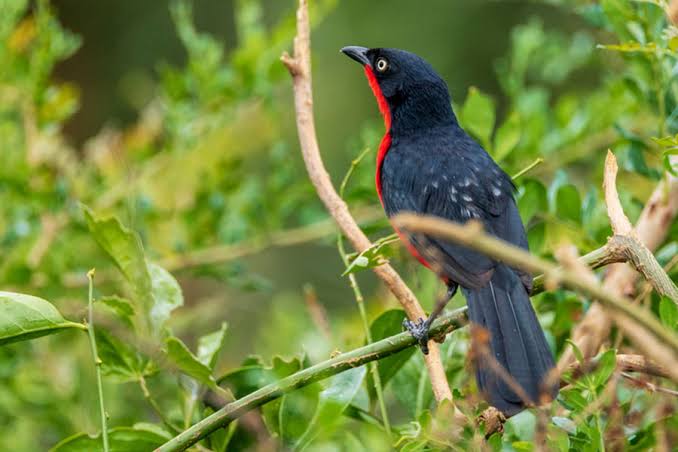
The park supports more than 350 recorded bird species, including over 20 Albertine Rift endemic species found in only a few locations across East and Central Africa. Its combination of tropical rainforest, bamboo zones, swampy valleys, and montane forests creates habitats for both resident and migratory birds.
The varied landscape means birdwatchers can encounter different species throughout a single day’s walk, making birding Bwindi Impenetrable Forest exceptionally rewarding.
Albertine Rift Endemic Birds
One of Bwindi’s greatest attractions is its remarkable collection of Albertine Rift endemics.
Bird enthusiasts travel from around the world hoping to observe species such as the African Green Broadbill, Grauer’s Rush Warbler, Regal Sunbird, Shelley’s Crimsonwing, Handsome Francolin, Strange Weaver, Rwenzori Batis, Red-throated Alethe, Archer’s Robin-Chat, and Purple-breasted Sunbird.
These rare birds are among the highlights of birding Bwindi Impenetrable Forest and contribute significantly to the park’s international conservation importance.
Best Birding Trails
Several well-established trails provide excellent birdwatching opportunities.
The Mubwindi Swamp Trail in the Ruhija sector is widely regarded as Bwindi’s premier birding route. It offers excellent chances of observing many Albertine Rift endemics while passing through bamboo forest, wetlands, and dense rainforest.
The Buhoma area also features outstanding birding along the Waterfall Trail, Munyanga River Trail, and Ivy River Trail. Rushaga and Nkuringo provide quieter birding routes with impressive forest diversity and fewer visitors.
Each trail offers unique opportunities for birding Bwindi Impenetrable Forest.
Best Time for Birdwatching
Birdwatching is possible throughout the year.
The drier seasons, from June to August and December to February, generally provide easier hiking conditions and improved trail accessibility. However, the wetter months often coincide with breeding activity, increased bird vocalization, and the arrival of migratory species, creating excellent opportunities for photography and species identification.
Because forest weather changes quickly, birders should prepare for occasional rainfall regardless of the season.
Birding with Professional Guides
Hiring an experienced bird guide greatly improves your chances of finding rare species.
Local guides possess exceptional knowledge of bird calls, nesting areas, feeding behavior, and preferred habitats. Their ability to identify birds by sound alone often leads visitors to species that would otherwise remain hidden in the dense forest.
Professional guiding significantly enhances the overall birding experience in Bwindi Impenetrable Forest.
Other Wildlife During Birding
Birdwatching in Bwindi offers much more than birds alone.
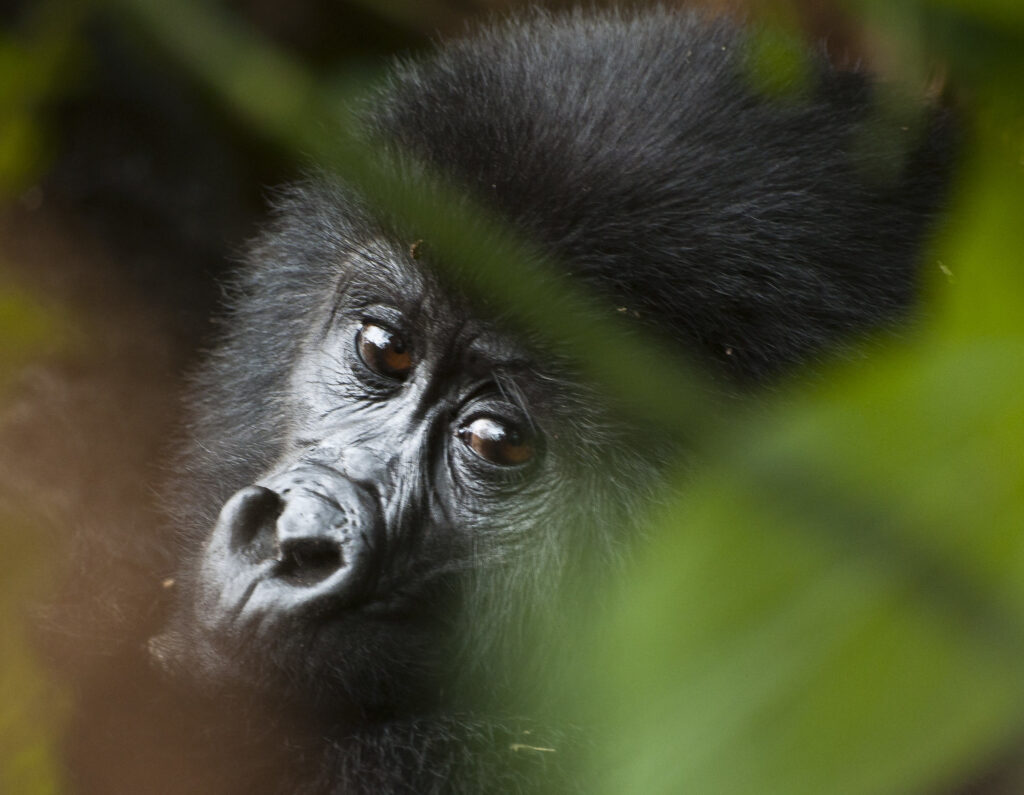
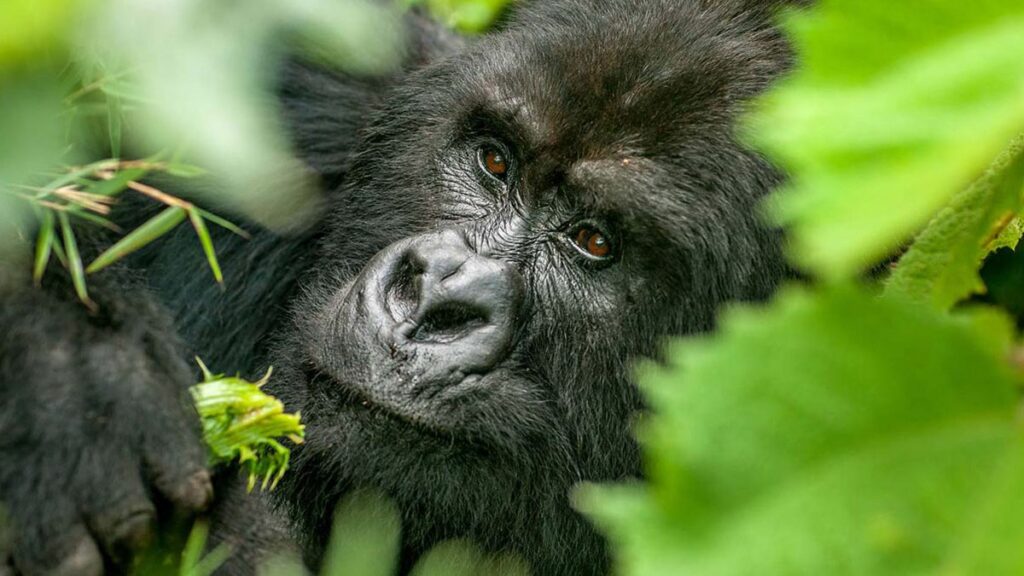
Visitors frequently encounter black-and-white colobus monkeys, L’Hoest’s monkeys, blue monkeys, forest elephants, giant forest hogs, colorful butterflies, reptiles, and countless plant species. Although mountain gorillas are primarily observed during dedicated trekking activities, birders occasionally encounter gorilla families while exploring the forest.
These unexpected wildlife sightings add excitement to every birding excursion.
Essential Birding Equipment
Proper equipment helps maximize your birdwatching experience.
High-quality binoculars remain the most important item, while a spotting scope can be useful in open areas. Bird field guides, waterproof notebooks, cameras with telephoto lenses, lightweight rain jackets, hiking boots, insect repellent, hats, drinking water, and small backpacks also contribute to a comfortable day in the forest.
Preparing well allows birders to focus entirely on observing wildlife.
Combining Birding with Gorilla Trekking
Many visitors combine birdwatching and gorilla trekking within the same itinerary.
After spending one day trekking mountain gorillas, travelers often dedicate additional days to birdwatching throughout the different sectors of the park. This combination provides one of Africa’s richest wildlife experiences while making efficient use of travel time.
For nature enthusiasts, combining these activities creates the ultimate Bwindi safari.
Conservation and Responsible Birding
Birdwatching directly supports conservation.
Park entrance fees, birding permits, guide services, and tourism revenue contribute to habitat protection, anti-poaching patrols, scientific research, and community development around Bwindi Impenetrable National Park. Responsible birders also help minimize disturbance by remaining on designated trails, avoiding excessive playback of bird calls, and respecting wildlife at all times.
Sustainable tourism continues to protect Bwindi’s extraordinary biodiversity.
Tips for First-Time Birders
Visitors planning their first birding safari should begin early each morning, when bird activity is at its highest.
Wear earth-toned clothing, move quietly through the forest, listen carefully for bird calls, and remain patient when searching for elusive forest species. Allow several days for birdwatching because different trails and weather conditions often reveal different species.
The more time you spend in the forest, the greater your chances of observing rare birds.
Conclusion
Birding Bwindi Impenetrable Forest offers one of Africa’s most remarkable birdwatching experiences. With more than 350 bird species, exceptional Albertine Rift endemics, experienced local guides, diverse habitats, and breathtaking rainforest scenery, Bwindi continues to attract bird enthusiasts from around the world.
Whether you combine birdwatching with gorilla trekking or visit specifically for birds, Bwindi Impenetrable National Park provides unforgettable encounters with some of Africa’s rarest and most beautiful forest birds while supporting one of the continent’s most successful conservation stories.