Gorilla Trekking Biology Lesson Plan: Teaching Life Science Through Mountain Gorilla Conservation
Biology helps students understand living organisms, their environments, and the complex relationships that support life on Earth. While textbooks provide important scientific knowledge, real-world examples often make biological concepts easier to understand and remember. A gorilla trekking biology lesson plan offers an engaging way to teach life science by using mountain gorillas as a living example of genetics, adaptation, ecology, behavior, and conservation.
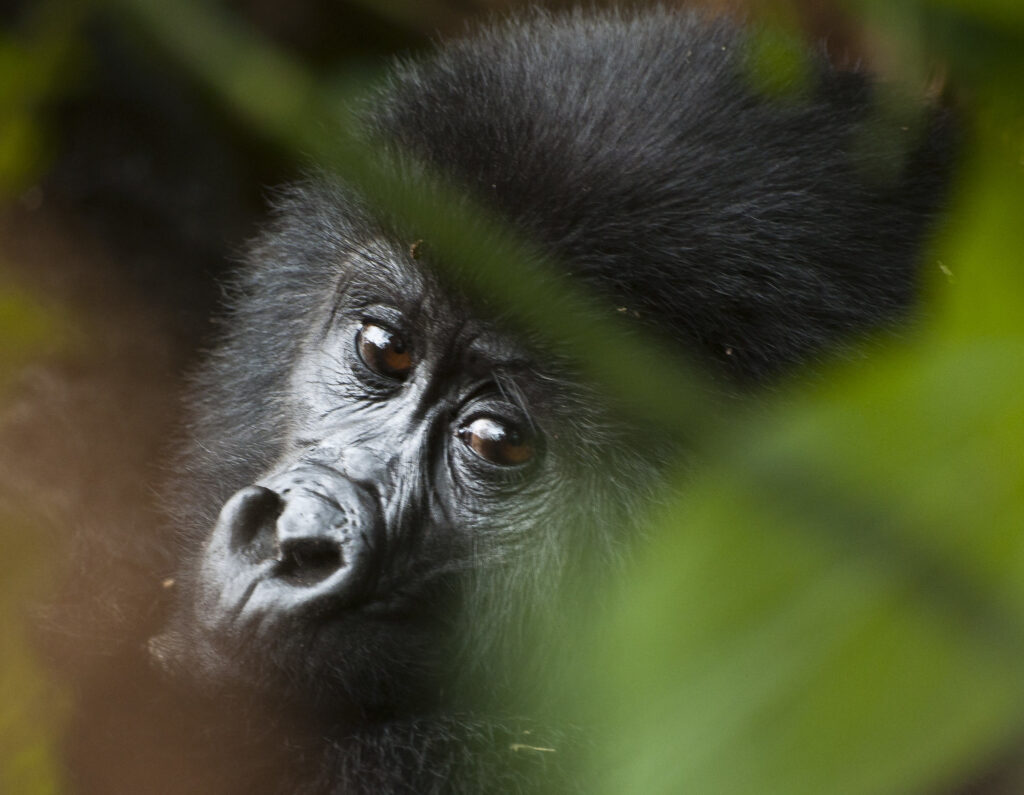
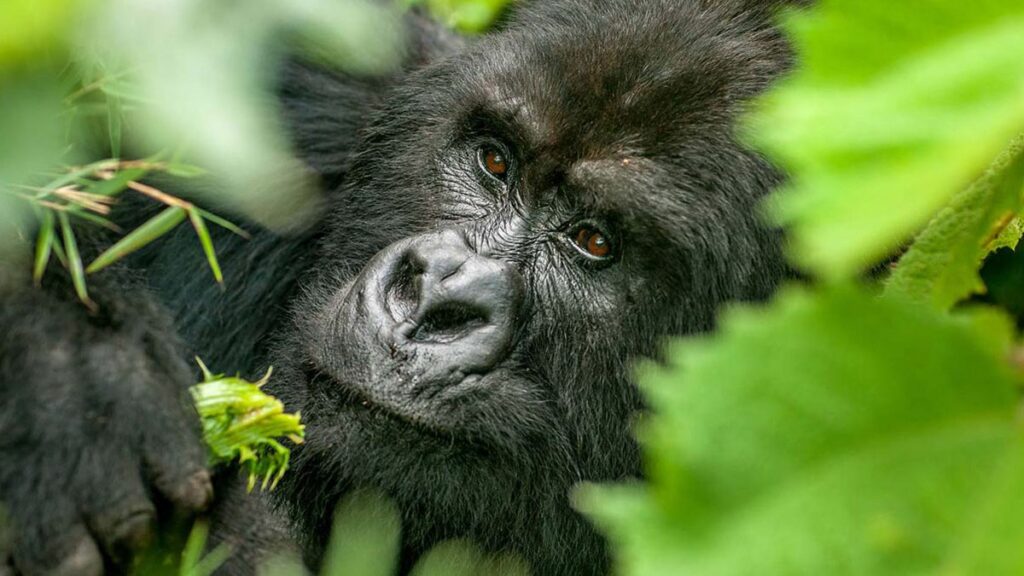
Mountain gorillas are among the most fascinating primates in the world. Their close genetic relationship with humans, complex social structures, and unique adaptations to mountain forests make them excellent subjects for biological study. Through gorilla trekking and conservation programs, students can explore a wide range of biological concepts while learning about one of Africa’s most endangered wildlife species.
A biology lesson centered on mountain gorillas not only strengthens scientific understanding but also encourages environmental awareness and conservation responsibility.
Understanding the Purpose of a Gorilla Trekking Biology Lesson Plan
A gorilla trekking biology lesson plan uses mountain gorillas and their natural habitats as a framework for teaching key biological principles. The lesson connects classroom science with real conservation efforts taking place in Uganda, Rwanda, and the Democratic Republic of Congo.
Students investigate how gorillas survive in their environment, interact within family groups, reproduce, obtain food, and adapt to changing conditions. These observations help learners understand biological concepts in a practical and meaningful context.
The lesson can support curriculum topics such as animal classification, ecosystems, evolution, genetics, adaptation, biodiversity, and conservation biology. By focusing on a well-known and charismatic species, educators can maintain student interest while covering important scientific content.
This approach transforms biology from a theoretical subject into a dynamic exploration of life in the natural world.
Classification of Mountain Gorillas
Animal classification serves as an excellent starting point for a gorilla trekking biology lesson plan. Students learn how scientists organize living organisms into different taxonomic groups based on shared characteristics.
Mountain gorillas belong to the animal kingdom, the mammal class, the primate order, and the great ape family. Their scientific name is *Gorilla beringei beringei*. Understanding this classification helps students recognize how gorillas relate to other animals and why scientists group organisms according to evolutionary relationships.
The classification process introduces learners to scientific naming systems and biological diversity. Students can compare gorillas with humans, chimpanzees, and other primates to identify similarities and differences.
This activity provides a strong foundation for deeper biological exploration.
Genetics and Human Connections
One of the most interesting aspects of a gorilla trekking biology lesson plan involves genetics. Mountain gorillas share approximately ninety-eight percent of their DNA with humans, making them one of our closest living relatives.
Students can explore how genetic similarities influence physical traits, behavior, and biological functions. Lessons may examine inheritance, chromosomes, DNA structure, and evolutionary relationships.
The genetic connection between humans and gorillas helps students understand broader concepts related to evolution and common ancestry. It also encourages discussions about the importance of protecting species that share significant biological connections with humanity.
Genetics provides a powerful example of how biology reveals relationships among living organisms.
Adaptations for Survival
Adaptation represents a key topic within a gorilla trekking biology lesson plan because mountain gorillas possess several traits that help them survive in high-altitude forest environments.
Their strong limbs allow them to move efficiently through rugged terrain, while their thick fur helps protect them from cool mountain temperatures. Powerful jaws and large teeth enable them to consume vegetation that forms the majority of their diet.
Students can examine how physical and behavioral adaptations increase survival and reproductive success. Comparing gorilla adaptations with those of other species helps learners understand how organisms respond to environmental challenges.
Adaptation studies provide valuable insights into natural selection and evolutionary processes.
Gorilla Diet and Nutrition
Nutrition offers another important component of a gorilla trekking biology lesson plan. Mountain gorillas primarily consume leaves, shoots, stems, fruits, and other plant materials found within their forest habitats.
Students can investigate food chains, energy flow, digestive systems, and the nutritional requirements of herbivores. Lessons may also explore how gorilla feeding behavior influences forest ecosystems through seed dispersal and vegetation management.
Studying gorilla diets helps learners understand the relationship between organisms and their food sources. It also demonstrates how environmental changes can affect wildlife survival.
Nutrition lessons connect biology with ecology and ecosystem functioning.
Social Behavior and Family Structure
Mountain gorillas display complex social behavior, making them ideal subjects for behavioral biology studies within a gorilla trekking biology lesson plan. Gorilla families typically consist of a dominant silverback, adult females, juveniles, and infants.
Students can observe how gorillas communicate, cooperate, care for offspring, and establish social hierarchies. Lessons may examine leadership roles, conflict resolution, parental care, and group dynamics.
Behavioral studies help students understand that survival often depends on social interactions as well as physical adaptations. They also reveal similarities between gorilla and human family structures.
This topic encourages critical thinking about the role of behavior in biological success.
Habitat and Ecosystems
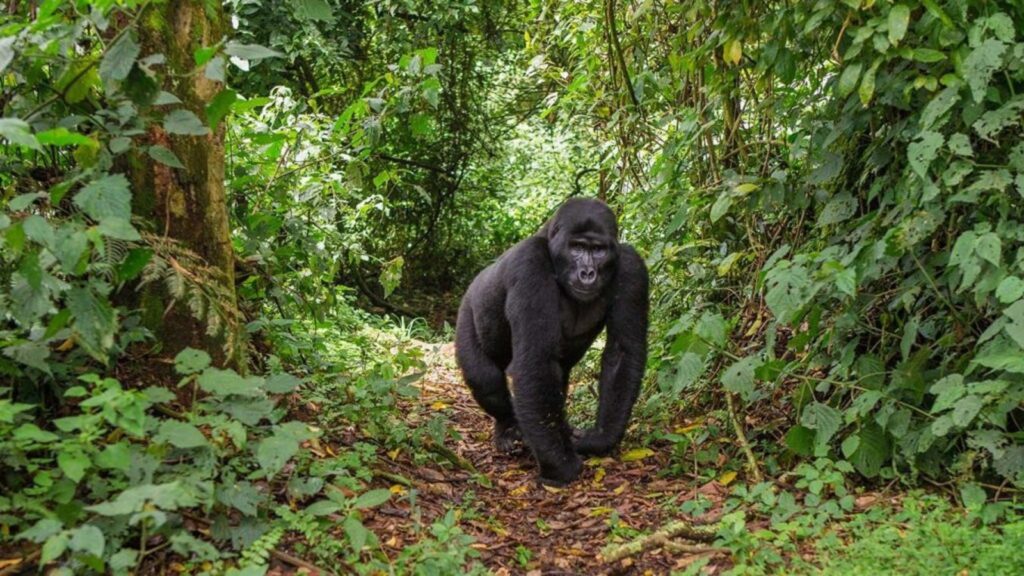
The habitat of mountain gorillas provides an excellent opportunity to teach ecological concepts within a gorilla trekking biology lesson plan. Mountain gorillas inhabit tropical forests located in high-altitude regions of East and Central Africa.
Students can examine ecosystems, biodiversity, ecological niches, and species interactions. Lessons may focus on how plants, animals, climate, and environmental conditions work together to support life.
Understanding gorilla habitats helps learners appreciate the complexity of ecosystems and the importance of environmental balance. It also highlights the consequences of habitat loss and environmental degradation.
Ecology serves as a natural extension of biological study.
Conservation Biology and Endangered Species
Conservation biology forms one of the most meaningful sections of a gorilla trekking biology lesson plan. Mountain gorillas are classified as endangered, and their survival depends on ongoing conservation efforts.
Students can investigate threats such as habitat destruction, disease transmission, poaching, and climate change. They can also explore how governments, conservation organizations, researchers, and local communities work together to protect gorilla populations.
This topic demonstrates how biological knowledge contributes directly to wildlife management and species recovery. It also helps students understand the role of science in solving environmental challenges.
Conservation lessons encourage responsibility and environmental stewardship.
Scientific Research and Field Studies
Scientific research plays a major role in gorilla conservation and offers valuable learning opportunities within a gorilla trekking biology lesson plan. Researchers conduct field studies to monitor gorilla health, behavior, population trends, and habitat conditions.
Students can learn about scientific observation, data collection, hypothesis testing, and research methods. Field studies demonstrate how scientists gather evidence to make informed conservation decisions.
Analyzing real-world research projects helps students develop critical thinking and scientific literacy. It also introduces potential careers in biology, conservation, and environmental science.
Research-based learning strengthens understanding of the scientific process.
Classroom Activities for Biology Learning
Educators can support a gorilla trekking biology lesson plan through a variety of interactive activities. Students may create food web diagrams, analyze gorilla family structures, compare DNA similarities among primates, or map gorilla habitats.
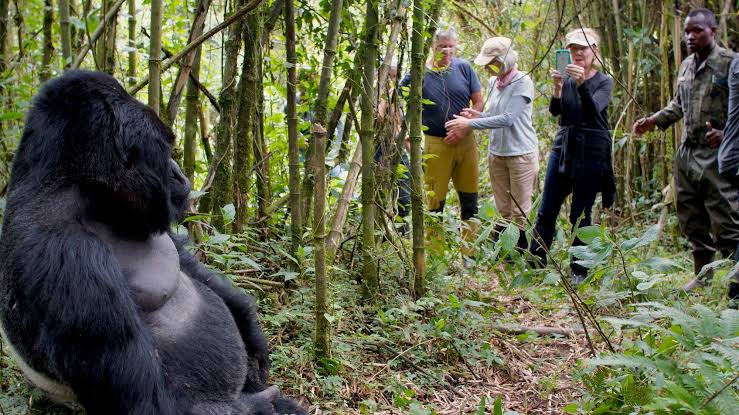
Group projects, presentations, scientific investigations, and conservation discussions encourage active participation. Visual resources such as photographs, videos, and virtual gorilla trekking experiences help bring biological concepts to life.
These activities reinforce learning objectives while making science more engaging and accessible.
Interactive lessons often lead to greater student interest and knowledge retention.
Educational Benefits of Gorilla Biology Lessons
A gorilla trekking biology lesson plan offers benefits that extend beyond scientific knowledge. Students strengthen observation skills, analytical thinking, problem-solving abilities, and environmental awareness.
The lesson demonstrates how biological concepts apply to real-world situations and highlights the importance of evidence-based decision-making. It also encourages appreciation for biodiversity and wildlife conservation.
Because mountain gorillas capture students’ attention and curiosity, they provide an effective platform for teaching complex biological concepts in an understandable manner.
The combination of science and conservation creates a powerful educational experience.
Conclusion
A gorilla trekking biology lesson plan provides an engaging and scientifically rich approach to teaching life science. Through the study of mountain gorillas, students explore genetics, adaptation, ecology, behavior, nutrition, conservation, and scientific research within a real-world context.
The lesson helps learners understand how biological systems function while developing a deeper appreciation for wildlife and environmental protection. By connecting classroom learning with conservation efforts, educators create meaningful experiences that inspire curiosity and scientific thinking.
Mountain gorillas offer one of the most compelling examples of biology in action, making them an ideal focus for life science education.