Gorilla Conservation Science Fair: Inspiring Students Through Wildlife Research and Environmental Protection
Science fairs provide students with valuable opportunities to explore scientific questions, conduct research, and develop problem-solving skills. Choosing a meaningful topic can make the learning experience even more rewarding. A gorilla conservation science fair project combines biology, ecology, environmental science, geography, and conservation into a subject that is both educational and globally important.
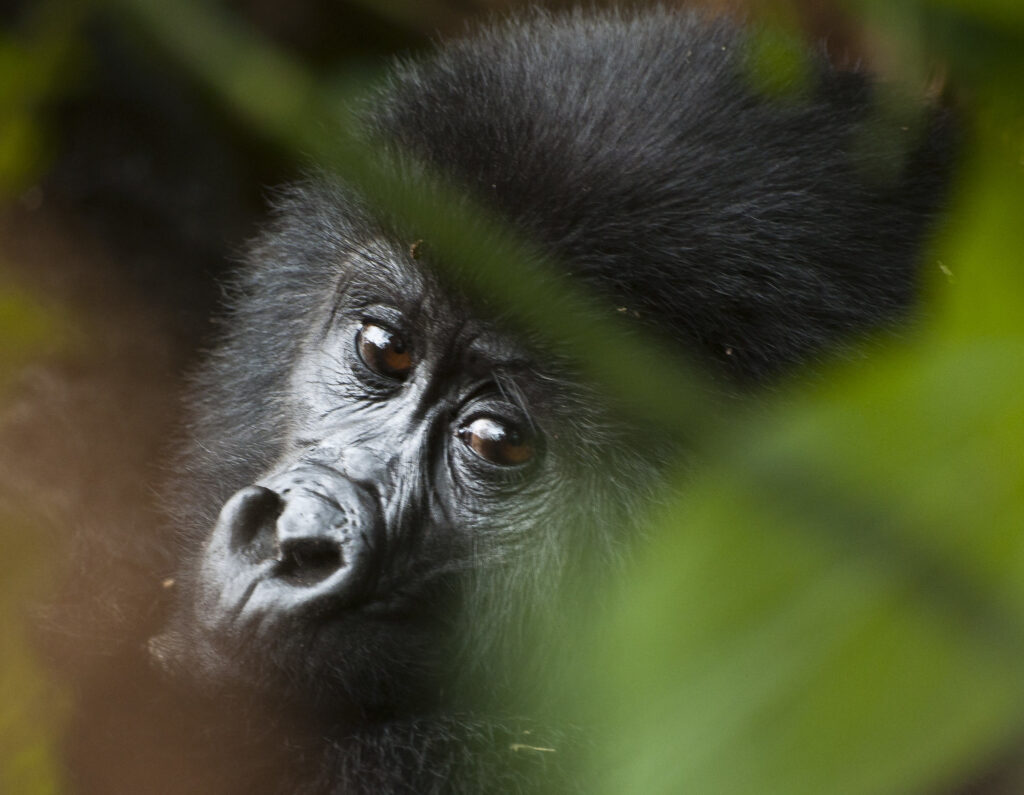
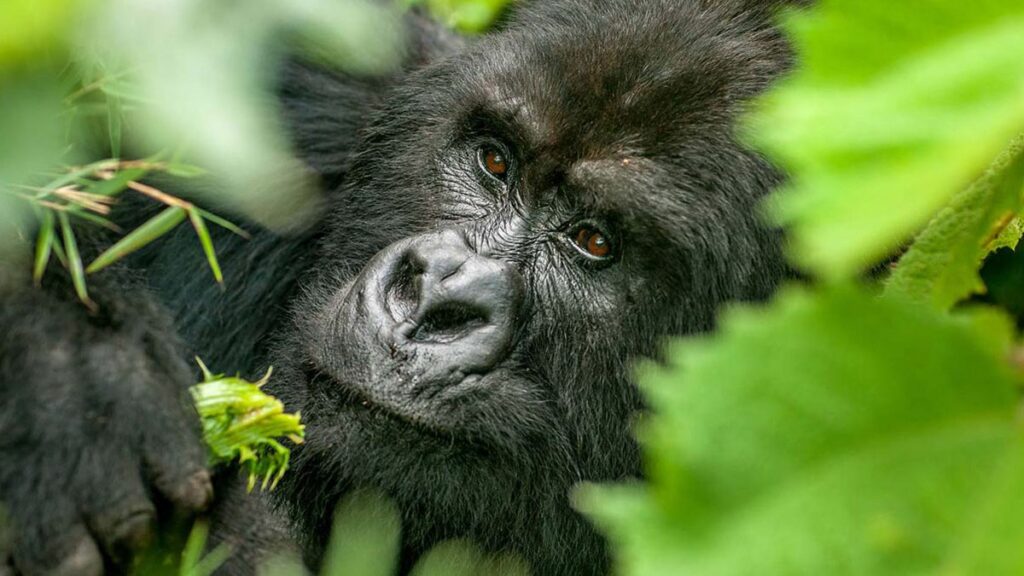
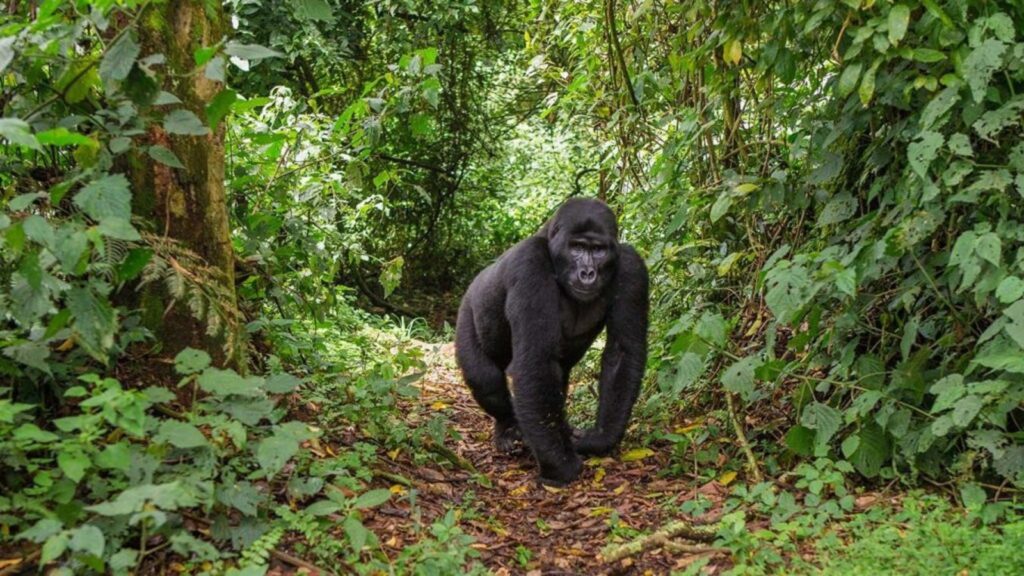
Mountain gorillas are among the world’s most endangered primates. They live in the forests of Uganda, Rwanda, and the Democratic Republic of Congo, where conservation organizations work tirelessly to protect them from habitat loss, disease, poaching, and other threats. These conservation efforts offer excellent opportunities for students to investigate scientific concepts while learning about wildlife protection.
By focusing on mountain gorillas, students can develop research skills, improve scientific understanding, and gain a deeper appreciation for conservation challenges facing endangered species around the world.
What Is a Gorilla Conservation Science Fair Project?
A gorilla conservation science fair project uses mountain gorillas and wildlife protection efforts as the basis for scientific investigation. Students explore questions related to gorilla biology, habitat conservation, population recovery, ecosystem management, or environmental sustainability.
The project may involve data analysis, observation, model creation, experiments, literature reviews, or conservation case studies. Students often examine how scientific research contributes to the protection of endangered species and how conservation programs address environmental challenges.
Unlike many classroom assignments, science fair projects encourage independent investigation and critical thinking. Students learn how scientists gather evidence, analyze findings, and present conclusions.
The topic provides an excellent balance between scientific inquiry and real-world relevance.
Why Mountain Gorillas Make an Excellent Science Fair Topic
The popularity of the gorilla conservation science fair topic comes from the unique characteristics of mountain gorillas and the conservation success stories associated with their protection.
Mountain gorillas share approximately ninety-eight percent of their DNA with humans, making them one of our closest living relatives. Their behavior, social structures, and communication patterns provide fascinating opportunities for biological study.
At the same time, conservation programs have helped increase mountain gorilla populations despite significant environmental pressures. This recovery story demonstrates how science, conservation, policy, and community involvement can work together to protect endangered wildlife.
Students can therefore explore a wide range of scientific disciplines through a single conservation-focused topic.
Understanding Mountain Gorilla Conservation
A strong gorilla conservation science fair project begins with understanding the challenges facing mountain gorillas and the efforts used to protect them.
Conservation programs focus on habitat protection, anti-poaching patrols, veterinary care, scientific research, community engagement, and sustainable tourism. These strategies help reduce threats while supporting population growth.
Students can investigate how conservation organizations monitor gorilla families, manage protected areas, and work with local communities. Understanding these efforts provides valuable context for scientific research and project development.
The study of conservation also highlights the importance of long-term planning and evidence-based decision-making.
Exploring Gorilla Habitats and Ecosystems
Habitat protection remains a central theme in many gorilla conservation science fair projects. Mountain gorillas depend on healthy forests that provide food, shelter, and suitable environmental conditions.
Students can study rainforest ecosystems, biodiversity, food webs, and ecological relationships. Projects may examine how deforestation affects wildlife populations or how protected areas contribute to ecosystem stability.
Understanding habitat requirements helps students appreciate the complexity of conservation planning. It also demonstrates how environmental changes can influence species survival.
Habitat-focused projects often connect biology with environmental science and geography.
Population Growth and Scientific Monitoring
Population monitoring offers another excellent topic for a gorilla conservation science fair project. Scientists regularly conduct surveys to estimate mountain gorilla numbers and assess population trends.
Students can analyze historical population data and examine how conservation programs have influenced recovery efforts. Graphs, charts, and statistical analysis help illustrate population changes over time.
This approach introduces mathematical concepts while strengthening scientific reasoning skills. Students learn how researchers use data to evaluate conservation success and guide future management decisions.
Population studies demonstrate the practical value of scientific monitoring in wildlife conservation.
Human Impact on Gorilla Conservation
Human activities play a significant role in mountain gorilla conservation, making this an important area of study within a gorilla conservation science fair project.
Students can investigate how agriculture, settlement expansion, tourism, disease transmission, and resource use affect gorilla habitats. They may also examine positive human contributions such as conservation funding, community education, and sustainable tourism programs.
Understanding human-environment interactions helps students recognize the challenges involved in balancing development and conservation goals.
This topic encourages critical thinking about environmental responsibility and sustainable resource management.
The Role of Science in Gorilla Protection
Science serves as the foundation of modern conservation efforts and provides valuable inspiration for a gorilla conservation science fair project. Researchers use biological studies, genetic analysis, veterinary medicine, and ecological monitoring to support conservation decisions.
Students can explore how scientists track gorilla health, identify disease risks, and monitor habitat conditions. They may also examine technologies such as GPS tracking, camera traps, and geographic information systems.
These examples demonstrate how scientific research directly contributes to wildlife protection and conservation planning.
The topic also highlights career opportunities within biology, ecology, and environmental science.
Sustainable Tourism and Conservation Success
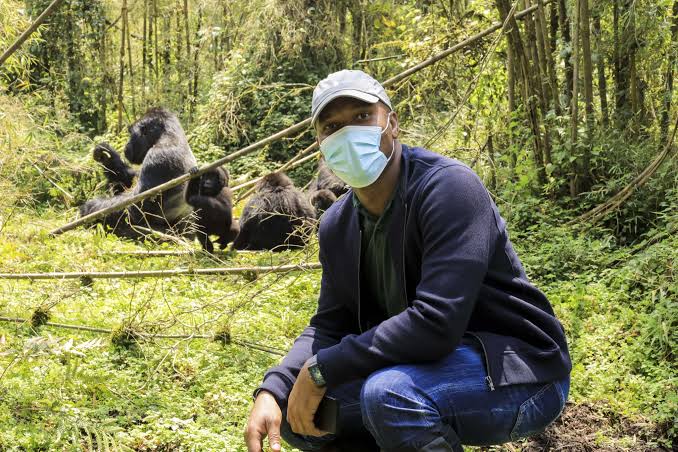
Gorilla trekking tourism provides an interesting subject for a gorilla conservation science fair project because it combines economics, conservation, and environmental management.
Revenue generated through gorilla permits supports park management, community projects, ranger salaries, and conservation initiatives. Students can examine how tourism contributes to wildlife protection while creating economic benefits for local communities.
Researching sustainable tourism helps students understand how responsible travel can support conservation objectives. It also demonstrates the importance of balancing visitor experiences with environmental protection.
Tourism serves as a practical example of conservation in action.
Designing a Science Fair Presentation
A successful gorilla conservation science fair project requires clear organization and effective presentation. Students should begin with a focused research question and gather reliable information from credible sources.
The display should explain the scientific problem, research methods, findings, and conclusions in a logical format. Visual elements such as maps, graphs, photographs, and diagrams help communicate information effectively.
A strong presentation demonstrates understanding of both scientific concepts and conservation issues. It should encourage viewers to think about the importance of protecting endangered species.
Good communication skills are just as important as scientific knowledge during science fair competitions.
Educational Benefits for Students
Participating in a gorilla conservation science fair project provides numerous educational benefits. Students develop research skills, scientific literacy, critical thinking abilities, and environmental awareness.
The project encourages independent learning while introducing real-world conservation challenges. Students gain experience interpreting data, evaluating evidence, and communicating scientific information.
The topic also fosters appreciation for biodiversity and global conservation efforts. By studying mountain gorillas, students learn how science contributes to solving environmental problems.
These experiences support both academic growth and personal development.
Why Gorilla Conservation Matters
The importance of a gorilla conservation science fair project extends beyond the classroom. Mountain gorillas represent one of the world’s most significant conservation success stories, yet challenges remain.
Protecting gorillas also protects forests, biodiversity, and ecosystem services that benefit both wildlife and people. Conservation efforts demonstrate how international cooperation, scientific research, and community involvement can create positive environmental outcomes.
Students who study these topics gain valuable insights into the role they can play in protecting the natural world.
The lessons learned through conservation science remain relevant throughout life.
Conclusion
A gorilla conservation science fair project offers an engaging and meaningful way for students to explore biology, ecology, environmental science, and wildlife conservation. Through the study of mountain gorillas, learners investigate real-world challenges while developing important scientific and analytical skills.
The topic connects classroom learning with practical conservation efforts and demonstrates how science contributes to protecting endangered species. Students gain a deeper understanding of ecosystems, biodiversity, and sustainable environmental management.
By choosing mountain gorilla conservation as a science fair topic, students not only strengthen their scientific knowledge but also develop a greater appreciation for the importance of protecting wildlife and natural habitats.