Plant a Tree Gorilla Trekking: Supporting Conservation in Uganda and Rwanda
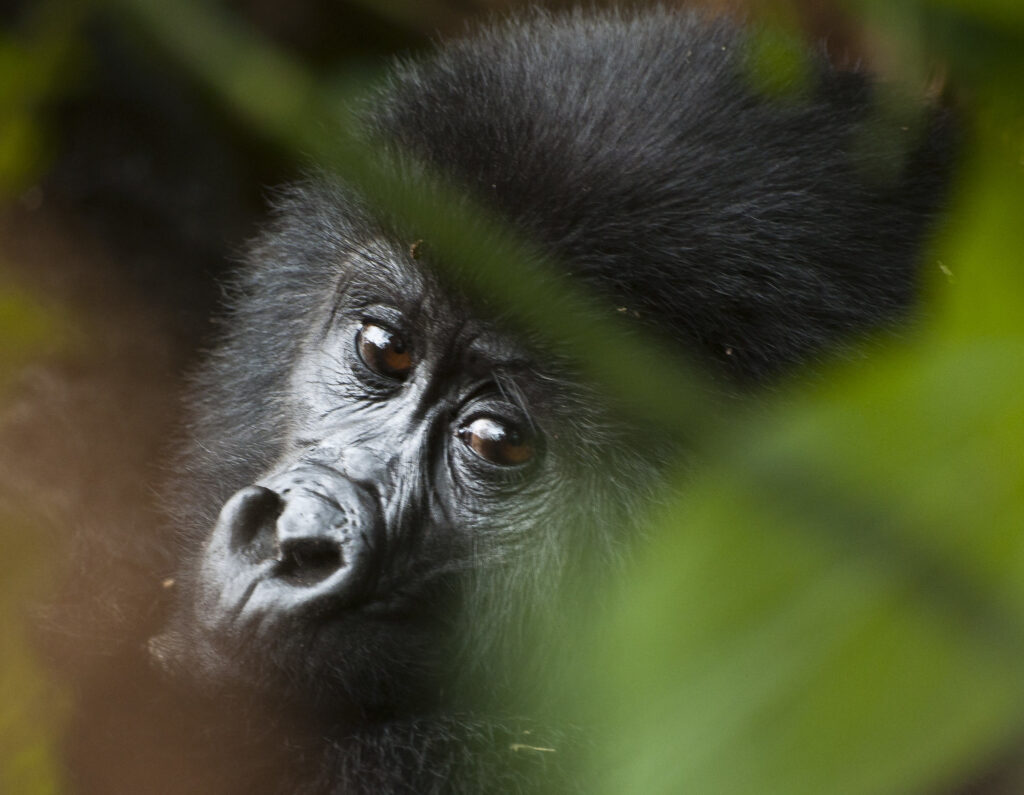
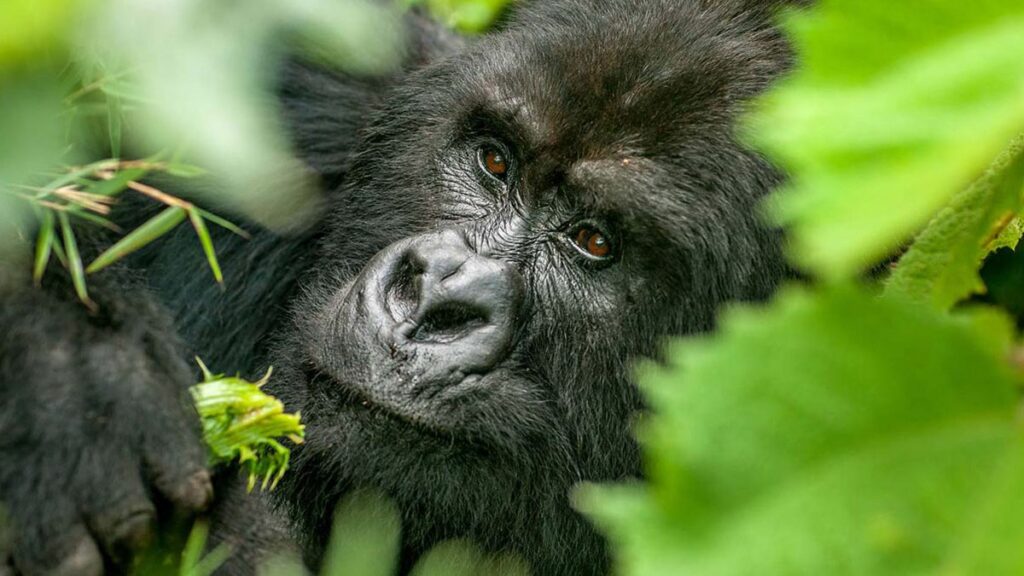
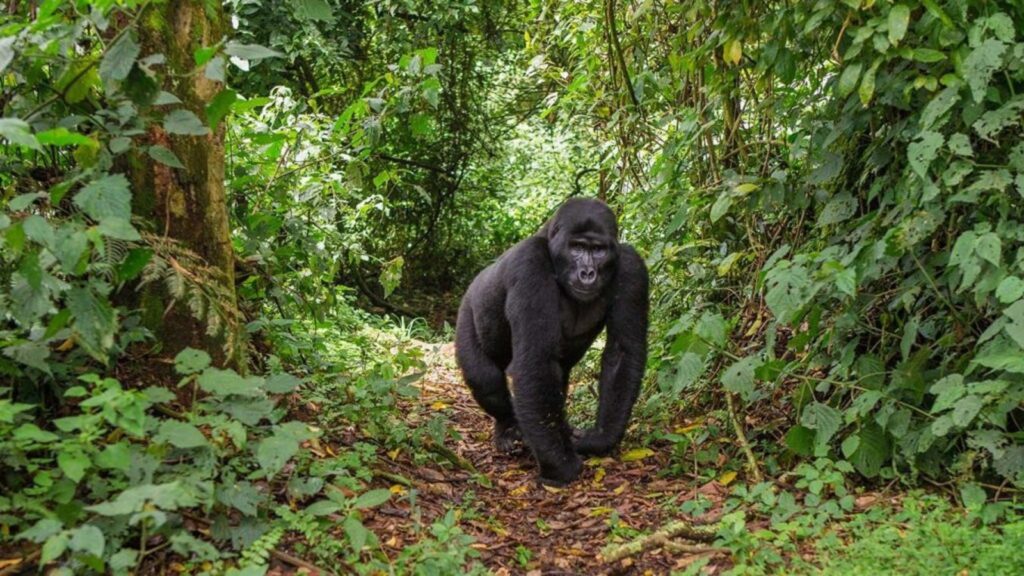
Gorilla trekking is one of Africa’s most remarkable wildlife experiences, allowing visitors to encounter endangered mountain gorillas in their natural forest habitat. While the experience itself creates unforgettable memories, many travelers also want to leave a positive environmental impact behind. This growing interest in sustainable tourism has led to the popularity of the plant-a-tree gorilla trekking initiative in both Uganda and Rwanda.
Tree-planting programs linked to gorilla trekking provide visitors with an opportunity to contribute directly to conservation efforts. By planting trees or supporting reforestation projects, travelers help restore degraded landscapes, strengthen wildlife habitats, improve biodiversity, and support local communities. These initiatives create a meaningful connection between tourism and environmental stewardship.
As concerns about climate change, deforestation, and habitat loss continue to grow, many safari operators, conservation organizations, and community groups now encourage visitors to participate in tree-planting activities as part of their gorilla trekking journey. The result is a tourism experience that benefits not only travelers but also the ecosystems that mountain gorillas depend upon.
What Is a Plant a Tree Gorilla Trekking Initiative?
A plant-a-tree gorilla trekking initiative is a conservation activity that allows visitors to support or participate in tree-planting projects associated with gorilla tourism. These programs are typically organized by conservation organizations, community groups, national parks, eco-lodges, or tour operators operating near gorilla habitats.
Participants may physically plant a tree during their safari or contribute financially toward larger reforestation efforts. Some programs provide certificates, photographs, or location details showing where the tree was planted, creating a lasting connection between the visitor and the conservation project.
The primary goal is to restore forest ecosystems while promoting sustainable tourism. Because mountain gorillas rely on healthy forests for food, shelter, and movement, reforestation directly supports long-term conservation objectives.
These initiatives demonstrate how tourism can contribute to environmental restoration and wildlife protection.
Why Tree Planting Matters for Gorilla Conservation
The importance of planting a tree and gorilla trekking programs becomes clear when considering the relationship between forests and mountain gorillas. Healthy forests provide the habitat that gorillas need to survive and reproduce.
Although protected areas help safeguard existing habitats, many regions surrounding gorilla parks have experienced deforestation due to agriculture, settlement expansion, fuelwood collection, and other human activities. Tree planting helps restore degraded areas and create ecological buffers around protected landscapes.
Reforestation can also improve habitat connectivity, allowing wildlife to move more freely between forested areas. In the long term, restored forests strengthen ecosystem resilience and support broader conservation goals.
Tree planting therefore represents an investment in the future of mountain gorillas and the biodiversity of the region.
The Connection Between Tourism and Reforestation
One reason plant-a-tree gorilla trekking initiatives have become popular is that they allow travelers to actively participate in conservation. Many visitors appreciate the opportunity to contribute something tangible during their safari experience.
Tourism generates important conservation revenue through gorilla permits and related activities, but tree-planting programs offer an additional way for travelers to support environmental protection. Visitors often leave with a stronger sense of connection to the landscapes they have explored.
These programs also encourage greater awareness of environmental challenges such as deforestation and climate change. By linking tourism with practical conservation action, tree-planting initiatives create a more meaningful and responsible travel experience.
The result is a positive relationship between tourism and environmental sustainability.
Tree Planting in Uganda’s Gorilla Regions
Many plant-a-tree gorilla trekking projects operate in southwestern Uganda, where mountain gorillas live within protected forest ecosystems. Conservation organizations and community groups frequently organize reforestation activities near gorilla habitats.
Tree planting helps restore areas surrounding protected forests while supporting broader environmental goals. Indigenous tree species are often selected because they contribute to habitat restoration and biodiversity conservation.
Community participation is a key component of many Ugandan tree-planting programs. Local residents often help establish and maintain tree nurseries, manage restoration sites, and monitor project outcomes.
These collaborative efforts strengthen the connection between conservation and community development.
Tree Planting in Rwanda’s Gorilla Landscape
Rwanda has also embraced plant-a-tree gorilla trekking initiatives as part of its commitment to environmental sustainability and conservation. Reforestation projects near gorilla habitats contribute to ecosystem restoration and climate resilience.
Many visitors participating in gorilla trekking choose to support tree-planting activities before or after their trek. These programs often emphasize environmental education and the importance of maintaining healthy forest ecosystems.
Tree planting supports Rwanda’s broader conservation objectives while creating opportunities for local communities to participate in sustainable environmental projects. The integration of conservation and tourism has become a defining feature of many reforestation initiatives.
These efforts help protect the natural landscapes that support mountain gorillas and other wildlife species.
Environmental Benefits of Tree Planting
The environmental benefits of planting a tree gorilla trekking programs extend far beyond gorilla conservation. Trees help improve soil quality, reduce erosion, enhance water retention, and support local biodiversity.
Forests also play an important role in carbon sequestration by absorbing carbon dioxide from the atmosphere. As concerns about climate change increase, reforestation has become an important strategy for reducing environmental impacts and improving ecosystem health.
Restored forests create habitats for birds, mammals, insects, and numerous plant species. This contributes to healthier ecosystems that benefit both wildlife and local communities.
The environmental value of tree planting continues long after the initial planting activity has been completed.
Community Benefits of Tree-Planting Projects
Many planted-tree gorilla trekking initiatives generate important social and economic benefits for local communities. Reforestation projects often create employment opportunities through nursery management, tree planting, site maintenance, and environmental monitoring activities.
Community members may also benefit from environmental education programs and conservation training initiatives associated with tree-planting projects. In some cases, reforestation efforts improve access to sustainable sources of fuelwood and other forest products.
When local communities see tangible benefits from conservation activities, they are often more motivated to support environmental protection and wildlife conservation efforts.
This positive relationship strengthens the long-term sustainability of conservation programs.
How Visitors Can Participate
Travelers interested in planting a tree and gorilla trekking experiences can participate in several ways. Many tour operators and eco-lodges offer tree-planting activities as optional additions to gorilla trekking itineraries.
Some visitors choose to physically plant a tree during their trip, while others contribute financially to larger reforestation programs. Certain initiatives provide certificates or project updates that allow participants to follow the progress of their contribution.
Before participating, travelers should seek information about the conservation objectives, tree species used, and long-term management plans associated with the project. Well-managed programs focus on native species and sustainable restoration practices.
Participation provides an opportunity to leave a lasting environmental legacy.
Key Gorilla Trekking Areas Supporting Tree Planting
Many plant-a-tree gorilla trekking initiatives are associated with East Africa’s leading mountain gorilla destinations. Reforestation projects often support conservation efforts around Bwindi Impenetrable National Park, where maintaining healthy forest ecosystems is critical for gorilla survival.
Tree-planting activities may also benefit areas surrounding Mgahinga Gorilla National Park, helping strengthen ecological resilience within the greater Virunga landscape.
In Rwanda, many projects support environmental restoration efforts linked to Volcanoes National Park, where mountain gorilla conservation remains a national priority.
These protected areas demonstrate the close connection between forest restoration and wildlife conservation.
Conclusion
A plant-a-tree gorilla trekking initiative offers travelers a meaningful way to contribute to conservation while enjoying one of Africa’s most extraordinary wildlife experiences. By supporting reforestation projects in Uganda and Rwanda, visitors help restore habitats, strengthen ecosystems, combat environmental degradation, and support local communities.
Tree planting represents a simple yet powerful conservation action that complements gorilla tourism and promotes environmental sustainability. The benefits extend beyond mountain gorillas to include biodiversity protection, climate resilience, and community development.
For travelers seeking a more responsible and impactful safari experience, participating in a plant-a-tree gorilla trekking program provides an opportunity to leave a positive legacy while helping protect some of Africa’s most important forest ecosystems.