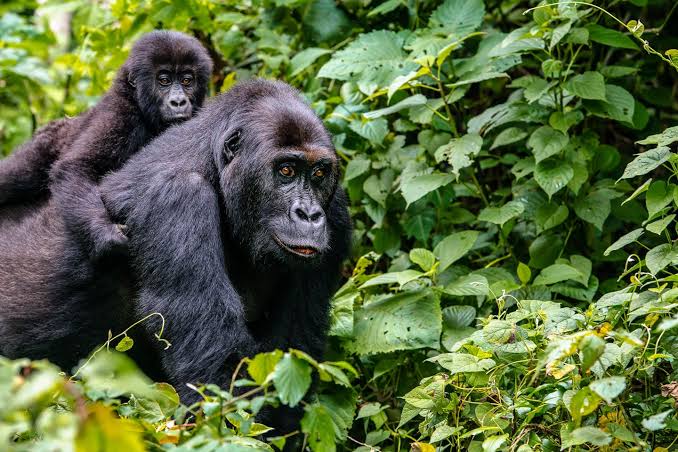
Gorilla Trekking Wildlife Police Rwanda: Protecting Mountain Gorillas and Conservation Tourism
Rwanda has earned a global reputation as one of the leading destinations for mountain gorilla trekking. Every year, visitors travel to the country to experience the rare opportunity of observing endangered mountain gorillas in their natural habitat within Volcanoes National Park. The continued success of this tourism sector depends on strong conservation measures, effective law enforcement, and a secure environment for both wildlife and visitors. This is where the role of gorilla trekking wildlife police in Rwanda becomes highly important.
Mountain gorillas are among the world’s most protected wildlife species. Their survival depends on continuous conservation efforts that include habitat protection, anti-poaching operations, visitor management, and law enforcement. Rwanda has invested heavily in these areas, creating a conservation model that is often recognized internationally for its effectiveness.
Wildlife police, together with park rangers, conservation authorities, and security agencies, help safeguard gorillas and their habitat from illegal activities. Their work supports conservation goals while ensuring that gorilla trekking remains one of Africa’s safest and most sustainable wildlife experiences. Understanding their role provides valuable insight into how Rwanda protects one of its most important tourism and conservation assets.
Understanding Wildlife Police in Rwanda
The term “gorilla trekking wildlife police Rwanda” refers to the law enforcement structures and personnel that assist in protecting wildlife resources, enforcing conservation laws, and supporting national park security. These officers often work closely with conservation agencies, park authorities, border security teams, and local communities.
Wildlife police focus on preventing crimes that threaten biodiversity and protected areas. Their responsibilities include investigating wildlife offenses, supporting anti-poaching initiatives, monitoring illegal activities, gathering intelligence, and assisting with enforcement operations.
Because Rwanda’s gorilla habitat forms part of the larger Virunga Conservation Area shared with neighboring countries, wildlife protection requires a coordinated approach. Law enforcement personnel contribute to this effort by helping maintain security within and around protected ecosystems.
Their work strengthens conservation management while supporting the tourism sector that depends on healthy gorilla populations and secure national parks.
Why Wildlife Protection Is Essential for Gorilla Trekking
Mountain gorillas face various threats despite decades of successful conservation work. Habitat pressure, illegal resource extraction, human encroachment, disease risks, and wildlife crime all have the potential to affect gorilla populations if not properly managed.
Effective wildlife protection helps ensure that gorilla families remain safe within their natural environment. Law enforcement efforts discourage illegal activities and reinforce regulations designed to protect endangered species and sensitive ecosystems.
For visitors, strong conservation security creates confidence in the destination. Travelers are more likely to choose a country where wildlife protection is clearly prioritized and where tourism activities operate within a secure framework.
The success of Rwanda’s gorilla tourism industry depends heavily on maintaining strong protection systems that safeguard both gorillas and their habitat.
The Role of Wildlife Police in Gorilla Conservation
One of the primary responsibilities of gorilla trekking wildlife police in Rwanda is supporting the conservation of mountain gorillas through law enforcement and crime prevention. Wildlife police help identify and respond to threats that could negatively affect gorilla populations or protected areas.
Their activities may include investigating poaching incidents, monitoring illegal entry into conservation areas, supporting wildlife crime prosecutions, and working with intelligence units to prevent illegal activities before they occur. These efforts contribute directly to the long-term protection of gorillas and other wildlife species.
Wildlife police also assist in enforcing conservation regulations that govern tourism activities, habitat protection, and resource management. Their presence reinforces the importance of compliance with environmental laws and conservation policies.
By reducing illegal activities, wildlife police help create conditions that support healthy gorilla populations and sustainable tourism growth.
Cooperation with Park Rangers and Conservation Authorities
Park rangers serve as the frontline guardians of Rwanda’s gorilla habitat. They monitor gorilla groups, guide visitors, patrol protected areas, and respond to conservation challenges on a daily basis. Wildlife police provide additional law enforcement support that strengthens these efforts.
Collaboration between rangers and wildlife police enhances operational effectiveness. Rangers contribute extensive field knowledge and conservation expertise, while police personnel bring specialized investigative and enforcement capabilities.
Together, they conduct patrols, respond to incidents, gather intelligence, and implement conservation strategies designed to protect wildlife. This partnership plays a crucial role in maintaining the security and integrity of Rwanda’s gorilla tourism operations.
The success of Rwanda’s conservation model is partly built on this close cooperation between conservation and law enforcement agencies.
Combating Poaching and Illegal Activities
Although mountain gorillas are heavily protected, anti-poaching efforts remain an essential component of conservation management. Wildlife police help identify and address activities that threaten wildlife or protected ecosystems.
Poaching, illegal logging, unauthorized grazing, and other prohibited activities can damage habitats and disrupt conservation efforts. Wildlife police work with conservation authorities to detect these activities and enforce relevant laws.
The gorilla trekking wildlife policy framework in Rwanda emphasizes prevention as well as enforcement. Through patrols, intelligence gathering, and community engagement, authorities aim to stop illegal activities before they become significant threats.
These efforts contribute to Rwanda’s strong conservation record and support the continued recovery of mountain gorilla populations.
Wildlife Crime Investigation and Enforcement
Wildlife crime often extends beyond individual incidents and may involve organized networks operating across regions or international borders. Effective conservation therefore requires specialized investigative capabilities.
Wildlife police support investigations into illegal wildlife trade, environmental crimes, and activities that threaten protected species. Their work helps identify offenders, collect evidence, and support legal proceedings.
Strong enforcement demonstrates that conservation laws are taken seriously and that violations will face appropriate consequences. This deterrent effect helps discourage illegal activities and reinforces conservation objectives.
By addressing wildlife crime effectively, Rwanda protects not only gorillas but also the broader ecosystems that support biodiversity and tourism.
Supporting Visitor Safety in Gorilla Trekking
Visitor safety is another important aspect of wildlife protection operations. Rwanda’s gorilla trekking experience is widely regarded as one of the safest wildlife tourism activities in Africa, thanks in part to comprehensive security measures.
Wildlife police contribute to this security environment by supporting patrol operations, monitoring park boundaries, and assisting with emergency response capabilities when necessary. Their presence helps ensure that visitors can focus on enjoying their experience without concerns about security.
Most travelers will never directly encounter wildlife police during their trek. However, the systems they support operate behind the scenes to maintain safe conditions within and around protected areas.
A secure tourism environment enhances visitor confidence and contributes to Rwanda’s reputation as a premier gorilla trekking destination.
Community Partnerships and Conservation Support
Conservation success depends not only on law enforcement but also on community participation. Wildlife police often collaborate with local communities, conservation organizations, and government agencies to support wildlife protection efforts.
Community engagement programs help raise awareness about conservation laws, promote sustainable livelihoods, and encourage reporting of illegal activities. These initiatives strengthen relationships between protected areas and neighboring communities.
The gorilla trekking wildlife policy in Rwanda recognizes that local support is essential for long-term conservation success. When communities benefit from tourism and conservation, they become valuable partners in protecting wildlife resources.
This collaborative approach has contributed significantly to Rwanda’s achievements in gorilla conservation and sustainable tourism development.
Volcanoes National Park and Wildlife Protection
Rwanda’s gorilla trekking activities take place within Volcanoes National Park, one of Africa’s most famous conservation areas. The park protects a substantial population of mountain gorillas and serves as the foundation of Rwanda’s gorilla tourism industry.
Wildlife police, rangers, and conservation authorities work together to safeguard the park’s ecosystems and wildlife populations. Their combined efforts help maintain a secure environment that supports both conservation and tourism objectives.
The success of Volcanoes National Park demonstrates the effectiveness of integrated conservation and law enforcement strategies. Continued protection remains essential for preserving the park’s ecological and economic value.
As tourism continues to grow, the role of wildlife protection agencies will remain critical to maintaining the park’s conservation achievements.
The Future of Wildlife Protection in Rwanda
Rwanda continues to strengthen its conservation and security systems through investment in technology, training, intelligence gathering, and regional cooperation. These efforts help improve the effectiveness of wildlife protection programs and enhance conservation outcomes.
Future developments may include expanded surveillance capabilities, improved wildlife monitoring systems, stronger cross-border collaboration, and enhanced community conservation initiatives. These advancements can further reduce threats to mountain gorillas and protected areas.
The continued growth of gorilla tourism creates additional incentives for maintaining strong protection measures. Protecting wildlife resources ensures that tourism remains sustainable and continues generating conservation benefits.
A proactive approach to wildlife law enforcement will remain central to Rwanda’s conservation strategy in the years ahead.
Conclusion
The role of gorilla trekking wildlife police in Rwanda extends far beyond traditional law enforcement. These professionals support gorilla conservation, combat wildlife crime, enhance visitor safety, and strengthen the protection of Rwanda’s most important wildlife habitats.
Working alongside park rangers, conservation authorities, and local communities, wildlife police contribute significantly to the success of Rwanda’s mountain gorilla conservation efforts. Their work helps protect endangered species while supporting one of Africa’s most successful wildlife tourism industries.
Within Volcanoes National Park, their efforts help maintain a secure and sustainable environment where mountain gorillas can thrive and visitors can enjoy life-changing wildlife encounters.
As Rwanda continues to build on its conservation successes, wildlife police will remain an essential part of the broader effort to protect mountain gorillas for future generations.