How Gorilla Trekking Permits Are Allocated: Understanding the Gorilla Permit Allocation System
One of the most common questions among travelers planning a gorilla safari is how gorilla permits are distributed and who decides which visitors get access to specific gorilla families. Because mountain gorilla tourism is carefully regulated to protect these endangered primates, wildlife authorities have developed a structured gorilla permit allocation system that controls visitor access while supporting conservation objectives.
Gorilla permits are required for anyone wishing to participate in gorilla trekking in Uganda, Rwanda, or the Democratic Republic of Congo. These permits are limited in number because conservation guidelines restrict the number of people who can visit each habituated gorilla family every day. The allocation system ensures that tourism remains sustainable, gorilla families are not overwhelmed by human presence, and visitors enjoy a high-quality wildlife experience.
Understanding how permits are allocated can help travelers plan more effectively, choose suitable trekking destinations, and appreciate the conservation principles behind gorilla tourism. Whether booking as an individual traveler, a family, or a large tour group, understanding the permit allocation process is an important part of preparing for a successful gorilla trekking adventure.
What Is the Gorilla Permit Allocation System?
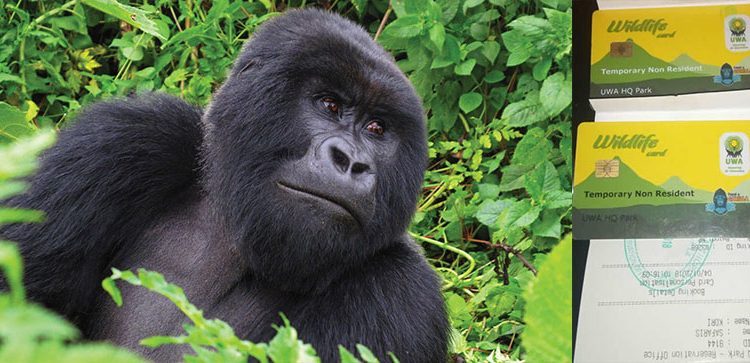
The gorilla permit allocation system is the process used by wildlife authorities to distribute available gorilla trekking permits among visitors. The system determines which trekking date, park sector, and gorilla family a visitor may be assigned to based on permit availability and conservation regulations.
The allocation process is designed to balance tourism demand with the welfare of mountain gorillas. Since gorillas are highly sensitive to human presence and disease transmission, authorities strictly limit visitor numbers and manage access carefully.
Every habituated gorilla family has a specific number of permits available per day. These permits are issued on a first-come, first-served basis in most cases, although some adjustments may be made to accommodate visitor needs, group bookings, fitness levels, or accessibility requirements.
The system ensures that tourism activities remain organized, predictable, and environmentally sustainable.
Why Permit Allocation Is Necessary
Permit allocation exists primarily to protect mountain gorillas and their habitat. Unlike many wildlife tourism activities where large numbers of visitors can observe animals simultaneously, gorilla trekking involves close encounters with highly endangered primates.
To minimize stress on gorillas and reduce the risk of disease transmission, only a limited number of visitors may visit each habituated gorilla family per day. The allocation system helps enforce these limits while ensuring that tourism benefits continue supporting conservation efforts.
Without a structured allocation process, excessive visitor pressure could negatively affect gorilla behavior, habitat quality, and overall conservation success. The permit system therefore serves as both a tourism management tool and a conservation strategy.
Its effectiveness has contributed significantly to the growth and sustainability of mountain gorilla tourism across East and Central Africa.
How Many Permits Are Available Per Gorilla Family?
A key component of the gorilla permit allocation system is the daily visitor limit assigned to each habituated gorilla family. In most gorilla trekking destinations, a maximum of eight visitors may visit a gorilla family during a single trekking session.
This limit applies regardless of visitor demand. Even during peak tourism seasons, wildlife authorities do not exceed the established visitor cap because conservation priorities take precedence over tourism revenue.
The number of permits available in a particular park therefore depends on the number of habituated gorilla families open to tourism. Parks with more gorilla families generally offer more permits each day, creating greater booking flexibility.
This carefully managed approach helps maintain a balance between visitor access and gorilla protection.
Permit Allocation in Uganda
Uganda operates one of the largest gorilla trekking programs in Africa. The country’s gorilla permits are allocated across multiple sectors within Bwindi Impenetrable National Park and within Mgahinga Gorilla National Park.
When permits are booked, visitors are usually assigned to a specific trekking sector based on availability. The actual gorilla family assignment often takes place on the morning of the trek during the ranger briefing.
Park officials consider several factors during final allocation. These may include visitor age, physical fitness, group size, accessibility requirements, and the estimated location of gorilla families.
Because Uganda has numerous habituated gorilla families, the allocation process provides a degree of flexibility while maintaining conservation standards.
Permit Allocation in Rwanda
Rwanda uses a similar gorilla permit allocation system within Volcanoes National Park. Visitors purchase permits for specific dates, and gorilla family assignments are typically finalized at the park headquarters before trekking begins.
Park authorities often take visitor fitness levels and special requests into account when assigning groups. Travelers who may have difficulty with strenuous hikes are sometimes allocated to gorilla families located closer to the starting point when conditions allow.
Because Rwanda has fewer permits available than Uganda and strong international demand, permits often sell out months in advance. Early booking remains essential for securing preferred trekking dates.
The allocation process helps ensure fair access while protecting mountain gorillas from excessive visitor pressure.
Factors That Influence Permit Allocation
Several factors can influence how permits are allocated within the gorilla tourism system. Availability remains the most important factor, particularly during peak travel seasons when demand often exceeds supply.
Visitor fitness is another consideration. Rangers attempt to assign trekking groups in a way that matches the physical abilities of participants. Older travelers, families, and visitors with mobility challenges may be allocated to more accessible gorilla families when possible.
Group size also affects allocation decisions. Groups of up to eight people may often be assigned to the same gorilla family, while larger groups may be divided among multiple families.
Special accessibility needs, medical considerations, and porter requirements may also influence final assignments.
How Group Bookings Are Handled
The gorilla permit allocation system includes procedures for managing group bookings. Tour operators frequently reserve permits for families, corporate groups, student groups, and organized tours.
When a group consists of eight people or fewer, authorities generally attempt to assign the entire group to the same gorilla family. This allows participants to share the trekking experience together.
For larger groups, the available permits may be spread across multiple gorilla families. While participants may begin the day together, they may separate during the actual trekking activity.
Advance booking is particularly important for groups because securing multiple permits for the same date becomes increasingly difficult as availability decreases.
Last-Minute Permit Allocation
Although early booking is strongly recommended, some travelers obtain permits closer to their travel dates. Last-minute permit allocation depends entirely on remaining availability.
During low-demand periods, permits may still be available shortly before trekking dates. However, during peak seasons, many permits are sold months in advance.
Travelers seeking last-minute permits often need to remain flexible regarding trekking dates, park sectors, and accommodation arrangements. Wildlife authorities allocate any remaining permits according to standard procedures and conservation guidelines.
The availability of last-minute permits should never be assumed, especially for popular travel periods.
Technology and Modern Permit Management
Many wildlife authorities have modernized aspects of the gorilla permit allocation system through digital reservation platforms and electronic recordkeeping. These systems help improve efficiency, reduce administrative errors, and provide better visibility into permit availability.
Tour operators and reservation offices can often access permit inventories in real time, allowing faster confirmation of bookings. Digital systems also support transparency and accountability within permit management processes.
As tourism demand continues to grow, technology will likely play an increasingly important role in permit administration and visitor management.
Improved systems help wildlife authorities maintain high standards of service while supporting conservation objectives.
Gorilla Parks Using Permit Allocation Systems
Uganda’s Bwindi Impenetrable National Park operates one of the largest and most sophisticated gorilla permit allocation programs in Africa. Multiple trekking sectors and numerous habituated gorilla families provide significant permit capacity while maintaining strict conservation standards.
Mgahinga Gorilla National Park also follows structured permit allocation procedures designed to regulate visitor access and protect gorilla populations.
In Rwanda, Volcanoes National Park uses a carefully managed allocation process that supports both conservation and high-end tourism experiences.
These parks demonstrate how structured permit management can successfully balance conservation and tourism objectives.
Conclusion
The gorilla permit allocation system is a carefully designed process that helps regulate visitor access to mountain gorillas while supporting long-term conservation goals. By limiting visitor numbers, assigning permits according to availability, and considering factors such as fitness levels and group size, wildlife authorities ensure that gorilla tourism remains sustainable and responsible.
Protected areas such as Bwindi Impenetrable National Park, Mgahinga Gorilla National Park, and Volcanoes National Park rely on effective permit allocation systems to protect endangered mountain gorillas while delivering exceptional visitor experiences.
For travelers, understanding how permits are allocated can simplify planning, improve expectations, and highlight the important role that conservation plays in every gorilla trekking adventure.