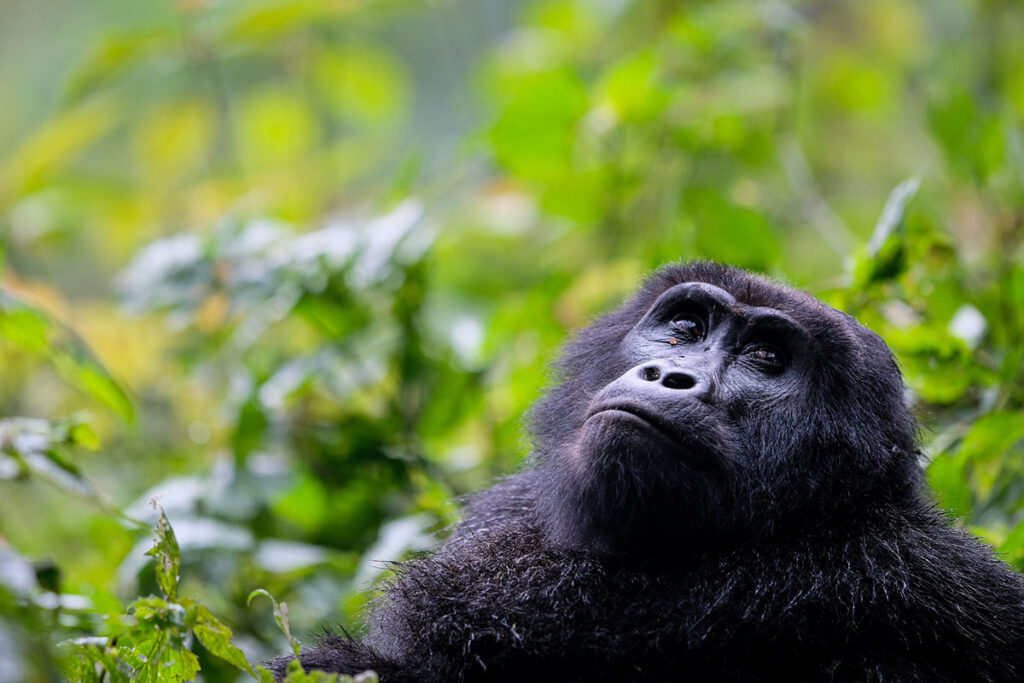
Gorilla Trekking Ultimate 2026 Guide: Everything You Need to Know Before Your Safari
A gorilla trekking safari ranks among the most extraordinary wildlife experiences on Earth. Few adventures compare to hiking through ancient rainforests and coming face to face with a family of wild mountain gorillas in their natural habitat. As demand for gorilla tourism continues to grow, travelers planning a safari need accurate and up-to-date information. This gorilla trekking ultimate 2026 guide covers everything you need to know, from destinations and permits to costs, packing lists, fitness requirements, and conservation rules.
Mountain gorillas live in only a few protected forests in East and Central Africa. Thanks to decades of conservation efforts, their population has steadily increased, making gorilla trekking one of Africa’s greatest conservation success stories. In 2026, visitors will have opportunities to trek gorillas in Uganda, Rwanda, and, depending on security conditions, parts of the Democratic Republic of the Congo.
Whether you are planning a budget adventure, a luxury safari, or a once-in-a-lifetime wildlife journey, this guide will help you prepare for a memorable experience.
What Is Gorilla Trekking?
Gorilla trekking is a guided wildlife activity that involves hiking through forests to locate a habituated gorilla family. Once trackers find the gorillas, visitors spend one hour observing them in their natural environment.
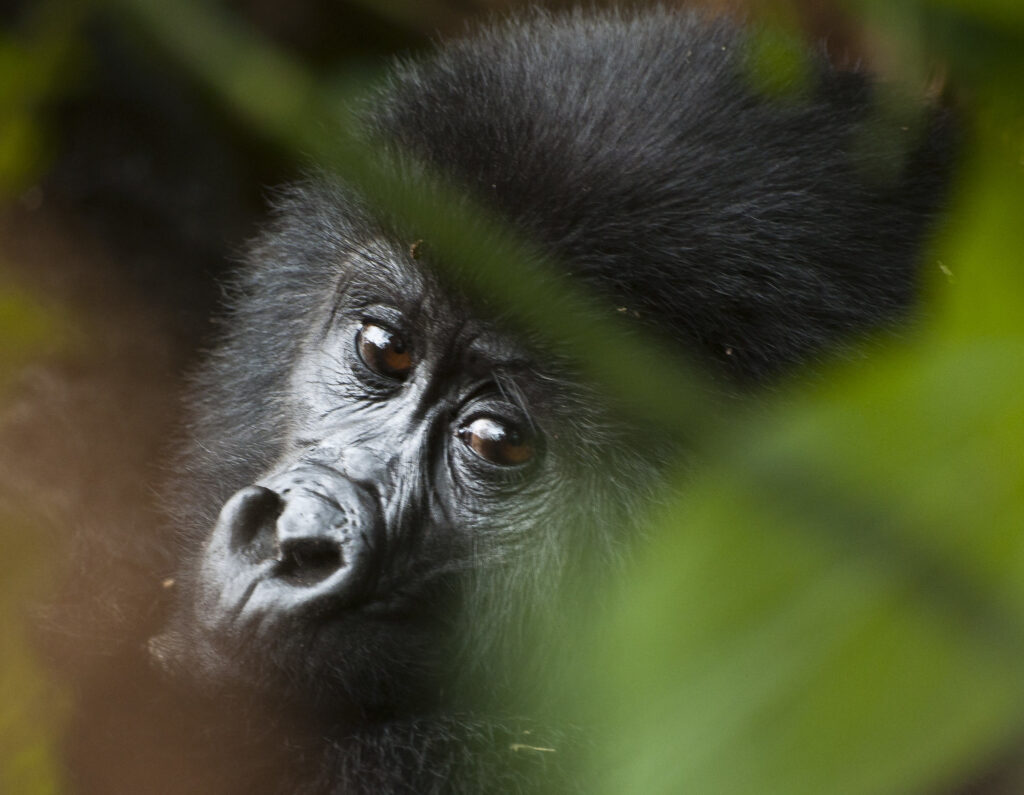
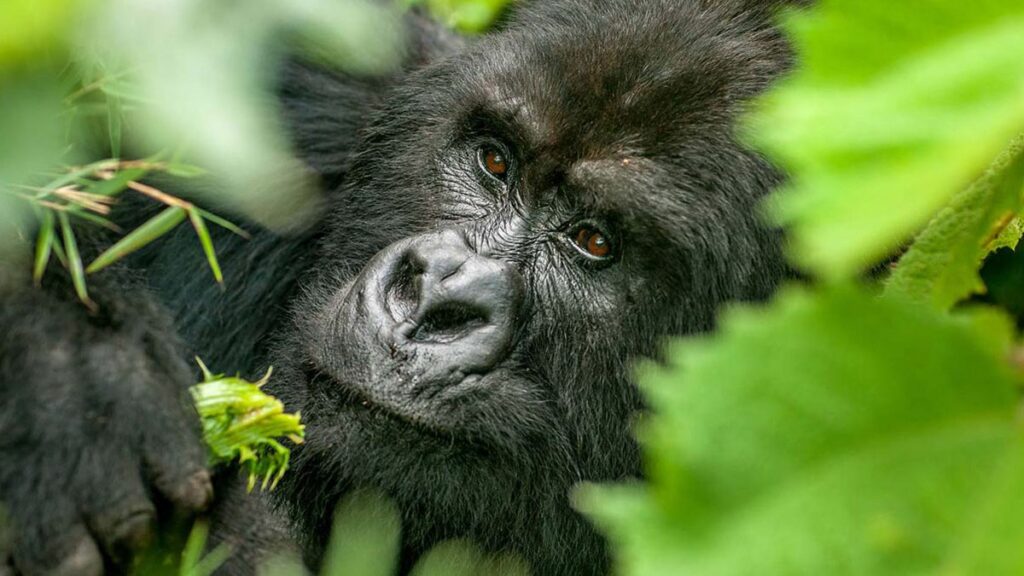
During this time, you may watch gorillas feed, groom, rest, play, and interact with one another. The experience provides a rare glimpse into the lives of one of humanity’s closest relatives.
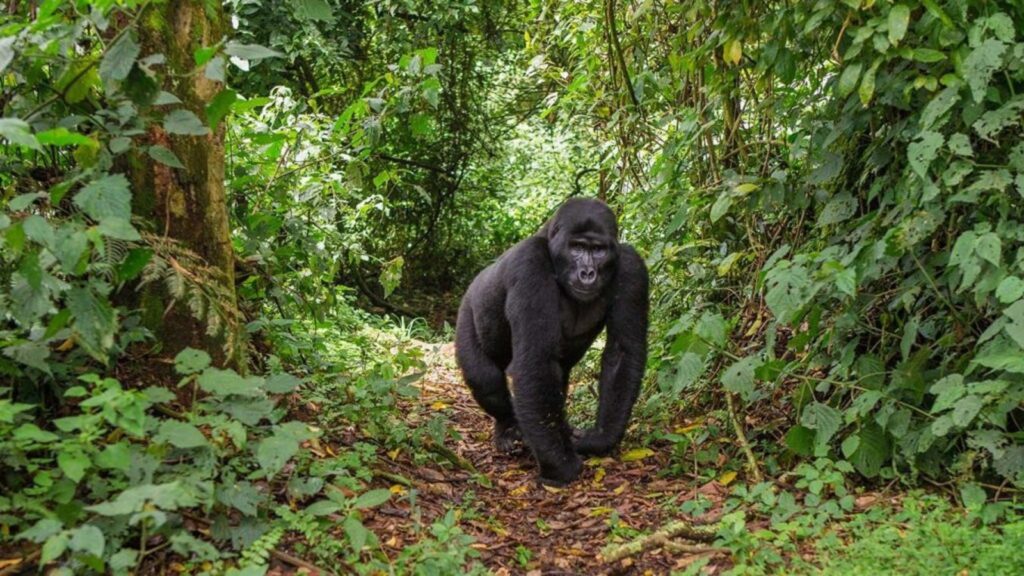
Unlike a traditional game drive, gorilla trekking requires physical effort because gorillas move freely through mountainous forests.
Where Can You Go Gorilla Trekking in 2026?
Bwindi Impenetrable National Park, Uganda
Bwindi Impenetrable National Park is the most popular gorilla trekking destination in Africa.
The park contains nearly half of the world’s remaining mountain gorillas and offers multiple trekking sectors, including Buhoma, Ruhija, Rushaga, and Nkuringo.
Bwindi provides the largest number of gorilla permits and a wide range of accommodation options.
Mgahinga Gorilla National Park, Uganda
Mgahinga Gorilla National Park is Uganda’s smallest national park but offers a quieter trekking experience.
Located within the Virunga Mountains, it is also famous for golden monkey trekking.
Volcanoes National Park, Rwanda
Volcanoes National Park is Rwanda’s premier gorilla trekking destination.
The park offers excellent infrastructure, luxury lodges, and easy access from Kigali.
Many travelers choose Rwanda because of the shorter travel time between the international airport and the trekking area.
Virunga National Park, Congo
Virunga National Park has historically offered gorilla trekking experiences. However, visitors should carefully review current security conditions before making travel plans.
How Gorilla Trekking Works
Every trekking day begins with a briefing at park headquarters.
Visitors receive information about safety rules, gorilla behavior, and trekking procedures.
Park authorities assign groups to specific gorilla families based on factors such as fitness level and group size.
Experienced guides and trackers then lead visitors into the forest.
The trek may last from one to several hours depending on the gorillas’ location.
Once the gorillas are found, visitors spend one hour observing them.
Gorilla Trekking Permit Costs in 2026
A permit is mandatory for gorilla trekking.
Permit fees contribute directly to conservation and community development.
Uganda generally offers more affordable permits compared to Rwanda, making it a popular choice for budget-conscious travelers.
Rwanda maintains premium pricing and targets luxury tourism markets.
Permit prices can change, so travelers should verify current rates when planning their safari.
Booking permits several months in advance is highly recommended, especially during peak seasons.
Best Time for Gorilla Trekking in 2026
Gorilla trekking takes place throughout the year.
However, weather conditions vary significantly.
Dry Seasons
The main dry seasons typically occur from June to September and December to February.
Trails are generally easier to navigate during these months.
Many travelers prefer these periods because rainfall is lower.
Wet Seasons
The rainy seasons usually occur from March to May and October to November.
Although trails can become muddy, the forests remain beautiful and visitor numbers are often lower.
Gorillas can be easier to locate because food is abundant within smaller ranges.
Fitness Requirements for Gorilla Trekking
Gorilla trekking requires moderate physical fitness.
The terrain often includes:
Steep hills.
Dense vegetation.
Uneven forest trails.
High-altitude environments.
Treks vary in difficulty depending on the assigned gorilla family.
Some encounters occur after relatively short hikes, while others require several hours of walking.
Regular walking and light hiking before your trip can improve your trekking experience.
What to Pack for Gorilla Trekking
Proper equipment enhances both comfort and safety.
Essential items include sturdy hiking boots, long trousers, long-sleeved shirts, waterproof clothing, gardening gloves, insect repellent, sunscreen, drinking water, snacks, and a small daypack.
A lightweight rain jacket is particularly important because rainforest weather can change quickly.
Many trekkers also bring a camera with extra batteries.
Hiring a Porter
Hiring a porter is highly recommended.
Porters carry daypacks and assist trekkers on difficult terrain.
They provide valuable support during steep climbs and muddy descents.
Hiring a porter also supports local communities living near gorilla habitats.
Many visitors consider porter services one of the best investments during their trek.
Gorilla Trekking Rules and Regulations
Strict rules protect both gorillas and visitors.
You must maintain a minimum distance from the gorillas.
Visitors who feel sick should not participate in the trek.
Eating, drinking, and smoking near gorillas are prohibited.
Flash photography is generally discouraged.
Following guide instructions at all times helps ensure a safe experience.
These regulations play a critical role in gorilla conservation.
What Happens During the Gorilla Encounter?
The one-hour gorilla viewing period often becomes the highlight of a safari.
Visitors may observe silverbacks watching over the group, mothers caring for infants, and juveniles playing nearby.
Gorillas usually remain calm around visitors because they have undergone a careful habituation process.
Despite their size and strength, mountain gorillas are generally gentle animals when treated respectfully.
The encounter often leaves a lasting impression on visitors.
Gorilla Habituation Experience
Uganda offers a unique activity known as the gorilla habituation experience.
This activity allows visitors to spend up to four hours with a gorilla group undergoing habituation.
The experience provides deeper insight into gorilla behavior and conservation work.
It is particularly popular among photographers and wildlife enthusiasts.
Combining Gorilla Trekking with Other Safaris
Many travelers combine gorilla trekking with additional East African attractions.
Popular combinations include:
Wildlife viewing in Queen Elizabeth National Park.
Chimpanzee tracking in Kibale National Park.
Boat cruises on the Kazinga Channel.
Golden monkey trekking in Mgahinga or Volcanoes National Park.
Visits to Lake Bunyonyi.
These combinations create a more complete safari experience.
Gorilla Trekking and Conservation
Gorilla tourism directly supports conservation.
Permit revenue helps fund ranger patrols, veterinary programs, habitat protection, and community projects.
Local communities benefit through employment opportunities, tourism businesses, and revenue-sharing initiatives.
This conservation model has contributed significantly to the recovery of mountain gorilla populations.
Every gorilla permit purchased helps support long-term protection efforts.
Common Questions About Gorilla Trekking
Is Gorilla Trekking Safe?
Yes. Gorilla trekking is generally safe when conducted under the supervision of trained guides and park authorities.
What Is the Minimum Age?
Most gorilla trekking destinations require participants to be at least 15 years old.
How Close Do You Get to Gorillas?
Visitors must maintain the recommended viewing distance established by park regulations.
Can Beginners Do Gorilla Trekking?
Yes. Many first-time hikers successfully complete gorilla treks each year.
Why 2026 Is a Great Year for Gorilla Trekking
Growing conservation success, improved tourism infrastructure, and increasing accessibility continue to make gorilla trekking one of Africa’s premier wildlife experiences.
Uganda and Rwanda remain among the world’s leading eco-tourism destinations, offering unforgettable encounters with endangered mountain gorillas.
Travelers who plan early will have access to the best permits, accommodations, and safari packages.
Conclusion
This gorilla trekking ultimate 2026 guide provides everything you need to begin planning one of the world’s most remarkable wildlife adventures. From selecting the right destination and securing permits to preparing physically and understanding conservation rules, careful planning ensures a rewarding experience.
Whether you choose Bwindi Impenetrable National Park, Mgahinga Gorilla National Park, or Volcanoes National Park, you will experience a unique connection with one of Earth’s most fascinating animals.
A gorilla trekking safari is more than a wildlife encounter. It is a journey into some of Africa’s most beautiful forests and a direct contribution to the conservation of a species that continues to inspire people around the world.