Gorilla Trekking Ranger Story
A gorilla trekking adventure often centers on the unforgettable moment when visitors finally come face to face with a family of mountain gorillas. Cameras click, hearts race, and the experience becomes a lifelong memory. Yet few travelers fully appreciate the immense effort that takes place behind the scenes to make that encounter possible. Every successful trek relies on the dedication of highly trained rangers who spend their lives protecting gorillas and guiding visitors through some of Africa’s most challenging terrain. This gorilla trekking ranger story sheds light on the remarkable work these conservation heroes perform every day.
Across the forests of Uganda, Rwanda, and the Democratic Republic of the Congo, rangers serve as the first line of defense for endangered mountain gorillas. Their responsibilities extend far beyond leading trekking groups. They monitor gorilla families, patrol protected habitats, prevent illegal activities, assist researchers, and educate local communities about conservation. Their work begins long before tourists arrive and often continues well after visitors have returned to their lodges. Understanding the life of a gorilla ranger provides a deeper appreciation of the conservation efforts that have helped mountain gorilla populations recover over recent decades.
A Day in the Life of a Gorilla Trekking Ranger
The day of a gorilla trekking ranger starts before sunrise. While most visitors are still enjoying breakfast or preparing their hiking gear, rangers are already coordinating with trackers deep inside the forest. Their first task involves gathering information about the movements of habituated gorilla families. Since gorillas roam freely within their natural habitat, trackers venture into the forest at dawn to locate fresh nests, feeding sites, and signs of recent activity. This information allows trekking groups to follow the safest and most efficient routes while minimizing disturbances to the gorillas.
Once visitors arrive at the park headquarters, rangers conduct detailed briefings that explain trekking procedures and conservation rules. Although this may appear routine, it represents a crucial part of protecting both gorillas and tourists. Rangers emphasize the importance of maintaining a safe viewing distance, avoiding sudden movements, and staying home when feeling unwell. Because mountain gorillas share a large percentage of their DNA with humans, they remain vulnerable to many human diseases. Rangers therefore play a vital role in safeguarding the health of these endangered primates.
After the briefing, the ranger leads the trekking group into the forest. Conditions can vary significantly depending on weather and the location of the gorilla family. Some treks involve relatively gentle walks through forest trails, while others require navigating steep hillsides covered in thick vegetation. Throughout the journey, the ranger monitors the pace of the group, provides information about wildlife and plants, and ensures that everyone remains safe. Their knowledge of the forest often transforms the trek into an educational experience that goes far beyond simply finding gorillas.
The Critical Role Rangers Play in Gorilla Conservation
Many visitors view rangers primarily as guides, but their conservation responsibilities extend far beyond tourism. Rangers spend much of their time protecting gorilla habitats from threats that could undermine decades of conservation progress. Illegal hunting, habitat encroachment, and human-wildlife conflicts continue to present challenges in some areas. Through regular patrols, rangers help prevent these threats and maintain the integrity of protected ecosystems.
Conservation work also requires close monitoring of gorilla families. Rangers collaborate with trackers, veterinarians, and researchers to observe gorilla behavior and identify potential health concerns. If a gorilla shows signs of illness or injury, wildlife veterinary teams can respond quickly because rangers provide timely information from the field. This level of monitoring has contributed significantly to the gradual recovery of mountain gorilla populations across East Africa.
Community engagement forms another important aspect of a ranger’s responsibilities. Many rangers come from villages located near national parks and understand the challenges faced by local communities. They often participate in outreach programs that promote conservation awareness and demonstrate the economic benefits of wildlife tourism. By building positive relationships between communities and protected areas, rangers help create an environment where conservation and development can coexist. Their work strengthens local support for gorilla protection and ensures that tourism revenue continues to benefit surrounding populations.
The success of gorilla conservation today reflects the commitment of countless individuals, and rangers remain at the center of that effort. Their daily presence in the forest helps maintain the delicate balance between tourism, conservation, and community development.
The Emotional Impact of Working with Mountain Gorillas
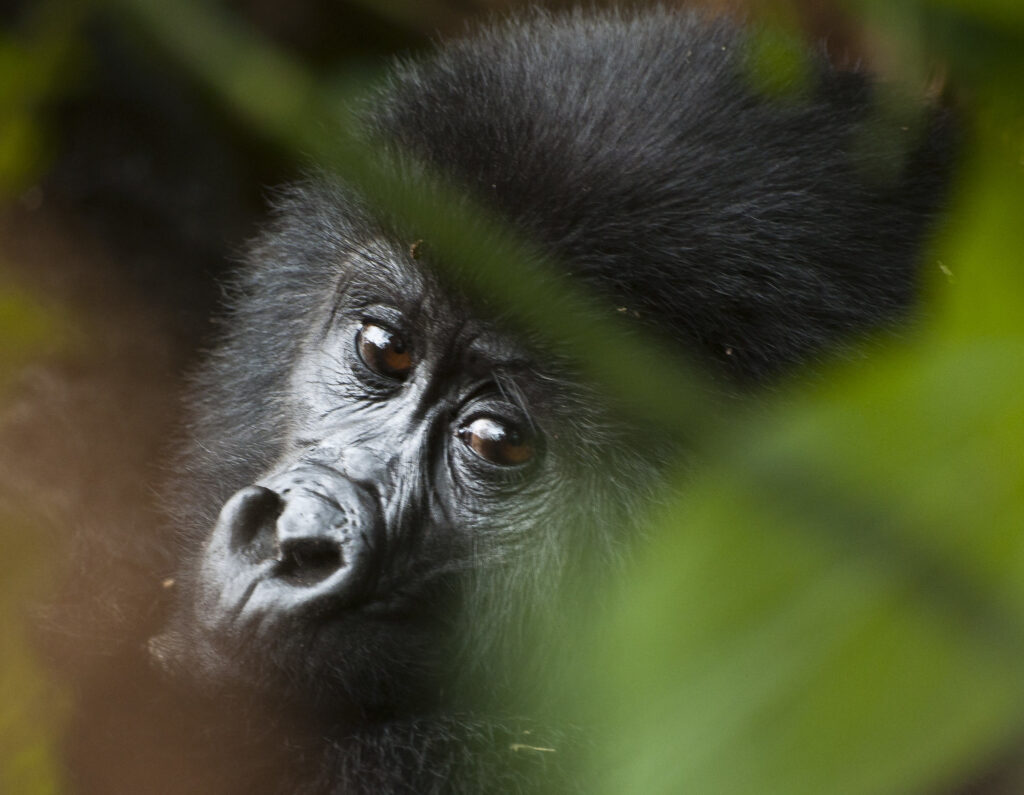
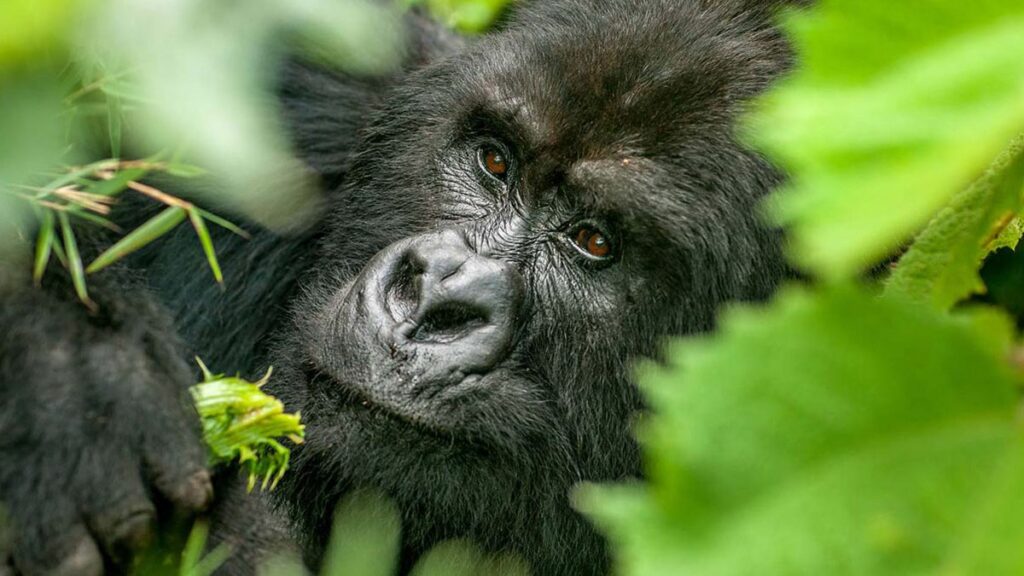
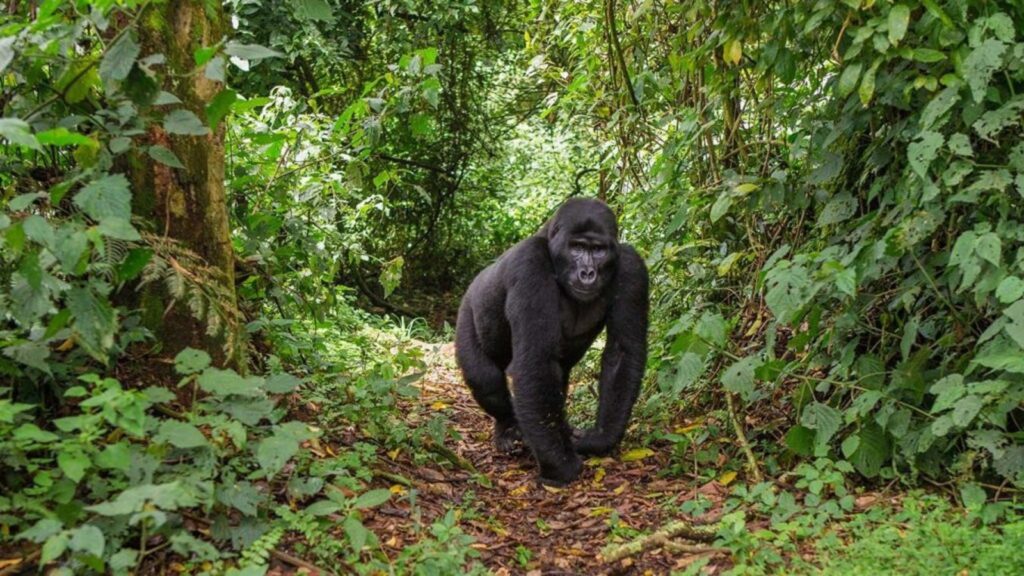
One of the most rewarding aspects of a ranger’s career is witnessing the connection that forms between visitors and mountain gorillas. Even after years of working in the forest, many rangers describe each gorilla encounter as unique. Some days they observe playful juveniles tumbling through the vegetation, while on others they watch a powerful silverback calmly supervise his family. These moments provide endless opportunities to learn about gorilla behavior and social dynamics.
Rangers also witness the emotional reactions of visitors experiencing gorillas for the first time. It is common to see expressions of amazement, gratitude, and even tears as tourists spend their precious hour with the gorillas. For many travelers, the encounter becomes one of the most meaningful wildlife experiences of their lives. Rangers often share in that excitement because they understand the significance of the moment and the effort required to make it possible.
At the same time, the job demands resilience and dedication. Rangers frequently work in difficult weather conditions and navigate challenging terrain for extended periods. Long patrols, steep mountain trails, and remote environments are part of daily life. Despite these challenges, their commitment remains strong because they recognize the importance of protecting one of the world’s most endangered primates. Their passion for conservation continues to inspire visitors and colleagues alike.
Conclusion
This gorilla trekking ranger story highlights the extraordinary individuals who make gorilla tourism possible while protecting one of Africa’s greatest conservation success stories. Rangers serve as guides, educators, conservationists, and guardians of mountain gorillas. Their work begins long before visitors enter the forest and continues long after the trekking experience ends.
Whether working in Bwindi Impenetrable National Park, Mgahinga Gorilla National Park, Volcanoes National Park, or Virunga National Park, these dedicated professionals remain essential to the survival of mountain gorillas and the success of sustainable tourism. Their stories remind us that conservation depends not only on protecting wildlife but also on supporting the people who dedicate their lives to safeguarding it.