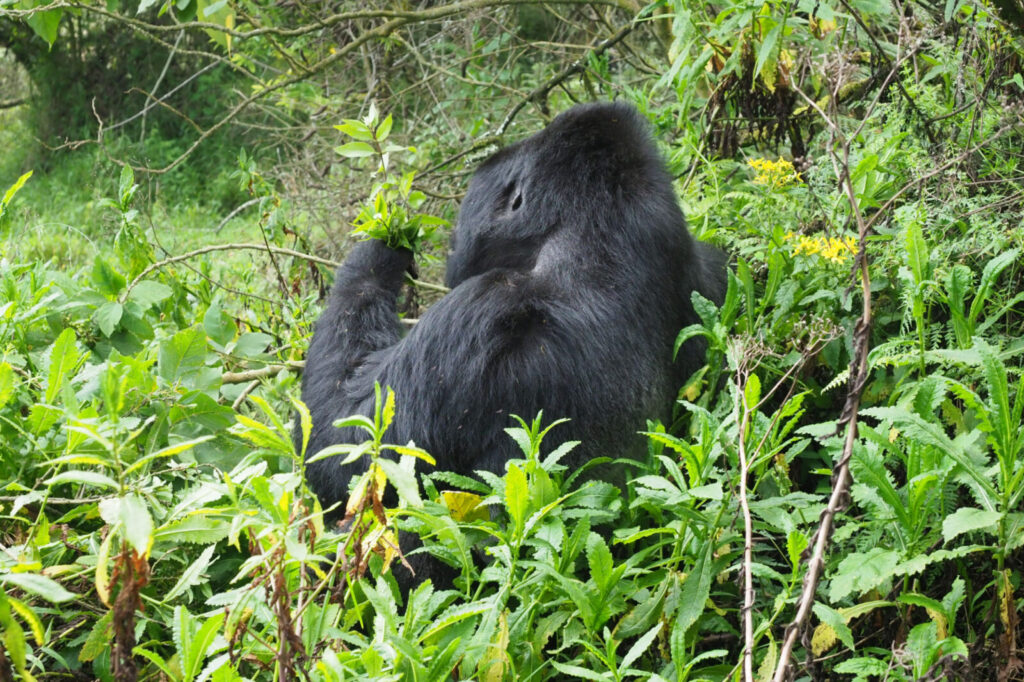
Best Socks for Gorilla Trekking: Complete Guide for Comfort on the Trail
When preparing for a gorilla trekking adventure, most travelers invest significant time choosing hiking boots, rain jackets, and backpacks. However, one of the most overlooked yet important items is a good pair of socks. The best socks for gorilla trekking can greatly improve comfort, prevent blisters, regulate temperature, and keep your feet dry throughout the trek.
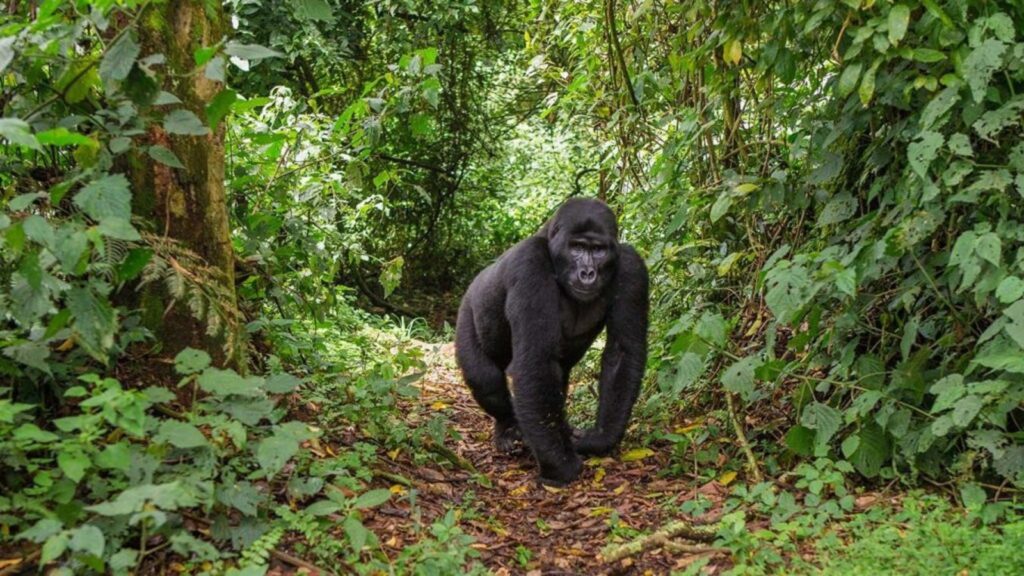
Gorilla trekking often involves hiking through dense rainforest, muddy trails, steep slopes, and uneven terrain. Treks can last anywhere from one hour to several hours depending on the location of the gorilla family. During that time, your feet endure constant movement, moisture, and pressure.
Even the best hiking boots cannot perform properly without quality socks. The right socks work together with your footwear to provide comfort and protection, allowing you to focus on the incredible experience of encountering mountain gorillas in the wild.
Whether you are visiting Bwindi Impenetrable National Park, Mgahinga Gorilla National Park, Volcanoes National Park, or Virunga National Park, choosing the best socks for gorilla trekking can make a noticeable difference in your overall trekking experience.
Why Good Socks Matter for Gorilla Trekking
Many trekkers underestimate the role socks play during a hike.
Poor-quality socks can lead to discomfort, blisters, excessive sweating, and cold feet. Once foot problems develop during a trek, they can become increasingly difficult to manage.
Quality trekking socks help by:
Reducing friction.
Managing moisture.
Providing cushioning.
Improving comfort.
Supporting foot temperature regulation.
Enhancing overall hiking performance.
Comfortable feet contribute directly to a more enjoyable gorilla trekking experience.
What Makes the Best Socks for Gorilla Trekking?
Moisture-Wicking Capability
One of the most important features of trekking socks is moisture management.
Rainforest environments often involve humidity, sweat, and occasional rain. Moisture-wicking fabrics pull sweat away from the skin, helping feet remain drier throughout the hike.
Dry feet are less likely to develop blisters.
Moisture control also improves overall comfort.
Cushioning and Comfort
Gorilla trekking frequently involves long periods of walking on uneven terrain.
Cushioned socks help absorb impact and reduce pressure on the feet.
Additional padding around the heel and forefoot enhances comfort during longer treks.
Well-cushioned socks can significantly reduce foot fatigue.
Breathability
Breathable materials improve airflow around the foot.
Proper ventilation helps prevent overheating and excessive sweating during strenuous hikes.
The balance between warmth and breathability is important in mountain rainforest environments.
Durability
Trekking socks should withstand repeated use and friction inside hiking boots.
Durable materials ensure that socks maintain their shape, cushioning, and performance over time.
Quality trekking socks often last through multiple adventures.
Proper Fit
A well-fitting sock remains securely in place throughout the trek.
Socks that bunch up or slide inside the boot can cause irritation and blisters.
Proper sizing contributes greatly to comfort and performance.
Best Materials for Gorilla Trekking Socks
Merino Wool
Merino wool is widely considered one of the best materials for hiking socks.
It offers excellent moisture management, temperature regulation, comfort, and odor resistance.
Many experienced trekkers prefer merino wool because it performs well in both warm and cool conditions.
Its natural properties make it ideal for rainforest trekking.
Synthetic Blends
Modern synthetic materials provide excellent moisture-wicking and durability.
Many trekking socks combine synthetic fibers with wool for improved performance.
These blends often dry quickly and remain comfortable during wet conditions.
Wool-Synthetic Combinations
A combination of merino wool and synthetic fibers often delivers the best balance of comfort, durability, and moisture control.
Many premium hiking socks use this approach.
Should You Wear Thick or Thin Socks?
Medium-Weight Socks
Medium-weight hiking socks are generally the best choice for gorilla trekking.
They provide sufficient cushioning while maintaining good breathability.
Most trekkers find them comfortable in a wide range of weather conditions.
Lightweight Socks
Lightweight socks work well in warmer conditions and for travelers who prefer less cushioning.
They dry quickly but offer slightly less protection.
Heavyweight Socks
Heavy socks may feel too warm for rainforest trekking.
They are generally unnecessary unless trekking during unusually cold conditions.
Why Cotton Socks Are a Bad Choice
Cotton absorbs moisture and dries slowly.
When cotton becomes wet, it remains damp for extended periods, increasing the risk of blisters and discomfort.
For gorilla trekking, avoid cotton socks whenever possible.
Technical hiking socks provide much better performance.
This is one of the simplest ways to improve trekking comfort.
How Many Pairs Should You Pack?
For most gorilla trekking safaris, pack at least three to four pairs of hiking socks.
This allows you to:
Wear a fresh pair on trekking day.
Change socks if conditions become wet.
Have spare pairs available for other hiking activities.
Dry socks are always preferable to damp ones.
Extra pairs occupy very little luggage space.
Should You Bring Extra Socks on the Trek?
Yes.
Many experienced trekkers pack an additional pair of socks in their daypack.
If rain, mud, or stream crossings cause your feet to become wet, changing into dry socks after the trek can greatly improve comfort.
Fresh socks are often appreciated after a long hike.
Socks and Hiking Boot Compatibility
The best socks for gorilla trekking should work together with your hiking boots.
Always test socks with your trekking boots before your trip.
A combination that feels comfortable at home is more likely to perform well on the trail.
Avoid trying new socks and new boots together for the first time during your trek.
Familiarity helps prevent unexpected problems.
Blister Prevention Tips
Blisters are among the most common hiking issues.
Quality socks help reduce the risk, but additional precautions can further improve comfort.
Break in your hiking boots before travel.
Keep feet dry whenever possible.
Choose properly fitted socks.
Trim toenails before your safari.
Carry blister treatment supplies.
Good preparation prevents many common foot problems.
Best Socks for Gorilla Trekking During Rainy Seasons
Rainy-season trekking often involves wetter conditions.
Waterproof boots help, but moisture may still find its way inside footwear.
Merino wool and synthetic-blend socks continue to perform well even when damp.
Their ability to maintain comfort in wet conditions makes them excellent choices.
Cotton performs poorly during rainy weather and should be avoided.
Gorilla Trekking Conditions by Destination
Bwindi Impenetrable National Park
Bwindi Impenetrable National Park features steep trails and dense rainforest where quality hiking socks help improve comfort and moisture management.
Volcanoes National Park
Volcanoes National Park includes volcanic slopes and bamboo forests where breathable, cushioned socks perform exceptionally well.
Mgahinga Gorilla National Park
Mgahinga Gorilla National Park offers mountainous terrain that benefits from supportive hiking gear, including quality socks.
Virunga National Park
Virunga National Park presents rugged trekking conditions where moisture management and cushioning become particularly important.
Other Footwear Accessories Worth Considering
Gaiters
Gaiters help prevent mud and debris from entering your boots.
Hiking Insoles
Supportive insoles can improve comfort during long treks.
Waterproof Hiking Boots
Boots remain the most important component of your trekking footwear system.
Together with quality socks, they create a comfortable hiking experience.
Common Sock Mistakes to Avoid
Wearing Cotton Socks
Cotton retains moisture and increases blister risk.
Packing Too Few Pairs
Extra socks provide valuable flexibility during your safari.
Ignoring Proper Fit
Poorly fitting socks can cause friction and discomfort.
Wearing Brand-New Socks Without Testing Them
Always wear your trekking socks before your safari to ensure comfort.
Conclusion
Choosing the best socks for gorilla trekking is a small decision that can have a major impact on your overall trekking experience. Quality hiking socks help manage moisture, reduce friction, prevent blisters, and provide cushioning during long hikes through mountain rainforests.
Merino wool and synthetic-blend hiking socks remain the top choices for most gorilla trekkers because they combine comfort, durability, breathagbility, and moisture control. When paired with well-fitted hiking boots, they help ensure your feet remain comfortable throughout the adventure.
As you prepare for the unforgettable experience of meeting mountain gorillas in the wild, do not overlook the importance of proper socks. Comfortable feet will allow you to focus on the incredible wildlife encounter that awaits deep within the rainforest.