Rwanda Genocide Memorial Gorilla Tour: Combining History, Reflection, and Wildlife Adventure
A Rwanda genocide memorial gorilla tour offers travelers a unique opportunity to experience two of Rwanda’s most significant attractions in one meaningful journey. This itinerary combines a visit to the Rwanda Genocide Memorial with mountain gorilla trekking in Volcanoes National Park, creating an experience that blends education, reflection, culture, conservation, and adventure.
Many visitors travel to Rwanda primarily for gorilla trekking. The country is home to some of the world’s last remaining mountain gorillas and offers one of Africa’s most remarkable wildlife encounters. However, Rwanda’s story extends far beyond its wildlife. The nation’s journey of recovery, reconciliation, and development following the 1994 Genocide against the Tutsi has become an inspiring example of resilience and transformation.
By combining a genocide memorial visit with gorilla trekking, travelers gain a deeper understanding of Rwanda’s past, present, and future. The experience provides valuable cultural context while highlighting the country’s achievements in conservation, tourism, and national unity.
For visitors seeking a safari that goes beyond wildlife viewing, a Rwanda genocide memorial gorilla tour delivers one of the most rewarding travel experiences in Africa.
Understanding Rwanda’s Transformation
A Nation of Resilience
Rwanda has undergone one of the most remarkable transformations in modern history.
Following the tragic events of 1994, the country focused on rebuilding communities, strengthening institutions, promoting reconciliation, and investing in sustainable development. Today, Rwanda is widely recognized for its safety, cleanliness, environmental initiatives, and growing tourism industry.
Visitors often arrive with limited knowledge of Rwanda’s history.
A memorial visit helps provide important context before exploring other parts of the country.
Why History Matters for Visitors
Understanding Rwanda’s past allows travelers to appreciate the progress the nation has achieved.
The country’s commitment to peace, unity, and conservation becomes even more meaningful when viewed through the lens of its history. A genocide memorial visit creates opportunities for learning, reflection, and respect.
It also encourages responsible and informed travel.
Visiting the Kigali Genocide Memorial
Rwanda’s Most Important Historical Site
The centerpiece of most Rwanda genocide memorial gorilla tour itineraries is the Kigali Genocide Memorial.
The memorial serves as a place of remembrance for victims of the 1994 Genocide against the Tutsi while also functioning as an educational center. Through exhibits, photographs, personal testimonies, and historical documentation, visitors learn about the causes, events, and consequences of the genocide.
The experience is emotional and thought-provoking.
Many travelers consider it an essential part of understanding Rwanda.
Educational and Reflective Experience
The memorial encourages visitors to reflect on themes such as human rights, reconciliation, and peacebuilding.
Exhibitions explore not only Rwanda’s history but also other genocides around the world. This broader perspective helps visitors understand the importance of preventing violence and promoting tolerance.
The experience often leaves a lasting impression.
It deepens appreciation for Rwanda’s recovery and development.
Gorilla Trekking in Rwanda
Volcanoes National Park
After learning about Rwanda’s history, many visitors continue their journey to Volcanoes National Park.
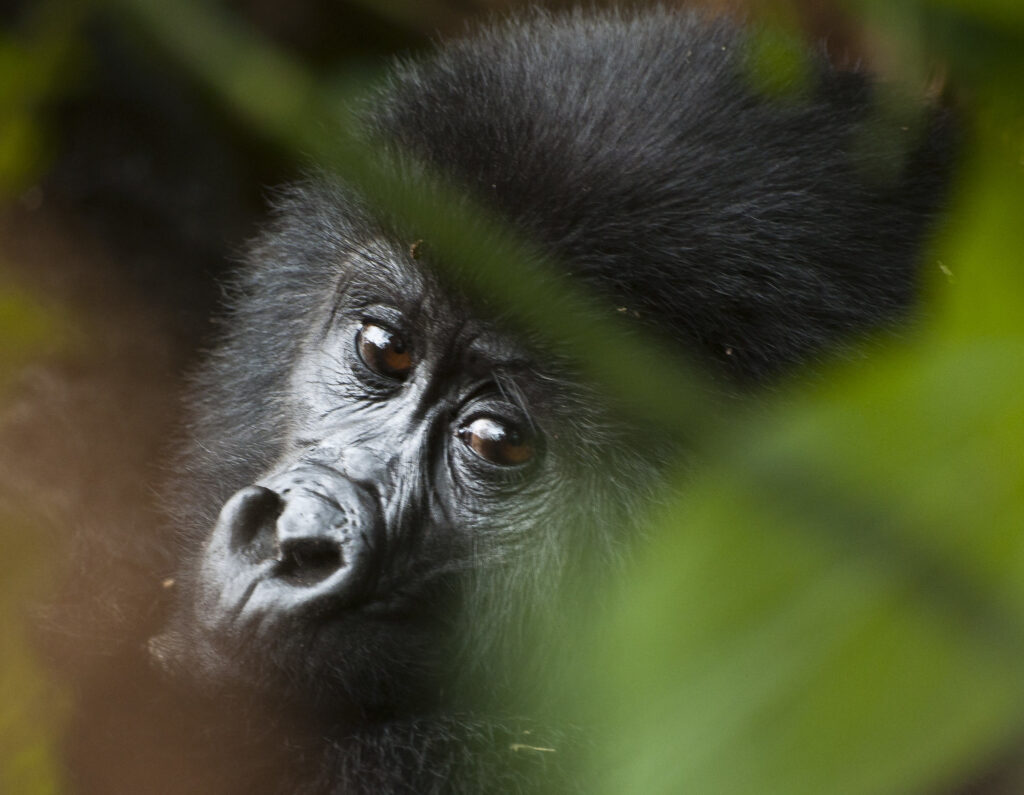
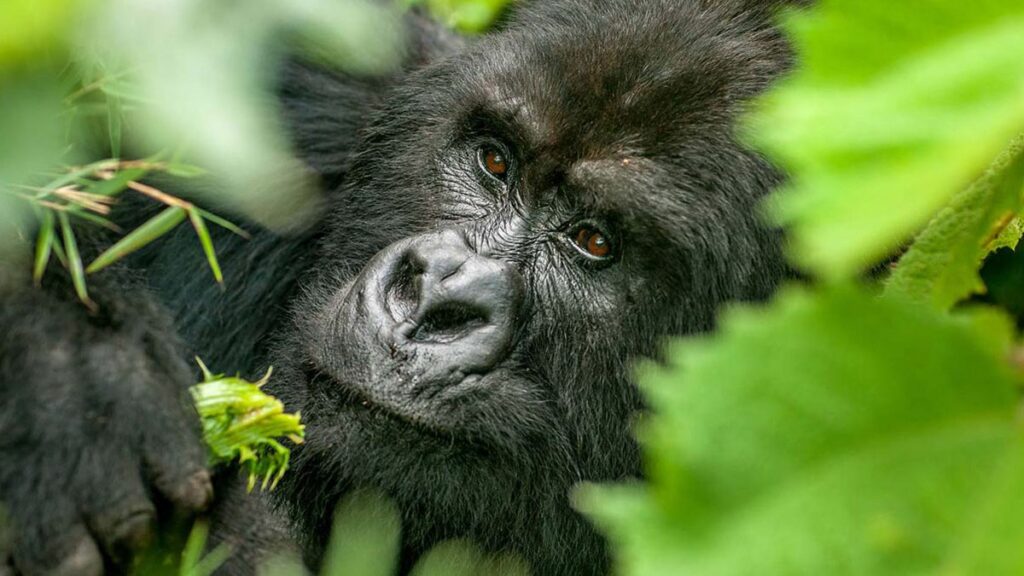
Located in the Virunga Mountains, the park protects one of the world’s most important populations of mountain gorillas. The region’s mist-covered forests, volcanic landscapes, and rich biodiversity make it one of Africa’s premier wildlife destinations.
The park plays a crucial role in gorilla conservation.
Tourism contributes directly to wildlife protection and community development.
The Gorilla Trekking Experience
Mountain gorilla trekking begins with an early morning briefing at park headquarters.
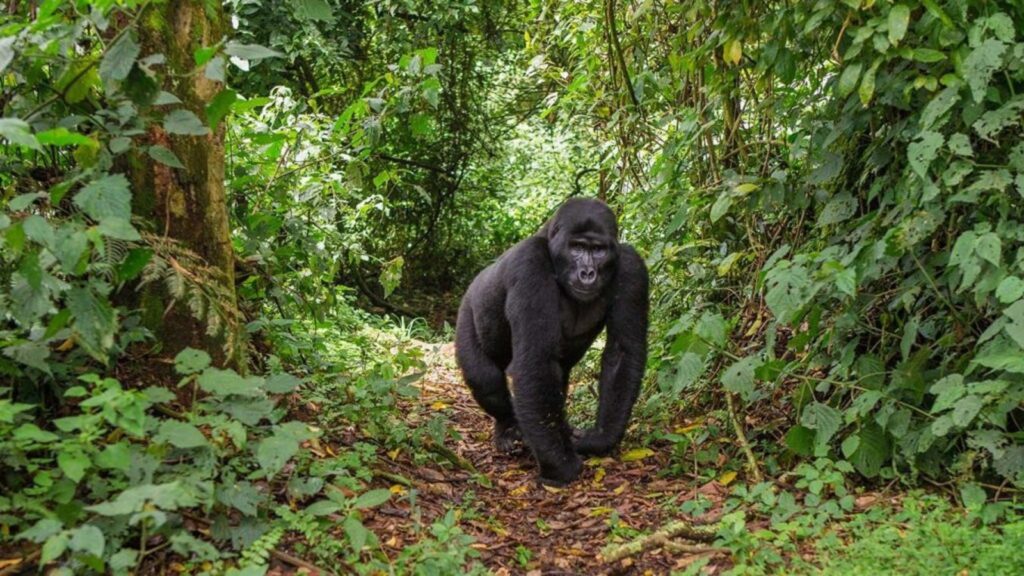
Visitors join small groups accompanied by professional guides and trackers. The trek may take one hour or several hours depending on the location of the assigned gorilla family.
Walking through the forest builds anticipation.
Every step brings visitors closer to one of nature’s most extraordinary encounters.
Meeting the Gorillas
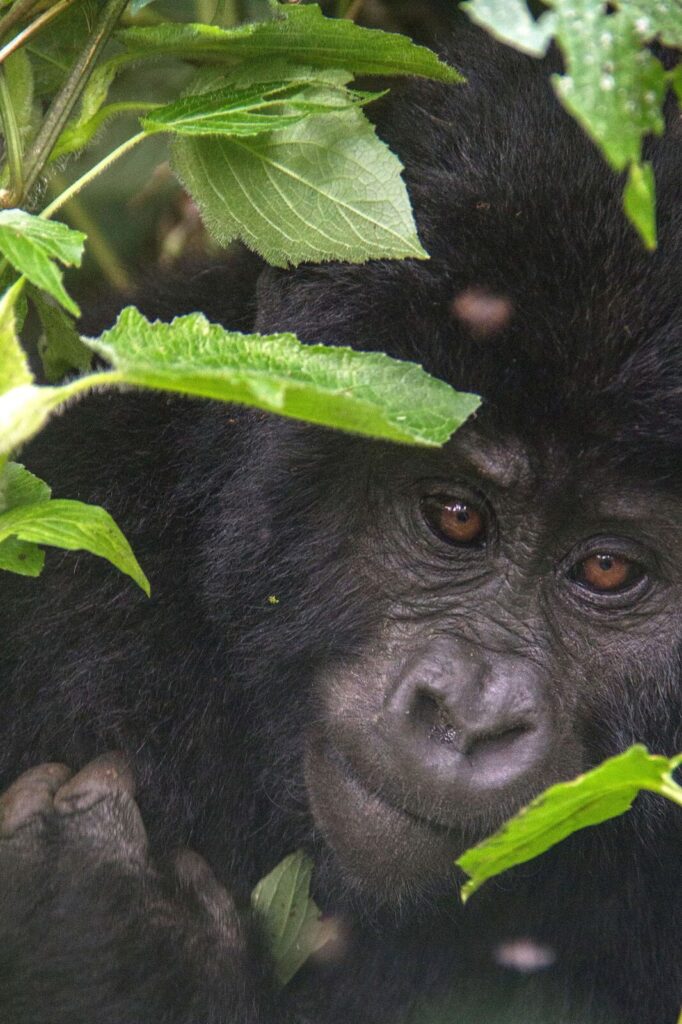
Once a gorilla family is located, visitors spend one hour observing the animals.
The experience often includes watching silverbacks protect their groups, mothers care for infants, and young gorillas interact playfully with one another.
Few wildlife experiences create such powerful emotional connections.
Many travelers describe the encounter as life-changing.
Why Combine a Genocide Memorial Visit with Gorilla Trekking?
At first glance, history and wildlife may seem unrelated.
However, combining these experiences creates a deeper understanding of Rwanda as a destination. The genocide memorial introduces visitors to Rwanda’s past, while gorilla trekking showcases its comgmitment to conservation and sustainable tourism.
Together, the experiences tell a broader story.
They highlight Rwanda’s resilience, achievements, and vision for the future.
A More Meaningful Safari
Many safari itineraries focus exclusively on wildlife.
Adding a memorial visit creates a more balanced journey that incorporates education, culture, and reflection. Travelers gain insight into both the country’s challenges and successes.
This broader perspective often enhances the overall travel experience.
The Connection Between Conservation and Community Development
Supporting Local Communities
Gorilla tourism generates significant revenue for local communities living near Volcanoes National Park.
Funds support schools, healthcare facilities, infrastructure projects, and employment opportunities. This model helps ensure that local residents benefit directly from conservation efforts.
Community involvement strengthens long-term wildlife protection.
Conservation Success Story
Mountain gorilla populations have increased in recent decades due to collaborative conservation efforts.
Government agencies, conservation organizations, local communities, and responsible tourism all contribute to this success. Rwanda has become a global example of how wildlife conservation can support economic development.
Visitors play an important role in sustaining these achievements.
Suggested Rwanda Genocide Memorial Gorilla Tour Itinerary
Day 1: Arrival in Kigali
Arrive in Kigali and settle into your accommodation.
Explore parts of the city and prepare for the journey ahead.
Day 2: Kigali Genocide Memorial Visit
Spend the day learning about Rwanda’s history through guided visits to the Kigali Genocide Memorial and other cultural attractions.
Take time to reflect on the experience.
Day 3: Transfer to Volcanoes National Park
Travel through Rwanda’s scenic countryside to Volcanoes National Park.
Enjoy views of rolling hills and rural communities along the way.
Day 4: Gorilla Trekking
Participate in a mountain gorilla trekking experience and spend one unforgettable hour with a habituated gorilla family.
Return to your lodge for relaxation.
Day 5: Departure
Travel back to Kigali for onward travel arrangements.
This itinerary combines history, culture, and wildlife within a manageable timeframe.
Best Time for a Rwanda Genocide Memorial Gorilla Tour
Travelers can enjoy this itinerary throughout the year.
The memorial remains accessible year-round, while gorilla trekking operates in all seasons. The drier months often provide easier hiking conditions, but gorilla sightings remain excellent regardless of the time of year.
Careful planning ensures a comfortable and rewarding experience.
What to Pack
Preparing appropriately enhances both activities.
Visitors should bring comfortable walking shoes for city tours, sturdy hiking boots for gorilla trekking, waterproof clothing, a camera, sunscreen, and a daypack.
Layered clothing is particularly useful in Rwanda’s varying climates.
Mountain temperatures can be cooler than conditions in Kigali.
Why This Tour Is Worth It
A Rwanda genocide memorial gorilla tour offers much more than a traditional safari.
The itinerary allows travelers to learn about Rwanda’s history, witness its transformation, and experience one of the world’s greatest wildlife encounters. The combination creates a journey that is educational, emotional, and inspiring.
Few destinations offer such meaningful diversity.
Visitors leave with a deeper understanding of both Rwanda and the importance of conservation.
Conclusion
A Rwanda genocide memorial gorilla tour combines reflection, education, culture, and wildlife into one unforgettable travel experience. From learning about Rwanda’s history at the Kigali Genocide Memorial to encountering mountain gorillas in Volcanoes National Park, travelers gain valuable insights into a country that has overcome immense challenges and achieved remarkable progress.
This unique combination creates a richer and more meaningful safari than wildlife experiences alone. For visitors seeking to understand Rwanda beyond its famous gorillas, the Rwanda genocide memorial gorilla tour remains one of the most rewarding journeys available in East Africa.