Silverback Gorilla Facts: What Every Gorilla Trekker Should Know
Silverback gorillas are the undisputed leaders of gorilla families and among the most fascinating animals that visitors encounter during gorilla trekking adventures in Africa. Whether you plan to trek mountain gorillas in Uganda, Rwanda, or the Democratic Republic of Congo, understanding silverback gorilla facts can greatly enhance your experience in the forest.
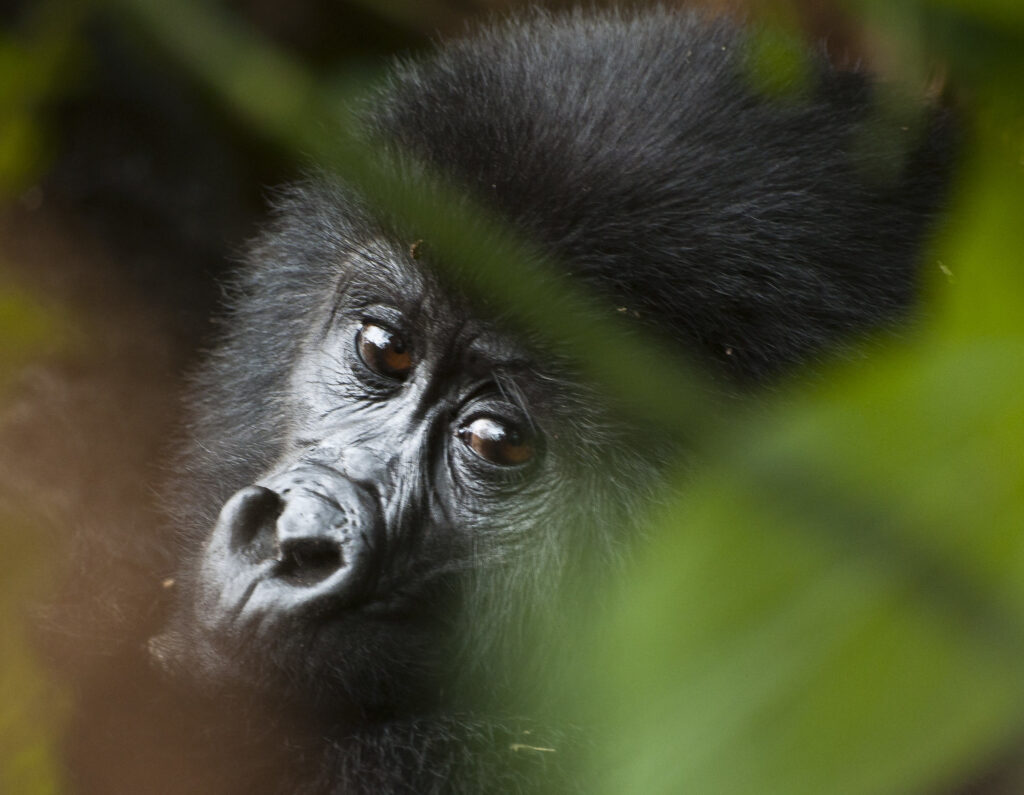
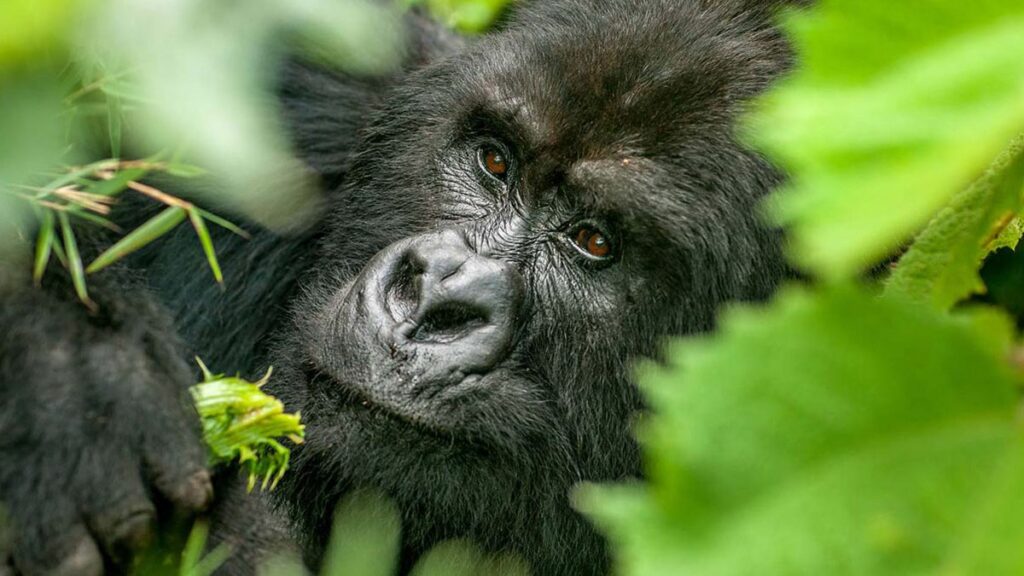
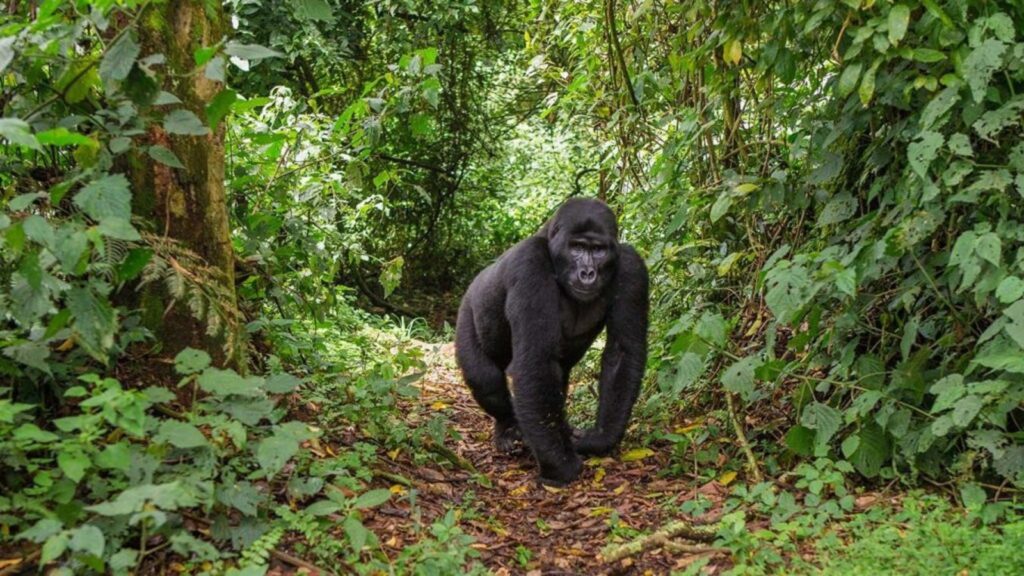
The sight of a massive silverback emerging from dense vegetation is often the highlight of a gorilla trek. These powerful primates command respect not only because of their impressive size but also because of their intelligence, leadership, and complex social behavior.
This guide explores the most important silverback gorilla facts, including their role within gorilla families, physical characteristics, behavior, communication methods, conservation status, and what trekkers should expect during a gorilla encounter.
What Is a Silverback Gorilla?
A silverback gorilla is an adult male gorilla that has reached maturity.
The term “silverback” comes from the distinctive patch of silver-gray hair that develops across the back and hips as the male ages. Most male gorillas begin developing this characteristic coloration at around 12 years of age.
The silverback serves as the dominant leader of the gorilla family.
He plays a critical role in protecting, guiding, and maintaining the group’s stability.
Why Is the Silverback Called the Leader?
The silverback occupies the highest position within the gorilla family hierarchy.
He makes decisions regarding feeding locations, resting sites, travel routes, and responses to potential threats. Other family members rely on his leadership and protection.
A strong silverback helps maintain order within the group.
His presence contributes significantly to the survival of the family.
How Big Can a Silverback Gorilla Become?
One of the most impressive silverback gorilla facts is their enormous size.
Adult silverbacks can stand approximately 1.7 meters tall when upright and may weigh between 140 and 220 kilograms, depending on the gorilla subspecies and environmental conditions.
Their broad shoulders, muscular arms, and powerful chest create an imposing appearance.
They rank among the strongest primates on Earth.
Silverbacks Are Surprisingly Gentle
Despite their immense strength, silverbacks are generally calm and peaceful animals.
Most of their daily activities involve feeding, resting, grooming, and interacting with family members. They rarely display aggression unless they perceive a threat to their group.
Visitors often expect intimidating behavior.
Instead, they usually observe patient and protective leadership.
The Silverback Protects the Family
Protection represents one of the silverback’s most important responsibilities.
When danger approaches, the silverback positions himself between the threat and his family. He monitors the surroundings constantly and responds quickly when necessary.
His actions help keep vulnerable infants and females safe.
This protective behavior strengthens family bonds.
Chest Beating Is a Form of Communication
One of the most famous silverback gorilla facts involves chest beating.
Silverbacks beat their chests by cupping their hands and striking rapidly against their chest muscles. The resulting sound can travel long distances through the forest.
Contrary to popular belief, chest beating does not always indicate aggression.
It often serves as a form of communication, dominance display, or self-identification.
Silverbacks Lead Family Movements
The gorilla family follows the silverback throughout the day.
He decides when the group moves, where they feed, and where they rest. His experience helps the family locate food sources and avoid potential risks.
Leadership requires constant decision-making.
The family’s survival depends largely on his judgment.
How Many Gorillas Live in a Silverback’s Family?
Gorilla family size varies considerably.
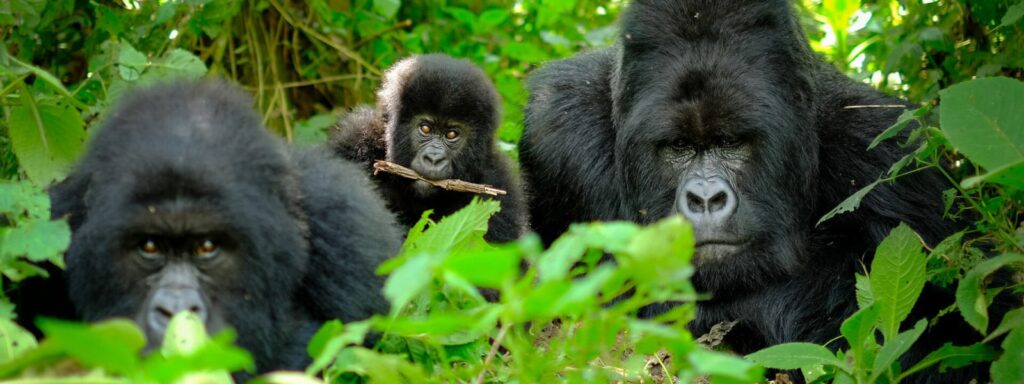
Some families contain fewer than ten members, while others may include more than twenty individuals. A typical family consists of the dominant silverback, adult females, juveniles, infants, and sometimes subordinate males.
The silverback serves as the central figure connecting the group.
His presence creates stability and cohesion.
Silverbacks Form Strong Bonds with Infants
Many first-time trekkers are surprised by the gentle interactions between silverbacks and young gorillas.
Silverbacks often tolerate playful behavior from infants and may even participate in social interactions. They monitor the well-being of younger family members and provide security within the group.
These interactions reveal the emotional complexity of gorilla society.
Family relationships play an important role in gorilla life.
Silverbacks Are Highly Intelligent
Like all gorillas, silverbacks possess remarkable intelligence.
They demonstrate problem-solving abilities, social awareness, memory, and communication skills. Researchers continue to study gorilla cognition to better understand the similarities between great apes and humans.
Their intelligence becomes evident during trekking encounters.
Observing their behavior often leaves visitors deeply impressed.
What Happens When a Young Male Matures?
As male gorillas grow older, they eventually leave their birth group.
Young males, known as blackbacks, may spend several years living independently or in small bachelor groups before attempting to form their own families.
Eventually, successful males become silverbacks.
This transition represents an important stage in gorilla social development.
Silverback Challenges and Rivalries
Not every silverback maintains leadership permanently.
Occasionally, younger males challenge dominant silverbacks for control of a family group. These confrontations usually involve displays of strength and intimidation rather than serious physical combat.
The strongest and most capable leader generally retains control.
Such events shape gorilla social structures.
Silverbacks Rarely Attack Humans
One of the most important silverback gorilla facts for trekkers is that attacks on humans are extremely rare.
Habituated gorillas have become accustomed to the presence of visitors through carefully managed conservation programs. Silverbacks typically remain calm when trekkers follow established guidelines.
Guides and rangers help ensure safe encounters.
Respectful behavior contributes significantly to successful treks.
How Silverbacks React During Gorilla Trekking
During a gorilla trek, the silverback often notices visitors before anyone realizes it.
He may observe the group quietly while continuing his normal activities. In some cases, he may move closer to assess the situation, particularly if young gorillas are nearby.
His calm demeanor often reassures the rest of the family.
Trekkers should remain quiet and follow guide instructions.
The Role of Silverbacks in Conservation
Silverbacks play a critical role in gorilla conservation.
Protecting dominant males helps maintain stable family structures and supports population growth. Conservation programs focus on preserving entire gorilla groups and the habitats they depend upon.
Healthy silverback populations contribute directly to species recovery.
Their survival remains essential for long-term conservation success.
Where Can You See Silverback Gorillas?
Travelers can observe silverback gorillas during trekking experiences in several protected areas.
Uganda
Bwindi Impenetrable National Park and Mgahinga Gorilla National Park protect numerous habituated gorilla families led by dominant silverbacks.
Rwanda
Volcanoes National Park offers excellent opportunities to observe silverbacks in the Virunga Mountains.
Democratic Republic of Congo
Virunga National Park and Kahuzi-Biega National Park provide opportunities to see both mountain gorillas and eastern lowland gorillas.
Each trekking destination offers unique encounters with these remarkable leaders.
Why Trekkers Find Silverbacks So Memorable
Many travelers describe the silverback as the most unforgettable part of their gorilla trekking experience.
His sheer size, calm confidence, intelligence, and protective nature create a powerful impression. Observing a silverback interact with his family offers a rare glimpse into the social lives of one of humanity’s closest relatives.
The experience often exceeds expectations.
It remains one of Africa’s greatest wildlife encounters.
Conclusion
Learning silverback gorilla facts adds a deeper level of appreciation to any gorilla trekking adventure. These powerful yet gentle leaders play a vital role in maintaining family stability, protecting group members, and ensuring the survival of future generations.
From their impressive physical strength and intelligence to their nurturing behavior and conservation significance, silverbacks embody the remarkable complexity of gorilla society. Whether you encounter one in Bwindi, Volcanoes National Park, Mgahinga, or Congo, the experience of standing near a silverback gorilla is likely to remain one of the most memorable moments of your life.
Understanding their behavior helps trekkers appreciate not only the animals themselves but also the importance of conserving the forests they call home.