Lowland Gorilla: The Largest Gorilla in the World
The lowland gorilla is one of Africa’s most fascinating primates and an important symbol of rainforest conservation. Living deep within the tropical forests of Central Africa, lowland gorillas play a crucial role in maintaining healthy ecosystems and preserving biodiversity. They are intelligent, social, and remarkably similar to humans in behavior and genetics.
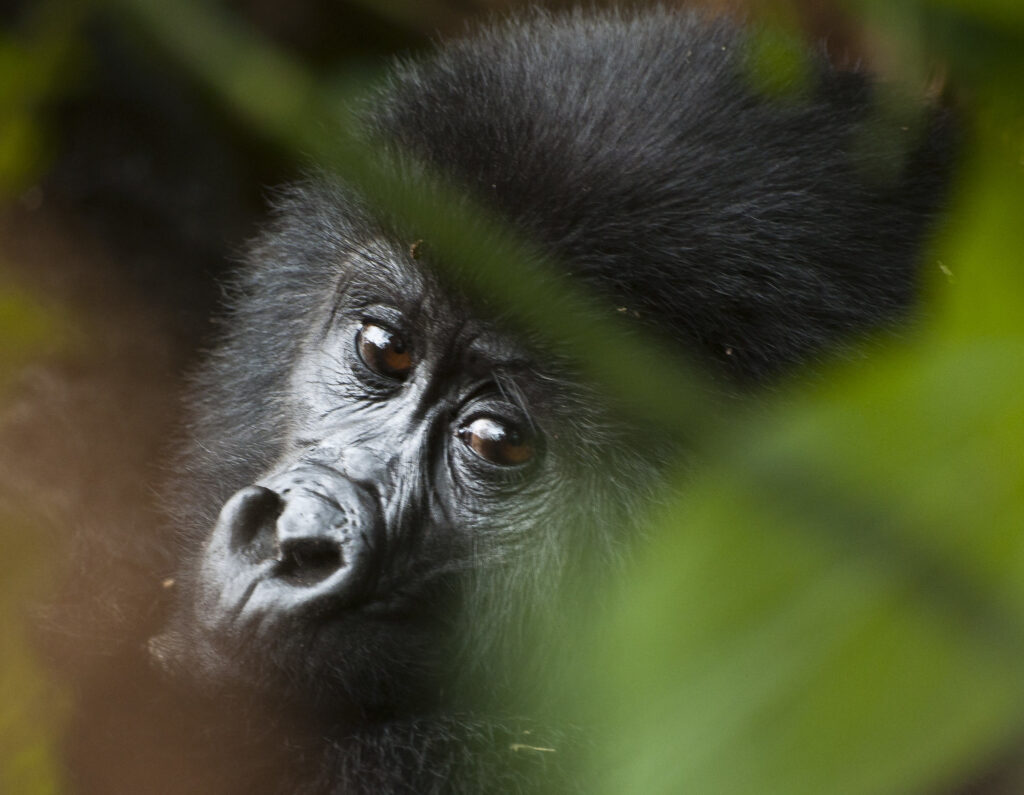
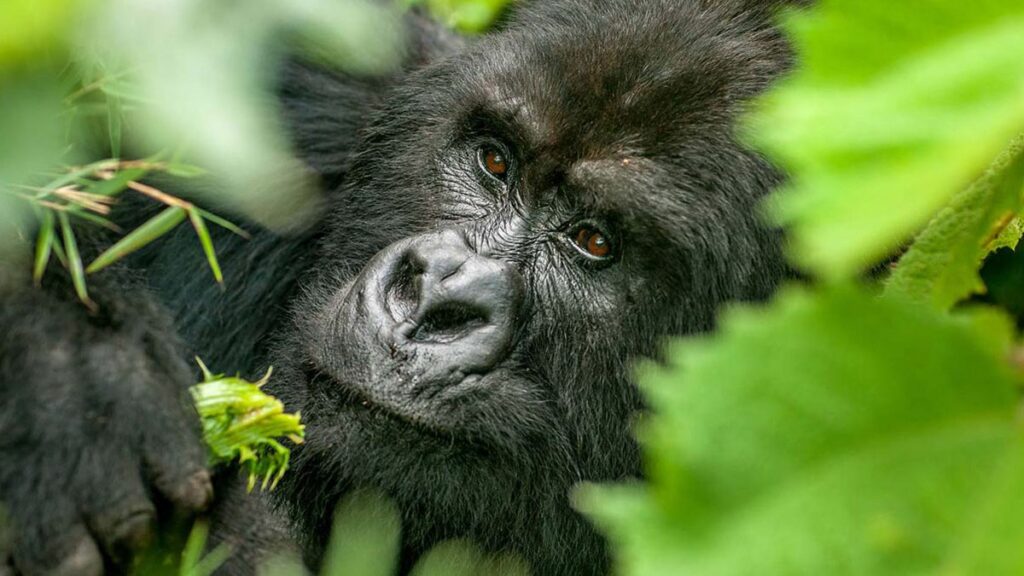
When people think about gorilla trekking, mountain gorillas often come to mind first. However, lowland gorillas are equally impressive and offer a unique wildlife experience. The Eastern Lowland Gorilla, also known as Grauer’s Gorilla, is the largest gorilla subspecies in the world and remains one of the most endangered great apes on the planet.
Protected areas such as Kahuzi-Biega National Park in the Democratic Republic of Congo provide critical habitat for these extraordinary animals and offer visitors a rare opportunity to observe them in their natural environment.
Understanding Lowland Gorillas
Lowland gorillas belong to two main subspecies: the Eastern Lowland Gorilla and the Western Lowland Gorilla. While both inhabit forested regions of Central Africa, they differ in size, distribution, and population status.
The Eastern Lowland Gorilla (Gorilla beringei graueri) lives primarily in eastern Democratic Republic of Congo. This subspecies is larger than all other gorillas and represents one of Africa’s most significant conservation priorities.
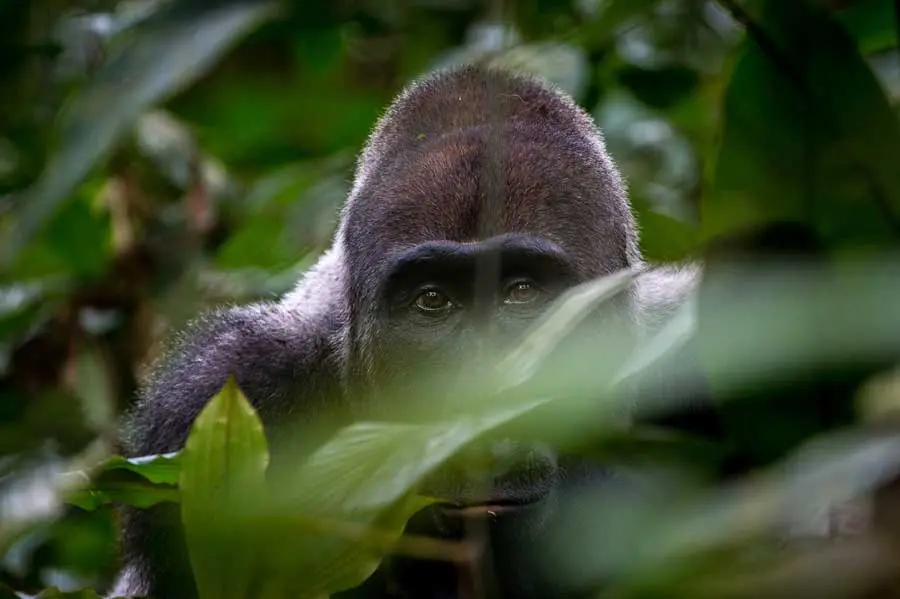
The Western Lowland Gorilla (Gorilla gorilla gorilla) occupies forests across several Central African countries, including Cameroon, Gabon, Equatorial Guinea, the Republic of Congo, and the Central African Republic. It is the most numerous gorilla subspecies, although its population continues to face serious threats.
Physical Characteristics
The Largest of All Gorillas
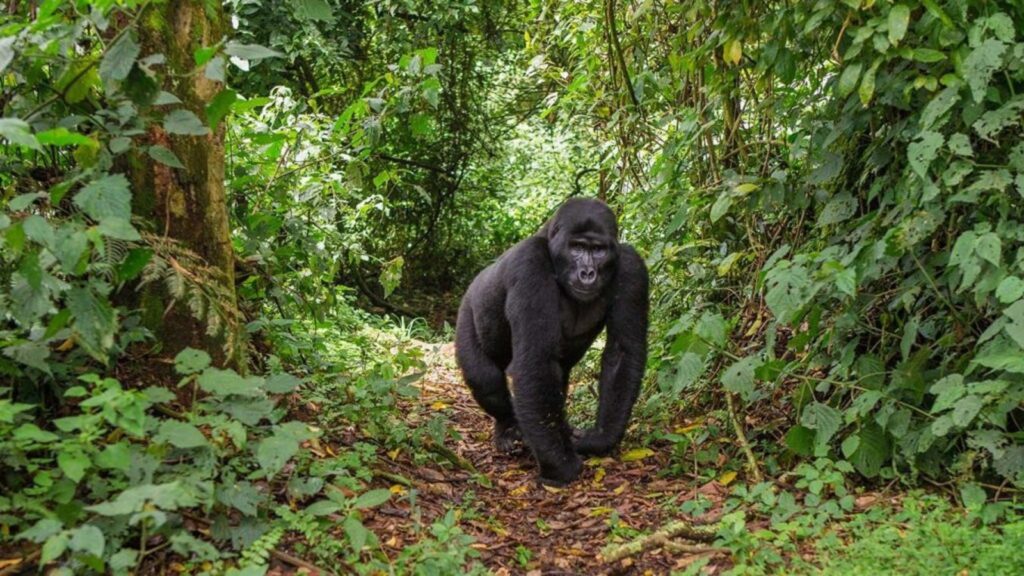
Eastern Lowland Gorillas hold the distinction of being the largest gorillas in the world. Adult males can weigh between 140 and 210 kilograms and often stand up to 1.8 meters tall when upright.
Their powerful build allows them to move efficiently through dense rainforest environments. Despite their size, they display remarkable agility while climbing, foraging, and navigating forest terrain.
Distinctive Appearance
Lowland gorillas possess shorter and less dense fur than mountain gorillas. Their warmer rainforest habitat eliminates the need for the thick coats required by gorillas living at higher elevations.
Eastern Lowland Gorillas often have broad chests, large hands, muscular arms, and slightly elongated faces. Mature males develop the familiar silver patch on their backs, earning them the title of silverbacks.
Strength and Adaptation
The immense physical strength of lowland gorillas helps them access food resources throughout the forest. They can bend vegetation, climb trees, and travel considerable distances while searching for food.
Their anatomy reflects thousands of years of adaptation to tropical rainforest ecosystems.
Habitat and Distribution
Eastern Lowland Gorilla Habitat
Eastern Lowland Gorillas inhabit the tropical rainforests of eastern Democratic Republic of Congo. Their strongest population survives within Kahuzi-Biega National Park, one of Africa’s most important conservation areas.
These gorillas occupy both lowland and mid-altitude forests characterized by dense vegetation, abundant rainfall, and rich biodiversity.
The forests provide shelter, food, nesting materials, and safe movement corridors for gorilla families.
Western Lowland Gorilla Habitat
Western Lowland Gorillas inhabit extensive rainforest regions throughout Central Africa. They thrive in swamp forests, primary rainforests, secondary forests, and mixed woodland habitats.
Compared to eastern lowland gorillas, western populations occupy a much broader geographic range.
Social Structure and Family Life
Lowland gorillas live in family groups led by a dominant silverback. The silverback acts as protector, leader, and decision-maker for the entire group.
A typical family may include several adult females, juveniles, infants, and younger males. Group size varies depending on habitat quality and food availability.
Strong social bonds define gorilla communities. Family members spend much of their time feeding, resting, grooming, and interacting with one another.
Infants remain close to their mothers during their early years. As they mature, they become increasingly independent while continuing to rely on the protection of the group.
The social complexity displayed by lowland gorillas highlights their intelligence and emotional depth.
Diet and Feeding Behavior
Lowland gorillas are primarily herbivores, although their diet differs somewhat from that of mountain gorillas.
Fruit constitutes an important part of their nutrition because tropical rainforests provide abundant fruit-bearing trees. Depending on seasonal availability, gorillas may consume significant quantities of fruit throughout the year.
In addition to fruit, they eat leaves, shoots, stems, bark, roots, flowers, and various forest plants.
Their feeding activities contribute directly to forest regeneration. As gorillas move through the forest and disperse seeds, they help maintain ecosystem health and plant diversity.
Daily Life in the Rainforest
A lowland gorilla’s day revolves around feeding, resting, and social interaction.
The family typically begins feeding shortly after sunrise. Throughout the day, the group moves through the forest while searching for food resources.
Periods of feeding alternate with resting sessions, during which gorillas groom one another, play, and strengthen social bonds.
As evening approaches, each individual constructs a sleeping nest using leaves and vegetation. Adults generally build nests on the ground, while younger gorillas often prefer elevated nesting sites.
This routine repeats daily as the family moves through its home range.
Intelligence and Communication
Lowland gorillas rank among the most intelligent animals on Earth.
They communicate through vocal sounds, facial expressions, body movements, and physical gestures. Scientists have documented numerous vocalizations that serve different purposes within gorilla society.
Soft grunts maintain group cohesion during movement and feeding. Alarm calls signal danger, while visual displays communicate dominance, reassurance, or social intentions.
The famous chest-beating display often functions as a communication tool rather than an aggressive act. Silverbacks use it to demonstrate strength and establish their presence within the forest.
Research continues to reveal the complexity of gorilla cognition, problem-solving abilities, and emotional intelligence.
Gorilla Trekking with Lowland Gorillas
Kahuzi-Biega National Park Experience
The most accessible destination for observing Eastern Lowland Gorillas is Kahuzi-Biega National Park in eastern Democratic Republic of Congo.
Several gorilla families have undergone habituation, allowing visitors to observe them under controlled tourism programs.
The trekking experience begins with a briefing from park rangers before entering the rainforest. Visitors then follow experienced guides through dense forest in search of a habituated gorilla family.
Encountering Grauer’s Gorillas
Seeing an Eastern Lowland Gorilla in the wild leaves a lasting impression. Their immense size becomes immediately apparent, especially when standing near a mature silverback.
Visitors often witness feeding behavior, family interactions, grooming sessions, and playful activities among young gorillas.
Because tourism numbers remain lower than in some mountain gorilla destinations, encounters often feel intimate and exclusive.
Conservation Challenges
Habitat Loss
Habitat destruction remains one of the greatest threats facing lowland gorillas. Agricultural expansion, logging, infrastructure development, and human settlement continue reducing available forest habitat.
As forests become fragmented, gorilla populations lose access to critical feeding and breeding areas.
Poaching and Illegal Activities
Poaching remains a serious challenge throughout parts of Central Africa. Although conservation authorities actively combat illegal hunting, threats persist in some regions.
Illegal mining activities also affect gorilla habitats, particularly within eastern Democratic Republic of Congo.
Population Decline
Eastern Lowland Gorillas have experienced significant population declines over recent decades. Scientists classify them as critically endangered due to ongoing threats.
Conservation organizations, governments, and local communities continue working together to protect remaining populations.
Conservation Success Through Tourism
Responsible tourism provides essential financial support for gorilla conservation.
Permit fees help fund ranger patrols, scientific research, habitat management, and community development projects. Tourism also creates employment opportunities for local residents, encouraging support for wildlife protection.
Visitors who trek lowland gorillas contribute directly to the survival of one of the world’s most endangered primates.
Why Lowland Gorillas Matter
Lowland gorillas represent a vital component of Central African rainforest ecosystems. Their role as seed dispersers helps maintain forest diversity and ecological balance.
Beyond their ecological importance, they serve as ambassadors for conservation. Their survival reflects the health of the forests they inhabit and the effectiveness of conservation efforts throughout the Congo Basin.
Protecting lowland gorillas means protecting countless other species that share their habitat.
For wildlife enthusiasts, conservationists, and travelers, few experiences compare to encountering these magnificent great apes in their natural environment.